Ermani Bulatti Necklace Deep Dive: Materials & Clasp Tech
Explore the technical details of an Ermani Bulatti necklace, from signature adjustable slide clasps to semi-precious stone grading and care.

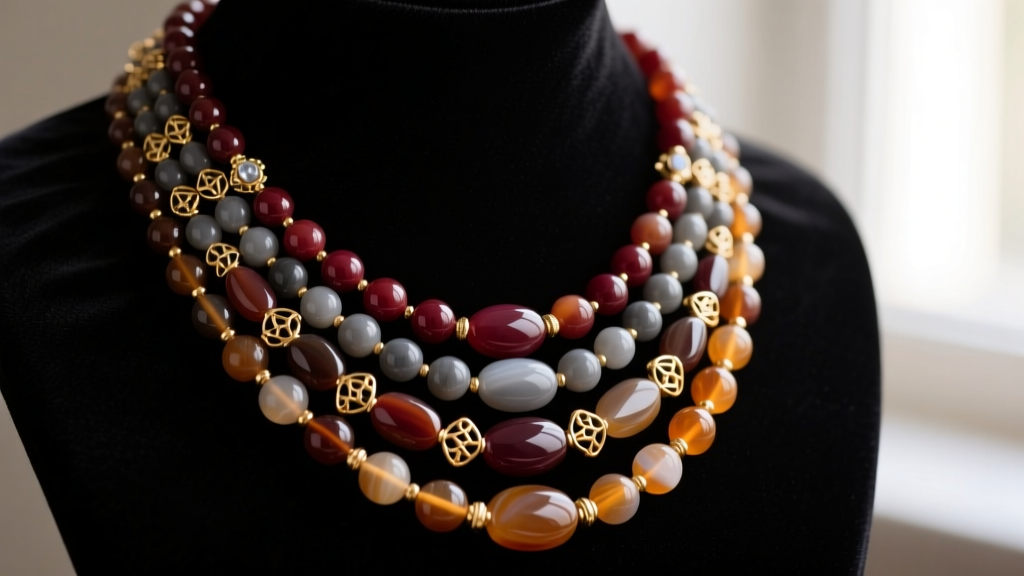
The Architecture of an Ermani Bulatti Necklace
When evaluating designer fashion jewelry, the Ermani Bulatti necklace stands out for its distinct blend of artisanal craftsmanship, semi-precious materials, and highly functional engineering. Unlike mass-produced costume jewelry that relies on cheap alloys and fragile chain links, this brand bridges the gap between accessible luxury and fine jewelry mechanics. To truly understand the value and longevity of these pieces, one must look past the aesthetic surface and examine the metallurgical choices, the physics of their signature closures, and the gemological properties of the stones employed.
Base Metals and Plating Thickness
The foundational structure of most Ermani Bulatti metal components utilizes jeweler's brass, specifically a CuZn30 alloy (70% copper, 30% zinc). Brass is selected over pure copper or steel due to its superior malleability, which allows for intricate casting and stamping, and its excellent strength-to-weight ratio. This ensures that larger, statement-making pendants and bead caps do not cause neck fatigue or warp under their own weight.
Once the base metal is cast and polished, it undergoes an electroplating process. Standard fashion jewelry often utilizes "flash plating" at merely 0.1 to 0.5 microns of gold, which wears away within months. In contrast, high-end pieces in this category typically feature a 1.5 to 2.0-micron layer of 18k gold or rhodium over a palladium or nickel barrier layer. According to the Birmingham Assay Office guidelines on precious metal coatings, a thickness of 2.0 microns is generally required for a piece to be considered heavily plated or "vermeil" grade (when applied over sterling silver), ensuring the finish can withstand years of friction and environmental exposure without exposing the base brass underneath.
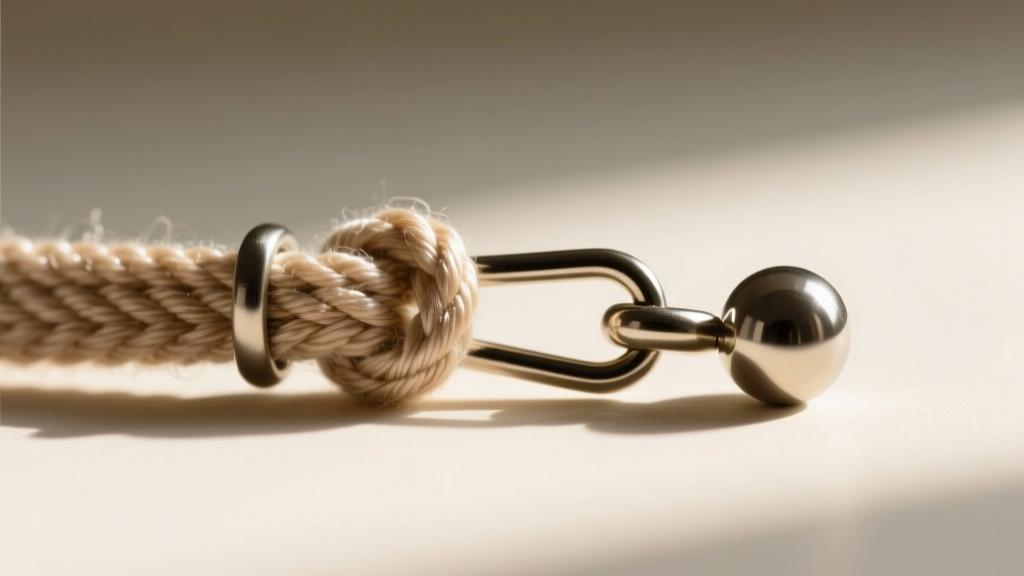
The Signature Adjustable Slide Clasp
The most defining technical feature of an Ermani Bulatti necklace is the adjustable macramé slide fastening. Traditional lobster clasps restrict the wearer to a single, fixed length determined by the placement of the jump ring. The slide clasp, however, allows for micro-adjustments, enabling the necklace to sit perfectly against varying necklines, from high crew necks to deep V-cuts.
The Physics of the Friction Knot
The mechanics of this clasp rely entirely on static friction. The cord passes through a metallic or stone stopper bead, and the tension is maintained by the coefficient of friction between the cord's surface and the interior bore of the bead. If the cord is too smooth (like pure silk), the weight of a heavy semi-precious stone drop will cause the knot to slip, slowly lengthening the necklace throughout the day. To counteract this, the brand utilizes heavily waxed cotton or synthetic microfiber cords. The wax filling increases the surface drag, effectively locking the stopper bead in place while still allowing the wearer to manually slide the bead when applying deliberate, pinching force.
Furthermore, the ends of the cord are finished with either tight macramé square knots or crimped metal end-caps. These terminal stops are mathematically sized to be larger than the bore of the stopper bead, ensuring that even if the friction knot is pulled to its absolute maximum extension, the necklace will not unthread and drop the pendant.
Semi-Precious Stone and Pearl Grading
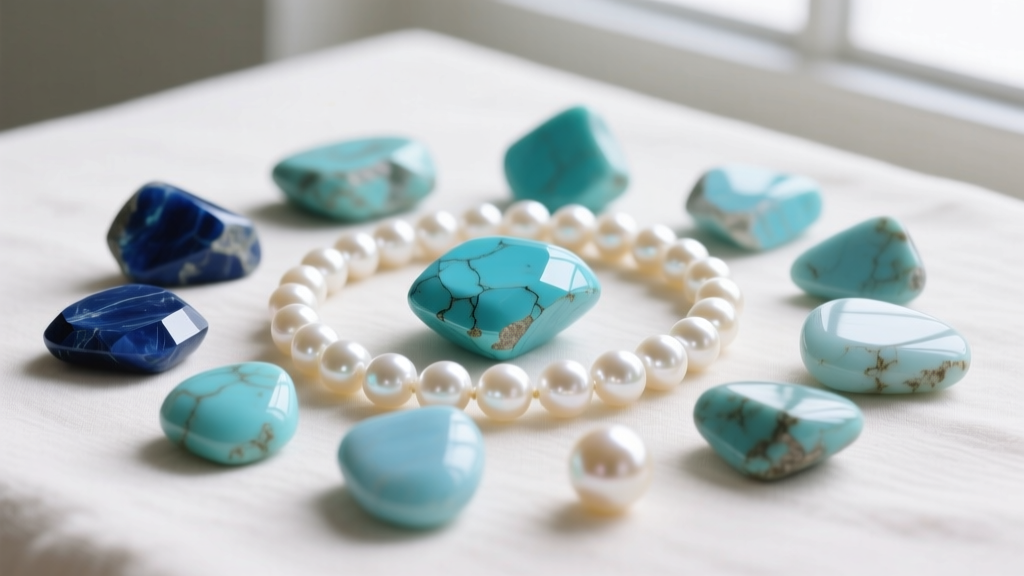
Ermani Bulatti frequently incorporates a wide array of semi-precious stones and organic materials. Understanding the gemological properties of these materials is critical for both assessing quality and determining long-term care. The GIA Gem Encyclopedia categorizes these materials by their Mohs hardness and structural porosity, which directly dictate how they interact with skin oils, cosmetics, and environmental pollutants.
| Material | Mohs Hardness | Porosity & Structure | Technical Care Protocol |
|---|---|---|---|
| Dyed Agate | 6.5 - 7.0 | Low (Cryptocrystalline Quartz) | Wipe with damp cloth; avoid prolonged UV exposure to prevent dye fading. |
| Reconstituted Turquoise | 5.0 - 6.0 | High (Resin-bound porous matrix) | Strictly avoid oils and solvents; clean only with a dry microfiber cloth. |
| Freshwater Pearl | 2.5 - 4.5 | Organic (Conchiolin and Aragonite) | Highly sensitive to acids and perfumes; must be stored away from hard stones. |
| Rose Quartz | 7.0 | Low (Macrocrystalline Quartz) | Durable; can withstand mild soap solutions but avoid thermal shock. |
It is important to note that many vibrant stones used in fashion jewelry, particularly agates and howlite, undergo stabilization or dyeing processes. While this enhances the visual appeal and ensures color consistency across production batches, it lowers the material's resistance to harsh chemical cleaners. Reconstituted turquoise, which is created by binding turquoise dust and fragments with a polymer resin, is especially vulnerable to acetone and alcohol-based solvents, which can degrade the binder and cause the stone to crumble.
Cord Material Science and Tensile Strength
The cord used in an Ermani Bulatti necklace is not merely a string; it is a load-bearing structural component. The brand frequently employs multi-strand waxed cotton or high-denier nylon. Waxed cotton is favored for its organic aesthetic and tactile grip, but it is the wax coating—often a blend of natural beeswax and synthetic microcrystalline wax—that provides the technical benefits.
The wax serves three primary functions:
- Moisture Resistance: It prevents the cotton fibers from absorbing ambient humidity or perspiration, which can lead to internal rot and fiber degradation over time.
- UV Stabilization: The wax coating acts as a minor barrier against ultraviolet light, protecting the underlying cotton polymers from becoming brittle.
- Abrasion Resistance: It reduces the internal friction between the individual fibers of the cord when the necklace bends, significantly increasing the tensile lifespan of the cord.
Maintenance and Long-Term Care Protocols
Proper maintenance of an Ermani Bulatti necklace requires abandoning the "one-size-fits-all" jewelry cleaning approach. Because these pieces combine plated metals, porous stones, and organic cords, aggressive cleaning methods will cause catastrophic damage.
Cleaning Agents and Methods to Avoid
Never place a necklace with turquoise, pearls, or waxed cotton cords into an ultrasonic cleaner. The high-frequency cavitation bubbles generated by ultrasonic machines can easily shatter the internal crystalline structure of porous stones and strip the wax coating directly off the cotton cord, leaving it frayed and prone to snapping. Similarly, commercial silver dips and ammonia-based cleaners will instantly strip the 1.5-micron gold or rhodium plating from the brass components, leaving a dull, oxidized surface.
Expert Troubleshooting Tip: If the adjustable slide clasp becomes too loose and the necklace constantly slips down your neck, the wax on the cotton cord has likely worn away. You can restore the friction coefficient by gently rubbing a small amount of pure beeswax or a specialized thread-wax onto the cord where the stopper bead rests. Allow it to set for ten minutes before adjusting.
For routine cleaning, use a slightly damp, lint-free microfiber cloth to gently wipe the metal components and non-porous stones. For pearls, a dry, soft brush is sufficient to remove skin oils. Always store the necklace flat or hung in a climate-controlled environment, ensuring that harder stones like quartz do not rest directly against softer materials like pearls or the metal plating, preventing micro-scratches and preserving the structural integrity of the piece for years to come.


