How to Clean a Pura Vida Charm Necklace: Expert Care Tips
Learn expert cleaning and maintenance tips to prevent tarnish, protect enamel, and extend the life of your favorite Pura Vida charm necklace.

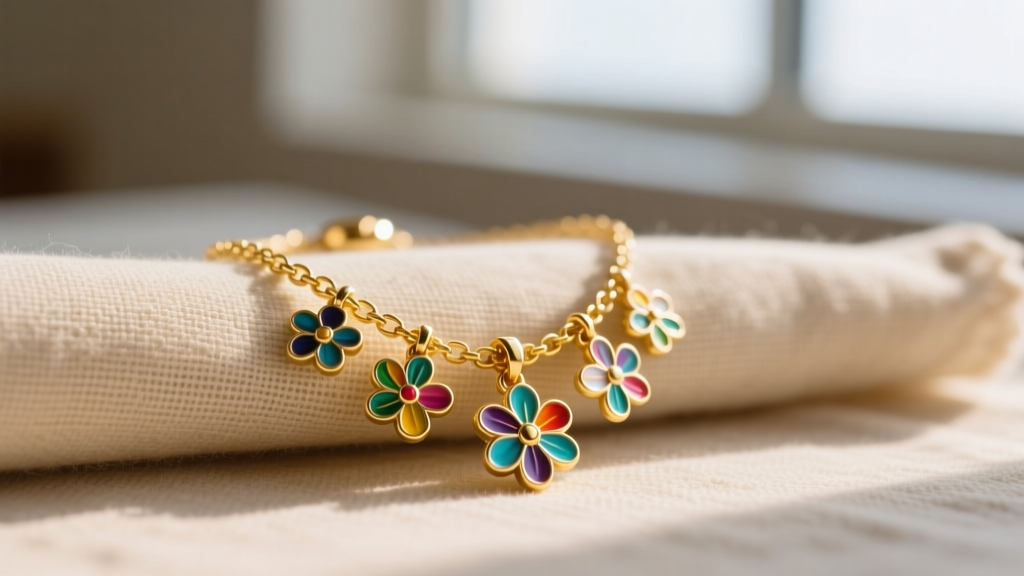
The Anatomy of Your Pura Vida Charm Necklace
Pura Vida charm necklaces are beloved for their laid-back, layered aesthetic and meaningful motifs. However, the very materials that make them affordable and colorful require specific maintenance protocols. To properly care for your jewelry, you must first understand its construction. According to the Federal Trade Commission (FTC) Jewelry Guides, fashion jewelry typically features a base metal—often brass or a copper alloy—electroplated with a thin layer of gold or silver.
For most Pura Vida pieces, the gold plating ranges from 0.1 to 0.5 microns in thickness (often referred to as flash plating). While this provides a beautiful initial luster, it is significantly thinner than heavy gold vermeil, which requires a minimum of 2.5 microns over a sterling silver base. Furthermore, the signature charms are frequently detailed with painted enamel, epoxy resin, or set with cubic zirconia (CZ) using delicate jewelry adhesives. This multi-material construction means that harsh chemicals, abrasive polishing, and ultrasonic cleaners will rapidly degrade the piece.
Daily Wear Rules: Preventing Tarnish and Plating Loss
The most effective maintenance strategy is preventative. Plated brass is highly susceptible to the pH levels and chemical compounds found in everyday cosmetics and environments.
- The Sunscreen Factor: Chemical sunscreens often contain avobenzone. When avobenzone mixes with sweat and contacts the copper in the brass base metal (especially where plating has worn thin), it creates a rapid oxidation reaction. This not only degrades the metal but causes the dreaded 'green skin' effect.
- Last On, First Off: Your necklace should be the final item you put on after applying perfume, lotion, and hairspray, and the first item you remove when you get home. Alcohol and essential oils in fragrances can strip the microscopic gold layer and cloud enamel finishes.
- Sweat and Saltwater: Chlorides in sweat and saltwater accelerate copper oxidation. Always remove your necklace before hitting the gym, the beach, or a hot yoga studio.
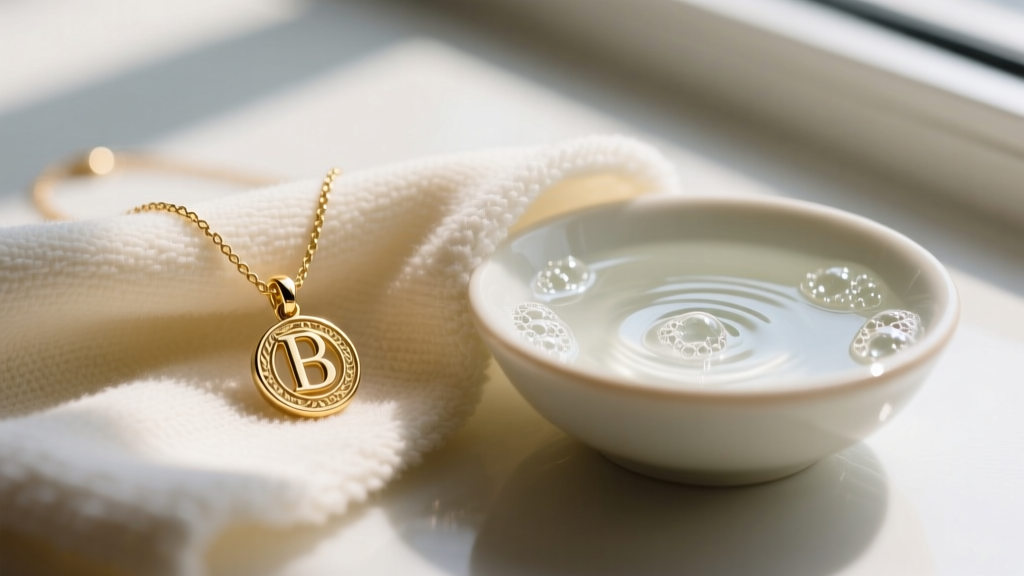
Step-by-Step Cleaning Guide for Plated Charms
When your necklace loses its shine or accumulates skin oils, it requires a gentle, non-abrasive cleaning method. Never use baking soda, toothpaste, or commercial silver dips, as these contain micro-abrasives that will strip 0.2-micron plating instantly.
What You Need
- pH-neutral liquid dish soap (e.g., original Dawn)
- Lukewarm distilled water
- Extra-soft baby toothbrush
- Lint-free microfiber cloth
The Cleaning Process
- Prep the Solution: Mix two drops of dish soap into a small bowl of lukewarm distilled water. Avoid hot water, which can soften the adhesives holding CZ stones in place.
- Soak Briefly: Submerge the necklace for exactly 2 to 3 minutes. Do not soak for longer, especially if the piece features glued-in stones or epoxy resin charms.
- Gentle Agitation: Use the baby toothbrush to lightly sweep over the crevices of the charms and the chain links. Use zero downward pressure; let the bristles do the work.
- Rinse and Dry: Rinse under a gentle stream of cool distilled water. Pat dry immediately with a microfiber cloth, then lay flat on a towel to air-dry completely before storing. Trapped moisture in the chain links will cause rapid tarnishing.
Pro Tip: Never use a jewelry polishing cloth (like a Sunshine cloth) on the plated chain itself. These cloths are treated with mild polishing compounds designed to remove tarnish from solid metals, but they will strip the gold plating right off a brass base.
Material-Specific Maintenance Matrix
Different components of your necklace react differently to environmental stressors. Use this matrix to tailor your care routine based on the specific charms on your chain.
| Material Component | Primary Vulnerability | Safe Cleaning Method | Strictly Avoid |
|---|---|---|---|
| Gold-Plated Brass Chain | Plating wear, copper oxidation | Mild soap, microfiber wipe | Baking soda, polishing cloths |
| Painted Enamel Charms | Chipping, UV fading, chemical melting | Damp cloth wipe only | Alcohol, acetone, ultrasonic |
| Cubic Zirconia (CZ) Stones | Dirt trapping, glue degradation | Soapy water, soft brush | Boiling water, harsh chemicals |
| Epoxy Resin Inlays | Yellowing, scratching, clouding | Dry microfiber buffing | Submersion, solvent cleaners |
Storing Layered Necklaces to Prevent Tangling
Pura Vida necklaces are designed to be layered, but storing multiple delicate chains together guarantees a frustrating tangle. Furthermore, improper storage exposes the brass base to ambient humidity and sulfur in the air, leading to tarnish. The Gemological Institute of America (GIA) recommends storing jewelry in a dry, low-humidity environment to prevent chemical degradation.

- Individual Poly Bags: Store each necklace in its own small, resealable polyethylene bag. Squeeze out the air before sealing to limit oxygen exposure.
- Anti-Tarnish Strips: Drop a 3M anti-tarnish strip or an activated charcoal sachet into your jewelry box or storage bag. These absorb airborne sulfur and moisture, extending the life of your plating by months.
- The PVC Hack for Travel: When traveling, thread your necklaces through a short piece of clean PVC pipe or a plastic straw, and clasp them on the outside. This physically prevents the chains from knotting in your luggage.
Troubleshooting Common Necklace Issues
1. The Charm is Causing Green Skin
If the back of a charm is turning your skin green, the gold plating has worn through to the copper-rich brass base. The copper is reacting with the chlorides in your sweat to form copper chloride. The Fix: Paint a thin layer of clear, hypoallergenic nail polish over the back of the charm. This creates a temporary physical barrier between the metal and your skin. Reapply every few weeks.
2. A Charm Has Fallen Off
Charms are attached via small jump rings, usually 20-gauge or 22-gauge wire. If a charm falls off, it is likely because the jump ring was pulled apart rather than twisted. The Fix: Use two pairs of chain-nose pliers. Grip both sides of the split in the jump ring and twist them laterally (forward and backward) to close the gap perfectly. Never pull the ring outward into an oval shape, as this weakens the metal's structural memory.
3. The Enamel is Fading or Chipping
Enamel damage is largely irreversible. If a charm is heavily chipped, you can sometimes use a microscopic dab of clear UV resin to seal the edge and prevent further flaking, but the aesthetic damage is permanent. Prevention via the 'Last On, First Off' rule is your only true defense.
Final Thoughts on Longevity
While a Pura Vida charm necklace may not be a generational heirloom crafted from solid 18k gold, it holds immense sentimental and stylistic value. By respecting the microscopic tolerances of its plating and the fragility of its enamel details, you can easily extend the vibrant life of your favorite pieces for years of daily wear.


