Millie Bobby Brown Necklace Style Guide for Beginners
Learn how to recreate the iconic Millie Bobby Brown necklace look. A beginner's guide to layering delicate chains, metal grades, and pendant styling.

Decoding the Signature Aesthetic
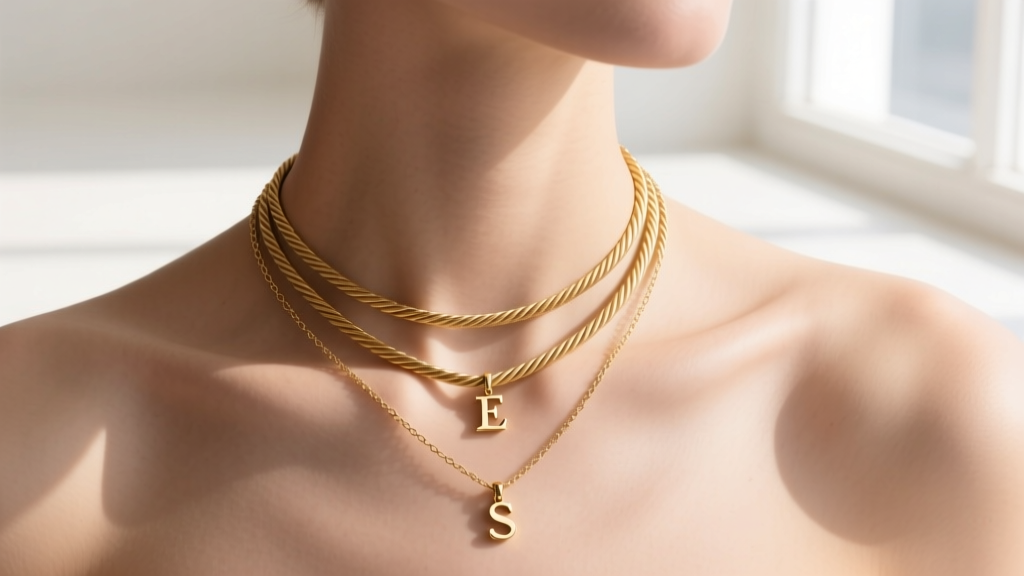
When searching for the perfect everyday jewelry stack, the millie bobby brown necklace trend consistently emerges as a masterclass in delicate, personalized layering. Transitioning from a teen sci-fi star to a mature fashion and beauty entrepreneur, Brown’s jewelry evolution mirrors her personal growth. She has moved away from heavy, chunky statement pieces in favor of an 'effortless Gen-Z minimalist' aesthetic. This signature look is defined by lightweight, hyper-feminine chains that sit close to the collarbone, often anchored by deeply personal pendants like initials, zodiac constellations, or birthstones.
Whether she is promoting her own beauty and lifestyle brand, Florence by Mills, or walking a red carpet, her neck-game relies on intentional stacking. For beginners looking to replicate this style, the secret isn't just buying random thin chains; it is understanding chain widths, metal grades, and the precise mathematics of layering lengths to avoid tangling while maximizing visual impact.
Core Elements: Chain Types and Metal Grades
The foundation of any millie bobby brown necklace stack is the chain itself. To achieve that dainty, barely-there sparkle, you must look for chain widths between 0.8mm and 1.5mm. The most common styles used in this aesthetic include:
- Cable Chain: The classic oval-link chain. It is lightweight, catches the light beautifully, and serves as the perfect backdrop for small pendants.
- Box Chain: Made of square links, this chain is slightly more durable than cable and offers a modern, geometric gleam.
- Herringbone Chain: A flat, fluid chain that lays flush against the skin. It is highly reflective but prone to kinking, so it is best used as a base layer without a pendant.
Understanding Metal Grades and Plating
One of the most common mistakes beginners make is confusing 'gold plated' with 'gold vermeil.' According to the Federal Trade Commission Jewelry Guides, for a piece to be legally marketed as Gold Vermeil in the United States, it must have a sterling silver (925) base and be plated with a minimum of 2.5 microns of gold (usually 10k, 14k, or 18k). Standard gold-plated jewelry often uses a brass or copper base with a microscopic flash of gold (less than 0.5 microns), which will tarnish and turn your skin green within weeks.
| Metal Type | Base Metal | Gold Thickness | Price Range | Tarnish Resistance |
|---|---|---|---|---|
| Gold Plated | Brass/Copper | < 0.5 microns | $15 - $40 | Poor (Tarnishes quickly) |
| Gold Vermeil | Sterling Silver | ≥ 2.5 microns | $45 - $120 | Good (Lasts 1-3 years) |
| Solid 10k Gold | Gold Alloy | Solid | $90 - $200 | Excellent (Lifetime) |
| Solid 14k Gold | Gold Alloy | Solid | $180 - $450+ | Excellent (Lifetime) |
Source: GIA Gold Quality Factors
The Layering Formula: Lengths and Pendants
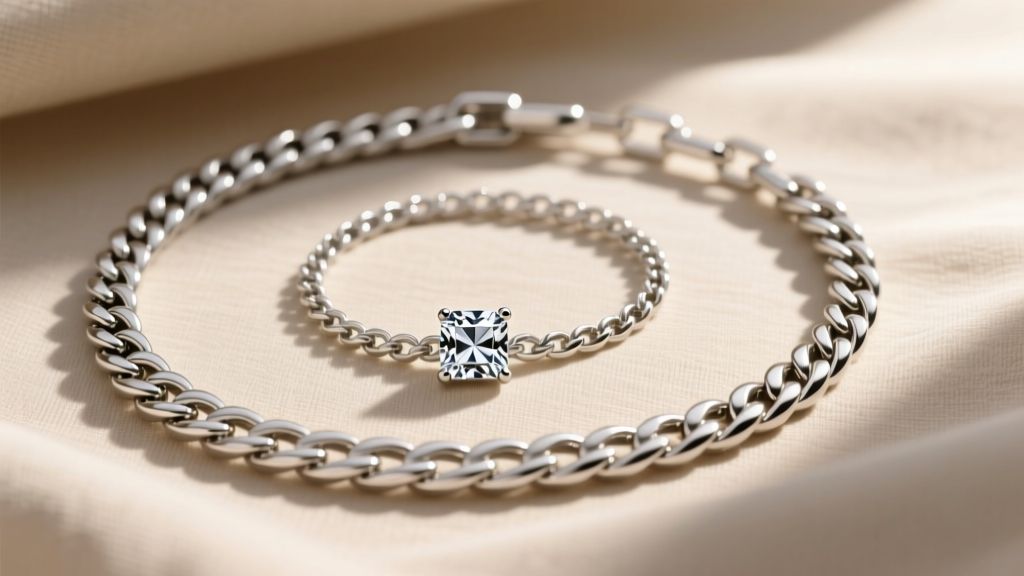
To recreate the iconic millie bobby brown necklace stack without creating a tangled mess, you must adhere to the 'Two-Inch Rule.' Each subsequent chain in your stack should be exactly two inches longer than the one above it. This ensures the chains lay parallel without constantly rubbing against one another, which accelerates metal wear.
The Perfect 3-Piece Stack
- The 14-Inch Base (Choker Length): This sits tightly on the lower neck. Use a 1.2mm herringbone or a delicate 1mm cable chain. Keep this layer pendant-free to act as a shimmering frame for the layers below.
- The 16-Inch Anchor (Standard Length): This rests right on the collarbone. This is where you place your primary pendant. Brown frequently wears tiny diamond or cubic zirconia initial pendants, or small zodiac constellation discs on this layer.
- The 18-Inch Drape (Princess Length): This falls just below the collarbone, creating a V-shape illusion. Opt for a slightly textured chain, like a 1.5mm rolo or paperclip chain, to add visual weight and contrast to the delicate layers above.
Pendant Selection and Gemstone Hardness
When choosing pendants, meaning is paramount. Birthstones and initials are staples of this aesthetic. However, beginners must consider the Mohs Hardness Scale when selecting gemstones for daily-wear layers. For example, while Diamonds (10) and Sapphires (9) are impervious to daily scratches, Opals (5.5-6.5) and Pearls (2.5-4.5) are incredibly soft. If you choose a pearl or opal pendant for your 16-inch layer, it must be set in a protective bezel rather than a high-prong setting to prevent chipping against your collarbone or other chains.
Clasp Mechanics and Hardware
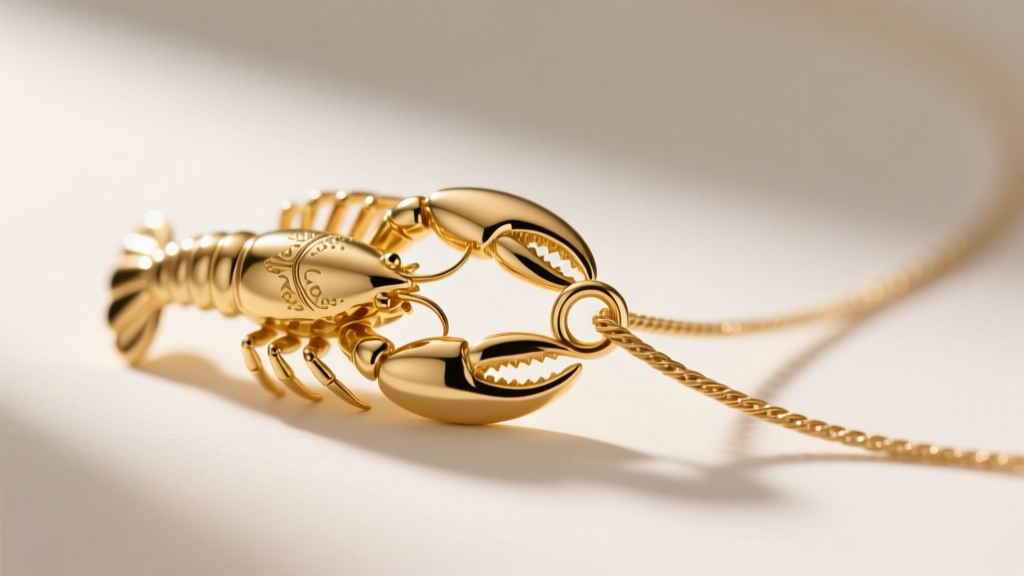
The hardware of your necklace is just as critical as the chain. Delicate chains (under 1.2mm) require specific clasps to function properly without breaking.
- Lobster Clasps: The gold standard for layered necklaces. They feature an internal spring mechanism that keeps the clasp securely closed. For 1mm chains, look for a 'small lobster' (roughly 10mm in length) so the clasp doesn't outweigh the chain and cause it to flip forward.
- Spring Ring Clasps: These are the tiny, perfectly circular clasps. While they are lightweight and inexpensive, they are notoriously difficult to open with one hand and are more prone to snapping under tension. Avoid these if possible.
- Jump Rings: The jump ring is the tiny circular loop that the clasp hooks into. Always check if the jump ring is soldered (meaning the seam is welded shut). An unsoldered split-ring can easily be pulled apart if the chain snags on a sweater, resulting in a lost pendant.
Care and Maintenance for Delicate Layers
Maintaining the pristine, bright finish of a millie bobby brown necklace stack requires specific care routines, especially if you are wearing gold vermeil or soft gemstones.
- Avoid Ultrasonic Cleaners: While ultrasonic cleaners are fantastic for solid diamond jewelry, the high-frequency vibrations can shatter soft stones like opals, emeralds, and pearls, and can strip the gold plating right off vermeil chains.
- The Polishing Cloth Method: Use a treated jeweler's cloth (like a Sunshine cloth) to gently wipe down your chains once a week. This removes body oils and environmental pollutants that cause sterling silver bases to tarnish beneath the gold layer.
- Storage is Critical: Never throw layered necklaces into a communal jewelry box. The friction will cause micro-scratches on the gold and tangle the chains. Store each chain individually in a sealed polyethylene bag with the clasp hanging out, or lay them completely flat in a velvet-lined drawer.
By understanding the precise chain widths, respecting metal grading standards, and following the two-inch layering rule, you can effortlessly master this iconic, beginner-friendly aesthetic. The millie bobby brown necklace look is ultimately about curated subtlety—proving that the most impactful jewelry is often the most delicate.


