Miranda Frye Stephanie Necklace Care & Cleaning Guide
Learn how to clean, store, and maintain your Miranda Frye Stephanie necklace. Expert tips for 14k gold fill, vermeil, and gemstone care.
Understanding the Anatomy of Your Necklace
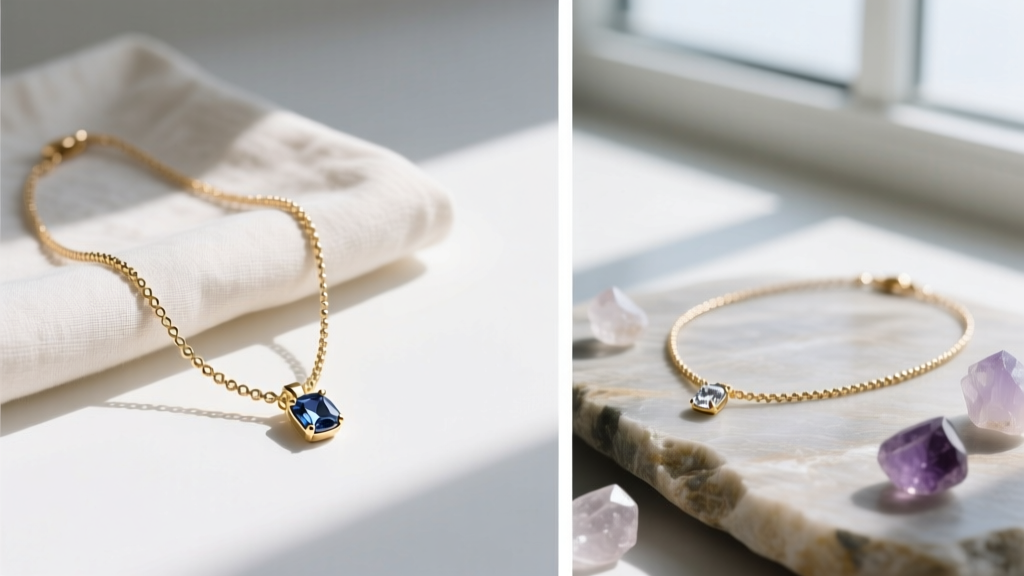
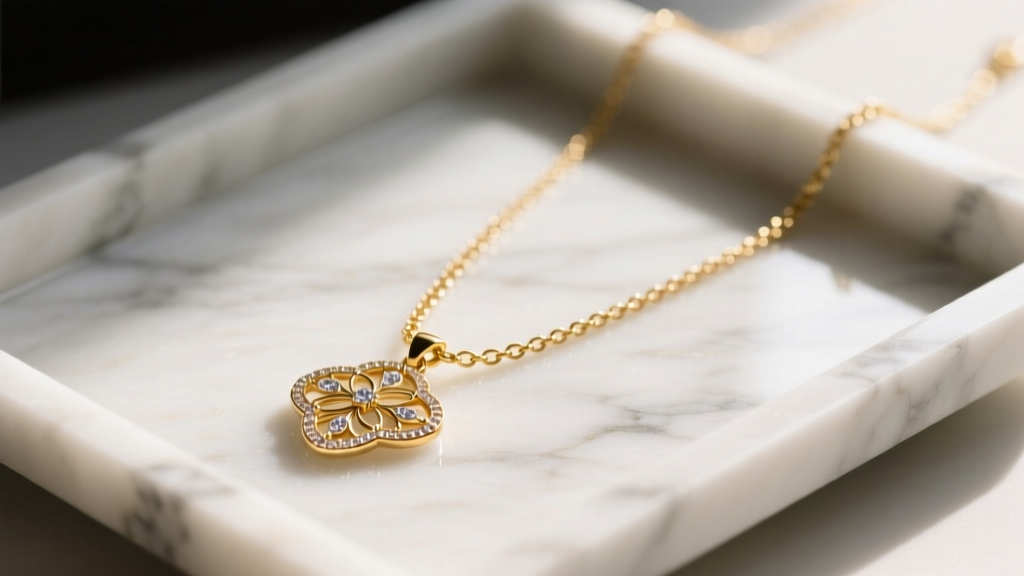
To properly care for the Miranda Frye Stephanie necklace, you must first understand its material composition. Miranda Frye is celebrated for bridging the gap between costume jewelry and fine jewelry, primarily utilizing 14k gold-filled chains and gold vermeil or heavily plated pendants, often accented with cubic zirconia (CZ) or freshwater pearls. The Stephanie necklace features a delicate, lightweight chain paired with a statement pendant that requires specific, non-abrasive maintenance to preserve its luster.
Unlike solid 14k gold, which can withstand harsh chemical dips and ultrasonic vibrations, gold-filled and vermeil pieces have a layered anatomy. According to the Federal Trade Commission (FTC) Jewelry Guides, gold-filled items must contain at least 5% gold by weight, mechanically bonded to a brass or copper core. Gold vermeil, conversely, consists of a sterling silver base plated with at least 2.5 microns of gold. Cleaning these pieces requires a nuanced approach to avoid stripping the outer gold layer or exposing the reactive base metals beneath.
| Component | Material Grade | Cleaning Tolerance | Primary Vulnerability |
|---|---|---|---|
| Chain | 14k Gold-Filled (Brass Core) | Moderate (Mild soap only) | Core oxidation if scratched |
| Pendant Base | Gold Vermeil (Sterling Silver) | Low (No friction/chemicals) | Silver sulfidation (tarnish) |
| Accent Stones | Cubic Zirconia / Pearl | High (CZ) / Very Low (Pearl) | Clouding from lotions/oils |
The Impact of Modern Skincare on Gold-Filled Jewelry
In 2026, the modern skincare routine is the number one enemy of layered gold jewelry. Active ingredients like retinoids, alpha-hydroxy acids (AHAs), and high-SPF mineral sunscreens create a highly reactive environment for gold vermeil. When the Stephanie necklace rests against skin coated in chemical exfoliants, the acidic pH accelerates the degradation of the gold plating on the pendant.
Furthermore, mineral sunscreens containing zinc oxide and titanium dioxide can leave a micro-film on cubic zirconia stones, drastically reducing their refractive index and making them appear cloudy or dull. To combat this, adopt the strict "Last On, First Off" rule. Your necklace should be the final accessory you put on after your skincare and makeup have fully absorbed and dried, and it must be the very first thing you remove when you begin your evening cleansing routine.
Step-by-Step Cleaning Protocol
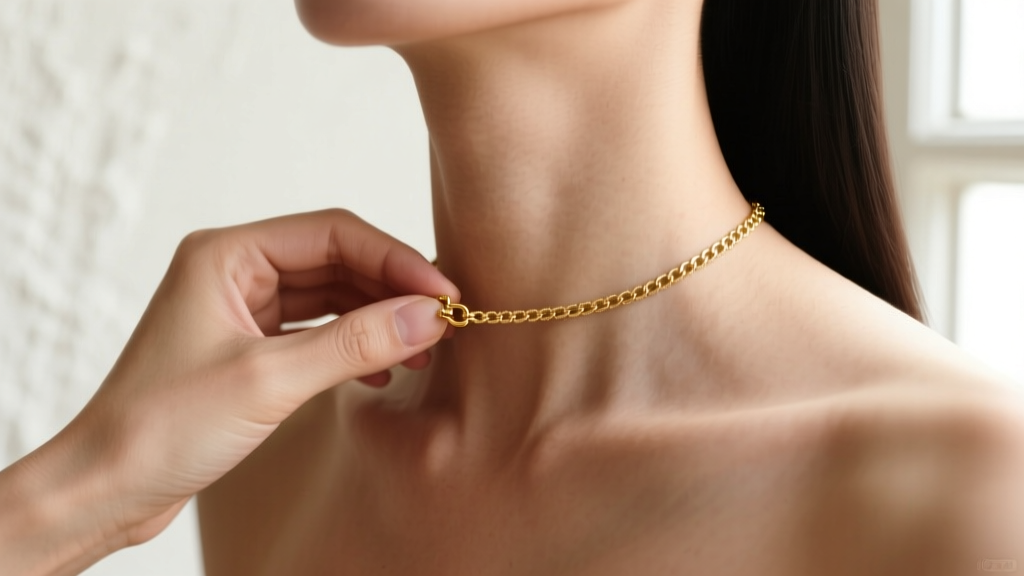
When the Stephanie necklace loses its shine due to natural skin oils and environmental dust, a gentle manual wash is the safest restoration method. Never use commercial silver dips, baking soda pastes, or ultrasonic cleaners, as these will instantly strip the vermeil plating from the pendant.
What You Will Need
- Lukewarm distilled water (tap water contains chlorine and minerals that cause spotting)
- pH-neutral, phosphate-free dish soap (e.g., Dawn Free & Clear)
- An ultra-soft baby toothbrush or a dedicated jewelry brush with microfiber bristles
- A lint-free microfiber polishing cloth
The Washing Technique
- Prepare the Bath: Mix two drops of the pH-neutral soap into a small bowl of lukewarm distilled water. Avoid hot water, which can weaken the mechanical bonds in gold-filled chains over time.
- Soak Briefly: Submerge the necklace for no more than 3 to 5 minutes. This loosens sebum and lotion buildup without saturating the metal.
- Gentle Agitation: Using the microfiber brush, lightly sweep the bristles over the cubic zirconia or gemstone accents. Do not scrub the gold vermeil pendant aggressively; let the soapy water do the heavy lifting.
- Rinse and Dry: Rinse under a gentle stream of distilled water. Immediately pat dry with the microfiber cloth. Ensure the lobster clasp and jump rings are completely dry, as trapped moisture here leads to localized rust and clasp stiffness.
Expert Insight: According to the Gemological Institute of America (GIA), cubic zirconia has a Mohs hardness of 8 to 8.5, making it highly scratch-resistant but prone to attracting grease. A quick wipe with a dedicated gemstone cloth after every wear will maintain its diamond-like brilliance without requiring frequent wet washing.
Advanced Tarnish Removal for the Vermeil Pendant
Because the pendant is likely crafted from gold vermeil (a sterling silver base), it is susceptible to tarnishing if the outer gold layer experiences micro-wear. Sterling silver reacts with sulfur in the air and hydrogen sulfide in sweat to form silver sulfide, which manifests as a dark, brassy, or reddish hue showing through the gold.
If you notice tarnish, do not use liquid silver polish. Instead, use a high-quality, untreated jeweler's polishing cloth (such as a Sunshine cloth). Gently buff the tarnished area using straight, linear motions rather than circular ones. Circular buffing can create micro-scratches that catch light poorly and accelerate future tarnishing. Stop polishing as soon as the tarnish lifts to avoid wearing through the 2.5-micron gold layer down to the raw silver.
Proper Storage: The Anti-Tarnish Environment
How you store the Miranda Frye Stephanie necklace when it is not being worn is just as critical as how you clean it. Leaving it exposed on a bathroom vanity or hanging on an open jewelry tree exposes it to high humidity and airborne aerosols, which are catalysts for oxidation.
The Ideal Storage Setup
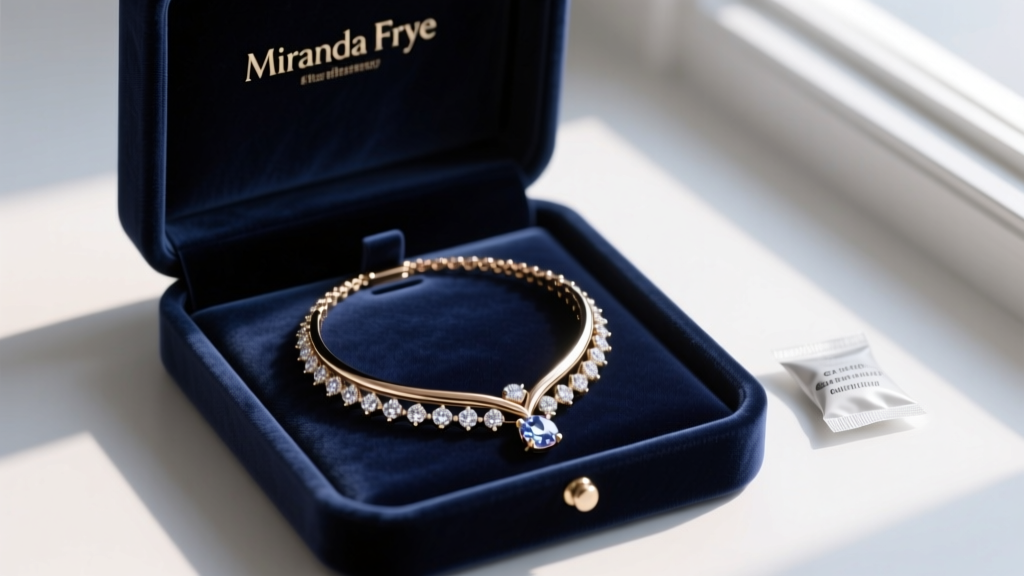
- Individual Pouches: Store the necklace in its original anti-tarnish flannel pouch or a sealed ziplock bag. This prevents the chain from tangling and stops the harder pendant from scratching the gold-filled links.
- Moisture Control: Drop a small, jewelry-safe silica gel packet into the storage bag or box to absorb ambient moisture.
- Anti-Tarnish Strips: For long-term storage (e.g., seasonal rotation), place a 3M anti-tarnish strip inside the jewelry box. These strips absorb sulfur compounds from the air, effectively halting the tarnishing process on the sterling silver base of the pendant.
Troubleshooting Common Wear-and-Tear Issues
Even with meticulous care, delicate necklaces experience mechanical wear. Here is how to address the most common issues specific to the Stephanie necklace's design:
1. Lobster Clasp Stiffness
The tiny spring mechanism inside a gold-filled lobster clasp can become stiff due to lotion buildup or microscopic debris. Do not use WD-40 or chemical lubricants. Instead, use a wooden toothpick to gently clear debris from the clasp hinge, and apply a microscopic drop of synthetic watch oil using a needle tip. Wipe away any excess immediately.
2. Chain Tangling and Kinking
Lightweight cable or cable-link chains are prone to kinking. If your chain tangles, lay it flat on a glass surface, apply a tiny drop of baby oil to the knot to reduce friction, and use two fine sewing needles to gently work the knot apart. Clean the chain with the mild soap protocol afterward to remove the oil.
3. Cloudy Accent Stones
If your CZ or gemstone accents remain cloudy after washing, the buildup is likely on the back of the stone (the pavilion), where skin oils and dead skin cells accumulate. Use a soft cotton swab dipped in isopropyl alcohol to carefully clean the underside of the stone setting, avoiding contact with the gold vermeil bezel or prongs, as alcohol can dry out and degrade certain plating sealants over time.
Final Thoughts on Longevity
The Miranda Frye Stephanie necklace is a beautiful, accessible luxury piece that punches well above its weight class in terms of design. However, its mixed-material construction demands a more thoughtful approach than solid gold. By respecting the chemical sensitivities of gold vermeil, minimizing friction on the gold-filled chain, and storing the piece in a controlled, low-humidity environment, you can easily extend the lifespan and brilliance of this necklace for years to come.


