The Signature Necklace Baseball Players Wear in 2026
Discover the exact necklace baseball players wear in 2026. We analyze diamond crosses, Cuban link specs, gold grades, and emerging MLB jewelry trends.

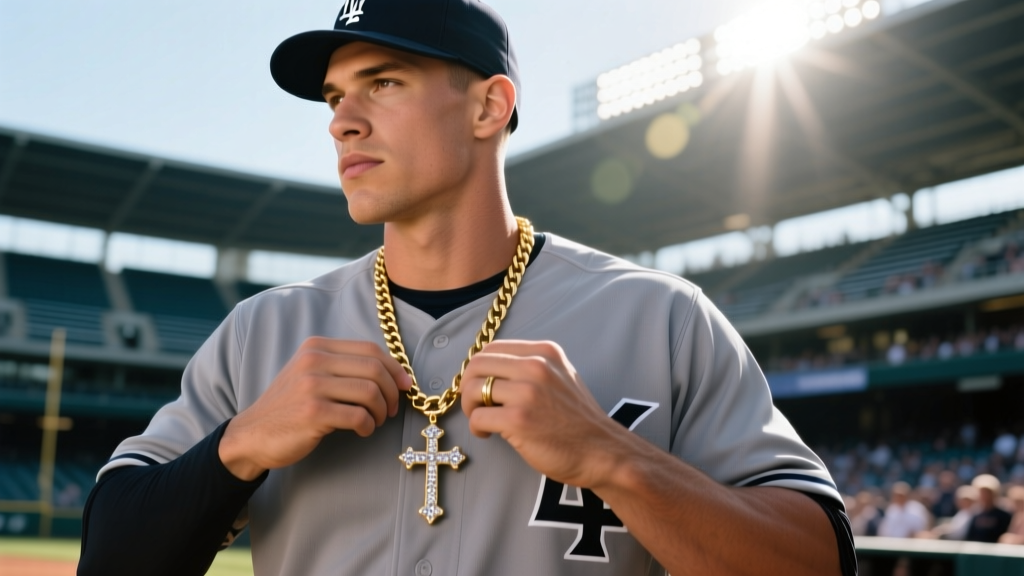
Baseball has long been a canvas for personal expression, but nowhere is this more evident than in the dugout and on the base paths. The intersection of sports culture and high-end jewelry has created a distinct aesthetic that transcends the diamond. When analyzing the signature necklace baseball players wear both during spring training and under the bright lights of the World Series, a clear hierarchy of materials, proportions, and styles emerges. In 2026, the trend has evolved from simple performance wear to highly customized, investment-grade pieces that reflect a player's career milestones and personal brand.
The Anatomy of the Classic MLB Diamond Cross
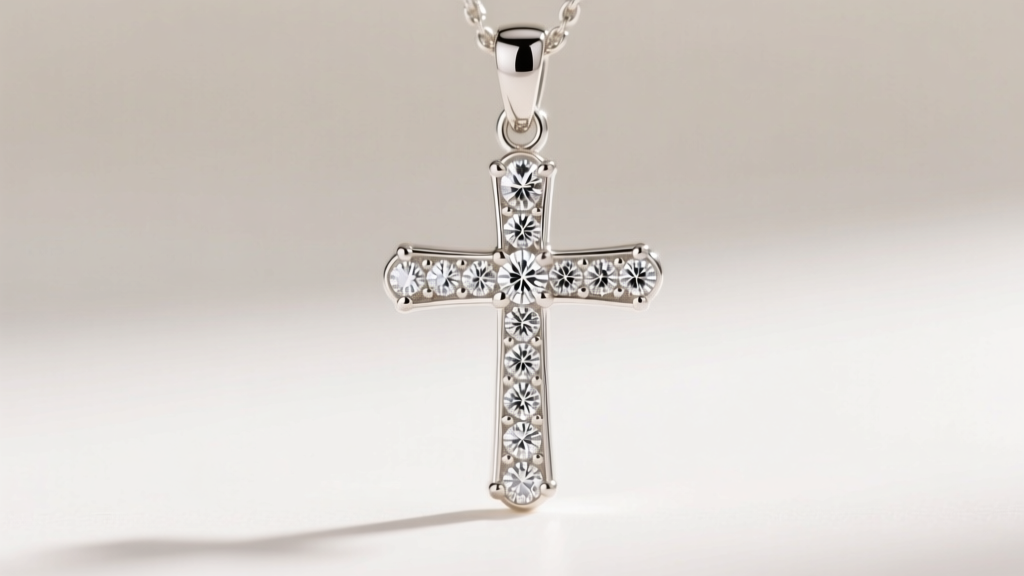
The undisputed centerpiece of MLB jewelry culture remains the diamond cross pendant, often referred to as the "Jesus Piece." However, the specifications of these pendants have become incredibly precise. Unlike standard retail crosses, professional athletes require pieces that maximize light return from the dugout to the camera lenses.
Diamond Grading and the "Stadium Sparkle"
Top-tier players typically opt for crosses ranging from 40mm to 65mm in height, featuring between 4.00 and 12.00 carats total weight (CTW). According to the Gemological Institute of America (GIA), the sweet spot for large athletic pendants is VS2 to SI1 clarity. Because the stones are generally under 0.15 carats each (melee diamonds), inclusions in the SI range are invisible to the naked eye, allowing players to maximize carat weight and surface coverage without paying the steep premium for VVS stones.
Furthermore, prong settings are heavily favored over bezel or pave settings for the main stones. Prongs allow maximum light exposure, creating the brilliant flash that reads well on high-definition broadcast cameras. Color grades usually sit in the G-H range, offering a near-colorless appearance that contrasts beautifully against the skin and uniform.
Chain Selection: Cuban Links vs. Rope Chains
A heavy pendant requires a structurally sound chain. The Cuban link chain remains the gold standard for MLB players due to its interlocking, flat-surfaced links that resist twisting and kinking during athletic movement. According to ESPN MLB style coverage, the shift toward heavier, wider chains has been a defining trend of the mid-2020s.
Technical Specifications of the Athlete's Chain
- Width: 10mm to 14mm is the standard for holding a 5-CTW cross. Widths exceeding 16mm are usually reserved for standalone statement pieces.
- Gold Purity: While 18k gold offers a richer yellow hue, 14k gold is heavily preferred by position players. The higher alloy content (copper and zinc) in 14k gold provides superior scratch resistance and tensile strength, crucial for players sliding into bases or engaging in gym workouts.
- Weight: A proper 12mm, 22-inch solid 14k Cuban link weighs between 140 and 180 grams, providing the necessary counterweight to keep a large pendant lying flat against the chest.
2026 Data Table: Chain Profiles by Player Archetype
| Player Archetype | Chain Style | Width & Length | Clasp Mechanism | Est. Price Range |
|---|---|---|---|---|
| The Rookies / Call-Ups | Hollow/P半-Solid Cuban | 8mm / 20-inch | Lobster Clasp | $2,500 - $4,500 |
| The Mid-Level Veteran | Solid 14k Rope Chain | 6mm / 22-inch | Box Clasp w/ Safety | $6,000 - $9,500 |
| The All-Star / Franchise Player | Solid 14k/18k Cuban Link | 12mm-14mm / 24-inch | Box Clasp w/ Figure-8 | $18,000 - $35,000+ |
The Clasp Mechanism: A Critical Failure Point
One of the most overlooked aspects of sports jewelry is the clasp. Standard lobster clasps are a liability for heavy chains; the internal spring mechanism can fail under the dynamic 180-gram weight of a solid gold chain during a sudden sprint. In 2026, elite jewelers exclusively fit MLB chains with box clasps featuring double figure-8 safety latches. The box clasp distributes the tension evenly across a wide tongue-and-groove joint, while the dual wire safeties ensure that even if the primary hinge is compromised by a stray bat or a slide into home plate, the chain remains secured around the neck.
2026 Trend Shift: Lab-Grown Diamonds and Bespoke Backplates
The most significant disruption in the necklace baseball players wear is the mass adoption of Lab-Grown Diamonds (LGDs). Rookies and minor-league prospects are now commissioning massive 8.00 CTW crosses using LGDs, achieving the exact visual impact of a $40,000 natural diamond piece for under $5,000. This financial efficiency allows younger players to participate in the culture without compromising their savings.

Additionally, 2026 has seen a surge in bespoke backplates. Rather than a flat gold backing, jewelers are CNC-milling the rear of the pendant with the player's career stats, draft year, or a personal mantra. This turns the piece into a private talisman that rests against the skin, adding a layer of sentimental value that goes beyond mere aesthetics.
Proportions and Fit: Sizing for the Athlete Build
Sizing a necklace for a professional athlete requires an understanding of biomechanics and anatomy. The average MLB player has a neck circumference ranging from 16.5 to 19 inches, significantly thicker than the standard 15-inch jewelry mannequin.
The Length Matrix
- 20-Inch Chains: On a player with an 18-inch neck, a 20-inch chain will sit like a choker, restricting movement and sitting too high for a pendant to rest properly on the sternum.
- 22-Inch Chains: The ideal length for most athletes. It provides a 4-inch drop, allowing the chain to clear the collarbone and the pendant to rest perfectly in the center of the chest, visible above the jersey neckline.
- 24-Inch to 26-Inch Chains: Reserved for layering or for players with exceptionally thick trapezius muscles (often powerlifters or heavy-set pitchers) to ensure the chain does not feel constrictive during deep breathing or exertion.
Conclusion
The jewelry worn by professional baseball players is far from arbitrary. It is a highly calculated blend of structural engineering, gemological strategy, and cultural signaling. From the figure-8 safety clasps to the SI1 melee diamonds optimized for stadium lighting, the modern MLB necklace is a masterclass in functional luxury. As lab-grown diamonds and bespoke engravings continue to reshape the market in 2026, the diamond cross remains an enduring symbol of resilience, faith, and success on the diamond.


