How to Style and Layer a Gold Mustard Seed Necklace
Learn how to style, layer, and care for a gold mustard seed necklace. Expert tips on chain pairings, neckline matching, and preserving the glass vial.

The Enduring Appeal of the Mustard Seed Pendant
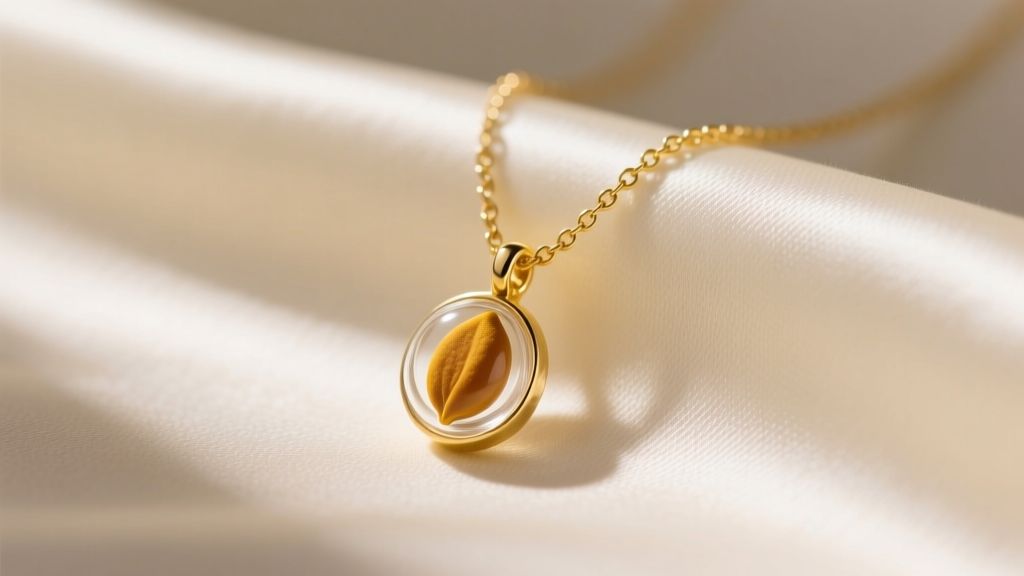
The gold mustard seed necklace occupies a unique space in modern jewelry, bridging the gap between profound personal symbolism and delicate botanical aesthetics. Historically rooted in the biblical parable of faith (Matthew 17:20), where a seed the size of a mustard seed can move mountains, this pendant has evolved into a staple of nature-inspired and meaningful jewelry. However, styling such a highly specific, focal-point piece requires an understanding of scale, proportion, and material science. Unlike a standard gold hoop or solitaire diamond, the mustard seed necklace features a three-dimensional encasement—usually glass or resin—that dictates how it interacts with light, clothing, and other jewelry in your stack.
In this comprehensive guide, we will break down the exact anatomy of a high-quality mustard seed pendant, provide a step-by-step framework for layering it without tangling, and outline the precise care protocols needed to protect both the precious metal and the fragile botanical element inside.
Anatomy of a Quality Gold Mustard Seed Pendant
Before you begin styling, it is crucial to understand the construction of your necklace. The market is flooded with mass-produced versions, but a piece meant for daily wear must meet specific metallurgical and structural standards.
The Encasement: Borosilicate Glass vs. Epoxy Resin
The seed itself (typically Sinapis alba or yellow mustard) is remarkably durable, but its housing is the vulnerability. High-end jewelers use borosilicate glass for the vial. Borosilicate glass contains boron trioxide, which gives it a very low coefficient of thermal expansion. This means it will not shatter if you step out of a hot shower into cold air. Conversely, cheaper pendants use standard soda-lime glass or cast epoxy resin. While resin is shatterproof, it is highly susceptible to UV degradation, turning yellow and cloudy after 12 to 18 months of direct sun exposure. Always opt for a borosilicate glass vial with a secure, threaded or friction-fit gold cap.
The Gold Bail and Chain Connection
The bail (the loop that connects the vial to the chain) takes the most mechanical stress. According to the Gemological Institute of America (GIA), 14k gold is generally preferred over 18k gold for structural components like bails and chain links because the higher alloy content (copper, silver, or zinc) increases tensile strength. A 14k solid gold bail will resist bending and snapping far better than a softer 18k or 22k alternative when supporting the weight of a glass vial.

Step-by-Step Guide to Layering Your Mustard Seed Necklace
Layering a three-dimensional pendant requires strict adherence to length spacing to prevent the glass vial from constantly striking other metal charms, which could cause micro-abrasions or shattering.
Step 1: Establish the Base Layer (14 to 16 Inches)
Start with a lightweight, flush-fitting chain. A 14-inch or 16-inch 14k gold cable or herringbone chain (under 2mm in width) sits securely on the collarbone. This layer provides a metallic foundation without competing for visual space. Avoid adding a pendant to this base layer; keep it bare to let the mustard seed remain the star of the stack.
Step 2: Position the Focal Point (18 Inches)
Your gold mustard seed necklace should sit precisely at the 18-inch mark. This length allows the glass vial to rest in the upper hollow of the décolletage, catching ambient light. Ensure the chain threading through the bail is no thicker than 2.5mm to allow the pendant to slide freely and self-center, rather than getting caught on a thick chain link.
Step 3: Anchor with a Secondary Pendant (22 to 24 Inches)
To balance the visual weight of the glass vial, add a longer, heavier anchor piece. A 22-inch or 24-inch solid gold figaro chain featuring a flat, heavy charm (like a gold coin, a signet drop, or a simple geometric bar) works best. The flat profile of the secondary pendant ensures it won't clack against the convex glass of the mustard seed vial when you move.
Chain Style Matrix: Pairing the Right Link with the Vial
The chain you choose drastically alters the aesthetic and physical security of the necklace. Below is a decision matrix to help you select the ideal chain for your gold mustard seed necklace.
| Chain Style | Recommended Width | Durability | Aesthetic Match |
|---|---|---|---|
| Cable Chain | 1.0mm - 1.5mm | Moderate | Classic, delicate, lets the seed vial be the sole focus. |
| Box Chain | 1.2mm - 2.0mm | High | Geometric and modern; excellent structural support for heavier glass vials. |
| Rope Chain | 1.5mm - 2.5mm | Very High | Textured and light-reflective; pairs beautifully with vintage or antique-style gold bails. |
| Snake Chain | 1.0mm - 1.5mm | Low (Prone to kinking) | Sleek and liquid-like, but risks permanent damage if the vial snags and pulls the chain. |
Neckline Pairings: A Styling Matrix
The spherical or cylindrical shape of a mustard seed vial interacts differently with various garment necklines. Follow these rules to ensure your necklace complements your outfit rather than getting lost in the fabric.
- The V-Neck: The natural geometry of a V-neck perfectly frames an 18-inch mustard seed pendant. The sharp angles of the clothing contrast beautifully with the rounded, organic shape of the glass vial.
- The Crew Neck: A standard crew neck sits right at the 15-inch mark. To avoid the pendant resting awkwardly on the fabric hem, you must either shorten the necklace to a 14-inch choker style or lengthen it to 20 inches so it rests entirely on the fabric of the shirt.
- The Scoop Neck: This wide, open neckline is the ideal canvas for the 3-step layering method outlined above, as it provides ample bare skin to showcase the varying lengths.
- The Button-Down Collar: Wear the mustard seed necklace at 16 inches, tucked just inside the unbuttoned collar. The gold bail will catch the light against the crisp cotton, offering a subtle, sophisticated flash of meaning.
Care and Maintenance: Preserving the Seed and Gold
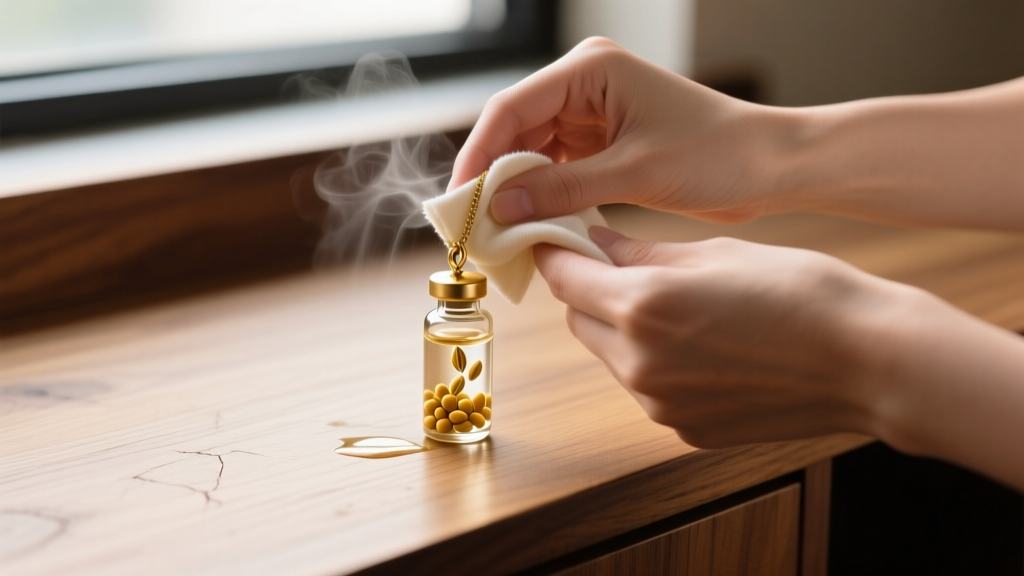
Cleaning a gold mustard seed necklace requires a departure from standard jewelry care routines. The presence of glass, potential resin seals, and organic matter means you must avoid harsh chemicals and aggressive vibrations.
The Danger of Ultrasonic Cleaners
Never place your mustard seed necklace in an ultrasonic jewelry cleaner. The high-frequency sound waves create microscopic cavitation bubbles that can easily shatter the borosilicate glass vial or compromise the waterproof seal at the gold cap. Furthermore, if the seed was preserved using a glycerin or resin bath inside the vial, ultrasonic vibrations can cause the internal fluid to cloud or separate.
Step-by-Step Cleaning Protocol
According to guidelines from Jewelers of America, gentle mechanical action is always preferred for delicate assemblies. Follow this routine every four to six weeks:
- Prepare a Mild Solution: Mix three drops of phosphate-free, ammonia-free dish soap into a bowl of lukewarm distilled water. Avoid tap water, as hard water minerals can leave a stubborn film on the glass vial.
- Soak Briefly: Submerge the gold chain and the pendant for no more than 3 minutes. Prolonged soaking can degrade the adhesive or friction seal holding the gold cap to the glass.
- Brush the Chain Only: Use an extra-soft baby toothbrush to gently scrub the gold chain and the bail. Do not scrub the glass vial with bristles, as trapped dust particles can cause micro-scratches on the glass surface.
- Wipe the Vial: Remove the necklace and gently wipe the glass vial with a damp, lint-free microfiber cloth. This will remove body oils and fingerprints, restoring the optical clarity needed to see the seed inside.
- Air Dry: Lay the necklace flat on a clean towel to air dry completely before storing. Storing a damp necklace can lead to oxidation of the alloy metals in the 14k gold bail.
Final Thoughts on Meaningful Styling
A gold mustard seed necklace is more than just an accessory; it is a tactile reminder of growth, faith, and potential. By treating it with the structural respect it deserves—choosing the right chain width, spacing your layers to protect the glass, and cleaning it with mindful precision—you ensure that this deeply personal piece remains a brilliant, intact part of your daily wardrobe for decades to come.


