MLP Necklace Collector Guide: Materials, Licensing & Value in 2026
An expert technical analysis of the MLP necklace market in 2026. We break down metal grades, enamel techniques, chain specs, and collector valuation.

The Evolution of MLP Jewelry: From Novelty to Fine Collectibles
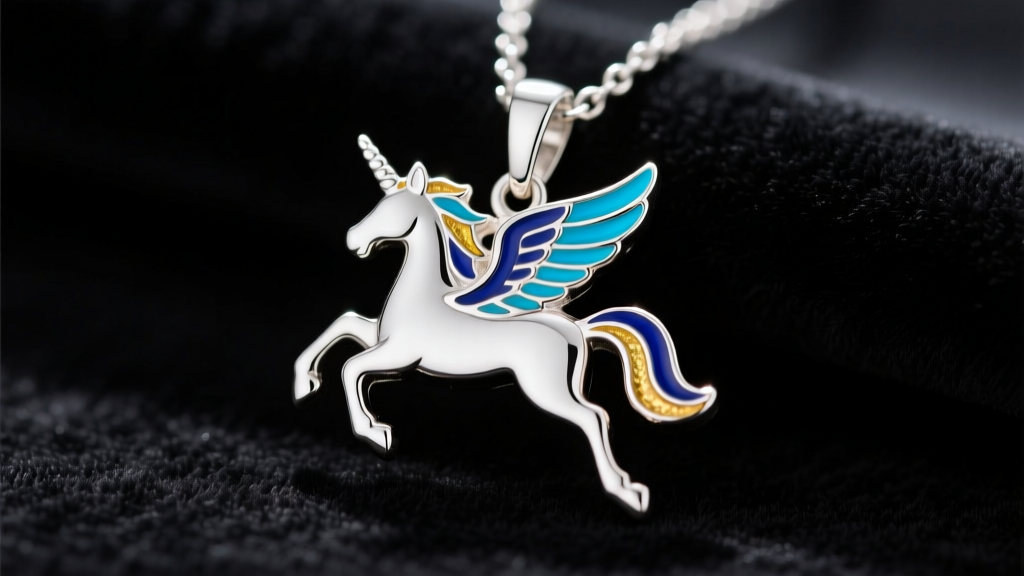
When evaluating the secondary and primary markets for pop culture jewelry, the mlp necklace category has undergone a radical metamorphosis. What began in the 1980s and early 2000s as injection-molded plastic trinkets bundled with toys has evolved into a highly specialized segment of licensed fine jewelry. In 2026, serious collectors and metallurgy enthusiasts recognize that high-end My Little Pony (MLP) pendants are no longer mere novelties; they are complex pieces of wearable art that require a deep understanding of material science, licensing tiers, and structural integrity.
This guide bypasses the superficial aesthetic reviews and dives straight into the technical specifications, material grades, and failure modes of MLP necklaces available on the market today. Whether you are assessing a mass-market zinc alloy piece or a limited-run artisan sterling silver pendant, understanding the underlying engineering is critical for authentication and long-term value retention.
Metallurgical Breakdown: Base Metals and Plating Standards
The foundation of any pendant dictates its longevity, weight, and susceptibility to galvanic corrosion. The MLP jewelry market is strictly bifurcated into two metallurgical camps: die-cast base metals and precious metal alloys.
Zamak Alloys vs. 925 Sterling Silver
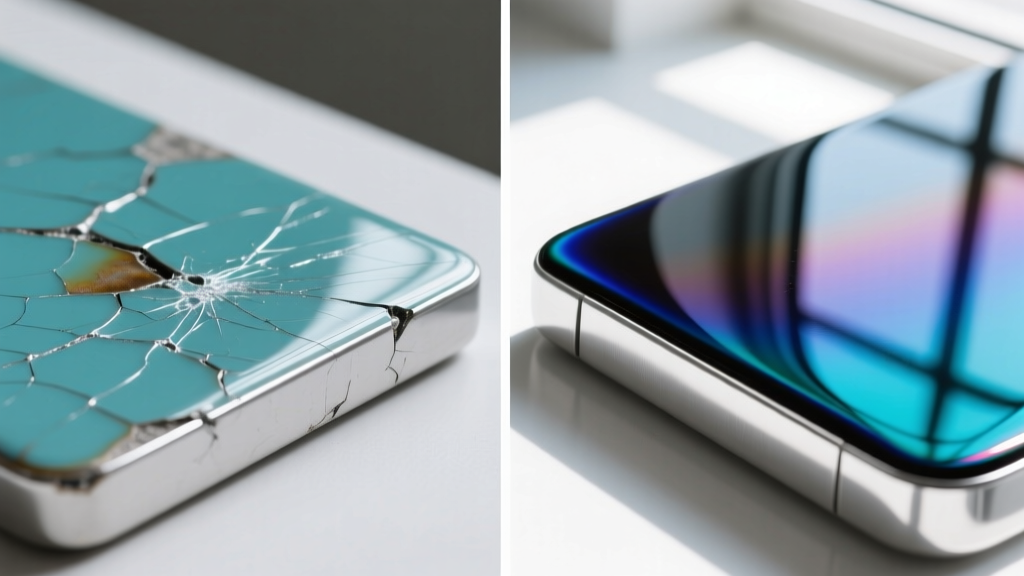
Mass-market MLP necklaces (typically priced between $15 and $40) are almost exclusively cast from Zamak, a zinc alloy containing aluminum, magnesium, and copper. While Zamak is excellent for capturing intricate, three-dimensional character silhouettes via die-casting, it is inherently porous. To prevent oxidation, these pieces require a copper strike underlayer before receiving a flash plating of silver or gold. The failure mode here is predictable: once the flash plating (often less than 0.2 microns thick) wears through, the acidic pH of human sweat accelerates the dezincification of the Zamak base, leading to irreversible pitting and a chalky white residue.
Conversely, premium licensed pieces utilize 925 Sterling Silver (92.5% pure silver, 7.5% copper). Sterling silver provides superior tensile strength and can be polished indefinitely without losing its core color. High-end manufacturers often apply a rhodium flash over the silver to prevent silver sulfide tarnishing, a common issue in humid environments.
Plating Thickness and FTC Vermeil Standards
For collectors seeking gold-toned MLP necklaces, distinguishing between gold-plated and gold vermeil is a matter of federal compliance. According to the FTC Jewelry Guides, a piece can only be legally marketed as "vermeil" if it consists of a sterling silver base coated with gold of at least 10k fineness, with a minimum thickness of 2.5 microns. Premium licensors like RockLove Jewelry adhere strictly to these parameters, ensuring their 14k or 18k gold vermeil MLP pendants resist wear-through for years, whereas sub-micron gold-plated brass alternatives will expose the base metal within months of daily friction.
Enamel Techniques: Epoxy Resin vs. Vitreous Enamel
The vibrant cutie marks and character motifs central to MLP designs rely heavily on enamelwork. However, the term "enamel" is frequently misused in e-commerce listings. There is a vast chemical and physical divide between cold and hot enameling.
| Feature | Cold Enamel (Epoxy Resin) | Hot Enamel (Vitreous / Kiln-Fired) |
|---|---|---|
| Composition | Synthetic polymer / two-part epoxy | Pulverized silica glass with metallic oxides |
| Application | Dispensed via syringe, air-cured | Packed into cells, fired at 1400°F (760°C) |
| Mohs Hardness | 2.0 - 3.0 (Scratches easily) | 5.0 - 6.0 (Highly scratch resistant) |
| UV Stability | Prone to yellowing over 2-3 years | 100% UV stable; color never fades |
| Market Tier | Mass-market, novelty, fast fashion | Fine jewelry, artisan, premium licensed |
When inspecting a high-value MLP necklace, look for the meniscus effect. Vitreous enamel naturally pulls away from the metal cell walls slightly during the cooling phase, creating a microscopic concave curve. Epoxy resin, due to its surface tension and shrinkage properties during the curing process, often sits perfectly flat or slightly domed. Furthermore, cold enamel will feel warm and slightly soft to a needle test, whereas vitreous enamel will feel identical to glass.
Chain Specifications: Gauge, Links, and Hardware
A pendant is only as secure as the chain and hardware supporting it. In the technical assessment of MLP necklaces, the suspension system reveals the manufacturer's true cost-cutting measures.
- Chain Type: Mass-market pieces utilize standard 1.2mm cable chains. While flexible, the oval links are prone to catching on textiles and warping. Premium pieces employ 1.5mm to 2.0mm Rolo chains, characterized by uniform, round links that offer superior tensile strength and a heavier, more luxurious drape.
- Jump Rings: The jump ring connecting the pendant bail to the chain is the primary failure point. Budget necklaces use 18-gauge (1.0mm) open jump rings that easily pull apart under a 3-pound load. Expert collectors look for 14-gauge (1.6mm) soldered jump rings, which are fused shut with a laser or torch, making them mechanically impossible to pull open without cutting the metal.
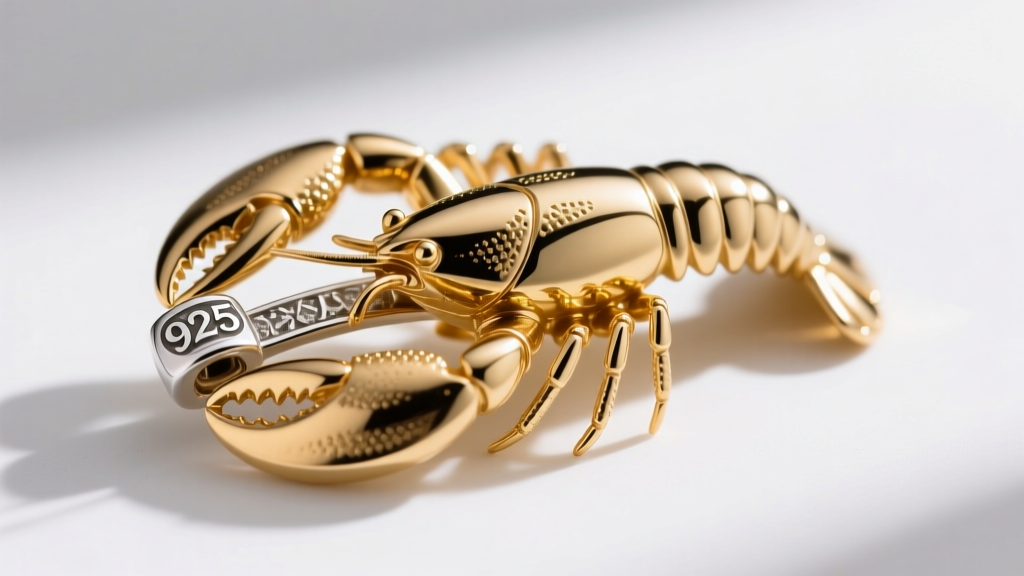
- Clasp Hardware: Standard spring-ring clasps are notorious for internal spring failure. High-end MLP necklaces feature 10mm or 12mm lobster claw clasps with reinforced levers and heavy-duty tension springs, often stamped with the 925 hallmark directly on the clasp body.
Authenticating Licensed Pieces vs. Counterfeits
The secondary market is saturated with unauthorized 3D-printed and cast replicas. Authenticating a genuine licensed MLP necklace requires examining the hallmarks and packaging.
Expert Tip: Authentic licensed jewelry will always feature a microscopic copyright stamp, typically reading "© Hasbro" or "© Hasbro Studios," integrated directly into the metal mold of the pendant's reverse side or the bail. Counterfeiters using 3D resin printing often lose this sub-millimeter text during the molding process, leaving the back completely smooth or featuring a blurred, illegible stamp.
Additionally, official licensors mandate specific packaging standards, including anti-tarnish treated polybags and FSC-certified backing cards featuring exact Pantone color matches for the character branding. If the backing card features slightly off-register CMYK printing or lacks a scannable, brand-verified UPC, the piece is likely an unauthorized reproduction.
2026 Market Valuation and Pricing Tiers
Understanding the financial landscape of the MLP necklace market requires segmenting the pieces by their manufacturing origin and material scarcity.
| Tier | Material Profile | Retail Price Range | Secondary Market Retention |
|---|---|---|---|
| Mass Market | Zamak base, epoxy resin, flash plating | $15 - $45 | Low (10% - 20% of retail) |
| Mid-Tier Licensed | Brass base, cold enamel, 1-micron gold plate | $50 - $95 | Medium (40% - 60% of retail) |
| Fine / Artisan | 925 Silver / Vermeil, vitreous enamel, gemstones | $120 - $350+ | High (80% - 150% for retired designs) |
Care and Maintenance for Enamel Pendants
Proper maintenance is highly dependent on the enamel type identified during your initial inspection. Never place an epoxy resin (cold enamel) MLP necklace in an ultrasonic cleaner. The high-frequency cavitation bubbles will penetrate the microscopic gaps between the resin and the metal cell walls, causing the enamel to pop out entirely. Furthermore, ultrasonic heat will soften the epoxy, leaving it permanently cloudy.
For vitreous enamel pieces, ultrasonic cleaning is generally safe, but a gentler approach is recommended to preserve the rhodium plating on the silver base. Use a few drops of pH-neutral dish soap in lukewarm water, agitate gently with a soft-bristled baby toothbrush, and dry immediately with a microfiber cloth. Store all MLP pendants in individual anti-tarnish flannel pouches to prevent the silver chains from micro-scratching the enamel surfaces of adjacent pieces during transit.


