Mood Changing Necklace Trends: 2026 Style & Science
Discover how the mood changing necklace evolved from Y2K nostalgia to 2026 high fashion. Explore thermochromic science, styling tips, and buying guides.

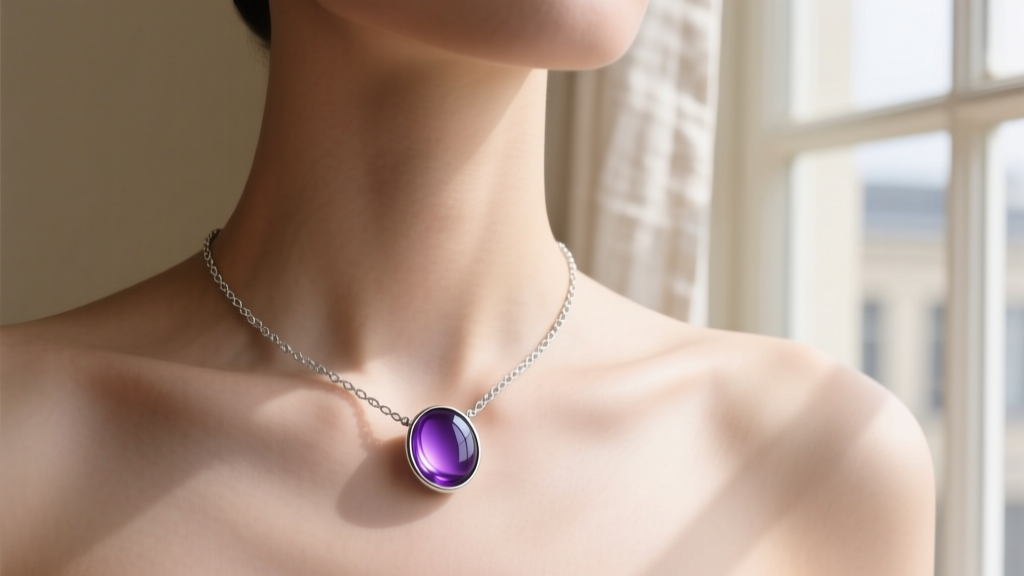
The Resurgence of Thermochromic Jewelry in 2026
Once relegated to the glass counters of 1990s mall kiosks and early Y2K novelty shops, the mood changing necklace has undergone a radical high-fashion renaissance. In 2026, this nostalgic staple is no longer just a gimmick; it is a celebrated intersection of wearable science and minimalist design. Driven by a cultural fascination with 'stealth wealth' and bio-responsive accessories, contemporary jewelers are elevating the thermochromic pendant from a child's toy to a sophisticated statement piece. Today's iterations feature precision-cut glass cabochons, hypoallergenic precious metal bezels, and advanced chemical formulations that offer a more nuanced, gradual color spectrum than their predecessors.
The modern revival is heavily influenced by the intersection of tech-wear and organic aesthetics. As consumers seek jewelry that feels alive and responsive to their environment, the mood changing necklace satisfies the desire for interactive adornment. According to trend forecasts highlighted by Vogue Fashion, bio-mimetic and reactive accessories are dominating the 2026 runway scene, proving that emotional resonance in jewelry is highly marketable when executed with luxury-grade materials.
The Science: How a Mood Changing Necklace Actually Works
To truly appreciate the modern mood pendant, one must understand the chemistry occurring just millimeters from the skin. The term 'mood' is a marketing invention; the necklace is actually measuring peripheral skin temperature, which fluctuates based on blood flow, ambient temperature, and physiological arousal. The color-shifting magic relies on one of two primary technologies: cholesteric liquid crystals or thermochromic leuco dyes.
Cholesteric Liquid Crystals vs. Leuco Dyes
High-end, vintage, or scientifically calibrated mood jewelry often utilizes cholesteric liquid crystals. These molecules are arranged in a helical structure that reflects specific wavelengths of light. As the temperature changes, the pitch of the helix expands or contracts, shifting the reflected color seamlessly across the visible spectrum. This creates the smooth, iridescent transitions prized by collectors.
Conversely, the vast majority of modern, mass-market mood changing necklaces use thermochromic leuco dyes. These are organic molecules encapsulated in microscopic polymer shells suspended within an epoxy resin or solvent. When heated, the molecular structure of the dye alters, changing how it absorbs light. While leuco dyes are more durable and cost-effective, they tend to shift between distinct color blocks rather than offering a continuous rainbow spectrum. For a deeper dive into the molecular behavior of these compounds, the GIA Gem Encyclopedia provides excellent foundational knowledge on how optical phenomena interact with gemological materials.
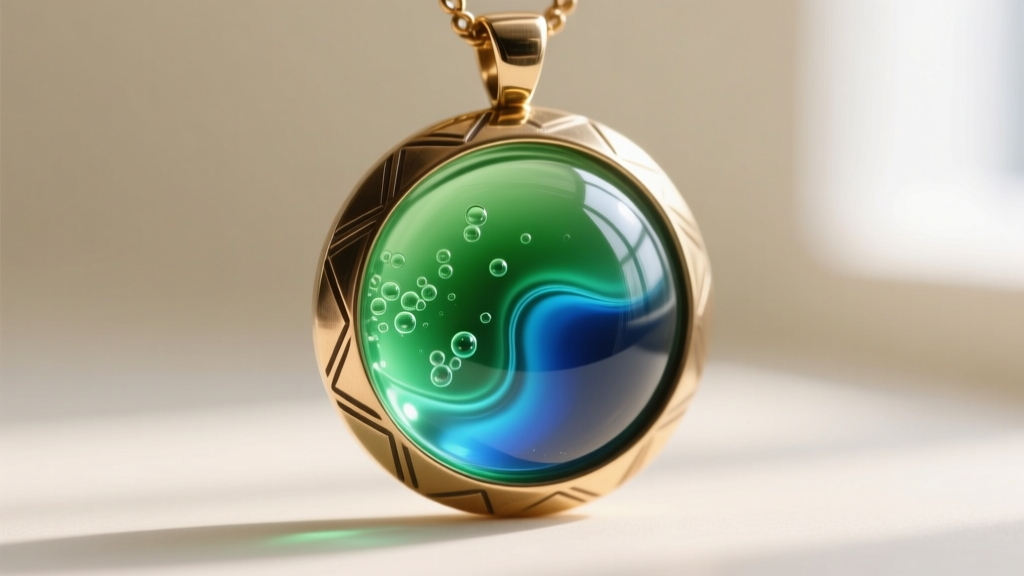
Temperature-to-Color Mapping Chart
While every manufacturer calibrates their dyes slightly differently, the industry standard for 2026 thermochromic pendants generally follows this thermal mapping. Note that the 'mood' associations are purely pseudoscientific folklore, but they remain a beloved part of the accessory's charm.
| Temperature Range | Displayed Color | Folklore 'Mood' | Scientific Reality (Physiological State) |
|---|---|---|---|
| Below 70°F (21°C) | Black / Dark Brown | Stressed, Anxious, Cold | Vasoconstriction; blood moves to core to preserve heat. |
| 72°F - 76°F (22°C - 24°C) | Emerald Green | Calm, Average, Relaxed | Normal peripheral circulation; baseline resting state. |
| 78°F - 82°F (25°C - 27°C) | Ocean Blue / Teal | Happy, Romantic, Warm | Mild vasodilation; increased blood flow to skin surface. |
| 84°F - 88°F (28°C - 31°C) | Deep Violet / Indigo | Passionate, Excited, Hot | Significant vasodilation; skin flushing due to heat or arousal. |
| Above 90°F (32°C) | Clear / Amber | Overjoyed, Overheated | Maximum peripheral heat; dye reaches its upper clearing point. |
Material Safety and Encapsulation Grades
Because a mood changing necklace rests directly against the sternum—an area prone to perspiration and heat trapping—material safety is paramount. The cheapest pendants use zinc alloy or brass bezels plated with thin nickel. In 2026, dermatologists strongly advise against these, as the combination of sweat, heat, and nickel exposure is a primary trigger for contact dermatitis.
When investing in a quality piece, look for bezels crafted from 316L surgical stainless steel, 14k/18k solid gold, or 925 sterling silver. These metals are highly resistant to corrosion and hypoallergenic. Furthermore, pay close attention to the encapsulation of the thermochromic element. Epoxy resin is common, but it is porous and susceptible to UV degradation. Prolonged exposure to direct sunlight will permanently 'burn' the leuco dyes, locking the pendant in a permanent yellow or clear state. Premium 2026 designs utilize UV-inhibiting glass cabochons or hermetically sealed quartz domes to protect the reactive chemicals beneath, ensuring the necklace retains its color-shifting properties for years.
2026 Styling: Elevating the Mood Pendant
The key to wearing a mood changing necklace in 2026 is to treat it as a focal point of bio-responsive art rather than a novelty item. The chunky, plastic bezels of the past have been replaced by sleek, knife-edge silver and gold settings that pair beautifully with contemporary wardrobes.
The Layering 'Sandwich' Technique
To integrate a mood pendant into a modern jewelry stack, utilize the sandwich layering method. Start with a delicate 14-inch or 16-inch metal choker (such as a 1.5mm box chain) to frame the collarbone. Next, add your mood changing necklace on a 20-inch or 22-inch chain, allowing the pendant to rest on the upper sternum where skin temperature is most reactive. Finally, anchor the stack with a 24-inch heavy rope chain or a lariat necklace. This creates a cascading visual effect that draws the eye downward and allows the mood stone to interact with varying light angles.
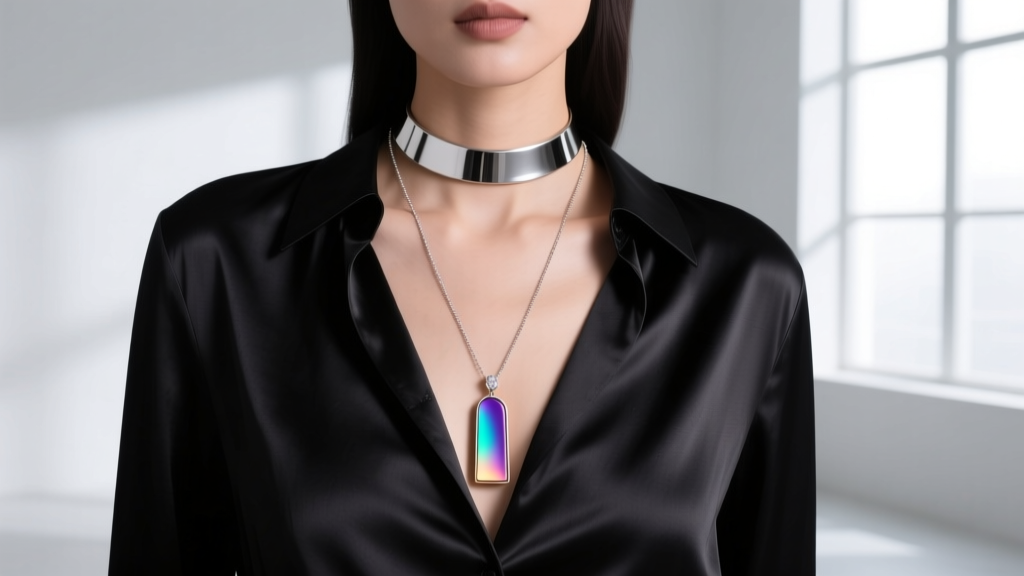
Neckline Pairings
- Scoop and V-Necks: Ideal for medium-length (18-inch) mood pendants. The bare skin provides the necessary thermal contact, while the neckline frames the color shifts perfectly.
- Turtlenecks and High Collars: Avoid wearing the pendant over thick fabrics. The insulating properties of wool or heavy cotton will block the transfer of body heat, leaving the stone stuck in a dormant black or brown state. If wearing a high collar, opt for a choker-style mood necklace that rests above the fabric line.
- Evening Silk and Satin: Dark, solid-colored backgrounds (like a deep emerald silk blouse or a midnight blue slip dress) provide the highest contrast, making the subtle shifts from teal to violet visually striking.
Buying Guide: What to Look For
When shopping for a premium mood changing necklace, use this checklist to ensure you are getting a piece that combines aesthetic longevity with safe materials:
- Verify the Metal Stamp: Look for '925', '316L', or karat markings. Avoid anything labeled simply as 'alloy' or 'Tibetan silver'.
- Check the Dome Material: Tap the stone lightly. If it sounds like plastic, it is likely uncoated resin prone to UV damage. Seek out glass or quartz domes.
- Test the Reversibility: Hold the pendant between your palms to warm it, then place it on a cold surface (like a marble counter or glass window). A high-quality leuco dye or liquid crystal matrix should revert to its base color within 15 to 30 seconds without becoming cloudy.
- Inspect the Bail: Ensure the loop connecting the pendant to the chain is soldered shut or features a secure click-lock mechanism to prevent the loss of the piece during active wear.
Conclusion
The mood changing necklace has successfully transcended its novelty origins to claim a rightful place in the 2026 contemporary jewelry landscape. By understanding the thermochromic science, prioritizing hypoallergenic metals, and employing strategic layering techniques, you can transform this reactive accessory into a deeply personal, ever-evolving cornerstone of your daily style. Whether it shifts to a calm emerald green during a quiet morning or flashes a passionate violet during a night out, the modern mood pendant remains a beautiful, wearable reflection of your physical world.


