Mood Necklace Color Meaning Chart: Science, Colors & Care
Discover the real science behind our mood necklace color meaning chart. Learn how thermochromic crystals work, decode colors, and protect your jewelry.

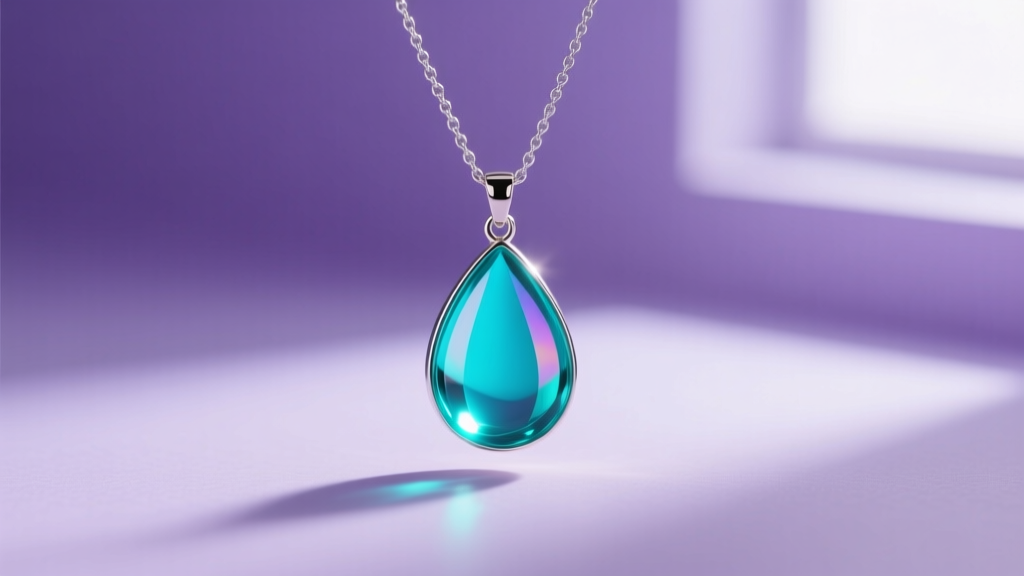
Decoding the Magic: What is a Mood Necklace?
For decades, the mood necklace has captivated jewelry lovers with its seemingly magical ability to shift colors throughout the day. But before we dive into the ultimate mood necklace color meaning chart, it is essential to separate scientific fact from marketing fiction. Your pendant is not a telepathic device reading your emotional state; rather, it is a highly sensitive, wearable thermometer.
At the core of every mood pendant is a layer of thermochromic liquid crystals (TLCs). These microscopic molecules are encased within a glass or quartz cabochon and sealed with an epoxy resin. As your skin temperature fluctuates, the physical structure of these crystals twists and untwists, altering the way they reflect light. This phenomenon, known in physics as Bragg reflection, is what produces the mesmerizing spectrum of colors you see against your collarbone.
The Real Science of Thermochromic Liquid Crystals
To truly understand your jewelry, you must look at the chemistry. The liquid crystals used in modern mood necklaces are typically cholesteric (chiral nematic) liquid crystals. According to Compound Interest, these molecules are arranged in a helical, spiral-like structure.
When your body temperature drops—perhaps due to a cold environment or restricted blood flow from stress—the helical structure tightens. This tighter pitch absorbs longer wavelengths of light and reflects shorter ones, resulting in darker colors like deep blue, violet, or black. Conversely, when you are warm, relaxed, or physically active, increased blood flow to the skin's surface warms the pendant. The crystals expand, the helix loosens, and the pendant reflects longer wavelengths, shifting into vibrant greens, yellows, and oranges. Modern 2026 manufacturing techniques have vastly improved the UV-stability of these crystals compared to the fragile versions sold in the 1970s, though they still require careful maintenance.
The Ultimate Mood Necklace Color Meaning Chart
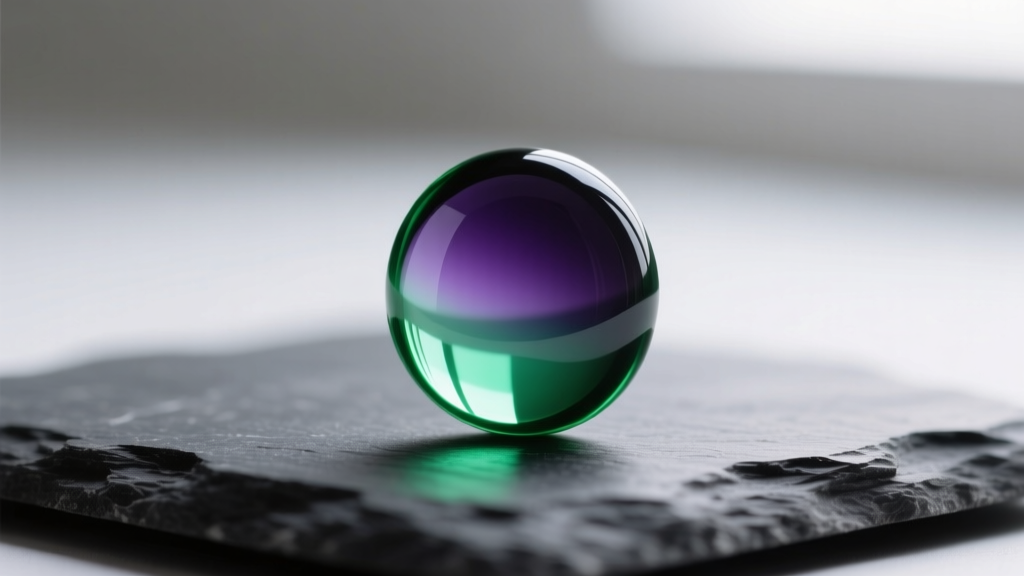
While the original 1970s marketing campaigns assigned specific emotions to every hue, modern wearers use this chart as a fun, bio-feedback tool to gauge their peripheral circulation and physical comfort. Below is the comprehensive guide to decoding your pendant's shifts.
| Display Color | Approx. Surface Temp | Traditional 'Mood' | Physiological Reality |
|---|---|---|---|
| Black / Dark Grey | Below 22°C (72°F) | Stressed, Anxious, Cold | Poor peripheral circulation; cold environment; pendant is damaged/waterlogged. |
| Deep Blue / Violet | 22°C - 25°C (72°F - 77°F) | Calm, Relaxed, Pensive | Normal resting skin temperature in a cool or air-conditioned room. |
| Teal / Green-Blue | 26°C - 28°C (79°F - 82°F) | Happy, Balanced, Content | Ideal baseline skin temperature; good circulation and moderate ambient warmth. |
| Bright Green | 28°C - 30°C (82°F - 86°F) | Active, Energized | Mild physical activity, warmth from holding the pendant, or a warm room. |
| Yellow / Amber | 30°C - 32°C (86°F - 90°F) | Excited, Nervous, Mixed | Elevated skin temperature; physical exertion, hot weather, or direct sunlight. |
| Orange / Red | Above 32°C (90°F) | Passionate, Overwhelmed | High localized heat; usually occurs only if the pendant is held tightly in a warm palm. |
Chain Length Dynamics: How Placement Affects Color
A frequently overlooked variable in reading your mood necklace color meaning chart is the length of your chain. The pendant's proximity to your core pulse points drastically alters its baseline temperature.
- Choker Length (14-16 inches): Sits high on the neck, directly over the jugular and carotid arteries. This area is highly vascular and retains core body heat. Expect your pendant to read 'warmer' (greens and yellows) more frequently.
- Princess Length (18 inches): Rests on the collarbone. This is the standard baseline for most mood jewelry calibration, offering a balanced reflection of ambient room temperature and surface skin heat.
- Matinee Length (20-24 inches): Drops to the upper chest. Because this area is further from the neck's primary pulse points and often exposed to drafts, the pendant may lean toward cooler colors (blues and violets) unless worn over a thick, insulating garment.
Troubleshooting: Why Did My Pendant Turn Black?
The most common complaint among beginners is a pendant that turns pitch black and refuses to change color. According to materials scientists featured in Scientific American, this is rarely an emotional indicator and almost always a structural failure.
1. The Water Damage Breach
Mood crystals are highly susceptible to moisture. If the epoxy resin seal around the glass cabochon is compromised—even by a microscopic hairline fracture—water will seep in via capillary action. Once water touches the liquid crystal layer, it disrupts the helical structure permanently. The pendant will remain black and cannot be repaired. Always remove your necklace before showering, swimming, or washing dishes.
2. UV Degradation
Prolonged exposure to direct, harsh ultraviolet sunlight can break down the conjugated double bonds within the thermochromic molecules. If you leave your necklace on a sunny dashboard or windowsill for weeks, the crystals will 'burn out,' losing their ability to reflect light and defaulting to a dark, muddy brown or black. Store your jewelry in a dark pouch or drawer when not in use.
Material Grades: Base Metals vs. Sterling Silver
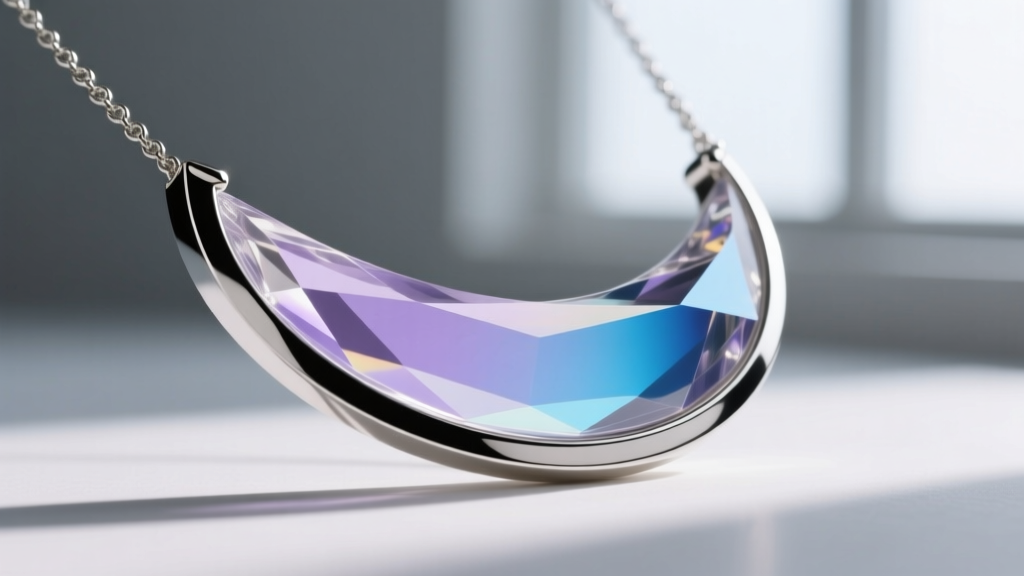
The metal casing holding the thermochromic cabochon is just as important as the crystals inside. When shopping for a mood necklace, pay close attention to the metallurgy to avoid skin irritation and premature tarnishing.
Expert Tip: If your skin turns green beneath the pendant, you are wearing a base metal alloy (usually zinc, copper, and nickel). The copper reacts with the natural acidity and salts in your sweat, creating copper chloride. This is harmless but unsightly.
For daily wear, seek out pendants set in 925 Sterling Silver or 316L Surgical Stainless Steel. Sterling silver offers excellent thermal conductivity, allowing your skin's heat to transfer rapidly through the metal bezel and into the liquid crystals for faster, more accurate color shifts. Surgical steel is highly hypoallergenic and resistant to corrosion, making it the superior choice for those with sensitive skin or nickel allergies, though it transfers heat slightly slower than silver.
Final Thoughts on Wearable Thermodynamics
Understanding the true mechanics behind your jewelry transforms it from a novelty toy into a fascinating piece of wearable science. By referencing this mood necklace color meaning chart, you can appreciate the intricate dance of light, temperature, and chemistry resting against your skin. Treat your thermochromic crystals with care—keep them dry, shield them from intense UV rays, and choose high-quality metal settings—and your pendant will provide a vibrant, shifting display of bio-feedback for years to come.


