Expert Guide to Buying an Authentic Antique Perfume Necklace
Discover what to look for when buying an antique perfume necklace. Learn to evaluate seals, hallmarks, eras, and pricing for vintage scent lockets.

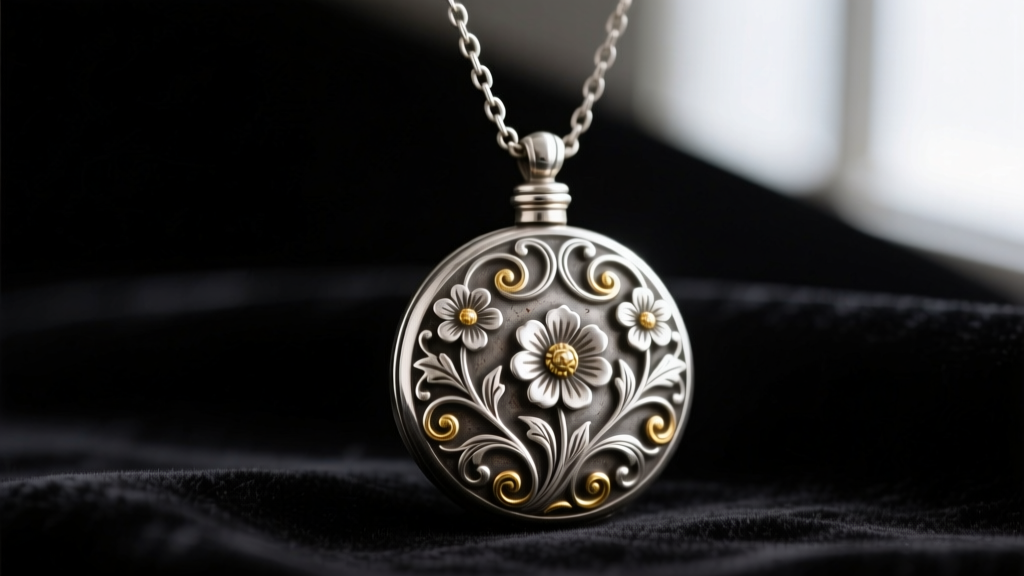
The allure of an antique perfume necklace lies in its dual nature: it is both a masterclass in historical metalwork and an intimately personal, functional artifact. Unlike modern diffuser pendants or mass-produced locket necklaces, antique scent lockets were engineered with precision mechanisms designed to hold precious liquids, solid waxes, or botanical pastes. However, navigating the secondary market for these wearable antiques requires a discerning eye. Mislabeling, compromised seals, and inappropriate restorations are rampant in online estate sales and auction houses.
This comprehensive buying guide will equip you with the horological and gemological frameworks needed to authenticate, evaluate, and safely wear an antique perfume pendant in 2026. Whether you are hunting for a Victorian silver vinaigrette or an Art Deco guilloché enamel locket, understanding the structural integrity and historical context of these pieces is paramount.
Vinaigrette vs. Perfume Locket: Clearing Up Historical Misconceptions
Before evaluating a piece, it is critical to distinguish between a true perfume locket and an antique vinaigrette. Many online sellers use the terms interchangeably, but their internal architectures are entirely different.
- Antique Vinaigrettes (18th–Late 19th Century): These were designed to hold smelling salts—typically a sponge soaked in vinegar, ammonia, or aromatic spirits—used to revive individuals feeling faint or to mask foul street odors. The defining feature of a vinaigrette is a pierced inner grille (often intricately cut with floral or geometric motifs) that sits just beneath the outer lid, allowing vapors to escape without exposing the soaked sponge.
- Perfume Lockets and Scent Pendants (Mid-19th Century–1930s): Designed specifically for personal fragrances, these feature a solid, sealed inner chamber. High-end examples include a removable, hand-blown glass vial or a threaded screw-cap lined with cork or shellac to prevent liquid evaporation.
Buyer's Tip: If you are looking to hold liquid perfume, avoid vinaigrettes. The pierced grille will cause rapid evaporation, and the historical sponges often leave behind acidic residues that can corrode the interior silver or gold plating over time.
Key Eras and Design Characteristics to Evaluate
The aesthetic and structural qualities of an antique perfume necklace are heavily dictated by its era. According to the Lang Antiques' Antique Jewelry University, identifying the correct period is the first step in establishing a baseline for authenticity and fair market value.
Victorian Repoussé and Etruscan Revival (1837–1901)
Victorian scent lockets are characterized by heavy gauge sterling silver or 9k/15k gold. Look for repoussé work (a metalworking technique where the design is hammered from the reverse side to create a raised relief). Floral motifs, Etruscan revival granulation, and seed pearl accents are common. The chains from this era are often hand-forged curb or belcher links, which should show slight irregularities under a loupe—perfect uniformity suggests a modern reproduction.
Edwardian Filigree and Art Deco Guilloché (1901–1930s)
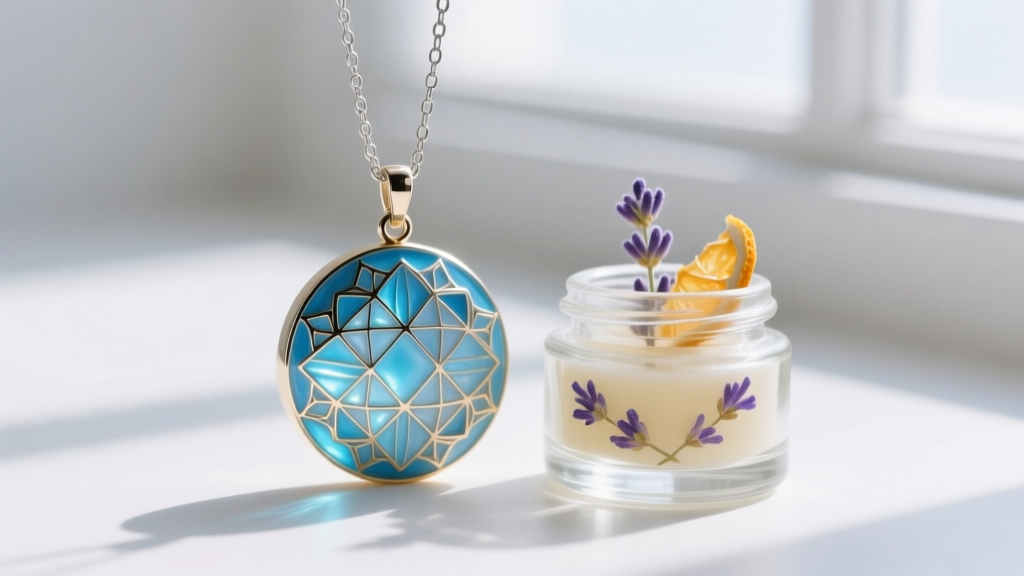
As metallurgy advanced, Edwardian pieces introduced platinum and delicate millegrain filigree. However, the true prize for collectors is the Art Deco guilloché enamel perfume pendant. Guilloché involves engine-turning a geometric pattern into a metal base and fusing translucent enamel over it, creating a mesmerizing, rippled optical effect. When inspecting Art Deco enamel, use a 10x jeweler's loupe to check for micro-fractures or crazing, which significantly diminish the artifact's value.
Critical Inspection Points: Mechanisms, Seals, and Failure Modes
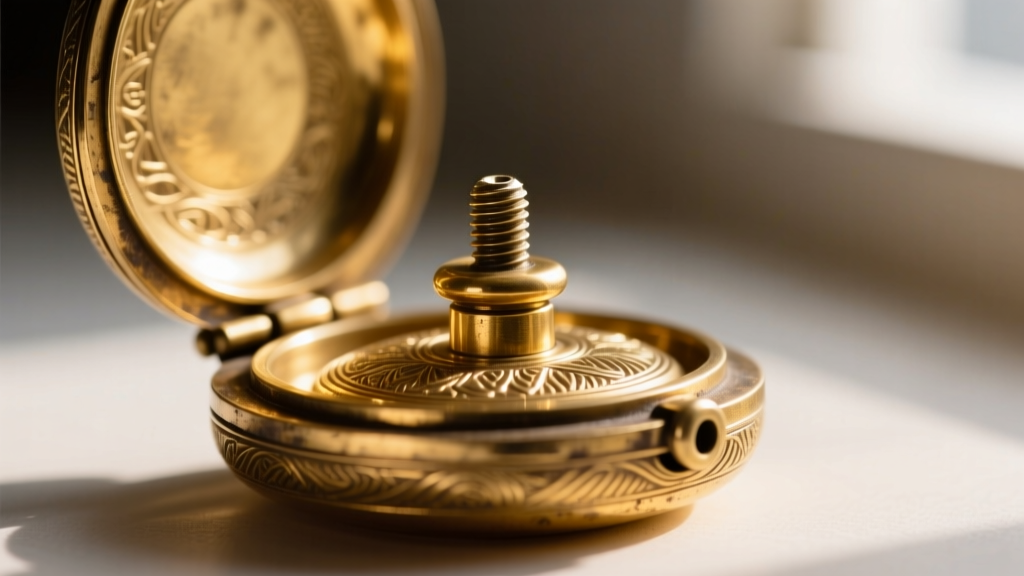
The most common point of failure in an antique perfume necklace is the sealing mechanism. A beautiful exterior is useless if the pendant cannot hold your chosen fragrance. When inspecting a piece—whether in person or via high-resolution macro photography from a dealer—evaluate the following structural elements:
1. Threaded Screw-Tops and Cross-Threading
Many late-Victorian and Edwardian cylindrical pendants utilize a threaded screw-cap. Because these threads were often hand-cut by silversmiths, they are shallow and highly susceptible to cross-threading. Actionable test: Ask the seller to provide a video of the cap being unscrewed and rescrewed. It should glide smoothly with 2 to 3 full rotations. If it catches, binds, or requires excessive force, the threads are stripped, and the pendant will not seal against liquid evaporation.
2. Hinge Pin Integrity
For hinged lockets, inspect the hinge pin. Over a century of use can wear down the metal tubing, causing the lid to sit crookedly. A misaligned lid breaks the hermetic seal. Look for signs of modern soldering or replacement pins, which appear brighter and lack the oxidized patina of the surrounding antique metal.
3. Internal Glass Vials vs. Direct Metal Contact
Premium antique perfume pendants feature a removable glass liner. This is highly desirable, as direct contact between alcohol-heavy fragrances and unlined silver or copper alloys can cause tarnishing, verdigris (green corrosion), and metallic contamination of the scent. If the glass vial is present, tap it gently with a wooden toothpick to ensure there are no hidden stress cracks at the neck.
Decoding Hallmarks: Authenticating the Metals
Hallmarks are your best defense against modern reproductions masquerading as antiques. British and European pieces are heavily regulated and stamped with assay marks that indicate metal purity, origin, and sometimes the exact year of manufacture. For a complete breakdown of historical stamps, the London Assay Office provides an indispensable database of historical marks.
| Mark Type | Visual Indicator | Meaning & Era Context |
|---|---|---|
| Lion Passant | A walking lion facing left | Guarantees Sterling Silver (92.5%). Common on Victorian and Edwardian pieces. |
| Crown & Number | Crown above '375', '585', or '750' | Denotes Gold purity (9k, 14k, 18k). The crown mark was standard in the UK until 1975. |
| Maker's Mark | Initials inside a shield or oval (e.g., 'S.B.') | Identifies the silversmith or jewelry house. Crucial for tracing provenance. |
| Date Letter | A specific lowercase or uppercase letter | Changes annually. Requires a hallmark chart to pinpoint the exact year of assay. |
Market Pricing and Valuation Factors
The market for functional antique jewelry has seen a resurgence, driven by a consumer shift toward sustainable, heirloom-quality accessories. Pricing is dictated by material, era, enamel condition, and mechanism complexity. Below is a realistic pricing framework for the current market:
- Victorian Sterling Silver Scent Locket (Basic Repoussé): $150 – $350. Excellent entry-level pieces, though silver requires frequent polishing if not worn daily.
- Edwardian 9k/14k Gold Filigree Pendant: $600 – $1,200. Valued for the intricate metalwork and lighter, more modern chain pairings.
- Art Deco Guilloché Enamel with Gemstone Accents: $1,500 – $3,500+. The highest tier of collecting. Prices plummet by 40-60% if the enamel exhibits chips or if the original silk-lined presentation box is missing.
Modern Usage: Protecting Your Antique Investment
Wearing an antique perfume necklace in 2026 requires adapting modern habits to protect historical materials. The most critical mistake new collectors make is filling an 1890s silver locket with modern Eau de Parfum (EDP).
Modern fragrances contain 70% to 90% ethanol. This high alcohol concentration will rapidly degrade antique cork gaskets, dissolve original shellac sealants, and strip the interior vermeil (gold plating over silver). Furthermore, alcohol can cause unlined silver to oxidize rapidly, altering the chemical composition of your expensive fragrance.
The Solution: Solid Perfumes and Botanical Oils
To safely use your antique pendant, transition to solid perfumes or alcohol-free jojoba oil blends. Solid perfumes, made from beeswax and shea butter, melt slightly against the warmth of your skin when the locket is open, releasing the scent without risking the structural integrity of the pendant's seals. If your piece features a glass vial, you have more leeway to use essential oils, but always ensure the stopper is wrapped in a fresh layer of archival-grade PTFE (Teflon) tape to guarantee an airtight seal without relying on degrading historical corks.
Final Thoughts on Sourcing
When purchasing an antique perfume necklace, prioritize specialized estate jewelers, vetted auction houses, or dealers affiliated with the International Vintage Jewelry Dealers Association (IVJDA). Always request a condition report detailing the state of the hinges, threads, and enamel. By understanding the mechanical nuances and historical context of these pieces, you secure not just a beautiful necklace, but a functional piece of history that will continue to hold your signature scent for generations to come.


