Troubleshooting Your Urn Necklace for Ashes: Leaks, Seals & Care
Fix common urn necklace for ashes issues. Learn expert sealing techniques, waterproofing methods, and material care to protect your memorial jewelry.

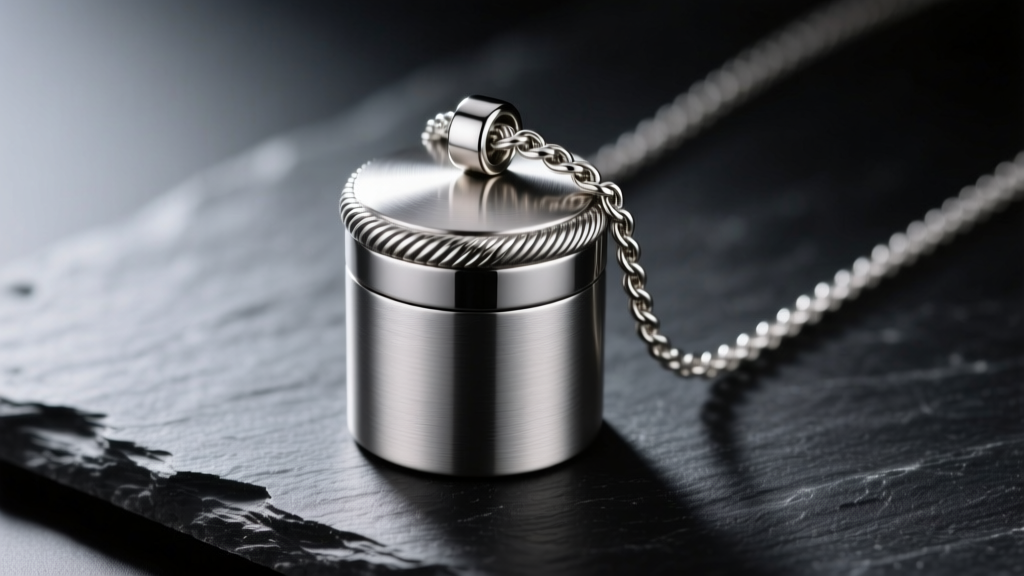
The Hidden Mechanics of Memorial Jewelry
Choosing an urn necklace for ashes is a deeply personal decision, offering a way to keep a loved one close to your heart. However, the emotional weight of this jewelry is often matched by its physical weight and mechanical complexity. Unlike standard fashion pendants, cremation jewelry must serve as a secure, permanent, and leak-proof vessel. When mechanical failures occur—such as a stripped thread, a snapped chain, or a compromised seal—the distress it causes can be overwhelming.
As jewelry specialists, we frequently see well-meaning individuals struggle with the practical realities of maintaining memorial pendants. Cremated remains are not simply 'ash'; they are pulverized bone fragments that are highly alkaline, abrasive, and prone to static electricity. These unique physical properties require specific handling, sealing, and hardware choices. In this comprehensive troubleshooting guide, we will address the most common points of failure in cremation pendants and provide expert-level solutions to ensure your memorial piece remains secure for a lifetime.
The Filling Process: Avoiding Spills and Blockages
The most stressful moment of owning an urn necklace for ashes is the initial filling process. The interior cavity of most pendants is remarkably small, typically holding between 0.5 and 2.0 cubic centimeters of material. Attempting to force ashes into this tiny space often leads to spills, blocked threads, and panic.
Overcoming Static Electricity and Abrasion
Cremated remains carry a significant static charge, which causes the particles to cling to plastic funnels, tweezers, and the exterior of the pendant. Furthermore, because the remains are abrasive, forcing them can scratch the interior or damage the threading.
- Ditch the Plastic Funnel: Plastic generates static. Instead, use a specialized stainless steel micro-funnel (with a 2mm tip) or fold a piece of glossy photo paper into a tight, creased chute. The glossy surface prevents clinging.
- Ground the Pendant: Before filling, wipe the exterior of the metal pendant with an unscented anti-static dryer sheet. This neutralizes the surface charge and prevents stray particles from clinging to the outside.
- Tap, Don't Pack: Never use a tool to pack the ashes down. This can create a dense plug that blocks the threads. Instead, gently tap the side of the pendant with the handle of a plastic spoon to let gravity settle the material naturally.
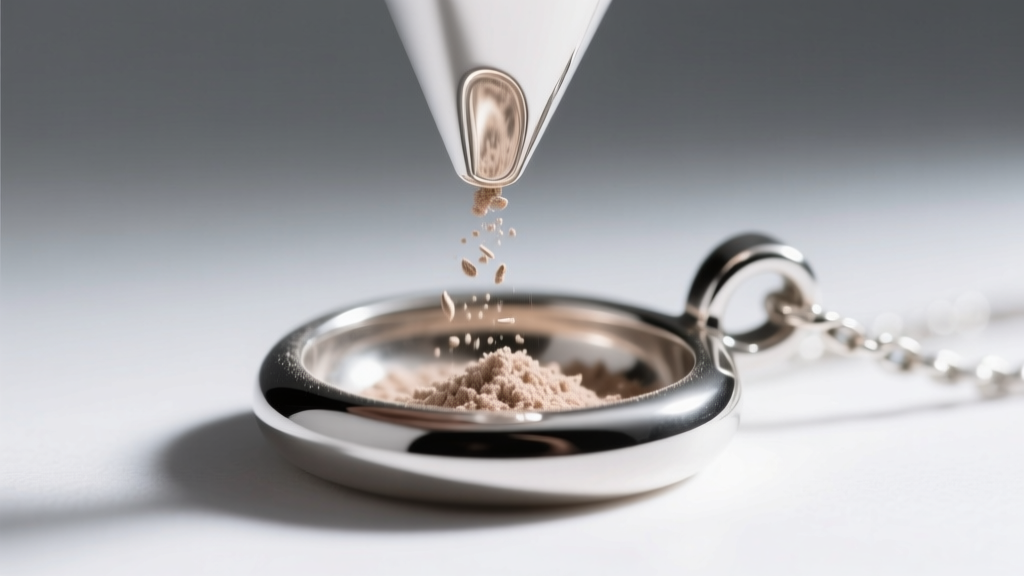
Cleaning the Threads Before Sealing
If even a single grain of bone fragment gets caught in the cap's threading, it acts like a lapping compound. When you attempt to screw the cap down, that abrasive particle will strip the soft metal threads, permanently ruining the seal. Always use a clean, dry, soft-bristled makeup brush to sweep the threads of both the pendant and the cap before attempting to close it.
Troubleshooting Thread Stripping and Cap Failure
A cap that won't close, or worse, a cap that slowly unscrews over time, is a critical failure point. The integrity of your urn necklace for ashes relies entirely on the precision of the micro-threads and the O-ring seal.
The Right Adhesives for Memorial Pendants
Many people mistakenly reach for standard cyanoacrylate (Super Glue) to seal their cremation jewelry. This is a critical error. Cyanoacrylate cures into a hard, brittle plastic. As the metal pendant expands and contracts with your body heat and environmental temperature changes, the brittle glue will micro-fracture and eventually shatter, leading to a catastrophic leak.
Expert Insight: Always use a flexible, thermal-resistant sealant. A PTFE-based thread sealant (like Loctite 567) or a flexible jeweler's adhesive (like E6000) accommodates the natural thermal expansion of metals without losing its bond.
Additionally, inspect the silicone O-ring located in the groove of the cap. Over time, standard silicone can flatten or degrade. If your pendant allows for it, upgrade to a Viton O-ring. Viton is a synthetic rubber that offers vastly superior resistance to heat, chemicals, and compression set, ensuring a permanent watertight seal.
Waterproofing: Can You Shower With an Urn Necklace?
A frequent question we receive is whether an urn necklace for ashes is truly waterproof. The answer depends entirely on the base metal of the pendant and the integrity of the seal. According to the Jewelers of America, prolonged exposure to moisture, chlorine, and salts can rapidly degrade certain jewelry metals and compromise structural integrity.
| Metal Grade | Water Resistance | Troubleshooting & Care Advice |
|---|---|---|
| 316L Surgical Steel | Excellent | Highly resistant to rust and chlorine. Safe for showering if the O-ring seal is intact. |
| Grade 2 Titanium | Superior | Completely impervious to water corrosion. The ultimate choice for active lifestyles and swimming. |
| 925 Sterling Silver | Poor | Will oxidize and tarnish when exposed to sulfur, chlorine, and hard water. Must be removed before bathing. |
| Brass / Base Metals | Very Poor | Will corrode, turn skin green, and potentially compromise the ash cavity. Avoid for permanent wear. |
If you own a sterling silver piece and wish to wear it in the water, consult a local jeweler about applying a rhodium plating. This creates a microscopic barrier of platinum-group metal that prevents oxidation and water damage, though it will need to be reapplied every few years. For more information on how metals react to environmental factors, the Gemological Institute of America (GIA) provides excellent resources on silver tarnish and care.
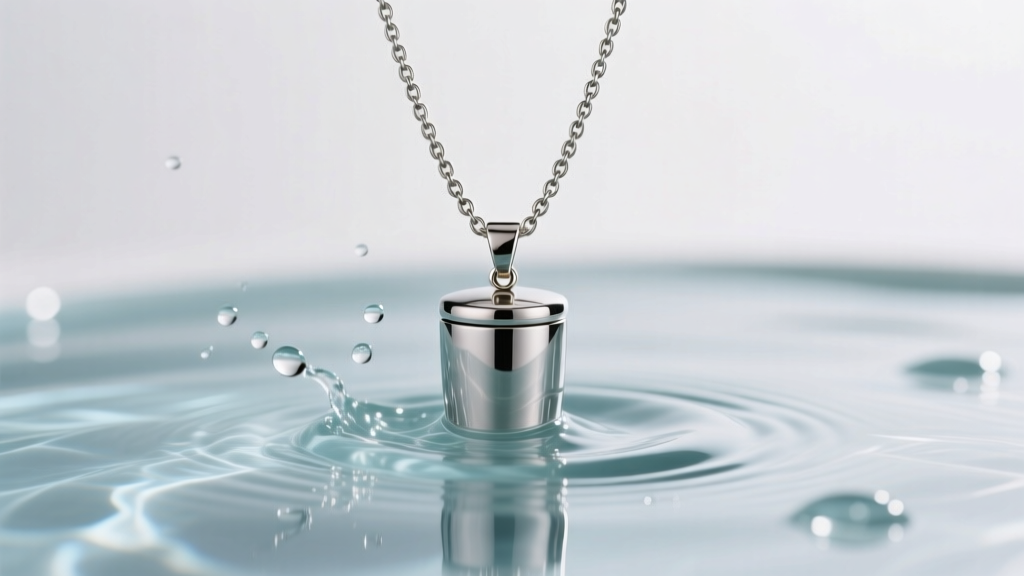
Chain Breakage: Matching Gauge to Pendant Weight
An urn necklace for ashes is significantly heavier than a standard gemstone pendant. A solid steel or titanium cremation tube can easily weigh between 12 and 25 grams. Most complimentary chains included with jewelry are delicate 0.8mm to 1.2mm cable chains. These will inevitably succumb to metal fatigue and snap.
Upgrading Your Hardware
To prevent the heartbreaking loss of your memorial piece, you must upgrade the chain and the connecting hardware. Follow these strict gauge requirements:
- Chain Thickness: Upgrade to a chain that is at least 2.0mm to 3.0mm in diameter. Wheat chains, rope chains, and solid curb chains offer the best tensile strength for heavy pendants.
- The Jump Ring: The jump ring is the small circle of wire connecting the clasp to the chain. On standard chains, this is a 'split ring' with a tiny gap. A heavy urn pendant will pull this gap open over time. Take your chain to a jeweler and have them solder the jump ring shut. This single $10 fix prevents 90% of chain-related losses.
- The Bail: Ensure the bail (the loop on the pendant itself) is lined with a smooth metal sleeve. If the chain rubs directly against a rough, unpolished bail hole, it will act like a saw and cut through the chain links over a few months.
Tarnish and Skin Discoloration Fixes
If your pendant is leaving a dark or green mark on your chest, it is a sign of a chemical reaction between the metal alloys, your skin's pH, and trapped moisture. This is particularly common with lower-grade stainless steels or sterling silver worn during high-sweat activities.
According to the Federal Trade Commission's guidelines on jewelry and metal handling, consumers must be aware of the specific alloys used in their purchases. If your pendant is causing skin discoloration, first clean the back of the pendant with isopropyl alcohol to remove built-up lotions and sweat. If the issue persists, apply a thin coat of clear, flexible nail polish or a specialized jewelry shield spray to the back of the pendant to create a barrier between the metal and your skin. However, the permanent fix is to upgrade to a hypoallergenic, nickel-free metal like Grade 5 Titanium or 14k solid gold.
Summary Troubleshooting Checklist
Maintaining an urn necklace for ashes requires a proactive approach to jewelry care. Keep this quick-reference checklist in mind to ensure your memorial remains secure:
- Check the Cap Monthly: Gently test the cap for tightness. Do not over-tighten, but ensure it hasn't vibrated loose.
- Inspect the O-Ring Annually: Look for flattening, cracking, or brittleness in the silicone seal.
- Evaluate the Chain Links: Run your fingers over the chain links near the clasp to check for thinning or stretching metal.
- Avoid Harsh Chemicals: Remove the pendant before using harsh cleaning chemicals, entering hot tubs, or applying heavy perfumes directly to the chest area.
By understanding the mechanical and chemical realities of cremation jewelry, you can troubleshoot issues before they become disasters, ensuring that your urn necklace for ashes remains a safe, beautiful, and permanent tribute.


