Moonstone Pendant Necklace Buying Guide: What to Look For
Discover how to choose the perfect moonstone pendant necklace. Learn about adularescence, grading, metal pairings, and pricing in our expert guide.

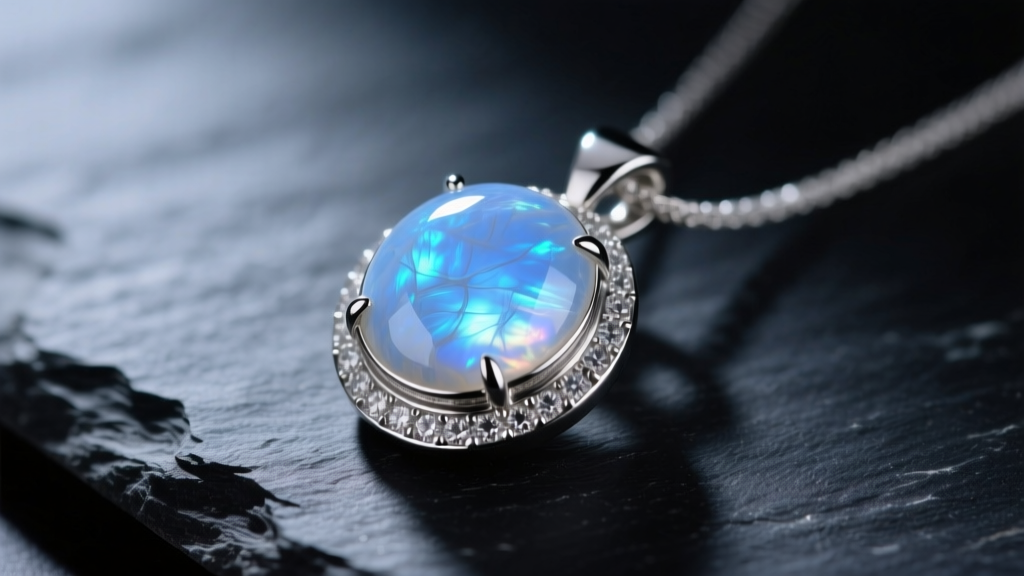
A moonstone pendant necklace is more than just a piece of jewelry; it is a wearable optical phenomenon. Prized for its ethereal glow, moonstone has captivated collectors and casual wearers alike for centuries. However, buying a high-quality moonstone pendant requires a nuanced understanding of gemology, structural vulnerabilities, and market pricing. Unlike diamonds or sapphires, moonstones are graded on entirely different metrics, prioritizing optical effects over traditional brilliance. In this comprehensive buying guide, we break down exactly what to look for when investing in a moonstone pendant necklace, ensuring you acquire a piece that is both visually stunning and built to last.
The Magic of Adularescence: Grading Your Moonstone
The defining characteristic of any moonstone is adularescence—the billowy, floating light effect that seems to glide just beneath the surface of the gem. According to the Gemological Institute of America (GIA), this phenomenon occurs when light scatters between microscopic, alternating layers of two different feldspar minerals: orthoclase and albite. When evaluating a moonstone pendant necklace, adularescence is your primary grading metric.
Evaluating the Sheen
- Color of Sheen: The most highly prized and valuable moonstones exhibit a vivid, electric blue sheen. White or silvery sheens are much more common and therefore more affordable. Rainbow moonstone (which is technically a variety of labradorite) displays a multicolored schiller.
- Directionality and Coverage: A premium moonstone will display a sheen that covers the entire surface of the cabochon when viewed from a wide angle. If the sheen is only visible from one strict, narrow angle, or if it is patchy and uneven, the stone is of lower commercial grade.
- Body Transparency: The best moonstones have a semi-transparent to nearly glass-clear body color, allowing the light to penetrate deeply and scatter brilliantly. Opaque, chalky white stones with little to no transparency will exhibit a weak, superficial sheen.
Varieties of Moonstone: A Comparative Breakdown
Not all moonstones are created equal. The market is saturated with different varieties, each offering a distinct aesthetic and price point. Below is a comparative breakdown to help you identify which type of moonstone pendant necklace aligns with your style and budget.
| Variety | Body Color | Sheen / Optical Effect | Relative Rarity | Average Price Tier (Pendant Only) |
|---|---|---|---|---|
| Blue Moonstone | Colorless to White | Vivid Electric Blue | High | $150 - $500+ |
| Rainbow Moonstone | White to Semi-Transparent | Multicolored (Labradorescence) | Medium | $60 - $200 |
| Peach Moonstone | Soft Peach to Orange | Subtle White/Silver Glow | Medium | $50 - $150 |
| White Moonstone | Opaque White | Weak Silvery Sheen | Low (Very Common) | $20 - $75 |
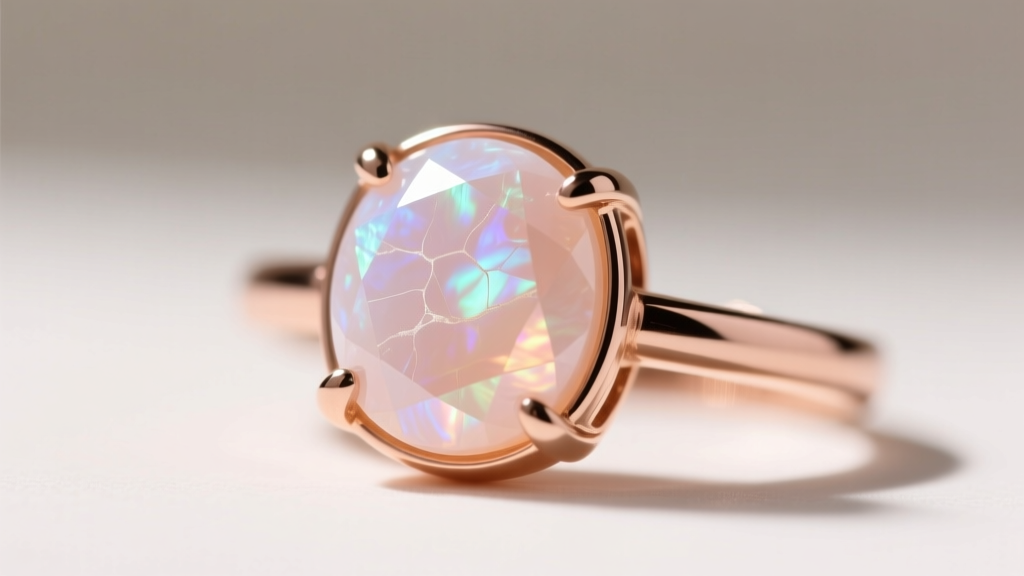
Choosing the Right Setting and Metal
When selecting a moonstone pendant necklace, the setting is not merely an aesthetic choice; it is a structural necessity. According to mineralogical data from Mindat, moonstone ranks between 6 and 6.5 on the Mohs hardness scale. More critically, it possesses two directions of perfect cleavage. This means that a single, sharp knock against a hard surface can cause the gemstone to split or chip cleanly along its internal planes.
Why Bezel Settings Are Non-Negotiable
Because of its cleavage planes and moderate hardness, prong settings are highly discouraged for moonstones. Prongs leave the girdle (the outer edge) of the cabochon exposed to everyday impacts. A bezel setting, where a continuous rim of metal wraps entirely around the edge of the stone, is the gold standard for moonstone pendants. It protects the vulnerable edges while providing a sleek, modern frame that enhances the stone's glowing adularescence.
Metal Pairings
- Sterling Silver (925): The traditional and most popular pairing. The cool, white metallic tone of silver amplifies the blue and white sheens of the moonstone, creating a cohesive, icy aesthetic.
- Yellow Gold (14k or 18k): Creates a striking, high-contrast vintage look. Yellow gold pairs exceptionally well with peach and opaque white moonstones, offering a warm, bohemian vibe.
- Rose Gold: Enhances the subtle pink and peach undertones found in certain feldspar specimens, offering a romantic and highly modern appearance.
Chain Pairings: Matching the Pendant
A common mistake buyers make is pairing a heavy, substantial moonstone cabochon with a flimsy, lightweight chain. Moonstone pendants, especially those in solid gold or thick silver bezels, can easily weigh between 4 and 10 grams. Your chain must be engineered to support this weight without kinking or snapping.
Recommended Chain Styles and Gauges
Avoid delicate 0.5mm cable chains or hollow rope chains. Instead, opt for structurally sound weaves. A 1.2mm to 1.5mm box chain is highly recommended due to its interlocking square links, which resist kinking and distribute weight evenly. Alternatively, a 1.5mm rolo chain offers excellent tensile strength and a classic, robust aesthetic that complements the organic nature of the moonstone.
Length Considerations
- 16 Inches (Choker): Best for smaller, minimalist moonstone pendants (under 10mm). Sits snugly at the base of the throat.
- 18 Inches (Princess): The most versatile length. Allows a medium-sized pendant (12mm-18mm) to rest perfectly on the collarbone, catching optimal ambient light for adularescence.
- 20 to 24 Inches (Matinee): Ideal for large, statement-making cabochons or layered bohemian styles, allowing the stone to rest over clothing.
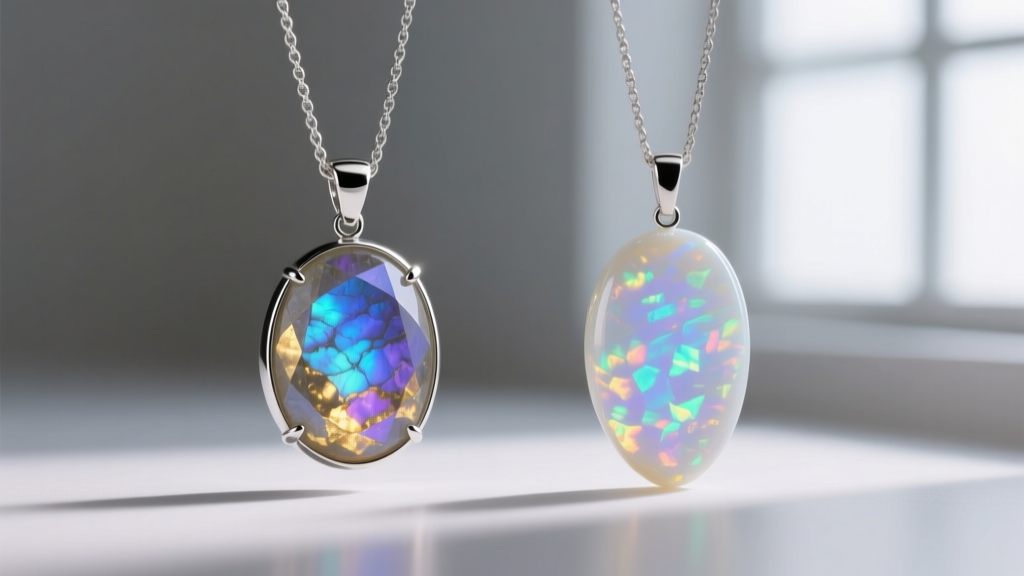
Spotting Fakes: Opalite vs. Real Moonstone
The market is heavily flooded with Opalite, a man-made glass that is frequently and fraudulently sold as genuine moonstone. Knowing how to differentiate the two is a critical skill for any buyer.
Visual and Tactile Telltale Signs
- Inclusions: Genuine moonstone is a natural mineral and will almost always contain minor internal flaws, such as tiny tension cracks (often called 'centipedes' by gemologists) or subtle layering lines. Opalite glass is entirely flawless and bubble-free (or contains perfectly round, isolated gas bubbles).
- The Glow: Real moonstone exhibits a directional sheen; you must tilt the stone to catch the light. Opalite glows omnidirectionally, exhibiting a uniform, milky luminescence from every angle, often with a yellowish or pinkish core.
- Temperature: Natural feldspar feels distinctly cool to the touch and takes time to warm up against your skin. Glass opalite will warm up almost instantly.
Pricing Expectations in the Current Market
Understanding the pricing tiers will protect you from overpaying for commercial-grade stones or being duped by suspiciously cheap 'premium' offerings.
- Commercial Grade ($30 - $80): Opaque white body, weak or patchy white sheen, set in sterling silver with simple prong or thin bezel settings. Often mass-produced.
- Fine Grade ($100 - $300): Semi-transparent body with a strong, directional blue or rainbow sheen. Set in high-quality 925 silver or 14k gold-filled bezels. Hand-cut cabochons with high domes.
- Premium / Collector Grade ($400 - $1,200+): Exceptional clarity (glass-like body), intense electric blue adularescence covering the entire stone. Set in solid 14k or 18k gold with custom, heavy-weight bezel work and premium chain pairings. Often sourced from historical deposits in Sri Lanka (Ceylon).
Care and Maintenance for Longevity
Because of its 6-6.5 Mohs hardness and perfect cleavage, a moonstone pendant necklace requires specific, gentle care. Never place moonstone in an ultrasonic cleaner. The high-frequency vibrations can easily exploit the stone's internal cleavage planes, causing it to shatter from the inside out. Similarly, avoid steam cleaners and harsh chemical dips.
To clean your pendant, simply use a bowl of lukewarm water mixed with a few drops of mild, phosphate-free dish soap. Gently agitate the water, use a soft-bristled baby toothbrush to lightly sweep the back of the setting where skin oils accumulate, and rinse under a gentle stream of water. Always dry the piece thoroughly with a lint-free microfiber cloth before storing it in a soft pouch, separate from harder gemstones like diamonds or sapphires that could easily scratch its polished surface.


