Fix Flipping & Breakage: Big Pendants for Necklaces
Stop your heavy jewelry from flipping or breaking chains. Learn expert troubleshooting for styling and supporting big pendants for necklaces perfectly.

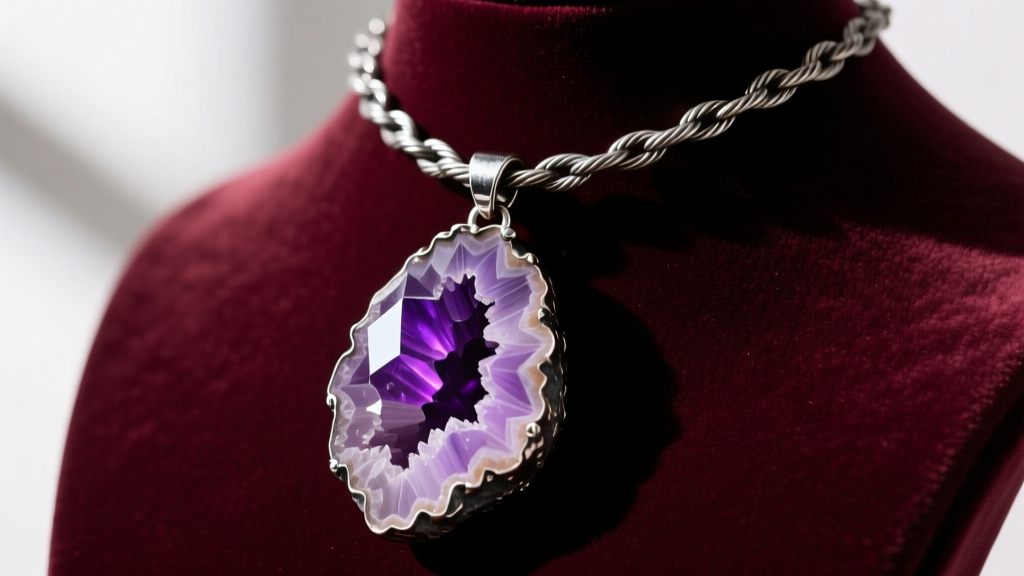
There is nothing quite as striking as a bold, oversized statement piece resting against the collarbone. However, wearing and styling big pendants for necklaces introduces a unique set of structural and aesthetic challenges. From chains snapping under dynamic tension to pendants perpetually flipping over to show their unpolished backs, heavy jewelry requires an engineering mindset just as much as a stylistic one.
In this comprehensive troubleshooting guide, we break down the physics of heavy jewelry, providing actionable solutions for chain breakage, bail mechanics, clasp failures, and proportion mapping. Whether you are a jewelry maker, a collector, or simply someone tired of adjusting a flipped pendant every five minutes, these expert-level fixes will ensure your statement pieces sit perfectly and securely.
The Physics of Heavy Jewelry: Why Big Pendants Fail
To troubleshoot big pendants for necklaces, you must first understand the physics at play. A necklace is essentially a flexible suspension bridge. The neck acts as the anchor points, and the chain acts as the cable. When you introduce a heavy pendant (typically anything over 35 grams), you create a concentrated center of mass.
When the wearer moves, this center of mass generates kinetic energy and torque. If the chain is too weak, the links undergo work hardening—a process where metal becomes brittle from repeated bending and stress, eventually leading to micro-fractures and sudden snaps. Furthermore, if the pendant's center of gravity sits too far below the chain's natural drape, it creates a pendulum effect, causing the piece to swing wildly and catch on clothing.
Chain Gauge vs. Pendant Weight: The Breakage Matrix
The most common failure point for big pendants for necklaces is a mismatched chain. Jewelry manufacturers often pair heavy cast or gemstone pendants with delicate, mass-produced chains to save on precious metal costs. According to fabrication standards outlined by Rio Grande, a chain's tensile strength is dictated by its wire gauge and link geometry.
Use the following matrix to ensure your chain can support your pendant's static and dynamic weight:
| Chain Thickness (mm) | Link Style | Max Safe Weight (Static) | Dynamic Limit (Active Wear) |
|---|---|---|---|
| 1.0mm - 1.5mm | Cable, Rolo | 15g | 8g |
| 2.0mm - 3.0mm | Curb, Figaro | 40g | 25g |
| 4.0mm - 5.0mm | Wheat, Box | 85g | 55g |
| 6.0mm+ | Byzantine, Rope | 120g+ | 80g+ |
Troubleshooting Tip: Avoid snake chains and herringbone chains for heavy pendants. These styles lack structural flexibility and are prone to permanent kinking when subjected to the localized downward pull of a heavy drop.

Solving the 'Flip-Over' Problem: Bail Mechanics
Nothing is more frustrating than a beautiful pendant that refuses to stay face-forward. The 'flip-over' issue occurs when the inner diameter of the bail (the loop connecting the pendant to the chain) is disproportionately large compared to the thickness of the chain. This gap allows the pendant to rotate 180 degrees along the chain's axis.
1. Upgrade to a Tube or Wrap Bail
If your pendant has a standard glued-on flat bail or a simple soldered ring, replace it. For heavy pieces, a sterling silver or 14k gold tube bail provides a rigid, horizontal tunnel that locks the chain in place. Alternatively, a heavy-duty wrap bail that encases the top of the pendant lowers the center of gravity, reducing the leverage that causes flipping.
2. The Silicone Stopper Hack
If you cannot replace the bail, use a tiny, clear silicone earring back or jewelry stopper. Slide it onto the chain immediately adjacent to the bail on both sides. This acts as a physical bumper, preventing the chain from sliding through the bail and eliminating the rotational slack that causes flipping.
3. Wire Wrapping for Irregular Shapes
For large, raw gemstones or irregularly shaped big pendants for necklaces, custom wire wrapping using 18-gauge dead-soft wire allows you to create a tight, custom-fitted bail that perfectly matches your chain's exact millimeter width, eliminating all rotational play.
Neckline Troubleshooting: Proportions & Placement
Big pendants require precise length mapping to avoid looking awkward or causing physical discomfort. The Gemological Institute of America (GIA) frequently notes that the visual weight of a large gemstone must be balanced by the negative space around it.
- 16-Inch (Collar): Avoid this length for pendants over 2 inches in diameter. The rigid curve of the neck at this height will force the pendant to stick straight out horizontally rather than laying flat against the chest.
- 18-Inch (Princess): The standard length, but only suitable for medium-large pendants (up to 2.5 inches). Heavier pieces will pull the chain tightly into the back of the neck, causing chafing.
- 20 to 24-Inch (Matinee): The absolute sweet spot for oversized, heavy statement pendants. This length allows the chain to drape over the sternum, allowing gravity to pull the pendant flat against the body while distributing the weight across a wider arc of the shoulders.
Material Fatigue & Clasp Upgrades
The clasp is the weakest link in any necklace, and heavy pendants accelerate clasp fatigue. The constant downward torque pulls the clasp apart, specifically compromising the internal mechanisms of standard closures.
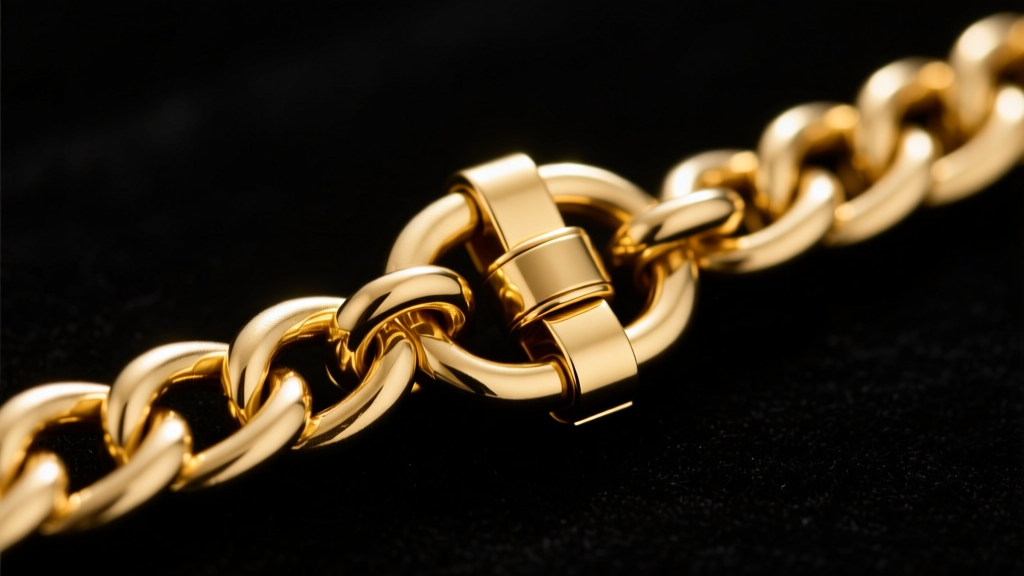
Spring Ring Clasps (The Enemy)
Spring rings rely on a tiny internal steel spring. Under the constant tension of a 50g+ pendant, the casing warps, and the spring fails. If your big pendant came with a spring ring, remove it immediately.
Lobster Claw Clasps (The Standard)
A high-quality, solid-cast lobster claw is suitable for pendants weighing between 20g and 50g. Ensure the swivel mechanism moves freely; if it seizes, the torque will transfer to the jump ring, twisting it open.
Box Clasps with Figure-8 Safeties (The Heavy Duty Solution)
For massive, heirloom-quality pendants exceeding 60 grams, upgrade to a box clasp featuring a tongue-and-groove locking mechanism, flanked by a figure-eight wire safety catch. This setup completely removes tension from the closure mechanism, transferring the structural load to the solid metal box itself.
Quick Troubleshooting Checklist
Before wearing or selling a heavy statement piece, run it through this rapid diagnostic checklist:
- The Swing Test: Hold the clasp and let the pendant hang. Does it swing wildly? If yes, the chain is too long or the pendant lacks a counterweight.
- The Bail Gap: Is there more than 1mm of space between the chain and the inside of the bail? If yes, add silicone stoppers or resize the bail.
- The Jump Ring Check: Inspect the jump ring connecting the bail to the pendant. Is it soldered shut? If it is merely twisted shut, the heavy pendulum motion will eventually pull it open. Have a jeweler solder it.
- The Clasp Tension: Does the clasp bear the weight of the pendant when laid flat? If so, integrate a counterweight bead near the clasp to keep the closure resting at the nape of the neck.
By treating big pendants for necklaces as structural projects rather than mere accessories, you guarantee longevity, comfort, and flawless presentation every time you wear them.


