2026 Mothers Day Mom Necklace Buying Guide: What to Look For
Discover what to look for in a 2026 mothers day mom necklace. Expert tips on durable metals, safe chain lengths, and scratch-resistant birthstones.

The Reality of 'Mom-Proof' Jewelry in 2026
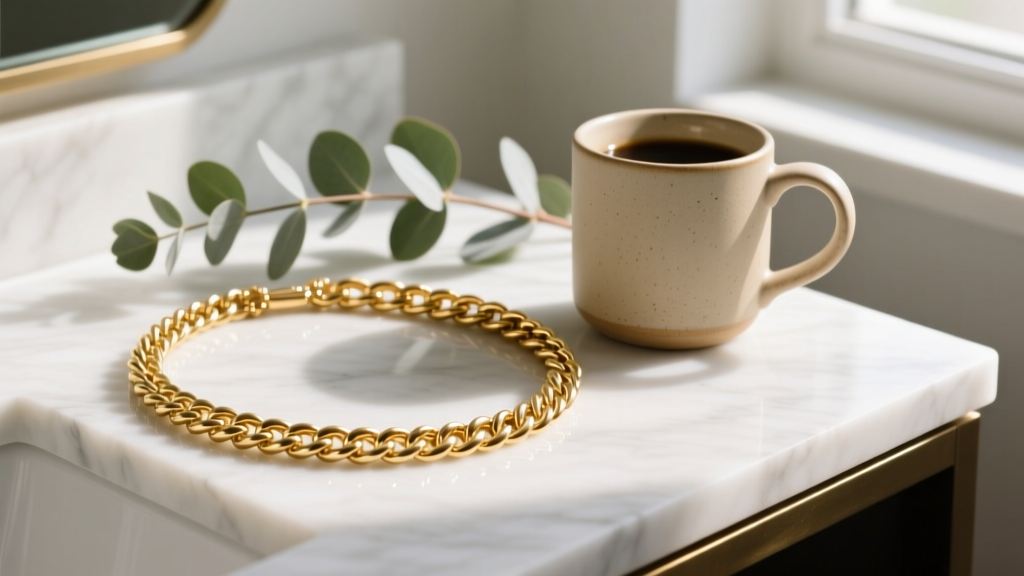
Finding the perfect mothers day mom necklace requires looking past the initial sparkle and evaluating how the piece will survive the beautiful chaos of motherhood. A necklace meant for a mom isn't just an accessory; it is a daily companion that will endure lotion applications, toddler tugs, hurried showers, and endless laundry cycles. In 2026, the jewelry market is flooded with 'demi-fine' options, but not all of them are created equal. As a senior jewelry analyst, I have evaluated hundreds of chains, clasps, and settings to determine what actually holds up to maternal wear and tear. This comprehensive buying guide strips away the marketing fluff and focuses on metallurgical facts, tensile strength, and gemstone hardness to help you invest in a piece she can wear every single day without worry.
Material Grades: Why 14k Solid Gold Outperforms 18k for Moms
When shopping for a mothers day mom necklace, the metal purity is your first critical decision point. While 18k gold (75% pure gold) boasts a richer, deeper yellow hue, it is inherently softer and more prone to scratching and bending. For a mother with young children or an active lifestyle, 14k solid gold (58.5% pure gold) is the undisputed champion. The higher alloy content—typically a mix of copper, silver, and zinc—gives 14k gold a significantly higher tensile strength, meaning prongs holding gemstones are less likely to bend back and drop a stone upon impact.
The Vermeil vs. Gold-Plated Trap
If solid gold is outside the budget, you must understand the difference between gold vermeil and standard gold plating. According to the Federal Trade Commission Jewelry Guides, true gold vermeil must consist of a sterling silver base plated with at least 2.5 microns of 10k gold or higher. Standard gold-plated jewelry often uses a brass or copper base with a microscopic 0.5-micron flash of gold. When exposed to the acidic pH of human sweat and daily friction, brass-based plated jewelry will oxidize rapidly, leaving a green residue on the skin and causing contact dermatitis. Always verify the base metal and plating thickness before checkout.
The Toddler Tug Test: Chain Styles and Clasp Security
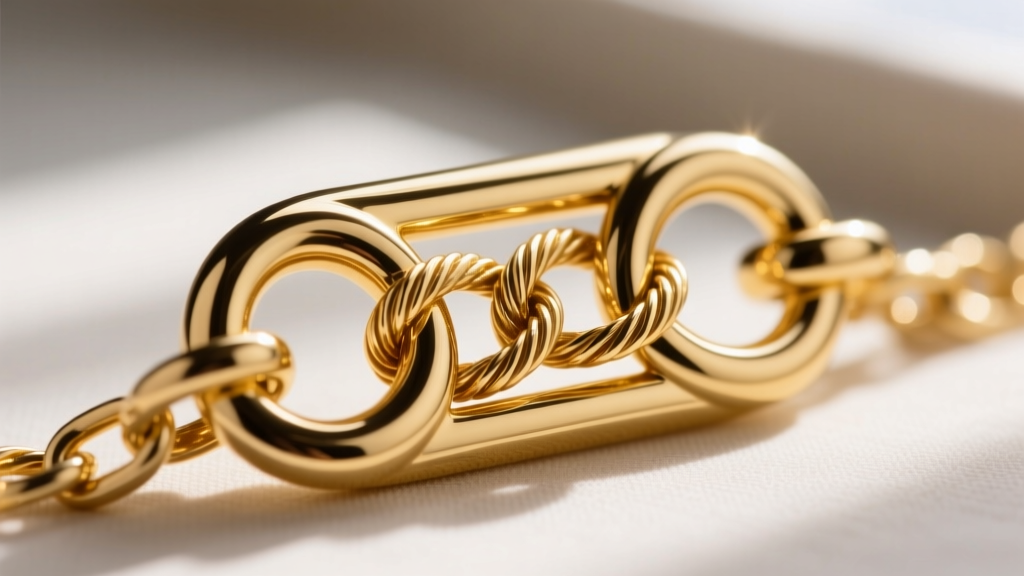
A pendant is only as secure as the chain it hangs from. Toddlers are notorious for grabbing necklaces, which applies sudden, high-tension shock loads to the metal links. Here is how the most common chain styles rank for maternal durability:
- Rope Chains: The interlocking, twisted links distribute tension evenly across the chain. A 1.5mm to 2.0mm 14k solid gold rope chain offers the highest tensile strength and is highly resistant to snapping from sudden tugs.
- Box Chains: While visually appealing and smooth, the square links can easily catch on long hair or sweater threads. Furthermore, if a box chain kinks, it is nearly impossible to repair without replacing the entire segment.
- Cable Chains: The classic oval link is lightweight and affordable, but standard 1.0mm cable chains will snap under 3-5 pounds of pressure. If choosing cable, opt for a 'heavy' or 'solid' link variation.
Clasp Mechanics for Busy Hands
Skip the traditional spring-ring clasps. They are notoriously difficult to operate with one hand, long fingernails, or arthritic joints. Instead, look for a lobster clasp (minimum 10mm in length) which offers a wider lever and a stronger internal spring. For ultimate convenience, magnetic neodymium clasps are trending in 2026 for accessibility, but ensure they feature a secondary safety latch to prevent accidental unhooking during physical activity.
Birthstone Pendants: A Mohs Scale Durability Guide
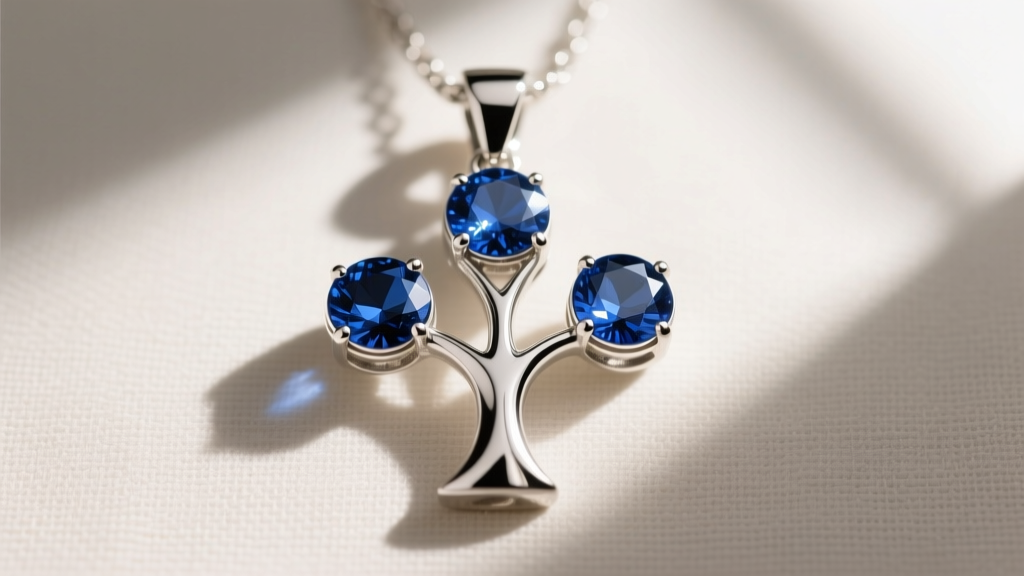
Personalizing a necklace with children's birthstones is a timeless tradition, but not all gems are suited for daily wear. The Gemological Institute of America (GIA) uses the Mohs scale to measure a gemstone's resistance to scratching, but 'toughness' (resistance to chipping and breaking) is equally important. For instance, Emeralds rank a respectable 7.5 to 8 on the Mohs scale, but they are heavily included and possess natural cleavage planes, making them highly susceptible to shattering if knocked against a granite countertop.
| Gemstone (Month) | Mohs Hardness | Toughness | Mom-Suitability Rating |
|---|---|---|---|
| Diamond (April) | 10 | Good (can chip) | Excellent |
| Ruby / Sapphire (July/Sept) | 9 | Excellent | Excellent |
| Topaz (November) | 8 | Poor (cleavage) | Fair |
| Emerald (May) | 7.5 - 8 | Poor (brittle) | Poor (Requires care) |
| Pearl (June) | 2.5 - 4.5 | Very Poor | Poor (Avoid daily wear) |
Expert Alternative: If her child is born in May, skip the fragile emerald and opt for a Tsavorite Garnet. It offers a nearly identical vivid green hue but lacks cleavage planes, making it vastly more durable for an active lifestyle. For June birthdays, consider a bezel-set Alexandrite or a high-quality white Sapphire instead of easily degraded, acid-sensitive pearls.
Personalization Techniques That Actually Last
If you are moving beyond birthstones into engraved names, coordinates, or handwriting, the method of inscription dictates the lifespan of the piece.
Laser vs. Rotary Engraving
Laser engraving is the industry standard for fast, inexpensive customization. However, it only removes a microscopic layer of metal. Over 5 to 10 years of friction against clothing and skin, laser engraving will slowly polish away and fade. For a true heirloom piece, seek out a jeweler who offers rotary (diamond drag) engraving. This method physically carves into the metal, creating deep grooves that will remain legible for generations.
The Enamel Debate: Cold vs. Vitreous
Colored enamel detailing on family crests or initial pendants is highly popular. Be warned: 'cold enamel' is essentially a dyed epoxy resin that will yellow, chip, and peel within two years of exposure to UV light and body heat. True vitreous enamel is powdered glass fired at over 1400°F, fusing it permanently to the metal. Always ask the retailer which enameling process they use before purchasing a multi-colored pendant.
Sizing and Length: Avoiding the 'Grab Zone'
Chain length is a crucial safety and comfort factor. A 16-inch choker sits directly in the 'grab zone' for infants and toddlers. The ideal length for a mothers day mom necklace is 18 inches. This allows the pendant to rest gracefully on the collarbone while remaining just out of reach of little hands. For nursing mothers or moms with older children who might still playfully tug, a 20-inch or 24-inch chain worn layered or tucked is a safer, more practical choice. Always ensure the retailer offers an adjustable chain with a 2-inch extender to accommodate seasonal wardrobe changes.
Final Pre-Purchase Checklist
Before you finalize your order, run the piece through this expert checklist to guarantee you are buying a high-quality, durable mothers day mom necklace:
- Metal Stamp: Does the clasp or jump ring feature a '14k', '18k', or '925' quality stamp? (Required by Jewelers of America standards).
- Prong Security: Are the gemstones held by at least four sturdy prongs, or ideally, a protective bezel setting?
- Clasp Size: Is the lobster clasp at least 10mm for easy, one-handed operation?
- Chain Solder: Are the links solid and soldered closed, rather than open 'C' links that can pull apart?
- Return Policy: Does the brand offer a minimum 30-day return window in case the chain length or pendant scale doesn't suit her personal style?
By prioritizing structural integrity, material science, and practical ergonomics over fleeting trends, you will gift a necklace that doesn't just symbolize her family, but seamlessly integrates into her daily life as a resilient, beautiful staple.


