Mox Sapphire Necklace Buying Guide: What to Look For
Discover our expert Mox sapphire necklace buying guide. Learn about stone grades, chain gauges, pricing tiers, and how to verify authentic pieces.

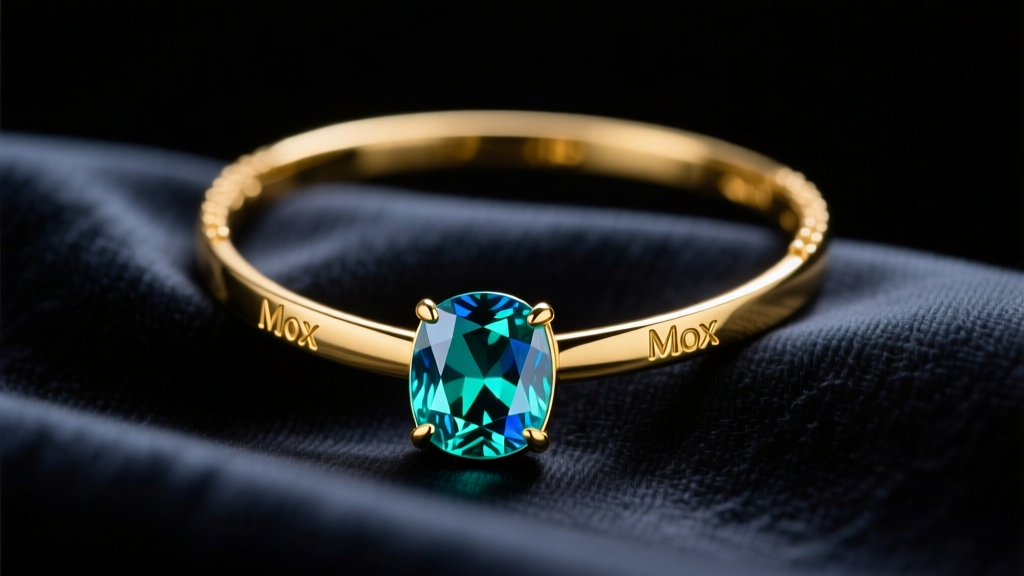
The contemporary jewelry market has seen a massive shift toward minimalist, ethically sourced designs, and the Mox sapphire necklace has emerged as a definitive staple for collectors and everyday wearers alike. Known for its signature low-profile bezel settings, raw or rose-cut stones, and sustainable 14k gold hardware, the Mox aesthetic bridges the gap between organic earthiness and modern refinement. However, as demand surges in 2026, the market has become saturated with imitations and loosely defined 'Mox-style' pieces.
Whether you are investing in your first fine jewelry pendant or adding to a curated collection, understanding the precise specifications of a genuine Mox sapphire necklace is critical. This comprehensive buying guide breaks down the gemological, metallurgical, and structural details you must evaluate before making a purchase.
Decoding the Sapphire: What Defines the Mox Aesthetic?
Unlike traditional luxury brands that prioritize flawless, brilliant-cut Ceylon sapphires, the Mox design philosophy celebrates the unique, untamed beauty of the earth. When evaluating the centerpiece of your necklace, focus on these three gemological factors:
1. Cut and Silhouette
Authentic Mox pieces rarely feature standard brilliant cuts. Instead, look for rose cuts (flat bottoms with a domed, faceted top) or raw hexagonal crystals. Rose cuts offer a subtle, glassy luster rather than aggressive sparkle, making them ideal for understated, everyday wear. Raw hexagonal cuts preserve the natural crystal habit of the corundum, requiring less material waste during the cutting process.
2. Color and Pleochroism
The brand heavily favors Montana teal sapphires, particularly those sourced from the Rock Creek deposit. These stones exhibit strong pleochroism—meaning they display different colors (usually blue and green) when viewed from different crystallographic angles. According to the Gemological Institute of America (GIA), pleochroism is a natural optical property of corundum, and in teal sapphires, it is highly prized for its dynamic color-shifting effect in natural sunlight.
3. Clarity and 'Salt & Pepper' Inclusions
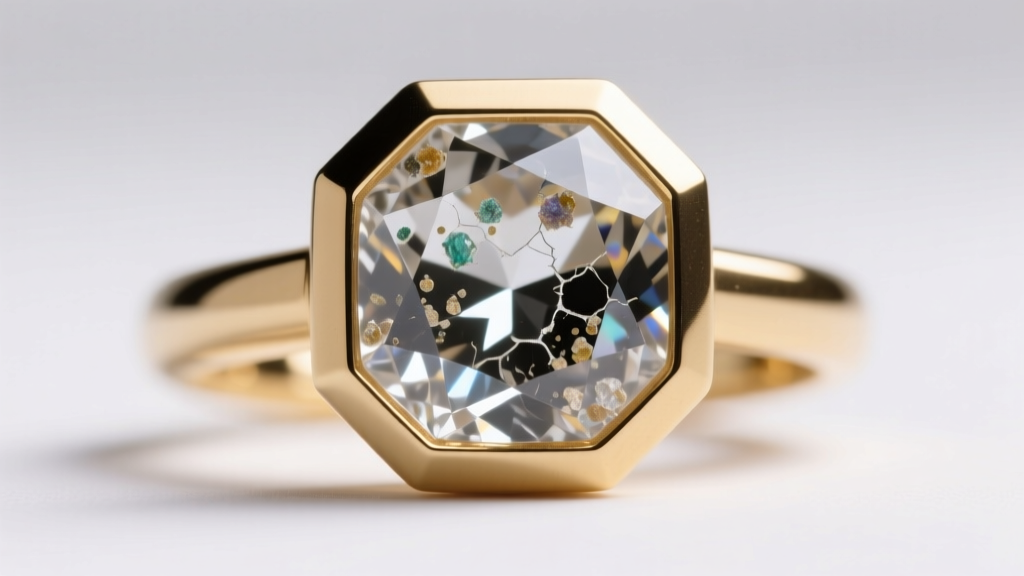
Do not dismiss a stone with visible inclusions. The Mox aesthetic intentionally utilizes 'salt and pepper' sapphires, which contain microscopic rutile silk or carbon inclusions. These inclusions create a galaxy-like, speckled appearance. As long as the inclusions do not reach the surface and compromise the stone's structural integrity (sapphire ranks a 9 on the Mohs scale, but surface-reaching fractures can cause chipping), they are considered desirable character marks rather than flaws.
Chain & Hardware Specifications: Beyond the Pendant
A common mistake buyers make is focusing solely on the pendant while ignoring the chain and hardware. The structural integrity of a Mox sapphire necklace relies heavily on the precise gauge and clasp mechanism. Because bezel settings add a slight amount of gold weight around the perimeter of the stone, the chain must possess adequate tensile strength to support the pendant without stretching over time.
Chain Gauge and Tensile Strength
Most authentic Mox necklaces utilize a delicate but robust cable or box chain. Here is a technical breakdown of what to expect:
| Chain Style | Standard Gauge (mm) | Tensile Strength | Best For |
|---|---|---|---|
| Cable Chain | 0.9mm - 1.0mm | 3.5 - 5.0 lbs | Lightweight rose-cut pendants (under 1.5 carats) |
| Box Chain | 1.1mm - 1.2mm | 8.0 - 10.0 lbs | Heavier raw hexagonal stones (1.5 - 3.0 carats) |
| Rope Chain | 1.5mm | 12.0+ lbs | Statement pieces and layered stacking |
The Clasp Mechanism
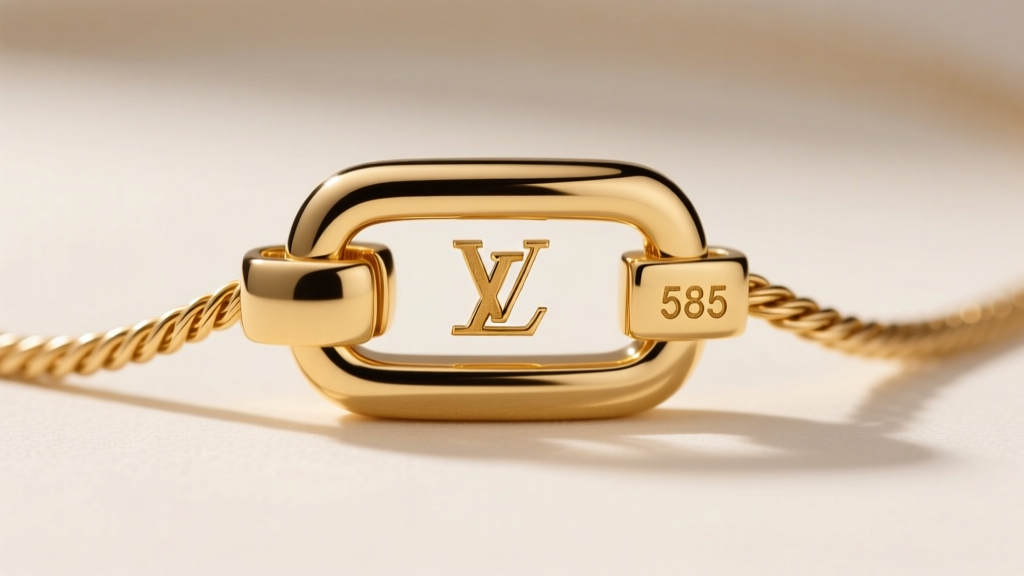
Authentic pieces will almost exclusively use a lobster claw clasp rather than a spring ring. Lobster clasps offer a more secure closure and are easier to manipulate. Furthermore, the clasp should feature a laser-engraved hallmark (e.g., '14K' or '585') and, in many cases, a microscopic designer stamp on the adjacent jump ring.
Metallurgy: Why 14k Gold Dominates the Bezel Setting
While 18k gold (75% pure gold) is highly valued for its rich yellow hue, it is inherently softer and more prone to scratching and deformation. The Mox sapphire necklace relies on a bezel setting—a continuous rim of gold that wraps around the entire girdle of the sapphire.
To execute a flush, gapless bezel, the jeweler must burnish the metal tightly against the stone. 14k solid gold (58.5% purity) is the metallurgical sweet spot for this technique. The higher alloy content (usually a mix of copper, silver, and zinc) provides the necessary rigidity to protect the sapphire's edges from impact while resisting the daily wear-and-tear that causes softer 18k or 22k bezels to warp and eventually release the stone.
'When evaluating a bezel set sapphire, run your fingernail along the gold rim. It should feel perfectly smooth and flush against the stone's crown. Any gaps or snagging points indicate poor craftsmanship and a high risk of the stone popping out under pressure.' — Senior Gemologist Appraisal Notes, 2025
Pricing Tiers & Value Assessment in 2026
Understanding the pricing architecture of the Mox sapphire necklace will protect you from overpaying for inflated retail markups or falling for suspiciously cheap counterfeits. Prices fluctuate based on the origin of the sapphire, the carat weight, and the current spot price of recycled gold.
| Tier | Stone Type & Carat | Hardware | Estimated Price Range (USD) |
|---|---|---|---|
| Entry-Level | Lab-Grown or Light Montana (0.5 - 0.8 ct) | 14k Gold Vermeil or 10k Solid | $250 - $450 |
| Core Collection | Natural Montana Teal / Rose Cut (0.9 - 1.5 ct) | 14k Solid Recycled Gold | $650 - $1,200 |
| Heritage / Raw | Uncut Hexagonal / Salt & Pepper (1.8 - 3.0+ ct) | 14k or 18k Solid Gold, Heavy Box Chain | $1,400 - $2,800+ |
As reported by National Jeweler, the premium for ethically traced, mine-to-market Montana sapphires has increased steadily over the last three years. If a seller is offering a 'natural, large-carat teal Mox sapphire' for under $400, it is almost certainly a lab-created stone, a color-treated sapphire, or a glass simulant.
Authenticity Verification: Avoiding the Dupe Trap
The secondary market and social media platforms are flooded with 'Mox-inspired' necklaces. To ensure you are purchasing a genuine piece or a high-quality equivalent from a reputable independent jeweler, follow this verification checklist:
- Certificate of Origin: Genuine natural Montana sapphires over 1.0 carat should come with a certificate of origin or a detailed receipt specifying the mine (e.g., Rock Creek, El Dorado Bar) and confirming the stone is untreated or only traditionally heat-treated.
- Hallmark Inspection: Use a 10x jeweler's loupe to inspect the clasp and the bail (the loop connecting the pendant to the chain). Look for the '585' or '14K' stamp. Counterfeit pieces often lack stamps or feature poorly cast, blurry markings.
- The Light Test: Hold the necklace under a UV flashlight. Many natural Montana sapphires exhibit mild to strong fluorescence (often a chalky blue or green), whereas synthetic flame-fusion sapphires may show entirely different fluorescence patterns or none at all.
- Return Policy & Warranty: Authentic contemporary designers stand behind their bezel craftsmanship. Look for a minimum 1-year warranty covering structural defects, specifically bezel loosening or chain breakage under normal wear conditions.
Final Thoughts on Sourcing Your Piece
The Mox sapphire necklace represents a perfect synthesis of rugged natural beauty and precise, modern engineering. By prioritizing the structural integrity of the 14k gold bezel, understanding the unique appeal of rose and raw cuts, and verifying the tensile strength of the chain, you can confidently invest in a piece that will endure decades of daily wear. Always demand transparency regarding the sapphire's origin, and remember that true luxury in contemporary jewelry lies in the uniqueness of the stone's natural inclusions, not in manufactured perfection.


