Lois Hill Necklace Troubleshooting: Fix Tarnish & Clasps
Expert troubleshooting guide for your Lois Hill necklace. Learn how to safely clean oxidized silver, restore vermeil, and fix heavy clasps.

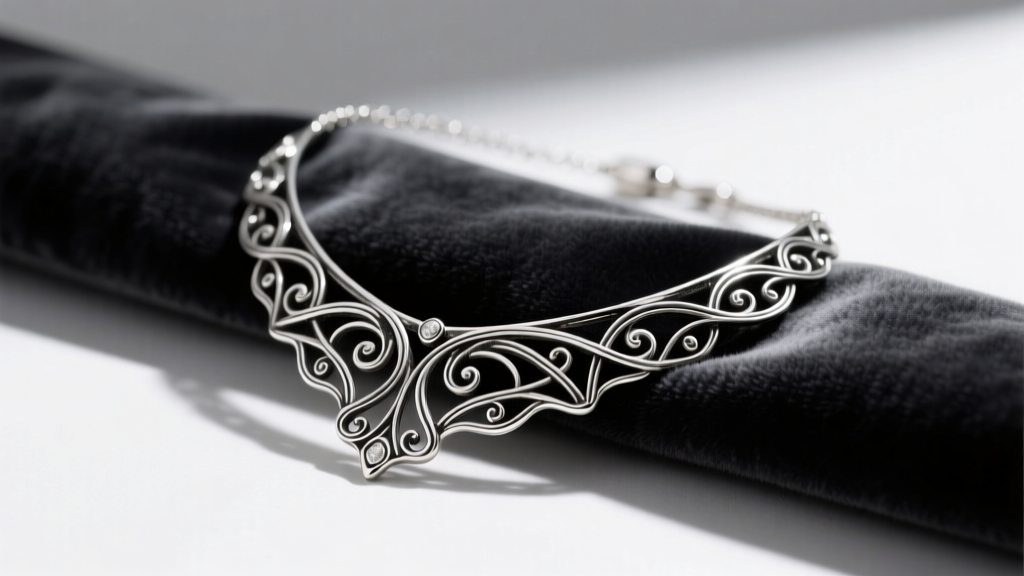
Lois Hill necklaces are celebrated for their artisanal craftsmanship, organic textures, and substantial weight. Whether you own a signature sterling silver filigree pendant or an 18k gold vermeil paperclip chain, these pieces are investments. However, the very design elements that make Lois Hill jewelry unique—heavy gauge metals, intricate crevices, and intentional oxidation—also create specific maintenance and repair challenges. Standard jewelry care advice often falls short, and in some cases, can permanently damage the artisanal finish.
This comprehensive troubleshooting guide addresses the most common issues Lois Hill owners face in 2026, from stripping accidental tarnish removal to upgrading clasps that cannot support the brand's signature heavy pendants.
Decoding the Materials: What You Are Actually Wearing
Before attempting any repair or cleaning, you must understand the metallurgy. Lois Hill primarily works with two core materials:
- 925 Sterling Silver with Intentional Oxidation: The base is standard 92.5% silver, but the brand frequently uses liver of sulfur to create a dark, antique patina in the recessed areas of their filigree and textured designs.
- 18k Gold Vermeil: Unlike standard gold plating (which uses a brass base and a microscopic flash of gold), vermeil must legally consist of a sterling silver base plated with at least 10k gold. According to the Federal Trade Commission guidelines, high-quality vermeil requires a minimum thickness of 2.5 microns of gold, which Lois Hill typically adheres to for durability.
Troubleshooting Tarnish and Oxidation Loss
The most frequent mistake owners make is treating an oxidized Lois Hill necklace like a standard high-polish silver chain. If you use liquid silver dips (like Tarn-X) or aggressive ultrasonic cleaners, you will strip the intentional black oxidation from the crevices, leaving the piece looking flat, overly bright, and stripped of its vintage character.
The Safe Cleaning Protocol for Oxidized Silver
To remove environmental tarnish without destroying the artisanal patina, follow this localized cleaning method:
- Prep: Lay the necklace flat on a microfiber towel.
- Targeted Polishing: Use a treated polishing cloth (such as a Sunshine cloth). Fold the cloth to a sharp point or wrap it around a wooden toothpick.
- Friction Application: Gently rub only the raised, high-polish areas of the silver. Avoid pressing into the darkened grooves.
- Detailing: Use a soft-bristled makeup brush dipped in a tiny amount of mild dish soap and warm water to gently sweep out dust from the filigree, then immediately pat dry with a lint-free cloth.
For deeper insights into preserving textured silver, the Silver Institute recommends avoiding all chemical dips for antique-finished pieces, as the thiourea chemicals dissolve the dark silver sulfide layers indiscriminately.
The Vermeil Dilemma: Restoring Fading Gold Plating
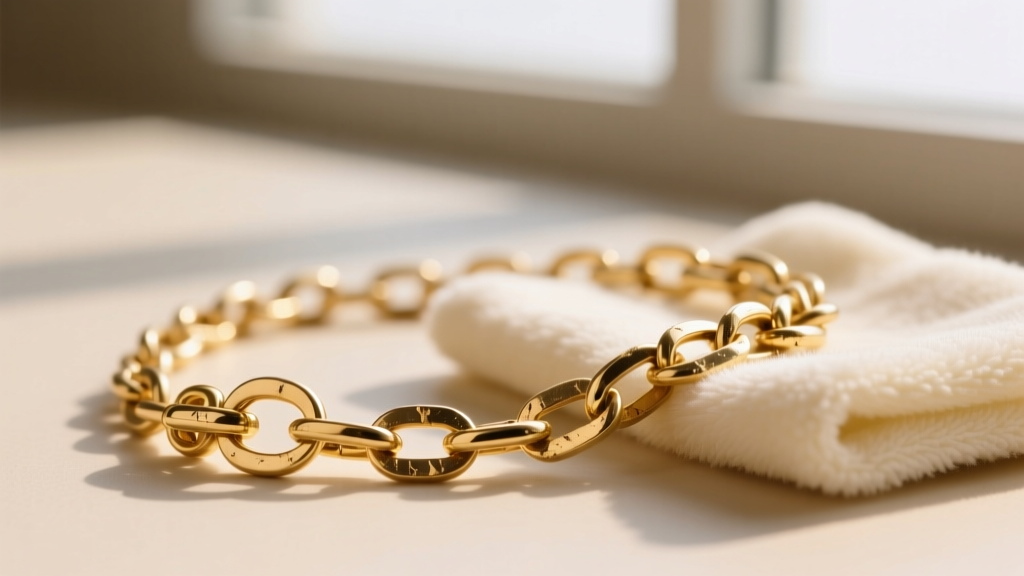
Even at 2.5 to 3 microns thick, 18k gold vermeil will eventually wear down to the sterling silver base at high-friction points: the clasp, the jump rings, and the back of the pendant where it rests against the skin and clothing. When your gold Lois Hill necklace begins to show silver spots, you have two distinct paths.
Option A: Embrace the Patina
Sterling silver is a precious metal. If the wear is localized to the chain links near the clasp, allowing the silver to show through can create a mixed-metal, organic aesthetic that aligns with Lois Hill's earthy design philosophy. Simply maintain it with a dry polishing cloth to prevent the exposed silver from turning black.
Option B: Professional Replating
If the pendant face or central chain links are fading, professional electroplating is required. Below is a breakdown of what to expect when sending your piece to a master jeweler for vermeil restoration.
| Replating Service Level | Estimated Cost (2026) | Gold Thickness Applied | Longevity Expectancy |
|---|---|---|---|
| Standard Flash Plating | $45 - $75 | 0.5 - 1.0 microns | 6 - 12 months |
| Heavy Vermeil Replating | $120 - $180 | 2.5 - 3.0 microns | 3 - 5 years |
| Rhodium Underplating + Vermeil | $150 - $220 | 3.0+ microns over barrier | 5 - 8 years |
Expert Tip: Always request a barrier layer (like palladium or rhodium) between the silver base and the gold plating. This prevents the silver atoms from migrating into the gold layer over time, which is the primary cause of vermeil discoloration.
Clasp and Chain Link Failures
Lois Hill pendants are notoriously heavy, often cast in solid sterling silver with substantial dimensions. This creates a mechanical mismatch when paired with standard jewelry findings.
The Weight-to-Clasp Ratio Problem
A heavy Lois Hill pendant on a thick rolo or paperclip chain generates significant kinetic force when you move. This force is transferred directly to the jump ring and the clasp spring. Common failures include:
- Ovalized Jump Rings: The circular ring connecting the pendant to the chain stretches into an oval, creating a gap where the pendant can slip off.
- Lobster Clasp Spring Fatigue: The internal steel spring inside a sterling silver lobster clasp weakens, causing the lever to stick open or fail to snap shut completely.
The Upgrade Solution
Do not simply solder the stretched jump ring shut; the metal has been work-hardened and thinned. Instead, have a jeweler cut the damaged ring away and install a soldered heavy-duty jump ring (a ring that has been soldered completely shut so it cannot pull apart). For the clasp, upgrade from a standard 12mm lobster clasp to a 17mm or 20mm heavy-duty cast lobster clasp, or switch to a secure toggle clasp which relies on gravity and geometry rather than a fragile internal spring.

Pendant Bail and Soldering Repairs
The bail is the loop at the top of the pendant that the chain passes through. Because Lois Hill designs often feature intricate, organic shapes, the bails are sometimes cast as part of the delicate filigree rather than as a solid, separate component.
Laser Welding vs. Torch Soldering
If the bail cracks or breaks off, the repair method is critical. Traditional torch soldering requires heating a large area of the silver to flow the solder. This intense, widespread heat will completely burn off the intentional oxidation (patina) in the surrounding area, forcing a total re-oxidation of the piece which rarely matches the original factory finish perfectly.
Instead, insist on laser welding. A laser welder uses a highly focused beam of light to fuse metal in a microscopic, localized area. The surrounding silver remains completely cool, preserving the dark liver-of-sulfur patina just millimeters away from the repair site. Always ask your jeweler if they have an in-house laser welder before leaving your piece for bail repair.
Untangling Heavy Gauge Chains
Thick, heavy chains are prone to forming tight, complex knots, especially when stored loose in a jewelry box. Pulling on a heavy sterling silver knot will only tighten it and potentially kink the links, causing permanent structural damage.
The Lubrication Method
- Lay the tangled necklace on a hard, flat surface (glass or acrylic works best).
- Apply a single drop of baby oil or olive oil directly to the center of the knot.
- Use two sewing needles or precision dental picks to gently massage the knot from the outside in.
- The oil reduces the friction coefficient between the metal links, allowing them to slide past one another without kinking.
- Once untangled, wash the chain in warm water with a drop of dish soap to remove the oil, and dry thoroughly.
Preventative Maintenance Framework
To minimize the need for professional repairs, implement this structured maintenance routine for your luxury necklaces:
- Daily: Wipe the back of the pendant and the clasp area with a dry microfiber cloth before storing to remove skin oils and lotions that accelerate vermeil wear.
- Monthly: Inspect the jump ring connecting the pendant to the chain. Look for any stretching or gaps. Check the clasp mechanism to ensure it snaps back with a firm, audible click.
- Annually: Have a professional jeweler ultrasonically clean the chain (avoiding the pendant if it has stones or intentional oxidation) and check all solder points for micro-fractures.
By understanding the specific metallurgy and construction techniques used in Lois Hill jewelry, you can troubleshoot issues effectively and ensure your pieces retain their artisanal beauty for decades.


