Technical Guide: Choosing a Necklace Pearl Silver Piece
An expert technical guide to buying a necklace pearl silver piece, covering silver alloys, nacre grading, stringing mechanics, and failure modes.

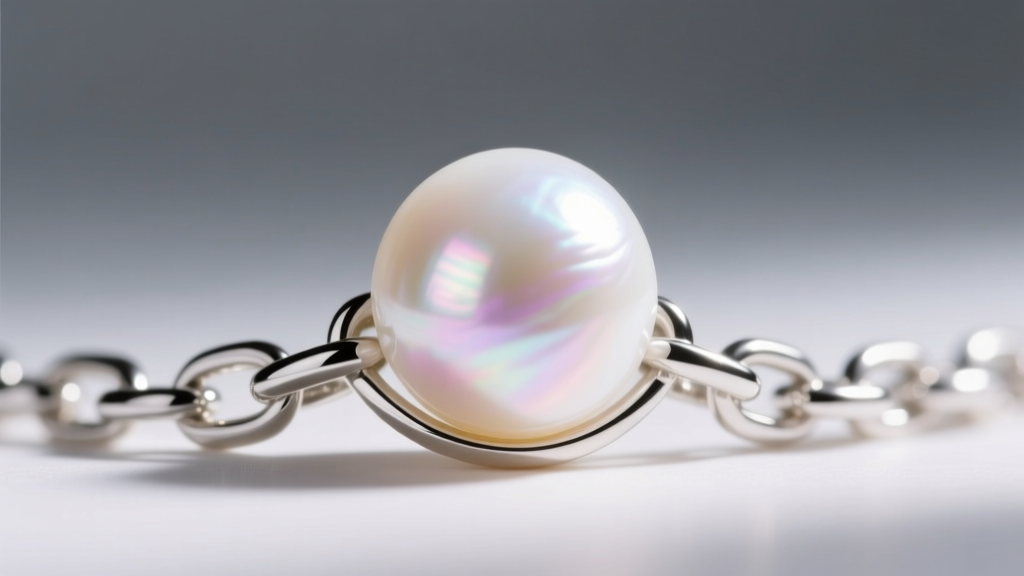
When evaluating a necklace pearl silver combination, most consumers focus solely on the luster of the gemstone or the shine of the metal. However, from a gemological and metallurgical perspective, pairing organic nacre with reactive silver alloys presents unique structural and chemical challenges. Silver is inherently prone to oxidation, and pearls are porous, organic structures composed of microscopic aragonite platelets and conchiolin. If the wrong silver alloy or improper stringing technique is used, the metal can chemically degrade the pearl over time. This technical deep dive explores the exact material grades, construction mechanics, and failure modes you must understand before investing in high-end silver pearl jewelry.
The Metallurgical Reality: Silver Alloys and Pearl Safety
The standard for silver jewelry is Sterling Silver (925), which consists of 92.5% pure silver and 7.5% copper. The copper is added to increase tensile strength and hardness, as pure silver (999) is too malleable for durable clasps and chain links. However, copper is highly reactive to sulfur and moisture in the environment, forming copper sulfide—the black tarnish commonly seen on older silver pieces.
When a tarnished sterling silver chain rests against a pearl, the porous nacre can absorb these metallic sulfides, leading to permanent gray or brown staining on the pearl's surface. To mitigate this, premium jewelers utilize one of two technical solutions:
- Rhodium Flashing: A thin electroplated layer of rhodium (typically 0.05 to 0.15 microns thick) is applied over the sterling silver. Rhodium is a platinum-group metal that is entirely inert and highly reflective. According to the Silver Institute, proper rhodium plating creates an impenetrable barrier against copper oxidation, protecting both the metal's finish and the adjacent pearls.
- Argentium Silver: A modern alloy containing 93.5% or 96% silver, with copper partially replaced by germanium. The germanium reacts with oxygen to form a transparent, self-healing germanium dioxide passivation layer on the surface, making the alloy virtually tarnish-proof without the need for rhodium plating.
Gemological Breakdown: Matching Pearl Types with Silver
Not all pearls interact with silver settings in the same way. The thickness of the nacre and the quality of the conchiolin (the organic protein binder) dictate how susceptible a pearl is to environmental and chemical damage. The Gemological Institute of America (GIA) categorizes pearls by their cultivation method, which directly impacts their structural integrity when paired with silver hardware.
| Pearl Type | Avg. Nacre Thickness | Luster Profile | Ideal Silver Pairing & Hardware |
|---|---|---|---|
| Akoya (Saltwater) | 0.3mm - 0.5mm | Sharp, mirror-like | Rhodium-plated 925 silver; requires protective silk knotting to prevent bead-cup abrasion. |
| Freshwater | 1.0mm - 3.0mm (Solid) | Soft, satiny glow | Argentium or Sterling; highly durable, can withstand direct contact with silver bead spacers. |
| South Sea | 2.0mm - 6.0mm | Deep, luxurious | Heavy-gauge 925 silver clasps; avoid tight silver bead caps that trap moisture against the drill hole. |
| Tahitian | 0.8mm - 2.0mm | Peacock overtones | Darkened/oxidized sterling silver to enhance the dark body color of the nacre. |
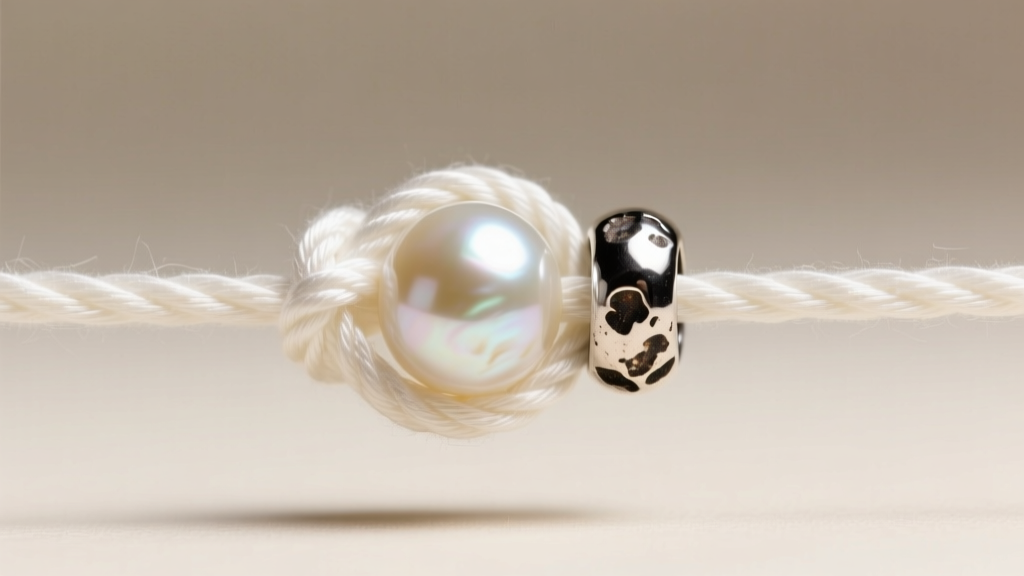
Stringing, Knotting, and Clasp Mechanics
The structural failure of a necklace pearl silver strand rarely occurs at the pearls themselves; it almost always occurs at the junction where the organic fiber meets the metal hardware. Understanding the mechanics of stringing is vital for assessing quality.
French Wire (Gimp) Protection
In a professionally constructed pearl necklace, the silk thread should never pass directly through the silver jump ring of the clasp. The microscopic abrasion from the silver rubbing against the silk will sever the thread within months of daily wear. High-end pieces utilize French wire (also known as gimp)—a micro-coiled spring of fine silver or gold-filled wire. The silk passes through the hollow center of the coil, and the coil wraps over the silver jump ring, taking the brunt of the friction. If a piece lacks French wire or flexible wire guards, it is a sign of mass-produced, inferior construction.
Thread Sizing and Knot Tension
Pearls must be knotted individually to prevent catastrophic loss if the strand snaps. The thread gauge must be perfectly matched to the pearl's drill hole diameter.
- Griffin Size 0 (0.30mm): Used for 6.0mm to 7.0mm Akoya pearls.
- Griffin Size 2 (0.45mm): Used for 8.0mm to 9.0mm Freshwater or South Sea pearls.
If the thread is too thin, the knots will slip through the drill holes. If the thread is too thick, the pearls will be strung with excessive tension, causing the nacre to chip at the drill margins when the necklace bends around the neck.
The Spring Ring vs. Lobster Clasp Debate
Silver spring ring clasps rely on an internal steel spring. Because steel is magnetic and prone to rust, the internal mechanism can seize or degrade if exposed to moisture, leading to clasp failure. For heavy South Sea or multi-strand pearl necklaces, a cast solid 925 lobster clasp with a heavy-duty soldered lever is mandatory. Ensure the solder joints on the lobster clasp are laser-welded or cleanly torch-soldered; porous silver solder joints will snap under the dynamic weight of a pearl strand.
Maintenance and Chemical Failure Modes
The most common way owners destroy a necklace pearl silver piece is through improper cleaning protocols. Silver and pearls require diametrically opposed chemical environments for maintenance.

The Danger of Silver Dips
Commercial liquid silver cleaners (silver dips) rely on thiourea, a highly toxic and corrosive organosulfur compound, to instantly strip tarnish from silver. If a pearl is submerged in a thiourea-based dip, the chemical will instantly strip the pearl's orient and overtone, leaving behind a dull, chalky, and permanently etched surface. According to GIA care guidelines, pearls should only ever be wiped with a damp, lint-free microfiber cloth. Never use ultrasonic cleaners; the high-frequency cavitation will shheat the conchiolin layers, causing the nacre to peel or crack, especially in treated or irradiated pearls.
Safe Polishing Techniques
To polish the silver components without damaging the pearls, use a dry, untreated silver polishing cloth (impregnated with micro-abrasives, not liquid chemicals). Carefully maneuver the cloth around the silver clasp and bead caps, ensuring the cloth does not drag aggressively against the pearl's drill holes, which can pack abrasive dust into the nacre.
2026 Pricing Tiers and Value Assessment
When shopping for a high-quality silver and pearl necklace in the current market, pricing is dictated by the nacre quality, the silver alloy treatment, and the craftsmanship of the stringing. Below is a technical pricing framework for authentic, gem-quality pieces:
- Entry-Tier ($150 - $350): Commercial-grade freshwater pearls (potato or button shapes), strung on synthetic nylon without French wire, attached to a standard 925 spring-ring clasp. Expect minor blemishes and lower luster.
- Mid-Tier ($400 - $900): Round, high-luster freshwater or entry-level Akoya pearls (6-7mm), individually knotted on Size 0 silk with proper gimp protection. The silver hardware will feature a bright rhodium flash to prevent tarnish transfer.
- Premium-Tier ($1,200 - $3,500+): Hanadama-certified Akoya or gem-grade white South Sea pearls, strung on matched silk with custom-cast Argentium silver clasps featuring integrated diamond or sapphire accents. The stringing tension is flawless, and the drill holes are perfectly centered.
By prioritizing the metallurgical barrier between the silver and the nacre, and demanding proper stringing mechanics like French wire and correctly gauged silk, you ensure that your necklace remains structurally sound and optically brilliant for decades. Never compromise on the hardware; the silver is the structural skeleton that protects your organic investment.


