Best Macrame Necklace Patterns: Budget & Value Guide
Discover the true cost and value of macrame necklace patterns. Compare DIY material expenses versus retail pricing for handcrafted cord jewelry.

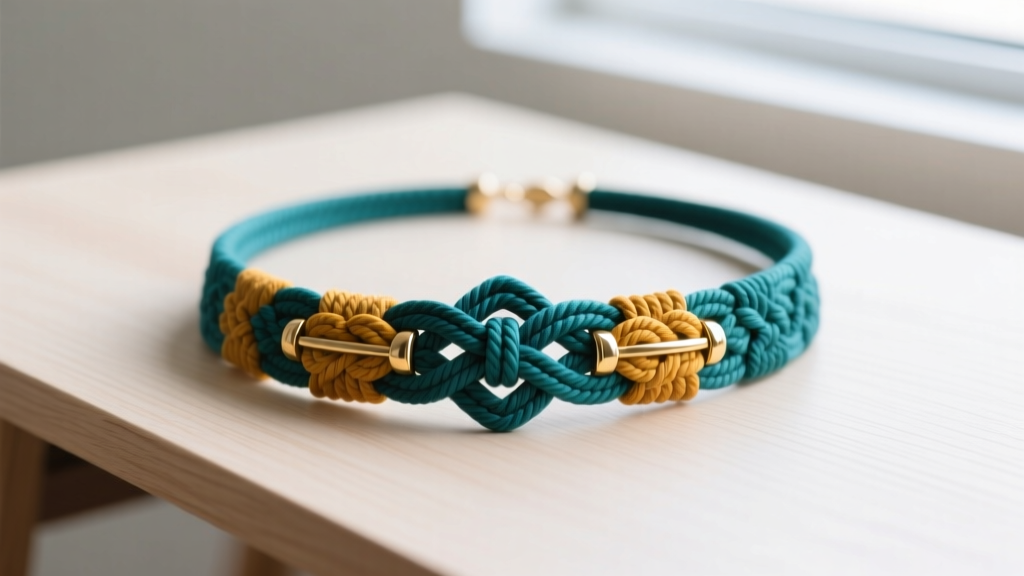
The True Cost of Macrame: DIY vs. Retail in 2026
When evaluating macrame necklace patterns, the conversation often skews toward aesthetic appeal, ignoring the rigorous economics of handcrafted jewelry. As we navigate the 2026 artisan market, the price gap between fast-fashion knockoffs and genuine hand-knotted macrame has widened. But is it more cost-effective to buy finished pieces or source your own materials? This budget and value assessment breaks down the exact material costs, labor valuations, and long-term durability of macrame jewelry to help you make financially sound decisions.
Whether you are a hobbyist looking to justify your supply stash or a buyer trying to understand why an artisan pendant costs $85, understanding the intersection of material grade and time investment is crucial. According to Macrame School, the surge in premium micro-macrame has elevated the craft from simple boho-chic accessories to high-end, gemstone-wrapped wearable art.
Material Breakdown: Where Your Budget Actually Goes
The foundation of any macrame necklace is the cord. Choosing the wrong cord not only ruins the drape of the piece but leads to premature fraying and UV degradation. Here is a comparative analysis of the most common cords used in modern macrame necklace patterns, evaluated by cost-per-meter and durability.
| Cord Brand & Type | Material | Standard Gauge | Avg. Price (2026) | Best Use Case |
|---|---|---|---|---|
| Linhasita | Waxed Polyester | 0.5mm - 1.0mm | $8.50 / 50m | Intricate pendants, gemstone wrapping |
| C-Lon | Bonded Nylon | 0.4mm - 0.9mm | $4.00 / 92yds | Micro-macrame, tight tension knots |
| Hemp (Generic) | Natural Fiber | 1.0mm - 2.0mm | $6.00 / 20m | Chunky chokers, rustic aesthetics |
| S-Lon | Nylon Multifilament | 0.5mm | $5.50 / 77yds | Bead weaving integration, soft drape |
For high-value pieces, Linhasita remains the gold standard. Its wax coating provides structural memory, meaning your square knots and Josephine knots will hold their shape without the need for excessive chemical sealants. Generic unbranded nylon cords from bulk marketplaces often lack this wax treatment, resulting in loose tension and a 'floppy' final product that devalues the piece.
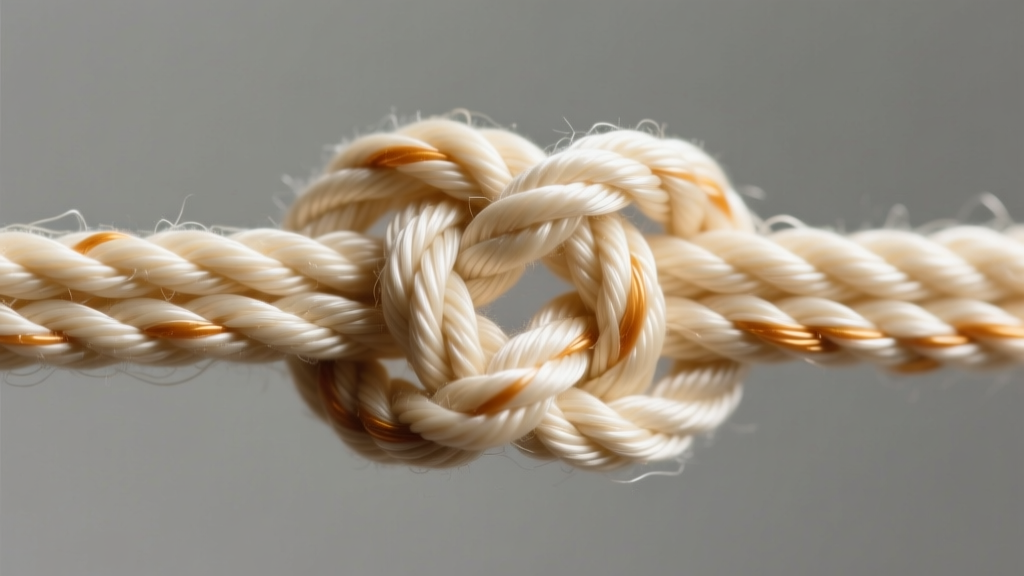
Evaluating Pattern Complexity and Time Value
The most misunderstood metric in jewelry pricing is labor. Macrame is inherently time-intensive. A standard 18-inch square-knot chain might take a beginner 3 hours, while an expert can complete it in 45 minutes. However, complex micro-macrame pendants featuring lace-like picots and integrated cabochons can easily demand 8 to 12 hours of continuous, eye-straining work.
The Hidden Costs: Findings, Hardware, and Sealants
Budgeting for a DIY macrame necklace extends beyond the cord. You must factor in the hardware. Upgrading from base-metal lobster clasps to solid sterling silver or gold-filled findings can increase your material cost by $15 to $30, but it exponentially increases the perceived and actual value of the necklace.
- GS Hypo Cement ($6.00): The industry standard for sealing knot ends. Unlike cyanoacrylate (superglue), which dries brittle and cracks under the flex of a necklace, Hypo Cement retains a slight flexibility, preventing knot failure.
- Thread Burner ($15.00): Essential for synthetic cords. Melting the end of a polyester cord and pressing it flat with a silicone pad creates a permanent, invisible seal that will never unravel.
- Jump Rings & Bails ($2.00 - $12.00): Always use closed, soldered jump rings for the main pendant bail. Macrame cords exert lateral torque; unsoldered rings will eventually pull apart, dropping your pendant.
Top Macrame Necklace Patterns Ranked by ROI
Return on Investment (ROI) in jewelry making can be viewed through two lenses: financial savings (DIY vs. Retail) and time-to-wear ratio. Here is how the most popular macrame necklace patterns stack up.
1. The Classic Square Knot Chain
Material Cost: $3.00 | Time: 1.5 Hours | Retail Equivalent: $45.00
This pattern offers the highest immediate financial ROI. It requires only one continuous cord and repetitive muscle memory. It is the perfect entry point for beginners looking to build a wardrobe of colorful, durable chains without spending hours on a single piece.
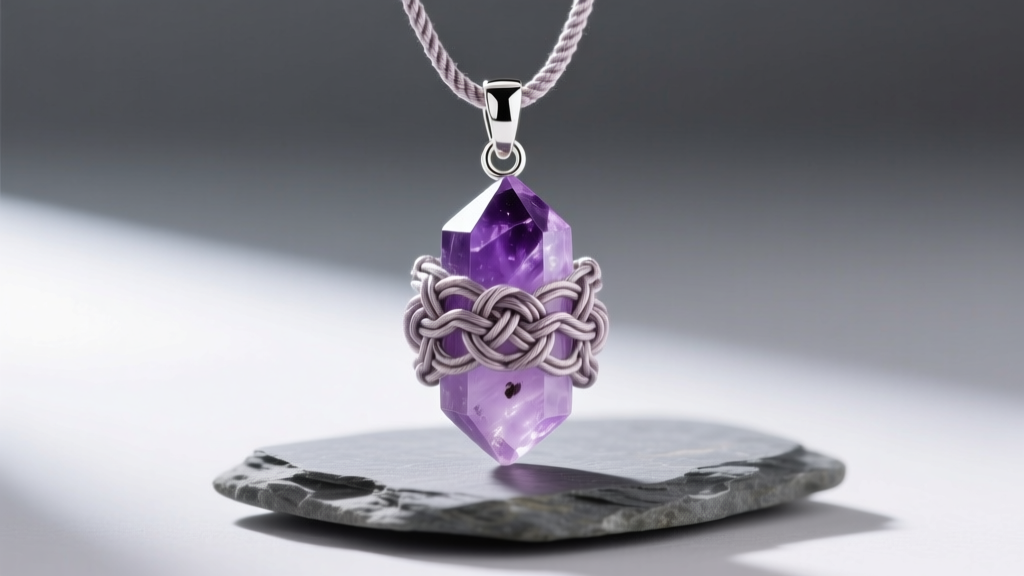
2. The Lark's Head Gemstone Wrap
Material Cost: $12.00 (including raw crystal) | Time: 3 Hours | Retail Equivalent: $85.00 - $120.00
Using a sliding macrame closure eliminates the need for expensive metal clasps, keeping material costs low while allowing the wearer to adjust the length from choker to opera. The value here lies in the custom stone setting, which commands a premium in the retail market.
3. Micro-Macrame Lace Collar
Material Cost: $18.00 | Time: 15+ Hours | Retail Equivalent: $250.00+
While the financial savings are massive if you DIY, the time investment is staggering. As noted by experts at Interweave Jewelry Making, micro-macrame requires magnification and frequent breaks to prevent repetitive strain injuries. The value proposition here is purely artistic; you are creating heirloom-level couture.
Common Failure Modes and How to Avoid Them
A cheap macrame necklace reveals itself not on day one, but on day sixty. Understanding failure modes is critical for assessing the long-term value of a pattern or a purchased piece.
The most common point of failure in macrame jewelry is not the knot slipping, but the cord degrading at the friction point where it passes through the metal clasp or jump ring.
To mitigate this, high-value patterns incorporate a 'cord protector' or a wire guardian at the clasp loop. If you are buying a piece, inspect the clasp connection. If raw nylon cord is looped directly through a sharp, stamped brass jump ring, it will eventually saw through and break. If you are making it, invest the extra $0.50 for a French wire guard to ensure the piece lasts a lifetime.
Furthermore, natural fibers like hemp and cotton are highly susceptible to moisture and skin oils. Over time, they will darken, stiffen, and harbor bacteria. For everyday wear necklaces that offer true long-term value, always specify synthetic, wax-coated polyesters or nylons which can be washed with mild soap and water without losing their structural integrity.
Final Verdict: Is DIY Macrame Worth It?
If your goal is purely financial savings on basic, everyday chains, DIY macrame is incredibly cost-effective. Sourcing bulk jewelry making supplies allows you to produce a high-quality, custom-colored square knot chain for under $5, saving you $40 compared to boutique retail prices.
However, if you are eyeing complex, gemstone-wrapped micro-macrame pendants, the DIY route requires a significant upfront investment in specialized tools (thread burners, magnification, premium needles) and dozens of hours of practice. In this tier, purchasing from an established artisan is often a better value, as you are paying for their mastered tension control and structural engineering, ensuring the piece will not unravel or degrade over time. Ultimately, the best macrame necklace patterns are those that align with your available time, your budget for premium cords, and your tolerance for intricate, repetitive handwork.


