How to Choose and Style a Chain Necklace With Beads
Learn how to choose, style, and care for a chain necklace with beads. Discover bead materials, chain gauges, and layering tips for beginners.

The Anatomy of a Chain Necklace With Beads
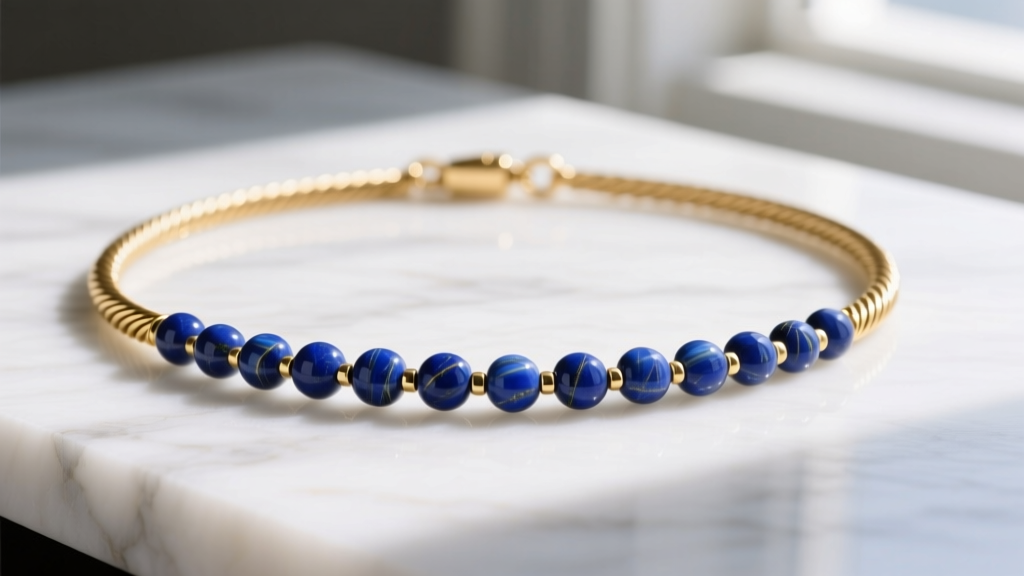
When shopping for a chain necklace with beads, beginners often focus solely on the gemstone color or the metal finish, overlooking the structural engineering that keeps the piece intact. A beaded chain necklace—often referred to as a station necklace or a beaded link chain—is a hybrid design that marries the fluid drape of a metal chain with the focal pop of gemstones, glass, or pearls. Understanding how these two elements interact is the first step toward making a purchase that lasts.
Unlike a solid metal chain or a fully strung bead necklace, a chain necklace with beads relies on transition points where the metal meets the stone. These transition points dictate the necklace's durability, drape, and overall value. In this beginner-friendly guide, we will break down the exact specifications you need to look for, from chain gauge thickness to gemstone hardness, ensuring you invest in a piece that withstands daily wear.
Chain Gauges and Link Styles
The chain serves as the structural backbone of the necklace. For a chain necklace with beads, the gauge (thickness) of the wire used to make the chain is critical. If the chain is too thin, the weight of the beads will cause the links to stretch, warp, or snap. According to jewelry manufacturing standards outlined by Rio Grande, a premier jewelry supplier, station necklaces should ideally utilize chains ranging from 1.2mm to 2.5mm in thickness.
- Cable Chains (1.2mm - 1.8mm): Classic oval links. Best for lightweight beads like freshwater pearls or small glass stations.
- Box Chains (1.5mm - 2.5mm): Square links that offer superior tensile strength. Ideal for heavier semi-precious stone beads like quartz or agate.
- Curb Chains (2.0mm+): Flattened, interlocking links. Excellent for chunky, modern bead stations but can pull on fine body hair if not polished properly.
Bead Materials and the Mohs Hardness Scale
Not all beads are created equal. When evaluating a chain necklace with beads, you must consider the Mohs Hardness Scale, which measures a mineral's resistance to scratching. The Gemological Institute of America (GIA) emphasizes that gems with a Mohs rating below 5 are highly susceptible to abrasion and chipping when they constantly collide with metal links.

For everyday wear, look for beads made of quartz (Mohs 7), agate (Mohs 7), or onyx (Mohs 7). If you prefer pearls (Mohs 2.5-4.5) or opals (Mohs 5.5-6.5), ensure the chain features protective metal bezels or spacing buffers to prevent the metal links from grinding against the softer gemstone surfaces over time.
Attachment Methods: Where Necklaces Fail
The most common reason a chain necklace with beads ends up in a repair shop is not a broken chain, but a failed attachment point. As a beginner, learning to identify how the beads are secured to the chain will save you from purchasing poorly constructed jewelry. Here are the three primary attachment methods, ranked by durability:
1. Wire-Wrapping (High Flexibility, Medium Durability)
Wire-wrapping involves using a thin piece of metal wire (usually 22 to 26 gauge) to loop through the bead and twist around the chain links. While this allows the bead to swivel and catch the light beautifully, the wire can experience metal fatigue. If the wire is 'dead-soft' rather than 'half-hard', repeated bending from daily wear can cause it to snap. Always check that the wire wraps are tight and flush against the bead hole.
2. Bead Tips and Clamshells (Low Profile, High Security)
Often used for pearl station necklaces, a bead tip (or clamshell) is a tiny metal cup that closes over a knot or crimp bead, featuring a hook that connects to the chain. This prevents metal-on-pearl friction. However, the tiny jump ring connecting the clamshell hook to the chain must be soldered shut; if it is merely pinched closed, a slight tug will pull the chain link through the gap.
3. Integrated Link Stations (Highest Durability)
In high-end manufacturing, the bead is set into a metal bezel or tube that is permanently soldered directly into the chain as a structural link. There are no jump rings or wire wraps. This creates a seamless, unbreakable connection, though it limits the swivel and drape of the bead.
Expert Troubleshooting Tip: Run your fingers lightly over the connection points of a beaded chain. If you feel sharp wire ends protruding from a wrap, or if a jump ring shifts open when you apply gentle lateral pressure, leave it on the display rack. These are immediate failure points.
Sizing and Proportion Framework
Choosing the right length and bead proportion is essential for flattering your neckline and ensuring the necklace sits correctly. A chain necklace with beads that is too long will swing away from the body, while one that is too short may feel restrictive and cause the beads to sit awkwardly on the collarbone.
| Necklace Length | Ideal Bead Size | Best Neckline Pairing | Style Profile |
|---|---|---|---|
| 16 Inches (Choker) | 3mm - 5mm | Boatneck, Strapless, V-Neck | Delicate, sits on the collarbone |
| 18 Inches (Princess) | 5mm - 8mm | Scoop Neck, Crew Neck | Classic, rests just below the throat |
| 20-22 Inches (Matinee) | 8mm - 12mm | Turtleneck, Button-down | Statement, elongates the torso |
| 24+ Inches (Opera) | 10mm+ | Deep V, Evening Wear | Bohemian, dramatic drape |
Styling and Layering Techniques
A chain necklace with beads is a versatile layering piece. Because the beads act as natural visual anchors, they help break up the monotony of stacking multiple plain metal chains. Follow the 'Rule of Three' for a balanced, curated look:
- The Base Layer (14-16 inches): Start with a simple, lightweight metal chain without beads, such as a 1.0mm snake chain or a delicate cable chain.
- The Focal Layer (18 inches): Introduce your chain necklace with beads here. The spaced-out stations will provide texture and color without overwhelming the stack.
- The Anchor Layer (20-24 inches): Finish with a heavier chain, such as a 3.0mm Cuban link, or a single large pendant necklace to draw the eye downward and elongate the neck.
When mixing metals, a chain necklace with beads that features mixed-metal accents (like a gold chain with silver bead caps) can serve as a bridge, allowing you to seamlessly blend yellow gold and sterling silver pieces in the same stack.
Common Maintenance and Care Protocols
Maintaining a beaded chain requires a different approach than caring for solid metal jewelry. The intersection of organic or porous gemstones and metal chains means you cannot simply toss the piece into an ultrasonic cleaner.
Cleaning Guidelines by Bead Type
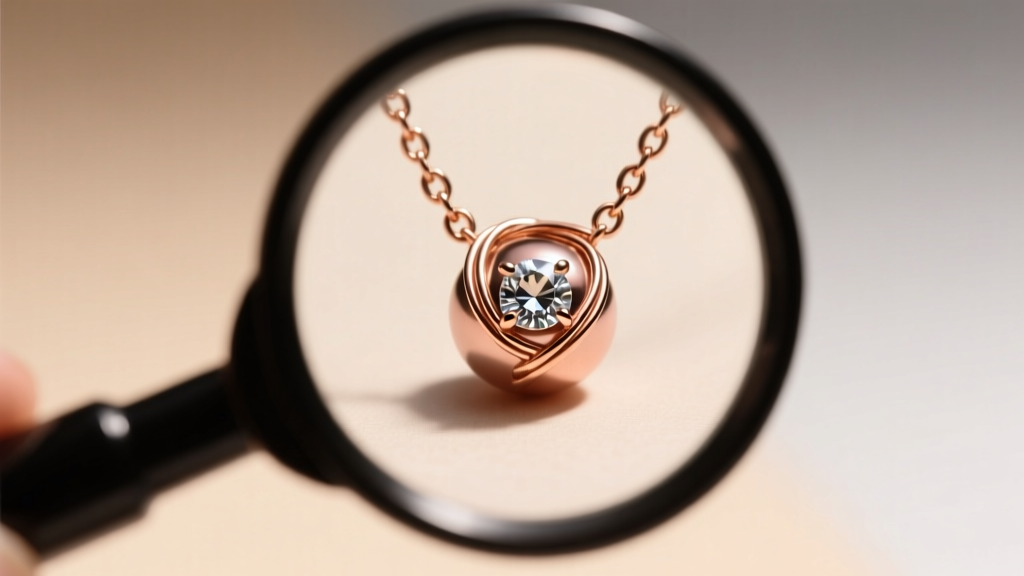
- Diamond, Sapphire, and Quartz: These hard stones (Mohs 7-10) can handle mild dish soap, warm water, and a soft-bristled toothbrush. You can safely scrub the metal chain and the beads simultaneously.
- Pearls, Coral, and Turquoise: These porous materials will absorb chemicals and lose their luster. Wipe the beads gently with a damp microfiber cloth. Clean the metal chain separately using a polishing cloth, being careful not to rub the polishing compound onto the organic beads.
- Opals and Emeralds: Often treated with oils or resins, these stones can crack or dry out if exposed to harsh soaps or ultrasonic vibrations. Wipe only with a dry, untreated jeweler's cloth.
Storage to Prevent Wire Fatigue
Never store a chain necklace with beads in a tight pouch where the chain is forced into sharp angles. The weight of the beads pressing against bent chain links can weaken the soldering points over time. Instead, lay the necklace flat in a lined jewelry box, or hang it vertically from a padded hook to allow gravity to keep the chain links aligned and tension-free.
Where to Buy: Pricing and Value Expectations
Understanding the pricing tiers of beaded chain necklaces will help you identify genuine value versus overpriced costume jewelry. Use this framework to set your budget expectations:
- $30 - $80 (Fashion & Semi-Fine): Expect gold-plated or sterling silver chains with glass, cubic zirconia, or dyed howlite beads. Attachment points are usually glued or lightly crimped.
- $120 - $350 (Demi-Fine): Solid 14k gold-filled or heavy vermeil chains featuring genuine semi-precious stones (amethyst, garnet, peridot). Wire-wrapping is standard, and jump rings are often soldered.
- $500 - $1,500+ (Fine Jewelry): Solid 14k or 18k gold chains with precision-cut precious gems or high-luster Akoya pearls. Beads are integrated as structural links or secured with micro-pave bezels.
Final Thoughts for Beginners
Selecting the perfect chain necklace with beads is an exercise in balancing aesthetics with structural integrity. By paying close attention to the chain gauge, verifying the Mohs hardness of the gemstones, and inspecting the attachment points for secure soldering, you can confidently purchase a piece that transitions seamlessly from everyday wear to special occasions. Remember that a well-constructed beaded chain is not just an accessory; it is a wearable intersection of metallurgy and gemology that, when cared for properly, will last a lifetime.