2026 Gift Guide: Choosing the Perfect Multi Pendant Necklace
Discover the ultimate 2026 gift guide for the multi pendant necklace. Learn how to match metals, lengths, and charms for every occasion.

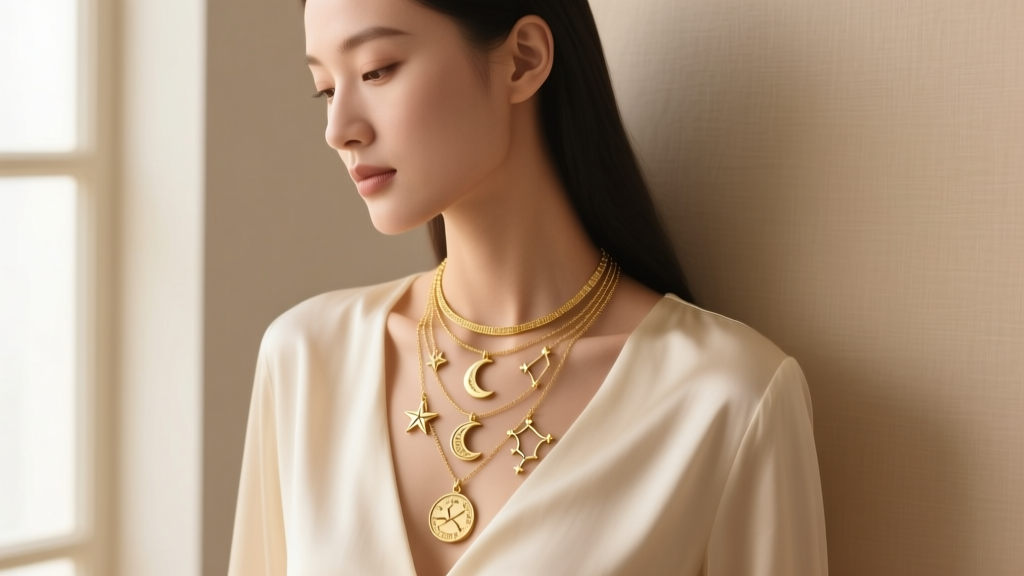
The Evolution of the Multi Pendant Necklace in 2026
As we navigate the jewelry trends of 2026, the minimalist 'less is more' philosophy has gracefully yielded to curated maximalism. At the forefront of this shift is the multi pendant necklace. No longer just a haphazard collection of charms, today's multi pendant necklace is a sophisticated, engineered piece of storytelling. Whether you are shopping for a milestone anniversary, a graduation, or a deeply personal Mother's Day gift, understanding the mechanics, metallurgy, and styling rules of these pieces is essential for selecting a gift that will be cherished for decades.
Gifting a necklace with multiple pendants requires a keen eye for structural integrity and aesthetic balance. A poorly constructed piece will tangle endlessly, while a thoughtfully engineered one will lay perfectly against the collarbone, allowing each charm to catch the light independently. This comprehensive guide will walk you through the exact specifications, material grades, and occasion-matching strategies you need to make an informed purchase.
Anatomy of a Quality Piece: Chains, Gauges, and Bails
The most common failure point in any multi pendant necklace is the chain. When you suspend three to five pendants from a single strand, the asymmetrical weight distribution puts immense stress on the links.
Chain Styles and Gauge Thickness
Avoid delicate 0.8mm cable chains or hollow-rope chains. Instead, look for a 1.2mm to 1.5mm box chain or a wheat (spiga) chain. Box chains feature square, interlocking links that distribute weight evenly and resist kinking, while wheat chains offer a braided, semi-rigid structure that naturally prevents the pendants from sliding into a tangled cluster at the center of the chest. According to the Jewelers of America, selecting a chain with a high tensile strength is paramount when dealing with multi-component jewelry to prevent micro-fractures in the metal.
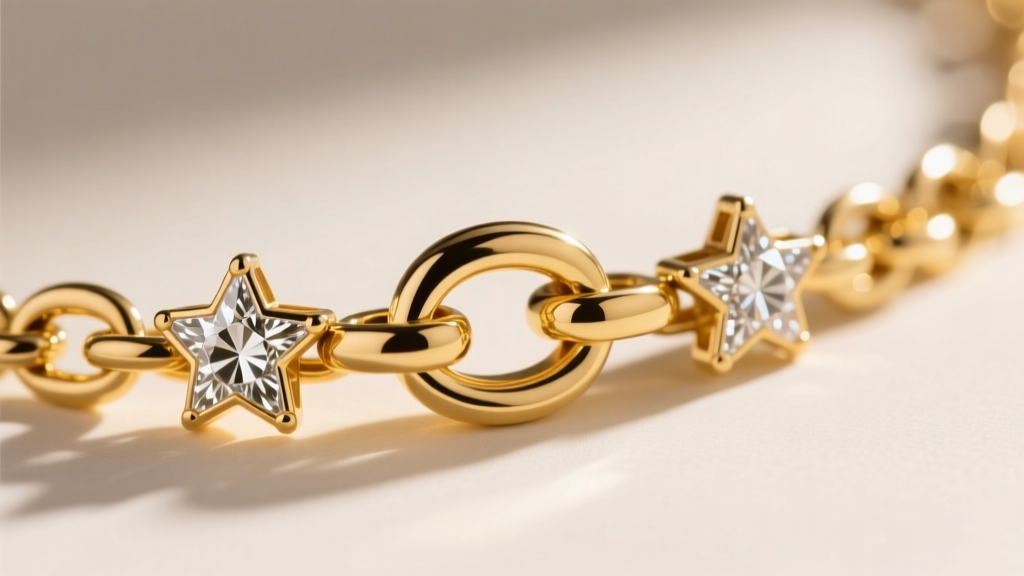
Bail Mechanics: Fixed vs. Sliding
The bail is the loop that connects the pendant to the chain. In a multi pendant necklace, you generally have two options:
- Sliding Bails: These allow the charms to move freely along the chain. They offer a relaxed, bohemian look but require the wearer to occasionally adjust the spacing.
- Fixed (Soldered) Jump Rings: The pendants are permanently attached at specific intervals. This is the superior choice for gifting, as it guarantees the necklace will always maintain its intended silhouette without tangling.
For the clasp, always opt for a lobster clasp over a spring ring. Lobster clasps feature a solid, one-piece body that can withstand the lateral pull of multiple heavy charms without warping.
Occasion Matching: The 2026 Gifting Matrix
Matching the thematic elements of the pendants to the recipient's milestone is what elevates a simple accessory to a profound keepsake. Below is a strategic framework for matching occasions with pendant themes, metals, and realistic pricing tiers.
| Occasion | Pendant Theme | Recommended Metal | Estimated Price Range |
|---|---|---|---|
| Mother's Day / Push Gift | Birthstone clusters or interlocking rings | 14k Rose or Yellow Gold | $450 - $850 |
| Milestone Anniversary | Coordinates, roman numerals, or diamonds | Platinum or 18k White Gold | $1,200 - $2,500+ |
| Graduation / New Career | Compass, stars, or subtle geometric shapes | 925 Sterling Silver (Rhodium plated) | $85 - $180 |
| Valentine's Day | Hidden messages, puzzle pieces, or hearts | 14k Gold Vermeil over Silver | $120 - $250 |
Pro Tip: When gifting a multi pendant necklace with hidden engravings (like coordinates on the back of a disc charm), ensure the jeweler uses laser engraving rather than mechanical stamping, which can warp thin metal discs and cause them to bend out of shape.
Gemstone Hardness: A Critical Consideration for Birthstone Gifts
If you are gifting a multi pendant necklace featuring multiple gemstones—such as a family birthstone necklace—you must consider the Mohs scale of mineral hardness. When multiple stones hang in close proximity, they will inevitably knock against one another during daily wear.
The GIA Gem Encyclopedia emphasizes that storing and wearing stones of varying hardness together can lead to severe abrasion. For example, if a necklace features a Diamond (Mohs 10) or Sapphire (Mohs 9) pendant resting next to an Opal (Mohs 5.5-6.5) or Pearl (Mohs 2.5-4.5), the harder stone will act like sandpaper, permanently scratching the softer gem over time.
How to Mitigate Stone Damage
- Use Spacers: Request that the jeweler place a small, smooth metal bead or a fixed gold disc between softer and harder gemstone pendants.
- Opt for Bezels: Choose pendants where the gemstones are fully encased in a metal bezel setting. The metal rim will take the brunt of the impact, protecting the delicate edges of stones like Emerald or Moonstone.
- Asymmetrical Lengths: Instead of putting all pendants on one chain, gift a 'lariat' style multi pendant necklace where the charms hang at staggered 1-inch vertical intervals, preventing them from colliding.
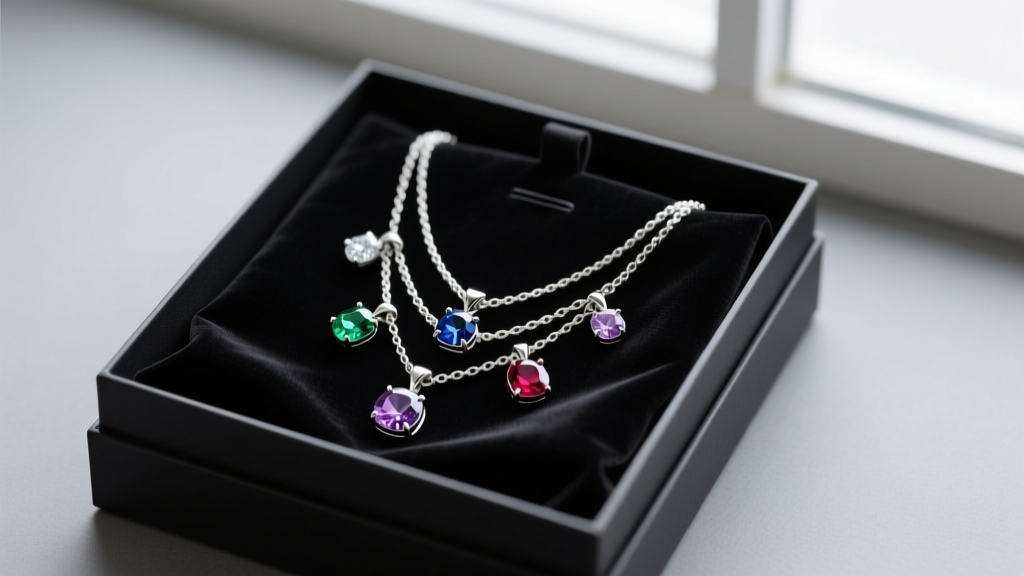
Metallurgy and Durability: 14k vs. 18k Gold
When investing in a fine jewelry gift, understanding alloy compositions is vital. Pure 24k gold is far too soft to support the weight of multiple pendants; it will stretch and snap. Therefore, gold is alloyed with metals like copper, silver, and zinc.
18k Gold (75% pure gold): Offers a rich, buttery yellow hue and is highly hypoallergenic. However, it is slightly softer. If the recipient plans to wear the necklace daily, an 18k chain may stretch over the years under the weight of heavy charms.
14k Gold (58.5% pure gold): The undisputed champion for multi pendant necklaces. The higher ratio of alloy metals dramatically increases the tensile strength and scratch resistance of the chain. For a piece that will hold three or more pendants and be worn close to the skin (exposed to perfumes and lotions), 14k gold provides the perfect equilibrium of luxury and structural longevity.
Care and Maintenance for Multi-Component Jewelry
Gifting a beautiful piece of jewelry also means equipping the recipient with the knowledge to maintain it. Multi pendant necklaces require specific care routines due to their complex architecture.
- Avoid Ultrasonic Cleaners: While ultrasonic machines are great for plain diamond solitaires, the high-frequency vibrations can shake loose the tiny prongs holding melee diamonds in multi-charm settings, or fracture included stones like Emeralds.
- The 'Flat Lay' Storage Rule: Never toss a multi pendant necklace into a jewelry box. The chains will weave through the bails, creating a knot that requires professional jeweler intervention to fix without breaking a link. Always store the piece flat, fully extended, or hang it on a padded velvet hook.
- Polishing Cloths: Gift a treated jeweler's polishing cloth alongside the necklace. Wiping down the chain and the bails once a month removes the microscopic buildup of body oils and cosmetic residues that cause the metal to look dull and accelerate tarnishing in silver pieces.
Final Thoughts on Gifting with Intention
The multi pendant necklace is more than just a trend; it is a wearable mosaic of a person's life, loves, and milestones. By prioritizing structural elements like a 1.2mm box chain, understanding the Mohs hardness of gifted gemstones, and selecting the appropriate 14k gold alloy for daily durability, you elevate your gift from a fleeting fashion accessory to a permanent family heirloom. Approach your 2026 gifting with these technical insights, and you will undoubtedly present a piece that is as resilient as it is beautiful.


