Troubleshooting & Repairing a Vintage Sigrid Olsen Necklace
Learn to authenticate and repair a vintage Sigrid Olsen necklace. Expert tips on fixing chipped enamel, restringing heavy beads, and verifying hallmarks.

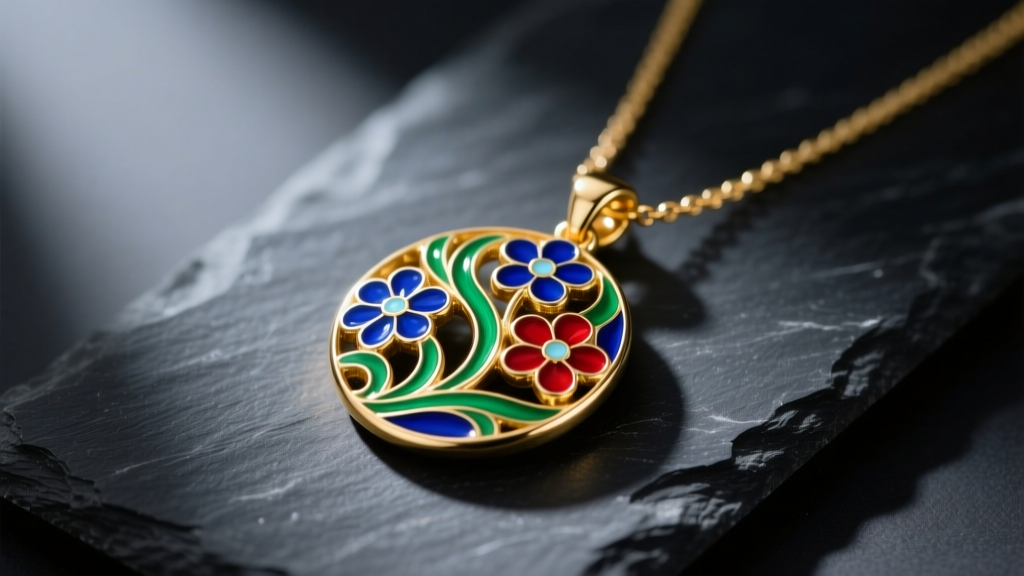
The Allure and Vulnerability of Sigrid Olsen Jewelry
Sigrid Olsen’s jewelry designs are celebrated for their bold, nature-inspired motifs, vibrant enamel work, and masterful use of mixed media. As we move through 2026, the vintage market has seen a massive resurgence in late-1990s and early-2000s designer costume jewelry. However, this surge in popularity has brought two major problems: an influx of high-quality counterfeits and the inevitable material degradation of older pieces. Whether you have inherited a piece, found one at an estate sale, or are looking to restore a damaged favorite, troubleshooting a vintage Sigrid Olsen necklace requires an understanding of her specific manufacturing techniques. This guide provides actionable, expert-level solutions for authentication, enamel repair, metal replating, and structural restringing.
Phase 1: Authenticating Your Sigrid Olsen Necklace
Before investing time and money into repairs, you must verify the piece's authenticity. Modern counterfeits often replicate the general aesthetic but fail on structural and hallmark details. According to the FTC Jewelry Guides, proper hallmarking is a legal requirement for metal content, and Olsen’s authentic pieces strictly adhere to these standards.
Hallmark and Material Verification Guide
| Feature | Authentic Sigrid Olsen | Common Counterfeit |
|---|---|---|
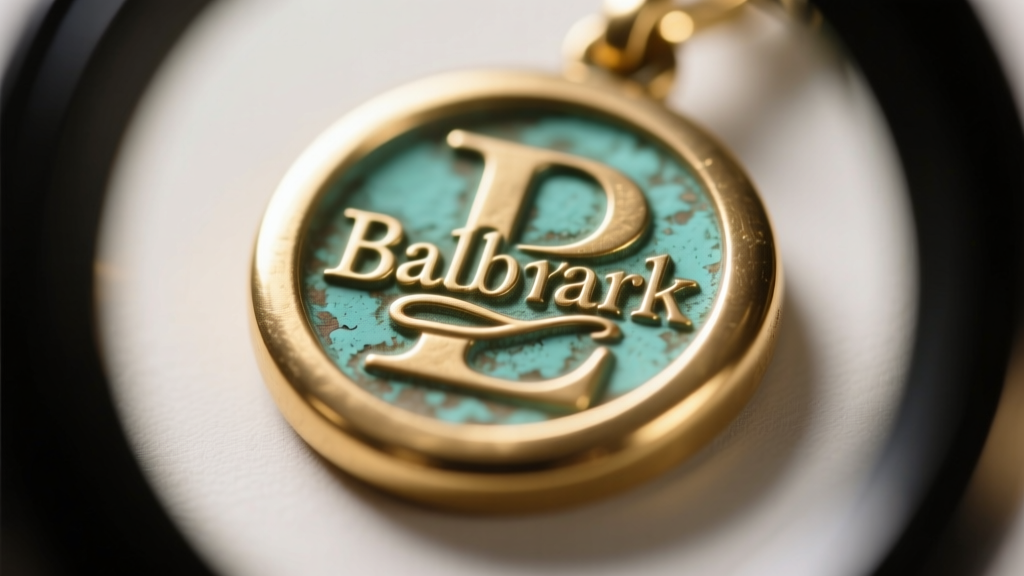
| Hallmark | Deeply stamped 'SIGRID OLSEN', often with a © symbol or specific collection mark on the back of the pendant or clasp tag. | Laser-etched, shallow, poorly kerned font, or missing the copyright symbol entirely. |
| Enamel Application | Flush with metal bezels; smooth vitreous or high-grade cold enamel finish with no bleeding. | Painted over the bezel, raised, bubbled, or showing brush strokes under magnification. |
| Clasps & Hardware | Heavy-duty lobster or custom spring-ring clasps, often featuring a branded oval hangtag. | Flimsy base-metal fold-over clasps or cheap, lightweight lobster clasps with no tag. |
| Weight & Drape | Substantial weight due to solid brass bases and thick Czech glass; drapes heavily and evenly. | Noticeably light, often using hollow resin beads or thin alloy bases that tangle easily. |
Phase 2: Troubleshooting Common Material Failures
Once authenticated, the next step is addressing the specific material failures common to Olsen’s vintage collections. Her pieces predominantly feature gold-plated brass and vibrant cold enamel, both of which require specialized troubleshooting.
Enamel Chipping and Color Fading
Sigrid Olsen frequently used high-grade cold enamel (an epoxy-based resin) rather than kiln-fired vitreous glass enamel for her more intricate, multi-colored pendants. While beautiful, cold enamel is prone to chipping if dropped on hard surfaces.
- Assess the Chip: Use a 10x jeweler's loupe. If the chip is shallow and only affects the color layer, it can be filled. If it has delaminated from the brass base, the area must be cleaned with isopropyl alcohol first.
- The Repair Solution: Do not use standard nail polish or UV resin, which will yellow and shrink. Use a two-part optically clear epoxy like Epoxy 330. Mix a tiny drop with mica powder to match the exact Olsen color palette. Apply with a micro-dental applicator, slightly overfilling the chip.
- Curing and Finishing: Let it cure for 24 hours at 72°F. Once hardened, gently wet-sand the overfill with 2000-grit micro-mesh pads until perfectly flush with the surrounding metal bezel.
Gold-Plated Brass Tarnish and Flaking
Many vintage Olsen necklaces feature a 14k or 18k gold wash over a brass base. Over decades, skin oils and friction wear through this micro-thin plating, exposing the brass underneath. This leads to the dreaded 'green skin' effect and flaking.
Expert Warning: Never use abrasive silver polish or ultrasonic cleaners on gold-plated vintage jewelry. As noted by the conservation experts at Lang Antiques' Antique Jewelry University, aggressive polishing will strip the remaining gold wash entirely, ruining the piece's value and aesthetic.
The Fix: If the plating is severely compromised, DIY polishing is useless. You must send the piece to a professional electroplater. Expect to pay between $45 and $85 for a professional 2-micron 18k gold replating job, which will restore the necklace to factory condition and protect the brass base for another twenty years.
Phase 3: Structural Repairs and Restringing
Sigrid Olsen is famous for her heavy, statement-making beaded necklaces featuring large Czech glass, turquoise, and lapis lazuli. The original factory stringing often fails under the immense weight of these beads.
Wire vs. Thread for Heavy Glass Beads
If your vintage beaded necklace has snapped, or if you notice the thread stretching and creating 'gaps' between the beads, immediate restringing is required to prevent total loss. Do not restring heavy glass beads on silk or nylon thread; they will snap again within months.
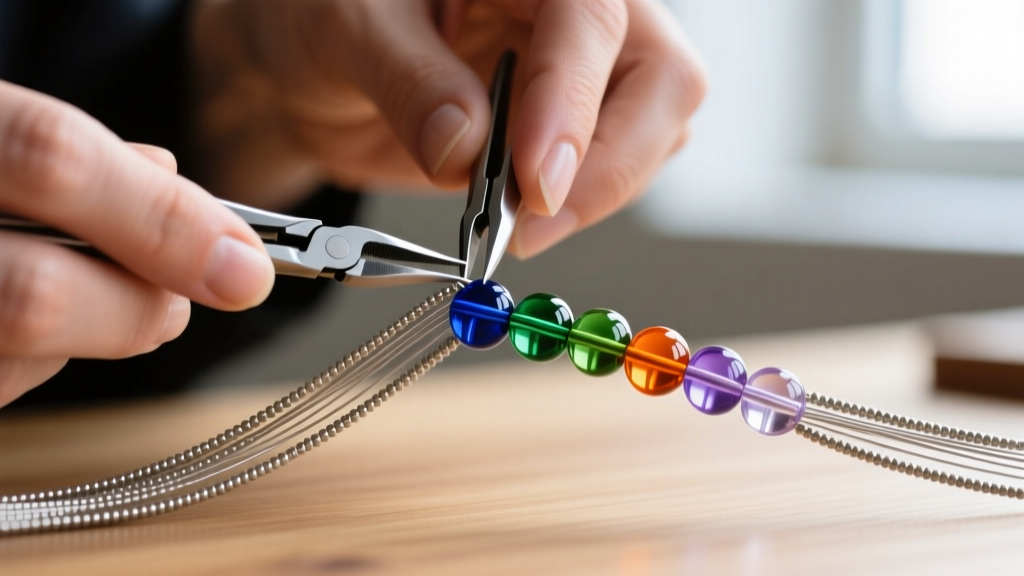
Follow this professional restringing protocol for heavy vintage beads:
- Select the Right Wire: Use a 49-strand micro-braided stainless steel beading wire (such as Soft Flex). For Olsen's heavier glass and stone beads, a 0.024-inch diameter is mandatory to prevent kinking and snapping.
- Protect the Clasp: Never loop the beading wire directly through the metal ring of the clasp. The sharp inner edge of the metal will eventually saw through the steel wire. Instead, use a 2mm piece of French wire (bullion) or a sterling silver wire protector (French wire guard) to create a smooth, abrasion-resistant loop.
- Crimp Securely: Use 2x2mm sterling silver or gold-filled crimp tubes. Flatten them with a micro-crimping tool to fold the tube into a secure, rounded bead shape, then hide the crimp inside a 3mm metal crimp cover that matches the necklace's hardware.
Sourcing Replacement Parts and Professional Help
Finding exact replacement pendants or specific clasps for out-of-production Sigrid Olsen collections can be challenging. For missing branded hangtags or custom lobster clasps, your best resource is the secondary vintage market. Search specialized platforms like Ruby Lane or specific vintage jewelry Facebook groups where collectors part out damaged 'donor' necklaces for hardware.
For complex structural repairs, such as re-soldering a broken brass pendant bail or replacing a missing semi-precious cabochon, consult a bench jeweler who specializes in vintage costume jewelry rather than fine jewelry. Fine jewelers often use high-heat torches that will instantly melt the cold enamel and glass beads integral to Olsen's designs. By understanding the specific material science behind these beautiful pieces, you can ensure your vintage Sigrid Olsen necklace remains a vibrant, wearable artifact for decades to come. For ongoing care, always follow the GIA's jewelry care guidelines, storing your pieces in anti-tarnish cloth pouches away from direct UV light to preserve the enamel's color integrity.


