Infinity Necklace Kay Options: A Material Comparison
Analyze the metallurgy and stone quality of the infinity necklace Kay Jewelers offers. Compare silver, gold, and diamond options for longevity.

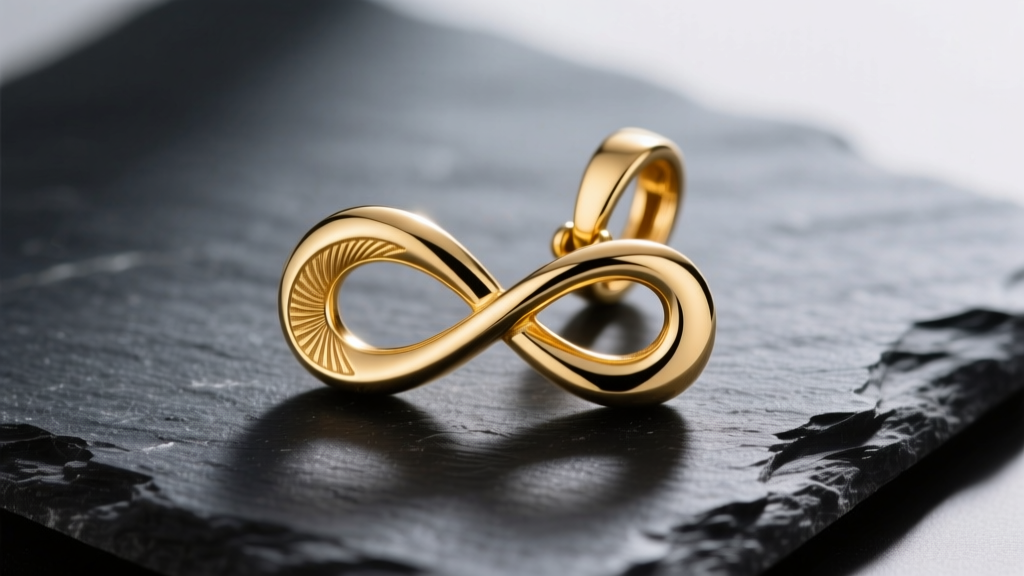
The infinity motif—a continuous, unbroken loop—has remained a staple in jewelry design for decades, symbolizing eternal love, empowerment, and limitless potential. When shoppers search for an infinity necklace Kay Jewelers is frequently the first destination that comes to mind, thanks to their extensive catalog of these symbolic pendants. However, as consumers become more educated about metallurgy and gemology in 2026, the question is no longer just about the design; it is about the material integrity. Understanding the specific alloys, plating techniques, and stone simulants used in mass-market jewelry is critical for making an informed purchase that will withstand daily wear.
In this comprehensive material guide, we deconstruct the physical properties of the metals and gemstones typically found in mall-jeweler infinity necklaces, comparing them against industry benchmarks to determine their true longevity and value.
Decoding the Base Metals: Sterling Silver vs. Karat Gold
The foundation of any pendant dictates its tensile strength, tarnish resistance, and skin compatibility. Kay Jewelers primarily utilizes 925 sterling silver, 10-karat gold, and 14-karat gold for their infinity collections. Each alloy possesses distinct metallurgical properties that affect how the necklace ages over time.
The Reality of 925 Sterling Silver
Sterling silver is an alloy composed of 92.5% pure silver and 7.5% secondary metals, almost exclusively copper. While pure silver is highly resistant to tarnish, it is too soft to hold the intricate curves of an infinity pendant or secure gemstone prongs. The addition of copper provides necessary structural hardness but introduces a vulnerability: oxidation. When copper reacts with sulfur compounds in the air and human sweat, it forms copper sulfide, resulting in the black tarnish commonly seen on older silver jewelry. If you opt for a silver infinity necklace, expect to perform monthly polishing with a microfiber cloth and store the piece in an anti-tarnish cloth bag to halt the oxidation process.
10K vs. 14K Gold: Hardness and Color Saturation
Gold purity is measured in karats, with 24K being pure gold. Pure gold is exceptionally malleable, making it unsuitable for daily-wear pendants. According to the Federal Trade Commission (FTC) Jewelry Guides, 10K gold contains 41.7% pure gold, while 14K contains 58.3%. From a materials science perspective, 10K gold is significantly harder and more scratch-resistant than 14K due to the higher proportion of alloy metals like zinc, nickel, or copper. However, this comes at the cost of color saturation; 10K yellow gold often appears paler and can develop a dull, brassy patina over time. For an infinity pendant, 14K gold offers the optimal balance of rich color and structural durability, resisting bending better than higher-karat alternatives.
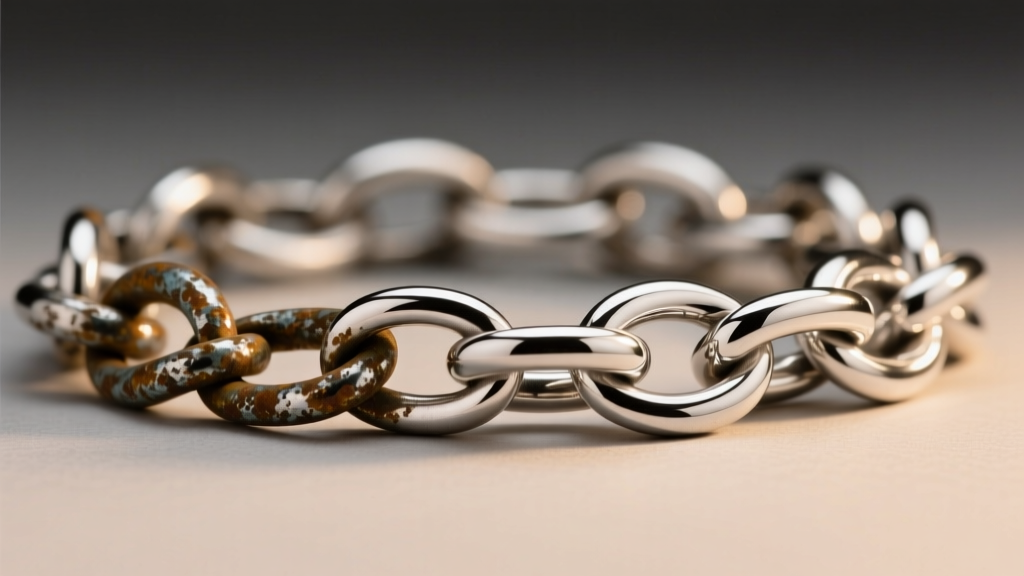
The Rhodium Plating Factor: Thickness and Wear
Many shoppers notice that their sterling silver or white gold infinity necklaces look brilliantly white and mirror-like upon purchase, only to reveal a slightly yellowish or dull gray undertone a year later. This is due to the wearing off of rhodium plating. Rhodium is a platinum-group metal that provides a brilliant, tarnish-proof finish. However, not all plating is created equal.
- Flash Plating (0.05 to 0.10 microns): Often used in mass-market jewelry to keep costs down. This ultra-thin layer can wear through to the base metal within weeks of daily friction against clothing and skin.
- Standard Plating (0.75 to 1.0 microns): The industry standard for high-quality white gold and silver jewelry, providing 1 to 3 years of wear before re-plating is necessary.
When evaluating an infinity necklace from a major retailer, it is vital to factor in the long-term maintenance cost of re-rhodium plating, which typically ranges from $40 to $75 at an independent jeweler once the factory flash-plating inevitably wears thin on the high-friction edges of the infinity loops.
Centerpiece Stones: Simulants vs. Carbon Crystals
The infinity loop is frequently adorned with pavé-set stones to catch the light. The material properties of these stones dictate their scratch resistance and optical brilliance. As of 2026, the market has seen a massive shift toward lab-grown diamonds, but cubic zirconia (CZ) remains prevalent in entry-level price tiers. The Gemological Institute of America (GIA) emphasizes the distinct physical and optical differences between these materials.
| Material | Mohs Hardness | Refractive Index (Brilliance) | 2026 Avg. Price (1ct equiv.) | Longevity Risk |
|---|---|---|---|---|
| Cubic Zirconia (CZ) | 8.0 - 8.5 | 2.15 - 2.18 | $20 - $40 | High (Edge abrasion, clouding from oils) |
| Lab-Grown Diamond | 10 | 2.42 | $150 - $300 | None (Will not scratch or cloud) |
| Natural Diamond | 10 | 2.42 | $1,500 - $4,000+ | None (Prone to cleavage if struck hard) |
Cubic zirconia is softer and more brittle than diamond. Over time, the facet edges of a CZ stone will abrade, giving the stone a cloudy, "worn glass" appearance. Furthermore, CZ is oleophilic, meaning it attracts skin oils, which quickly dulls its sparkle. If your budget allows, upgrading to a lab-grown diamond infinity pendant ensures the stones will maintain their optical fire and structural integrity for a lifetime, as verified by the Jewelers of America standards for gemstone durability.
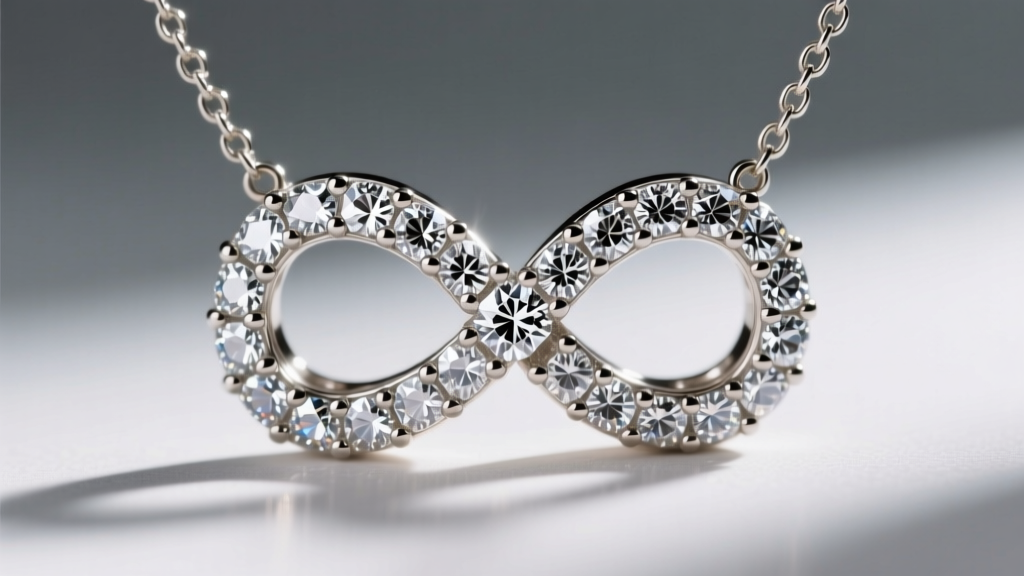
Chain Integrity: Link Architecture and Clasp Mechanics
The pendant is only as secure as the chain that holds it. Infinity pendants, especially those heavily set with stones, carry concentrated weight on a single point of the chain. The structural geometry of the chain links is a critical material property often overlooked by consumers.
Box Chains vs. Cable Chains
Most entry-level infinity necklaces are strung on delicate 1mm cable chains. While cable chains are flexible, their circular links can easily kink and stretch under the pendulum-like motion of a heavy pendant. A box chain, composed of square, interlocking links, distributes tensile stress much more evenly. The flat surfaces of a box chain resist kinking and provide a superior strength-to-weight ratio, making it the metallurgically sound choice for supporting an infinity pendant without risking link deformation.
The Clasp Bottleneck
The weakest point of any necklace is the clasp. Spring-ring clasps, which rely on a tiny internal steel spring, are notorious for failing when the spring corrodes or loses tension. A solid cast lobster clasp utilizes a heavier, more robust internal mechanism and provides a larger solder ring for the jump ring attachment, reducing the risk of accidental unfastening and subsequent loss of the jewelry.
Final Verdict: Evaluating the Price-to-Longevity Matrix
When purchasing an infinity necklace, you are investing in both symbolism and metallurgy. While mall jewelers offer accessible entry points into fine jewelry, the savvy consumer must look past the display case lighting and scrutinize the material specifications. Opting for 14K gold over 10K ensures lasting color saturation, demanding lab-grown diamonds over CZ prevents future clouding, and verifying the presence of a lobster clasp on a box chain guarantees structural security. By applying these material science principles, you ensure that your symbol of infinity truly stands the test of time.


