What Does an Evil Eye Necklace Mean? Fixing Cracks, Tarnish & Myths
Discover what an evil eye necklace means when it breaks. Learn troubleshooting tips for cracked glass, tarnished chains, and authenticating real Nazar beads.

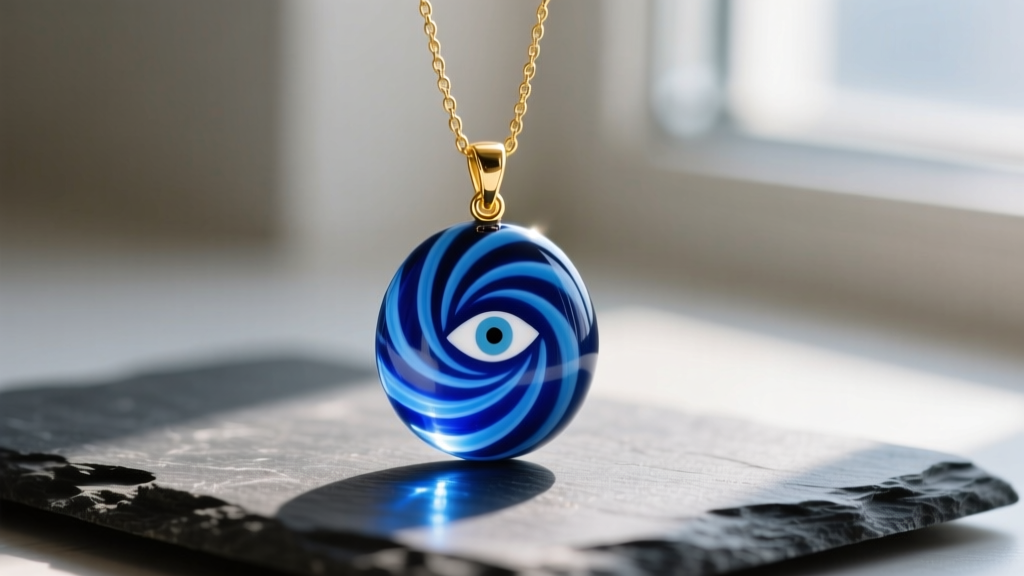
Whether you inherited a vintage piece or bought a trendy layering pendant, you might eventually find yourself asking: what does an evil eye necklace mean when it starts showing signs of wear, cracking, or tarnishing? The evil eye amulet, historically known as the Nazar Boncuğu, is one of the most recognizable symbols in global jewelry. However, wearing it daily exposes the delicate glass and metallic components to environmental stressors, body chemistry, and physical impacts.
As jewelry specialists, we see countless customers panic when their evil eye bead cracks or their chain turns green. This comprehensive troubleshooting guide decodes the superstitions, solves the material science problems, and provides actionable repair frameworks to keep your protective amulet in pristine condition.
The Core Question: What Does an Evil Eye Necklace Mean?
At its origin, the evil eye is not a curse you cast on others, but a protective talisman designed to deflect the malevolent glares of envy and ill intent. According to historical archives at Britannica, the belief in the evil eye dates back to ancient Mesopotamia and classical antiquity. The concentric circles of the traditional Turkish Nazar—cobalt blue, white, light blue, and black—are engineered to mimic an eye that stares back at the world, absorbing negative energy before it reaches the wearer.
From a stylistic perspective, the evil eye pendant serves as a versatile focal point. A 16-inch choker length offers a modern, minimalist look, while a 24-inch opera-length chain allows the pendant to rest over sweaters and deep V-necklines. However, the very act of 'absorbing energy' leads to the most common troubleshooting issue: the cracked bead.
Troubleshooting the 'Broken Bead' Phenomenon
Superstition dictates that when an evil eye necklace cracks or shatters, it has successfully absorbed a massive dose of negative energy directed at you, effectively 'dying' to protect the wearer. While culturally significant, the material science reality is usually rooted in thermal shock or mechanical stress.
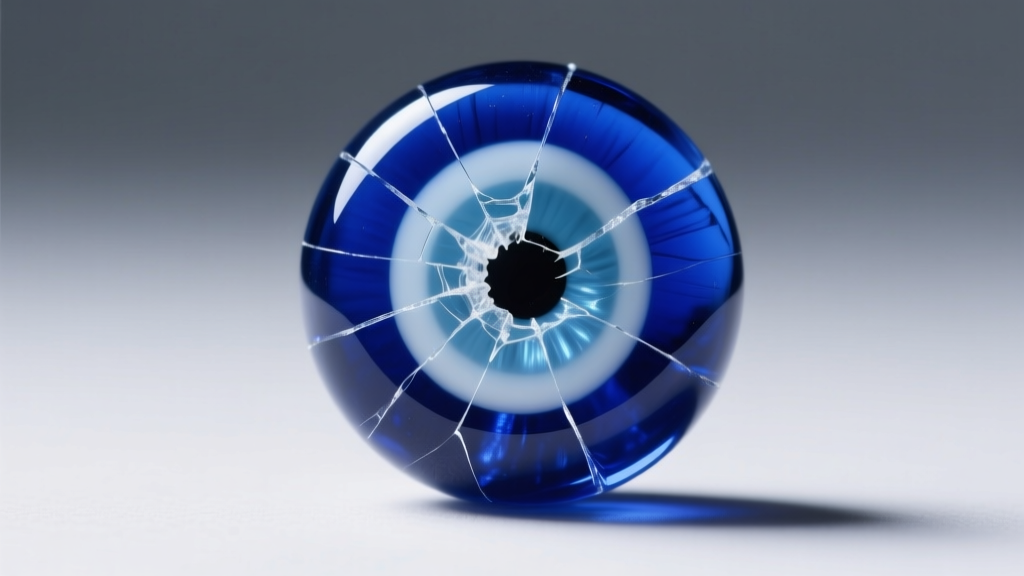
Why Your Glass Bead is Cracking
- Thermal Shock: Traditional Nazar beads are handmade from layered glass. Moving from a freezing winter outdoor environment into a heavily heated indoor space causes the outer cobalt layer and inner core to expand at different rates, resulting in hairline fractures.
- Micro-Impacts: Glass beads suspended on rigid chains (like box or rope chains) swing freely. Repeatedly tapping against zippers, buttons, or hard surfaces creates microscopic fissures that eventually spiderweb.
- Drill Hole Stress: If the pendant is top-drilled rather than encased in a metal bail, the friction of the chain rubbing directly against the glass bore hole will eventually saw through the glass.
The Fix: Repair vs. Replace
If the bead has a minor hairline crack, you can stabilize it using a UV-curing optical resin (like Norland Optical Adhesive 68), which wicks into the fracture and hardens without yellowing. However, if the bead has shattered or the structural integrity is compromised, you must replace it. According to tradition, a broken evil eye should be buried in the earth or thrown into running water to return the absorbed energy to nature, rather than tossed in the household trash.
Material Authentication: Real Glass vs. Acrylic Fakes
A major problem in the modern jewelry market is the proliferation of acrylic and resin 'evil eye' beads masquerading as authentic Turkish or Murano glass. Acrylic does not offer the same optical depth, nor does it hold up to UV exposure. Here is how to troubleshoot your material authenticity:
| Feature | Authentic Glass Nazar | Mass-Produced Acrylic/Resin |
|---|---|---|
| Temperature | Cool to the touch; takes time to warm up | Warm immediately upon handling |
| Weight | Heavy, dense, pulls slightly on delicate chains | Extremely lightweight, feels hollow |
| Layering | Distinct, slightly asymmetrical handmade layers | Perfectly uniform, often painted or printed |
| Sound | High-pitched 'clink' when tapped with metal | Dull, plastic 'thud' |
| Price Range | $25 - $150+ (depending on metal setting) | $5 - $15 (fast fashion retail) |
Chain and Clasp Failures: Mechanical Fixes
Because authentic glass beads are surprisingly heavy, they place undue stress on the chain's weakest link: the jump ring and the clasp.
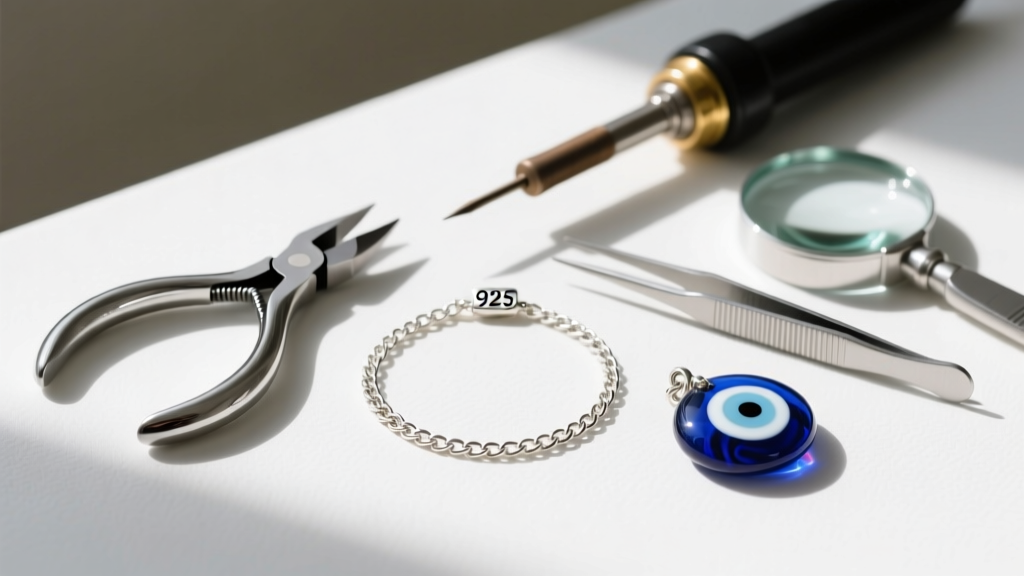
The Jump Ring Problem
Most mass-produced evil eye necklaces use 22-gauge or 24-gauge wire for the jump ring connecting the pendant to the chain. This is too thin to support a 15mm glass bead. The Fix: Use two pairs of flat-nose pliers to open the existing jump ring, remove it, and replace it with a 20-gauge or 18-gauge stainless steel or sterling silver soldered jump ring. A soldered jump ring has no seam, meaning the heavy glass bead cannot pry it open.
Lobster Clasp Fatigue
If your lobster clasp feels stiff or fails to snap shut, it is likely clogged with skin oils, lotion, or dust. Do not use WD-40 or harsh lubricants, which will degrade the metal finish. Instead, use a drop of synthetic watch oil on the hinge mechanism, work the lever back and forth ten times, and wipe away the excess with a microfiber cloth.
Tarnish and Chemical Damage: Safe Cleaning Protocols
Evil eye pendants are frequently set in 925 Sterling Silver or Gold Vermeil. Sterling silver reacts with sulfur in the air and hydrogen sulfide in sweat, creating a black silver sulfide layer (tarnish). Gold vermeil (which must have a minimum of 2.5 microns of gold over silver) can wear down to the silver base if exposed to harsh chemicals.
For deep tarnish removal on silver chains (avoiding the glass bead), the Gemological Institute of America (GIA) recommends gentle, non-abrasive methods. The aluminum foil and baking soda bath is highly effective:
- Line a glass bowl with aluminum foil (shiny side up).
- Place your silver chain in the bowl, ensuring it touches the foil.
- Sprinkle 1 tablespoon of baking soda over the chain.
- Pour boiling water into the bowl. The electrochemical reaction will transfer the sulfur from the silver to the aluminum foil in seconds.
- Rinse with distilled water and pat dry. Note: Never submerge the glass bead in boiling water, as this will induce the thermal shock mentioned earlier.
Energetic Cleansing Without Ruining Your Metals
Many wearers want to 'cleanse' the energetic weight of the evil eye amulet but make the mistake of using salt water or burying it in damp soil. Salt water is highly corrosive and will rapidly pit sterling silver and degrade gold vermeil plating.
Expert Tip: To energetically cleanse your evil eye necklace without causing chemical oxidation, use smoke cleansing (passing the piece through the smoke of dried rosemary or cedar) or place the necklace on a bed of dry, polished selenite crystals overnight. These methods respect both the spiritual tradition and the metallurgical limits of your jewelry.
Understanding what an evil eye necklace means goes beyond its aesthetic appeal; it requires a commitment to maintaining the physical vessel that carries its protective history. By troubleshooting material stress, upgrading weak findings, and utilizing safe cleaning protocols, you ensure your amulet remains a resilient shield and a striking style staple for years to come.


