How to Source and Style a Napoleon Diamond Necklace Replica
Learn how to commission, style, and wear a Napoleon diamond necklace replica with our step-by-step guide on metals, stones, and structural support.

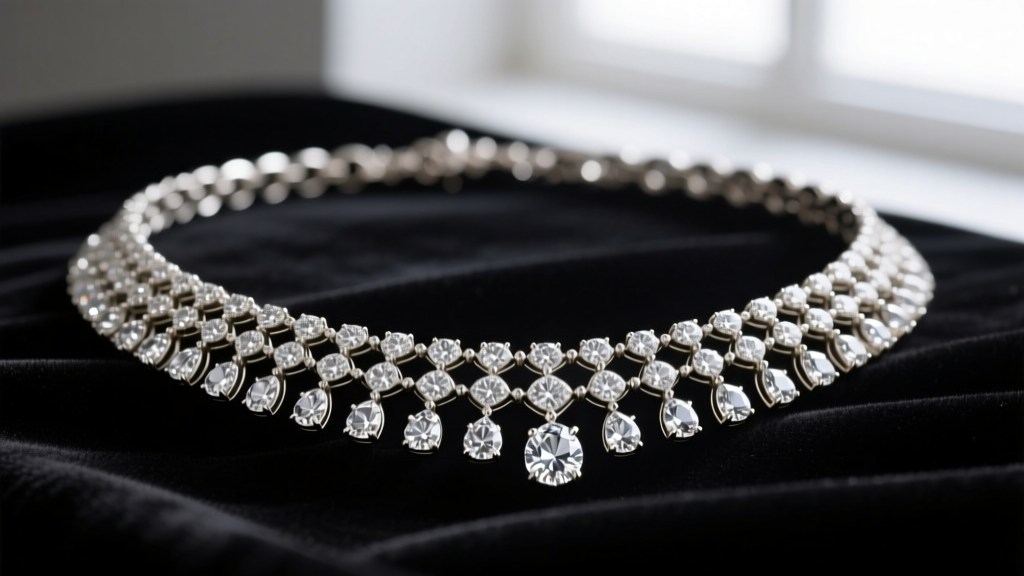
The original Napoleon diamond necklace, commissioned in 1811 by Emperor Napoleon I for his second wife, Marie Louise, remains one of the most spectacular pieces of jewelry in history. Featuring 234 diamonds and weighing approximately 67 carats, this masterpiece currently resides in the Smithsonian National Museum of Natural History. Because the original is permanently archived, modern collectors, brides, and historical jewelry enthusiasts often turn to bespoke replicas. However, engineering a historically accurate and structurally sound Napoleon diamond necklace replica requires far more than simply stringing stones together. It demands an understanding of 19th-century metallurgy, modern structural engineering, and precise styling mechanics.
This step-by-step guide will walk you through the exact process of commissioning, engineering, and styling a high-fidelity tribute to this iconic festoon necklace.
Deconstructing the Original 1811 Specifications
Before commissioning a replica, you must understand the architectural blueprint of the original piece. According to the Smithsonian National Museum of Natural History, the necklace is not a simple rivière; it is a complex festoon design featuring a primary collar of 28 cushion-cut diamonds, from which hang elaborate pendeloque drops and oval motifs.
- Total Stone Count: 234 individual diamonds.
- Total Carat Weight: Approximately 67 carats.
- Historical Metal: Silver collets backed with 18k yellow gold (a common 19th-century technique to utilize silver's white luster while preventing skin staining from tarnish).
- Stone Cuts: Predominantly Old Mine Cuts (OMC) and rose cuts, characterized by high crowns, small tables, and open culets.
Step 1: Sourcing Stones for Your Replica
The most critical decision in recreating the Napoleon diamond necklace is selecting the stones. Sourcing 234 matched Old Mine Cut natural diamonds is prohibitively expensive and logistically exhausting. Most modern collectors opt for high-end alternatives that mimic the visual weight and fire of the original.
| Stone Type | Historical Accuracy | Refractive Index (Fire) | Estimated Cost (67ct Total) |
|---|---|---|---|
| Natural Old Mine Cut | 100% (Period Accurate) | 2.417 | $450,000 - $1.2M+ |
| Lab-Grown OMC Diamonds | 95% (Visually identical) | 2.417 | $35,000 - $65,000 |
| Modern Brilliant Lab | 60% (Too much scintillation) | 2.417 | $20,000 - $40,000 |
| Antique Moissanite (OMC) | 85% (Double refraction visible) | 2.65-2.69 | $8,000 - $15,000 |
Expert Recommendation: For a visually authentic replica, commission a lapidary to cut lab-grown diamonds to exact Old Mine Cut proportions (table percentage under 45%, crown angle above 35 degrees). As noted by gemological experts at the Gemological Institute of America (GIA), the chunky, asymmetrical facet patterns of OMC stones produce the broad, romantic flashes of light characteristic of the Napoleonic era, unlike the crushed-ice look of modern brilliants.
Step 2: Engineering the Metal Armature
The original silver-and-gold construction is flawed for modern daily wear; silver tarnishes rapidly and requires constant polishing, which can degrade the antique settings. For a modern replica, you must upgrade the metallurgy while maintaining the visual aesthetic.
Why Platinum (Pt950/Ru) is Mandatory
A 67-carat stone layout, combined with the necessary metal armature, will result in a finished necklace weighing between 90 and 130 grams. Standard 14k or 18k white gold lacks the tensile strength to support this weight over the long term without stretching or warping at the articulated joints. Furthermore, white gold requires rhodium plating, which will eventually wear off and reveal a yellowish tint, ruining the 'white metal' illusion required for diamond jewelry. You must specify Platinum 950 alloyed with Ruthenium (Pt950/Ru). Ruthenium increases the hardness and yield strength of the platinum, ensuring the delicate festoon drops do not permanently bend when the necklace is stored or worn, and it maintains its naturally white color permanently.
Articulation and Hinging
Do not allow a jeweler to cast the necklace as a single rigid piece. The drape of the Napoleon diamond necklace relies on micro-hinges. Instruct your master jeweler to use 18-gauge (1.0mm) platinum rivets for all drop connections, allowing the pendeloques to swing freely and conform to the clavicle.
Step 3: Clasp and Security Mechanisms
A necklace of this mass will easily snap a standard lobster clasp or pull open a magnetic closure. The failure mode for heavy historical replicas is almost always clasp detachment. Follow these strict hardware requirements:
- Primary Closure: A custom-machined double-box clasp with twin internal prongs that lock into the receiving grooves with an audible click.
- Secondary Security: Dual figure-eight safety catches. These must be forged from 1mm round platinum wire, not cast, to prevent porosity and snapping under tension.
- Weight Distribution: Incorporate a small, hidden platinum counterweight or a wider, textured metal plate at the nape of the neck. This prevents the heavy front festoon from pulling the necklace downward and choking the wearer.
Step 4: Styling and Neckline Architecture
Wearing a piece with this much visual and physical weight requires strategic styling. The intricate drops of the necklace demand an unobstructed canvas.

Optimal Necklines
- Strapless / Bustier: The absolute best pairing. The horizontal line of a strapless bodice perfectly frames the sweeping collar of the necklace, allowing the vertical drops to rest against bare skin.
- Deep Plunge / V-Neck: Works well if the V-drop begins *below* the lowest pendeloque of the necklace (usually around 2.5 inches below the collarbone). If the fabric intersects the diamonds, it will catch on the prongs and risk tearing the garment or damaging the settings.
- Sweetheart: Mimics the romantic silhouette of the 19th-century empire waist gowns that Marie Louise herself favored.
What to Avoid
Never pair the Napoleon diamond necklace with halter necks, high collars, or heavily beaded bodices. The metal armature will snag on threads, and the competing visual noise will diminish the impact of the 67-carat layout. Furthermore, avoid wearing drop earrings that extend past the jawline; opt for simple diamond studs or period-appropriate girandole tops without drops to keep the focal point strictly on the décolletage.
Step 5: Insurance and Maintenance Protocols
Once your replica is completed, standard homeowner's insurance policies will not cover it. You must secure a specialized jewelry rider from a provider like Jewelers Mutual or Chubb. This requires a detailed appraisal that breaks down the exact gram weight of the Pt950/Ru setting and the carat weight, color, and clarity of every lab-grown or natural stone used. Ensure the appraisal explicitly states the lab-grown origin to prevent future resale disputes or insurance fraud allegations.
Maintenance Routine: Because of the intricate collet settings and micro-hinges, ultrasonic cleaners are strictly forbidden. The high-frequency vibrations can loosen the friction-fit rivets holding the drops and shatter any included stones. Instead, clean the necklace bi-monthly using a soft horsehair brush, warm distilled water, and a drop of pH-neutral dish soap, gently drying it with a microfiber cloth before storing it flat in a velvet-lined, anti-tarnish box.
Commissioning a Napoleon diamond necklace replica is a masterclass in jewelry engineering. By prioritizing period-accurate stone cuts, modern structural metals, and uncompromising security hardware, you can wear a piece of imperial history with absolute confidence and safety.