Style Guide: Native American Necklaces Beaded Trends 2026
Discover 2026 trends for Native American necklaces beaded styles. Learn to identify authentic tribal beadwork, materials, and ethical sourcing tips.

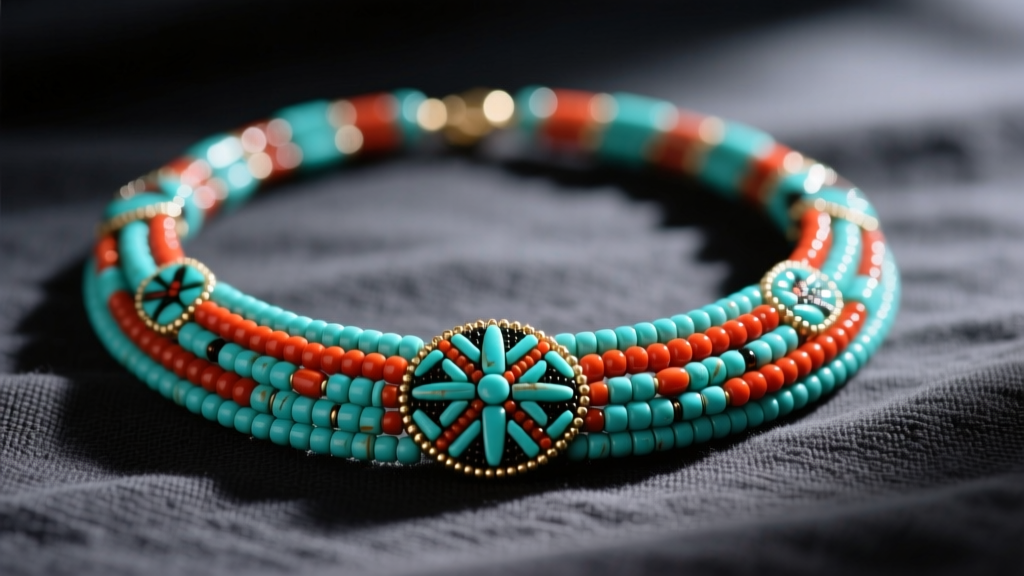
The 2026 Resurgence of Indigenous Beadwork in High Fashion
In the contemporary jewelry landscape, the appreciation for Indigenous craftsmanship has evolved significantly. The days of mass-produced, culturally appropriated festival wear are being replaced by a deep, educated reverence for authentic Indigenous artisans. Today, the search for native american necklaces beaded by hand reflects a growing consumer demand for ethical luxury, historical accuracy, and cultural preservation. As we navigate 2026, high-fashion editorials and serious collectors are increasingly spotlighting specific tribal techniques, moving away from pan-Indian stereotypes to celebrate the distinct beadwork traditions of the Woodlands, Plains, and Southwest regions.
This shift is not merely aesthetic; it is deeply tied to economic sovereignty for Indigenous communities. According to the Indian Arts and Crafts Board, the Indian Arts and Crafts Act of 1990 strictly prohibits misrepresentation in marketing American Indian arts and crafts. Yet, the digital marketplace remains flooded with overseas knockoffs. Understanding the nuances of authentic beadwork is essential for any serious jewelry enthusiast looking to invest in genuine pieces.
Decoding Tribal Beading Techniques: A Material Breakdown
Authentic Native American beadwork is not a monolith. Different regions and tribes utilize distinct stitches, bead sizes, and foundational materials. The transition from porcupine quillwork to glass seed beads in the 19th century birthed a renaissance of Indigenous design that continues to evolve today. Below is a comparative framework of the primary regional styles you will encounter in the collector's market.
| Tribal Region | Signature Motif | Primary Materials | Bead Size & Stitch |
|---|---|---|---|
| Woodlands (e.g., Ojibwe, Haudenosaunee) | Botanical, floral, and vine patterns | Velvet or wool backing, size 13/0 to 15/0 seed beads | Raised (embossed) beadwork, two-needle appliqué |
| Plains (e.g., Lakota, Cheyenne) | Geometric, step-patterns, and symmetry | Brain-tanned deer hide, bone hairpipes, dentalium shells | Size 11/0 Czech beads, lazy stitch, lane stitch |
| Southwest (e.g., Navajo, Zuni) | Squash blossom motifs, jacla pendants | Turquoise, coral, jet, silver, glass seed beads | Heishi, multi-strand weaving, loom work |
| Plateau (e.g., Nez Perce, Yakama) | Pictorial, floral, and horse motifs | Leather, trade beads, brass findings | Spot stitch, contour beading on hide bags and bibs |
According to the Smithsonian National Museum of the American Indian, the introduction of Venetian and later Czech glass seed beads allowed artisans to achieve unprecedented curvature and shading in their designs. Authentic Woodlands floral pieces, for instance, often use a raised technique where beads are strung on a single thread and laid over a stuffed or doubled-thread foundation, creating a striking 3D effect that mass-market factories cannot replicate.
How to Authenticate Genuine Native American Beaded Necklaces
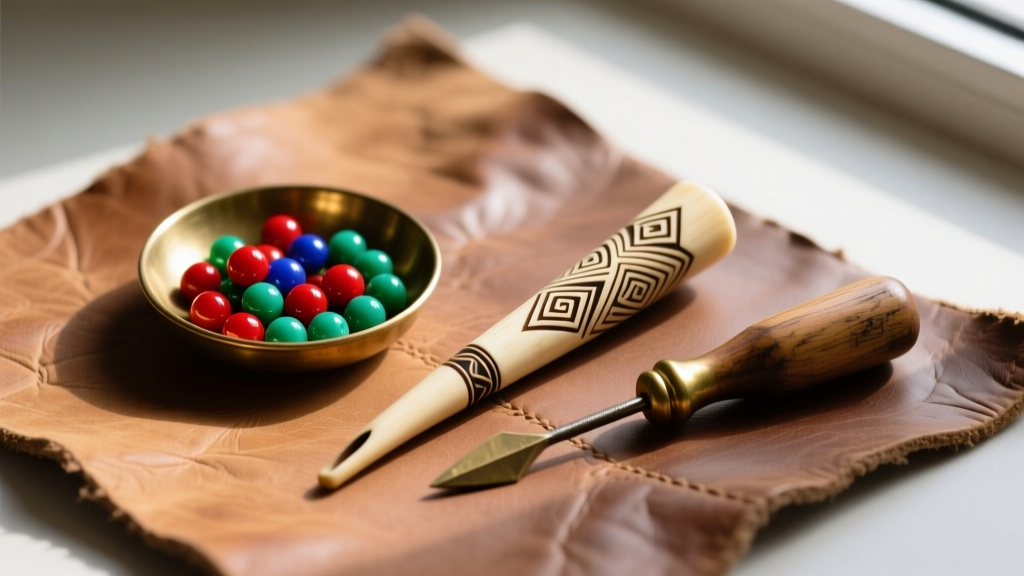
When investing in native american necklaces beaded with traditional materials, authentication is paramount. A genuine, hand-beaded bib necklace can take an artisan anywhere from 40 to over 150 hours to complete. Consequently, authentic pieces command premium prices, typically starting at $350 for simple strands and exceeding $2,500 for intricate, fully-beaded ceremonial-style bibs. Here is a practical troubleshooting framework to separate genuine Indigenous art from imported counterfeits.
- The Backing Material: Authentic Plains and Plateau necklaces are typically backed with brain-tanned or commercially smoked deer hide, which is supple and has a distinct, earthy scent. Craft felt, stiff synthetic suede, or vinyl backing is a massive red flag indicating factory production.
- The Thread and Tension: Genuine artisans use heavy-duty nylon threads (like Nymo or Silamide) or traditional sinew. If you see thin, fraying cotton thread, or if the beads are applied with visible glue seeping between the rows, the piece is likely a mass-produced import.
- The Edging: High-end beadwork features clean selvedge edges or a traditional picot edging (small loops of beads along the perimeter). Rough, glued edges or machine-stitched binding tape are signs of inauthentic manufacturing.
- The Weight and Drape: Bone hairpipes and glass beads carry substantial weight. An authentic necklace will drape heavily and naturally against the chest. Counterfeits often use hollow plastic tubes that feel unnaturally light and stiff.
Styling Beaded Indigenous Necklaces for Modern Wardrobes
Integrating these culturally significant pieces into a 2026 wardrobe requires a balance of respect and modern styling sensibilities. The goal is to let the beadwork serve as the focal point of your ensemble, avoiding the costume trap of over-layering with unrelated ethnic textiles.
Neckline Pairings & Layering Framework
For heavy, geometric Plains-style hairpipe necklaces, the structural weight demands a supportive neckline. A structured crew-neck cotton t-shirt or a denim button-down provides the necessary friction and collar support to keep the heavy leather ties from slipping. Conversely, delicate Woodlands floral bibs on velvet backing pair exquisitely with deep V-necks or off-the-shoulder dark garments, allowing the raised beadwork to catch the light without competing with busy fabric patterns.

If you are layering, adhere to the Rule of Contrast. Pair a vibrant, multi-colored beaded choker with a matte, monochromatic metal chain (such as a darkened sterling silver rope chain) to bridge the gap between traditional Indigenous art and contemporary metalsmithing. Avoid layering multiple beaded necklaces of varying tribal styles, as this can visually muddy the distinct motifs and lean into outdated aesthetics.
Ethical Sourcing: Supporting Indigenous Artisans Directly
The most critical aspect of collecting Indigenous jewelry is ensuring your capital flows directly to the artists and their communities. The Southwestern Association for Indian Arts (SWAIA), which organizes the prestigious Santa Fe Indian Market, maintains rigorous vetting processes to ensure every participating artist is a recognized member of a state or federally recognized tribe.
Every bead we lay down is a continuation of our ancestors' stories. When you buy directly from an Indigenous artist, you aren't just buying an accessory; you are funding the survival of our language, our ceremonies, and our sovereignty.
To source ethically in 2026, bypass generic marketplace aggregators that lack strict provenance checks. Instead, purchase directly from verified Indigenous-owned galleries, attend recognized Indian Markets (such as the Heard Museum Guild Indian Fair & Market in Phoenix), or buy through the verified social media storefronts of the artisans themselves. Always ask for the artist's tribal affiliation and a certificate of authenticity.
Final Thoughts on Preserving Beadwork Heritage
The landscape of native american necklaces beaded by Indigenous masters is a testament to resilience and artistic innovation. As collectors and style enthusiasts, our responsibility extends beyond mere aesthetics. By educating ourselves on regional techniques, demanding ethical sourcing, and styling these pieces with the reverence they deserve, we help ensure that Indigenous beadwork continues to thrive as a living, breathing art form for generations to come.


