Navajo Beaded Necklace Value: 2026 Pricing & Buyer Guide
Discover the true value of a Navajo beaded necklace in 2026. Learn pricing tiers, authenticity markers, and how to spot fakes.

The Anatomy of Authentic Navajo Beadwork
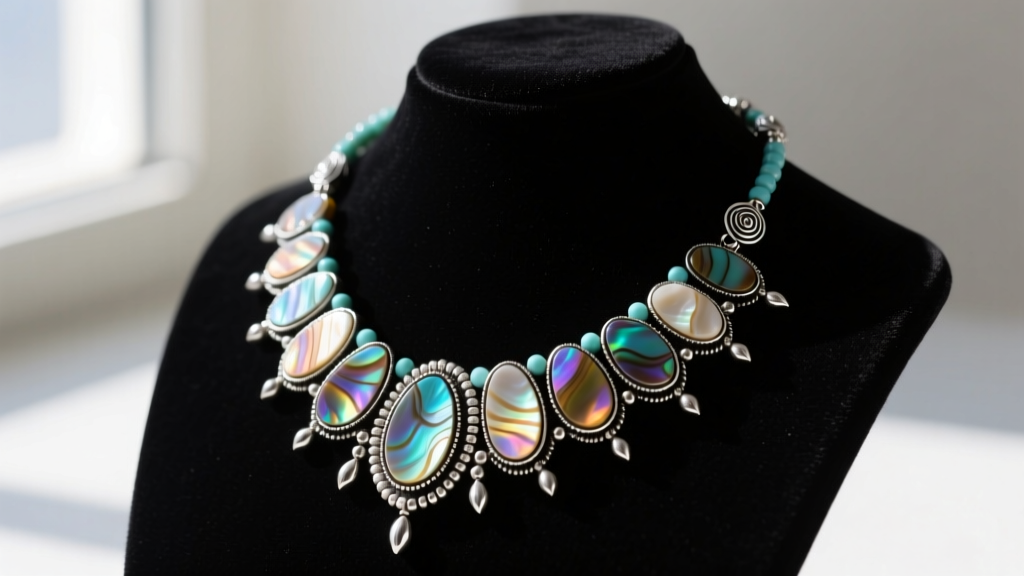
When evaluating a Navajo beaded necklace, it is crucial to understand that Navajo (Diné) artisans are historically renowned for their heavy, intricate silversmithing rather than pure stone or shell beadwork. While the neighboring Kewa Pueblo (formerly Santo Domingo) is the epicenter of traditional heishi bead making, Navajo jewelers frequently integrate high-grade beads into their designs, combining them with sterling silver findings, naja pendants, and squash blossom elements. In 2026, the market is flooded with mass-produced imitations, making a rigorous value assessment essential for serious collectors and casual buyers alike.
Authentic Navajo beadwork typically features a hybrid construction. You will often see hand-cut spiny oyster shell, Acoma jet, and natural turquoise beads interspersed with heavy gauge sterling silver beads or stamped silver cones. The value of these pieces is not merely in the raw materials, but in the labor-intensive process of cutting, grinding, and polishing each bead by hand, alongside the custom silversmithing required to mount them.
2026 Pricing Tiers: What Should You Actually Pay?
Assessing the budget and true market value of a Navajo beaded necklace requires looking past the aesthetic and into the provenance, material grades, and construction methods. Below is a breakdown of the current 2026 market pricing tiers based on authenticity and craftsmanship.
| Tier | Description & Materials | 2026 Price Range (USD) | Investment Value |
|---|---|---|---|
| Import / Imitation | Dyed howlite, resin shell, base metal findings, synthetic stringing. Often sold as "Native style." | $35 - $90 | Zero (Costume jewelry) |
| Mid-Tier Artisan | Genuine shell and stabilized turquoise, sterling silver bead tips, standard silver clasps. | $250 - $650 | Moderate (Wearable art) |
| Mastercraft / Heirloom | High-grade natural turquoise (e.g., Lander Blue), hand-cut spiny oyster, heavy foxtail chain, custom hallmarked silver. | $1,200 - $4,500+ | High (Appreciates over time) |
If a seller is offering a multi-strand turquoise and spiny oyster necklace with heavy silver cones for under $150, you are almost certainly looking at an imported fake. Genuine high-grade turquoise alone costs upwards of $15 to $30 per carat in 2026, meaning the raw materials for a mastercraft necklace often exceed $800 before any labor is applied.
Hidden Cost Drivers: Stringing and Findings
One of the most overlooked aspects of a value assessment is the stringing material and the metal findings. Mass-produced necklaces utilize cheap elastic cords or thin nylon threads that degrade rapidly when exposed to skin oils and UV light. When the string snaps, the beads scatter, and the cost of professional restringing can easily exceed the original purchase price of the fake necklace.
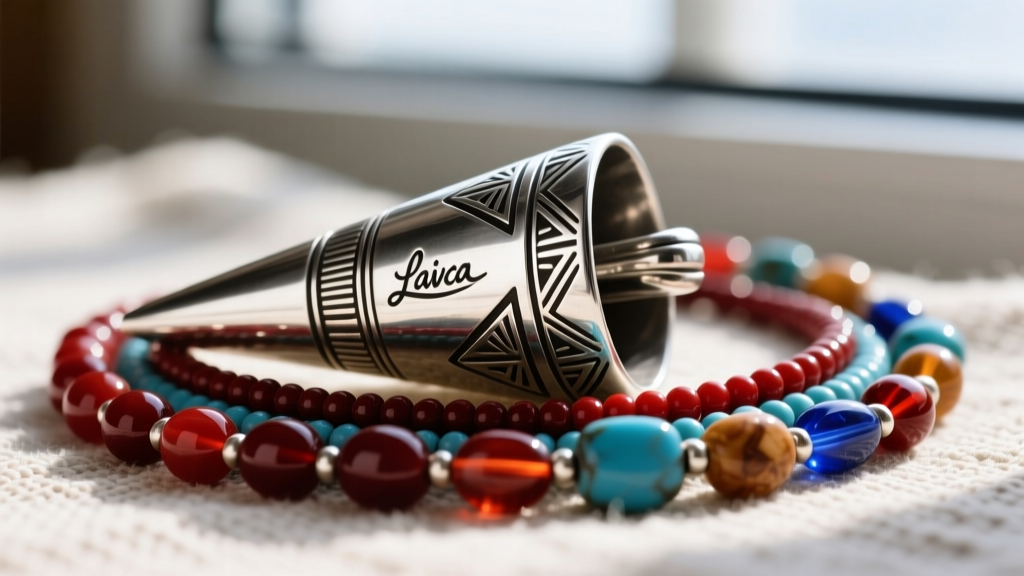
Authentic, high-value Navajo beaded necklaces are strung on multi-strand stainless steel beading wire (such as 49-strand Soft Flex) or traditional heavy sterling silver foxtail chains. Furthermore, the ends of the beadwork should be secured with sterling silver bead tips or seamless metal cones. These cones are not merely decorative; they protect the stringing material from fraying against the sharp edges of the stone beads and provide a secure anchor for the heavy sterling silver clasps.
Authenticity Markers and Legal Protections
The Indian Arts and Crafts Board (IACB) enforces the Indian Arts and Crafts Act of 1990, a truth-in-advertising law that prohibits misrepresentation in marketing of Indian arts and crafts products within the United States. Under this law, it is illegal to offer or display for sale any art or craft product in a manner that falsely suggests it is Indian-produced, an Indian product, or the product of a particular Indian or Indian Tribe or Indian arts and crafts organization.
When assessing value, look for these specific authenticity markers:
- The Hallmark: Master Navajo silversmiths stamp their unique hallmark (often their initials or a specific symbol) and the word "Sterling" or ".925" on the clasp or the back of the naja pendant.
- Material Imperfections: Genuine hand-cut beads are rarely perfectly uniform. Slight variations in bead diameter and thickness are indicators of human craftsmanship, whereas machine-perfect uniformity often points to factory-made imports.
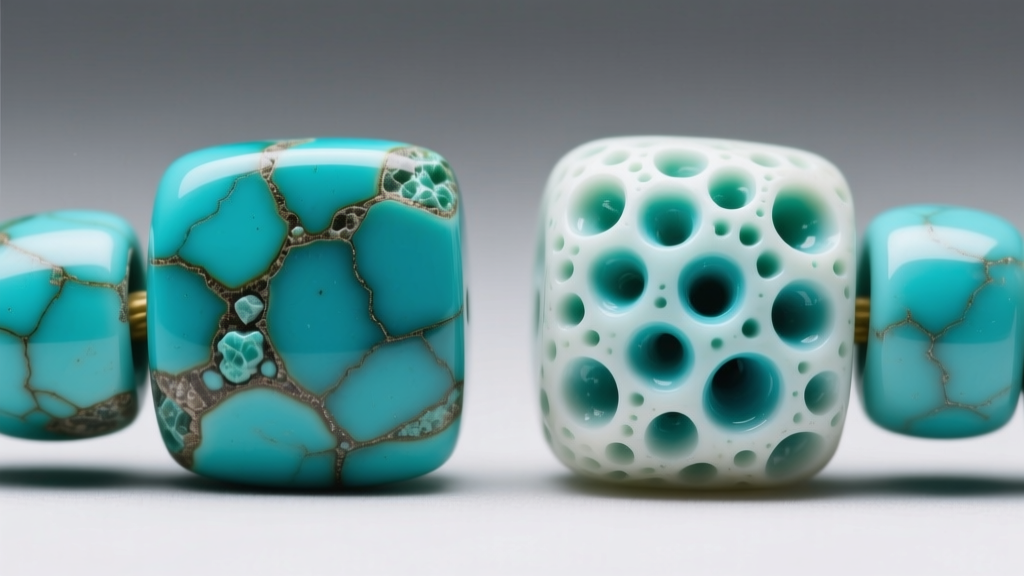
- The Matrix: Natural turquoise features a matrix (the host rock) that is deeply integrated into the stone. Dyed howlite or magnesite imitations feature surface-level, artificial webbing that can be scratched off with a needle.
Stabilized vs. Natural Turquoise in Beadwork
A common misconception among novice buyers is that "stabilized" turquoise is inherently fake or low-value. In reality, stabilization is a necessary and accepted practice in Native American jewelry making. Because turquoise is a highly porous, soft stone (ranging from 5 to 6 on the Mohs scale), it can absorb oils, lotions, and water, which causes it to change color or crumble over time.
High-end Navajo artisans use professional stabilization processes—infusing the stone with clear epoxy resin under a vacuum—to harden the turquoise so it can be cut into small, durable heishi beads without shattering. While natural, untreated high-grade turquoise commands the highest premium (often pushing a necklace into the $3,000+ range), professionally stabilized turquoise from renowned mines like Kingman or Sleeping Beauty is highly valued, completely authentic, and much more practical for daily wear.
Long-Term Investment and Care Protocols
A genuine Navajo beaded necklace is not just an accessory; it is a tangible asset. According to data from the Smithsonian National Museum of the American Indian, the preservation of Native American material culture requires specific environmental controls. To protect your investment and maintain its resale value, adhere to these strict care protocols:
- Avoid Ultrasonic Cleaners: Never use ultrasonic jewelry cleaners or harsh chemical dips. The high-frequency vibrations can shatter stabilized turquoise, and chemicals will strip the natural oils from spiny oyster shell, causing it to become brittle and dull.
- Climate Control: Store the necklace flat in a sealed, acid-free archival box with a silica gel packet to control humidity. High humidity can cause the sterling silver cones to tarnish rapidly and can degrade organic stringing materials.
- Wear Sequence: Always put your beaded necklace on after applying perfumes, hairsprays, and lotions. The alcohols and synthetic oils in cosmetics can permanently discolor porous stones and organic shells.
By understanding the intricate balance of material grades, legal protections, and artisan techniques, you can confidently navigate the 2026 market. A well-chosen, authenticated Navajo beaded necklace will not only elevate your personal style but will also serve as a lasting, appreciating heirloom for generations to come.


