Expert Care Guide: Cleaning Your Marigold Necklace
Discover expert tips to clean, store, and maintain your marigold necklace. Learn how to protect delicate enamel, resin, and gold vermeil finishes.

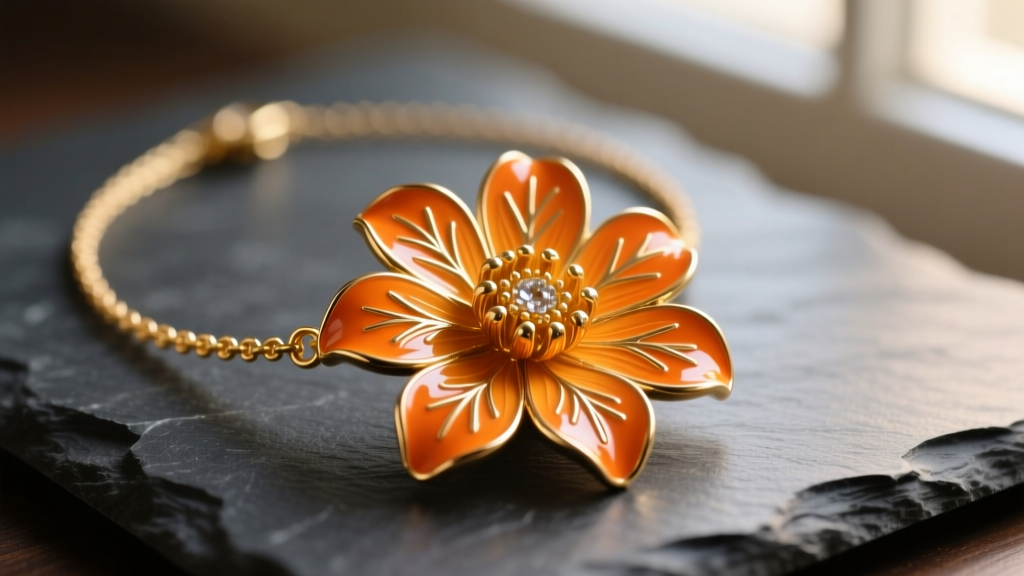
A marigold necklace is a striking statement piece, often characterized by intricate floral motifs, vibrant orange or yellow hues, and delicate metalwork. Whether your necklace features hand-painted cold enamel, cast epoxy resin, or semi-precious citrine accents set in gold vermeil, maintaining its luster requires a highly specific approach. Standard jewelry cleaning methods can easily strip gold plating, cloud resin, or fracture delicate enamel. In this comprehensive guide, we break down the exact material science and step-by-step protocols required to clean and preserve your marigold necklace for decades.
Understanding Your Marigold Necklace Materials
Before applying any cleaning solution, you must identify the exact materials used in your specific marigold pendant and chain. The failure modes of floral jewelry are almost entirely tied to material misidentification.
Gold Vermeil vs. Standard Plating
High-quality marigold necklaces typically utilize gold vermeil rather than standard flash plating. According to the Jewelers of America, true vermeil consists of a sterling silver base plated with at least 2.5 microns of 10k, 14k, or 18k gold. Standard plated jewelry may only have 0.5 microns of gold. The thicker 2.5-micron layer provides durability, but it is still vulnerable to abrasive polishing compounds and harsh chemical dips that will expose the underlying silver, leading to rapid tarnishing.
Cold Enamel and Epoxy Resin
The vibrant orange petals of a marigold pendant are usually achieved through cold enamel (an epoxy-based resin) or vitreous enamel (fired glass). Cold enamel has a Mohs hardness of roughly 2.5 to 3.0, making it exceptionally soft and prone to micro-scratches. Vitreous enamel is harder (Mohs 5.0-6.0) but is highly susceptible to thermal shock and shattering from ultrasonic vibrations. Understanding this distinction is critical for avoiding irreversible damage.
The Step-by-Step Cleaning Protocol
When your marigold necklace loses its brilliance due to body oils, lotions, or environmental dust, follow this gentle, non-abrasive cleaning protocol endorsed by gemological conservation standards.
What You Need
- Distilled water (tap water contains minerals that leave hard water spots on resin)
- pH-neutral liquid dish soap (e.g., original Dawn, free of citrus extracts or moisturizing additives)
- 100% cotton microfiber cloth or a baby-soft makeup brush
- Wooden or plastic tweezers (avoid metal tools that can scratch the vermeil)
The Gentle Wash Technique
- Prepare the Solution: Mix three drops of pH-neutral soap into a small bowl of lukewarm distilled water. Never use hot water, as extreme heat can cause the epoxy resin in cold enamel to expand and separate from the metal setting.
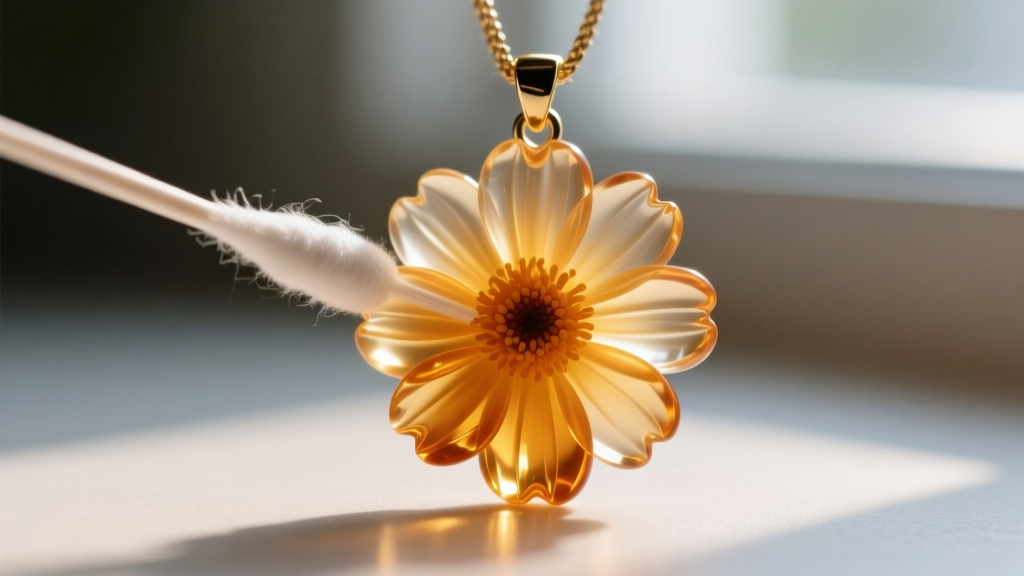
- Targeted Application: Dip the soft makeup brush or a cotton swab into the solution. Gently sweep the bristles into the crevices of the marigold petals. Do not scrub; let the surfactants in the soap break down the oils.
- Rinse Quickly: Hold the pendant under a gentle stream of lukewarm distilled water for no more than 5 to 10 seconds. Prolonged water exposure can seep into microscopic gaps between the enamel and the metal bezel, causing the adhesive to degrade over time.
- Dry Immediately: Pat the necklace dry with a lint-free cotton cloth. Use a wooden toothpick wrapped in a microfiber tip to absorb moisture trapped in the chain links or the pendant's bail.
Common Maintenance Mistakes to Avoid
The Gemological Institute of America (GIA) consistently warns against the use of aggressive home remedies for treated or plated jewelry. Below is a compatibility chart detailing how common cleaning agents interact with the specific materials found in marigold necklaces.
| Cleaning Agent | Effect on Gold Vermeil | Effect on Cold Enamel / Resin | Expert Verdict |
|---|---|---|---|
| Baking Soda Paste | Acts as a micro-abrasive, stripping the 2.5-micron gold layer. | Leaves permanent micro-scratches, dulling the gloss finish. | NEVER USE |
| Ultrasonic Cleaners | Safe for solid gold, but can pit vermeil if plating is compromised. | High-frequency cavitation will shatter vitreous enamel and crack resin. | NEVER USE |
| Commercial Silver Dip | Contains thiourea, which is highly toxic to gold alloys and strips plating. | Chemical reaction causes irreversible yellowing and clouding of resin. | NEVER USE |
| Mild Soap & Distilled Water | Safe; lifts oils without degrading the metal or micron layer. | Safe; cleans surface without scratching or causing thermal shock. | HIGHLY RECOMMENDED |
Proper Storage for Floral Motif Jewelry
How you store your marigold necklace is just as important as how you clean it. Floral pendants often feature protruding petals or delicate stamen details that can easily snag on other jewelry, bending the metal or chipping the enamel.
The Anti-Tarnish Environment
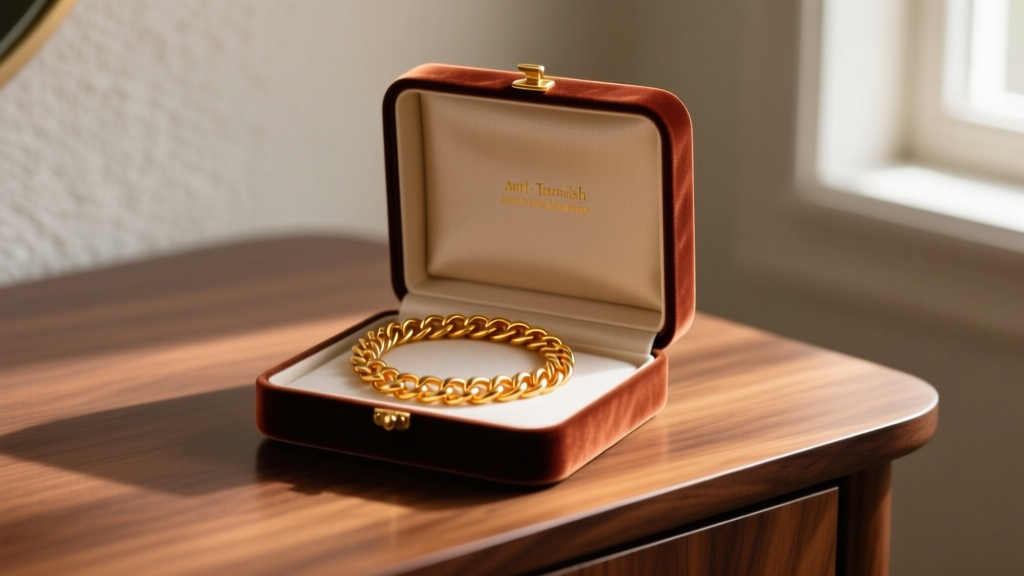
Gold vermeil relies on a sterling silver core. If the necklace is exposed to high humidity and airborne sulfur compounds, the silver beneath the gold can tarnish, causing the vermeil to look dull or develop dark spots. Store your necklace in an airtight polyethylene ziplock bag (avoid PVC plastics, which emit gases that degrade resin). Include a silica gel packet and a 3M anti-tarnish strip to absorb moisture and neutralize sulfur. Keep the bag inside a dark, velvet-lined jewelry box away from direct sunlight, as UV rays can cause the orange pigments in cold enamel to fade over time.
Chain Management
Marigold necklaces frequently utilize delicate cable or rolo chains ranging from 0.9mm to 1.2mm in width. These fine gauges are notorious for tangling. Always fasten the clasp before storing, and lay the chain flat in a figure-eight pattern around a soft fabric roll to prevent kinks that weaken the metal's structural integrity.
Restoring Luster: When to Seek Professional Help
If your gold vermeil has worn away to expose the sterling silver base, or if the cold enamel has developed deep scratches or chips, home cleaning will not suffice. Attempting to polish exposed silver with a jeweler's cloth will only remove more of the surrounding gold. In these cases, consult a professional bench jeweler who specializes in vermeil re-plating and epoxy resin color-matching. They can safely strip the remaining gold, polish the silver base, and apply a fresh 2.5-micron layer of 18k gold, restoring your marigold necklace to its original brilliance without damaging the delicate floral architecture.
Pro Tip: Always apply perfumes, hairsprays, and lotions at least 15 minutes before putting on your marigold necklace. The alcohol and volatile organic compounds (VOCs) in cosmetics are the leading cause of premature enamel clouding and vermeil degradation.


