How to Craft Elevated Hemp Necklaces: Step-by-Step Guide
Learn how to craft elevated hemp necklaces with our step-by-step guide. Master cord selection, macrame knots, and waterproof sealing techniques.

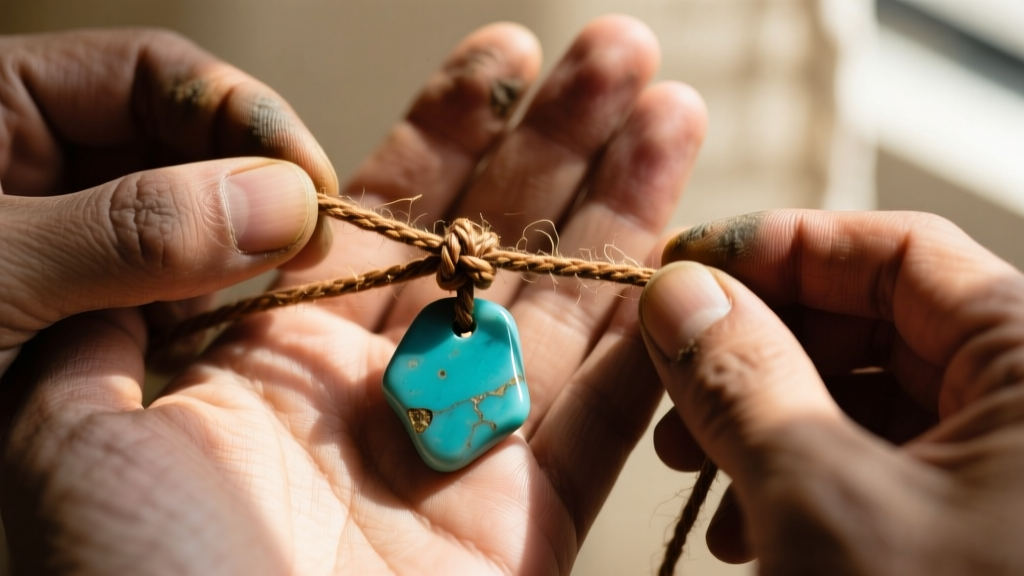
The Evolution of Hemp Necklaces in Modern Jewelry
Gone are the days when hemp necklaces were relegated to childhood summer camps and casual festival wear. In 2026, sustainable, artisan-crafted hemp jewelry has firmly entered the realm of elevated, everyday boho-chic and minimalist fine jewelry alternatives. When crafted with precision, high-quality natural fibers, and premium metal or gemstone accents, hemp necklaces offer a hypoallergenic, waterproof, and deeply personal aesthetic that mass-produced chains simply cannot replicate. According to the Fire Mountain Gems Jewelry Making Encyclopedia, natural fiber cordage requires specific tension and sealing techniques to ensure longevity. This comprehensive, step-by-step guide will teach you how to design and craft professional-grade hemp necklaces that rival high-end boutique pieces.
Phase 1: Selecting the Right Hemp Cord and Hardware
The foundation of any durable hemp necklace is the cord itself. Not all hemp is created equal, and understanding the nuances of ply, wax content, and diameter is critical for a professional finish.
True Hemp vs. Hemp-Cotton Blends
True hemp (Cannabis sativa fiber) is incredibly strong but can feel rough against the skin until it is broken in. For necklaces that sit directly on the collarbone, a waxed hemp-cotton or hemp-linen blend is often preferred. The cotton adds softness, while the hemp provides the tensile strength needed to support heavy stone pendants.
Waxed vs. Unwaxed Cord
Always opt for waxed hemp cord for knotting. The microcrystalline or beeswax coating serves three vital purposes: it prevents the natural fibers from fraying while you work, it provides 'bite' so your macrame knots hold their tension without slipping, and it adds a baseline level of water resistance. Unwaxed hemp will absorb skin oils and sweat, leading to premature degradation and odor.
Diameter and Bead Compatibility
Choosing the correct thickness is where most beginners fail. The cord must pass through your chosen beads or pendant bails at least twice if you are doing a lashing technique.
- 0.5mm (Micro-Macrame): Best for intricate knotwork, tiny seed beads, and delicate gemstone sliders.
- 1.0mm (Standard): The workhorse of hemp jewelry. Perfect for standard square knot macrame, 4mm-8mm stone beads, and medium-sized sterling silver bails.
- 1.5mm - 2.0mm (Chunky): Ideal for single-strand chokers, heavy brass pendants, and minimalist slip-knot designs.
Phase 2: Essential Tools for Professional Finishes
To elevate your hemp necklaces from DIY crafts to professional jewelry, you need specialized tools. Standard scissors will crush the hemp fibers, causing fraying. Instead, assemble the following kit:
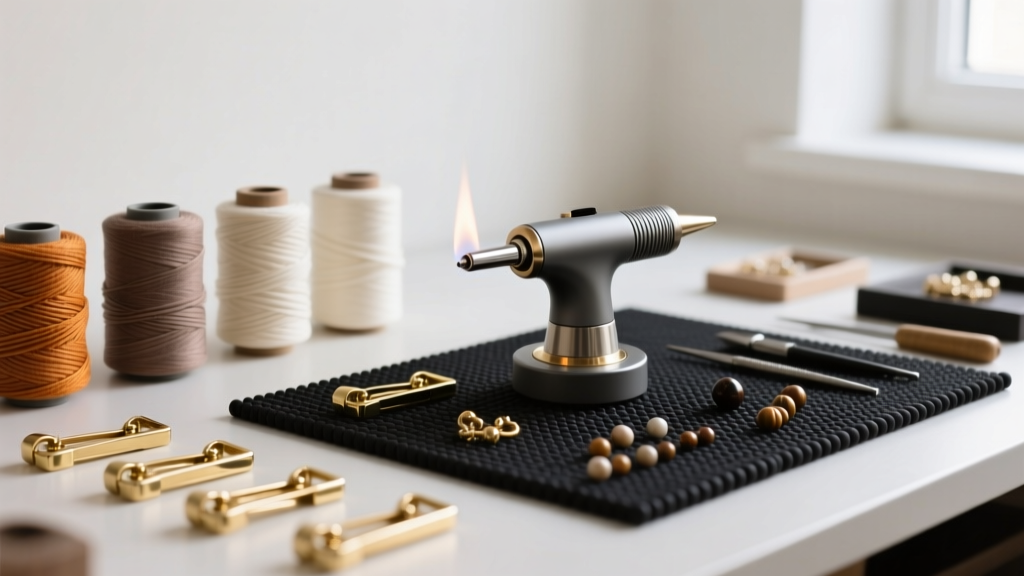
- Thread Burner / Micro-Torch: Essential for melting the synthetic blends or sealing natural fibers with precision. Rio Grande Jewelry Tools offers professional-grade thermal cutters that seal the cord instantly without crushing the ply.
- Bead Reamer: Natural stone beads often have drilled holes that are too small for 1mm hemp. A diamond-coated bead reamer allows you to gently enlarge a 0.8mm hole to a 1.2mm hole without cracking the stone.
- Macrame Board and T-Pins: Crucial for maintaining even tension. Pinning your work to a foam board ensures your square knots are uniform in size.
- Renaissance Wax: A museum-grade microcrystalline wax used for the final waterproofing and polishing of the cord.
Phase 3: Step-by-Step Knotting and Assembly
For this guide, we will construct a classic adjustable square-knot macrame necklace featuring a central gemstone pendant. According to Interweave Beading & Macrame Resources, maintaining consistent lateral tension is the secret to flat, professional-looking square knots.
Step 1: Measuring and Cutting
The golden rule of macrame is that you need significantly more cord than the finished length. For a standard square knot chain, cut your working cords at least four times the desired finished length. For an 18-inch necklace, you will need two working cords, each 72 inches long, plus one 36-inch filler cord (the core that the knots wrap around).
Step 2: The Sliding Adjustable Closure
Before adding the pendant, create the adjustable closure at the back of the neck. Overlap the two ends of your main necklace cord by about 4 inches. Using a separate 12-inch piece of 1mm hemp, tie a series of 6 to 8 tight square knots over the overlapping cords. This creates a sliding barrel that allows the wearer to adjust the necklace from choker length to opera length. Seal the ends of the tying cord with a thread burner, melting them flat against the main cords.
Step 3: Integrating the Pendant
Thread your central pendant onto the filler cord. If the pendant has a metal bail, ensure the inner diameter is at least 1.5mm to accommodate the filler cord and the knotting bulk. If you are using a raw, undrilled stone, you will need to use a wire-wrapping technique or a specialized macrame 'net' (like a Josephine knot cage) to secure the stone without metal hardware.
Cord Thickness & Hardware Compatibility Chart
| Cord Diameter | Minimum Bead Hole Size | Best Pendant Bail Type | Ideal Knot Style |
|---|---|---|---|
| 0.5mm | 0.6mm | Wire-wrapped loops, micro-bails | Micro-macrame, lark's head |
| 1.0mm | 1.2mm | Standard sterling silver bails | Square knot, cobra knot |
| 1.5mm | 1.8mm | Large brass or copper bails | Sliding barrel, single strand |
| 2.0mm | 2.5mm+ | Direct drill-through stones | Overhand knots, lashing |
Phase 4: Sealing, Waterproofing, and Finishing
The final steps dictate whether your hemp necklace will survive a summer at the beach or unravel after a week of wear. Natural hemp is susceptible to moisture, sweat, and UV degradation. Proper sealing is non-negotiable.
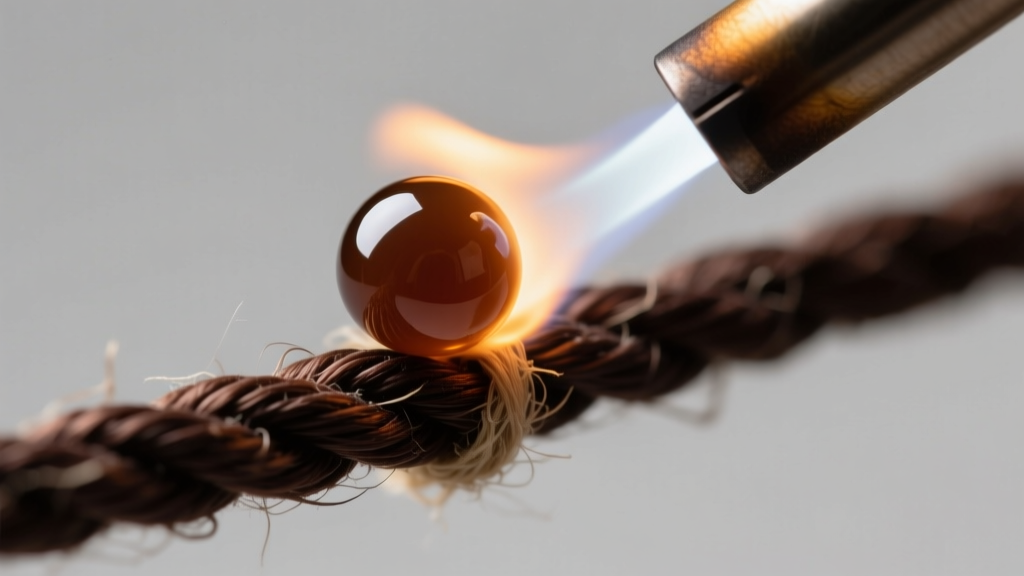
The Thread Burner Technique
When cutting excess cord after your final knot, do not use scissors. Leave about 2mm of excess cord. Take your thread burner or micro-torch and apply heat directly to the tip. If you are using a hemp-synthetic blend, it will melt into a hard, plastic-like bead. If you are using 100% natural hemp, it will scorch and carbonize. To prevent the carbonized tip from rubbing off on clothing, immediately press a small dab of jeweler's glue (like GS Hypo Cement) over the burnt tip and roll it in a tiny pinch of matching hemp dust or beeswax.
Applying Renaissance Wax
Once the necklace is fully assembled and all knots are sealed, apply a thin, even coat of Renaissance Wax using a soft, lint-free cloth. Buff it vigorously. This microcrystalline wax fills the microscopic gaps in the hemp fibers, creating a waterproof barrier that repels sweat, lotions, and saltwater. It also gives the hemp a subtle, luxurious sheen rather than a flat, matte finish. Reapply the wax every 6 to 12 months depending on wear frequency.
Troubleshooting Common Hemp Knotting Issues
Even experienced jewelry makers encounter issues when working with natural fibers. Here is how to solve the most common problems:
- Problem: Knots are twisting instead of lying flat.
Solution: You are alternating your starting sides incorrectly. A true square knot requires you to start with the left cord over the core on the first half, and the right cord over the core on the second half. If you start with the same side twice, you create a spiral (half-hitch) knot instead of a flat square knot. - Problem: The cord is fraying while threading through beads.
Solution: Dip the last inch of the hemp cord in clear nail polish or jeweler's glue and let it dry completely. This creates a stiff, needle-like tip that will easily pass through tight bead holes without fraying. Once the bead is in place, simply snip off the hardened tip. - Problem: The adjustable sliding knot is too tight to move.
Solution: You pulled the square knots too tight during assembly. The sliding barrel must be firm but not crushing the core cords. Use a slightly thinner cord (e.g., 0.5mm) to tie the sliding knots over a 1.0mm core cord to reduce friction and bulk.
Conclusion: Styling Your Masterpiece
A well-crafted hemp necklace is a versatile staple. Layer a 1.0mm waxed hemp choker with a raw amethyst pendant alongside a delicate 14k gold-filled chain for a textured, mixed-metal aesthetic. By respecting the material, using the correct hardware tolerances, and employing professional sealing techniques, your handcrafted hemp necklaces will stand the test of time, offering an organic, grounded elegance that elevates any wardrobe.


