The Necklace Clip Trend: 2026 Layering & Style Guide
Discover how the necklace clip trend is redefining layering in 2026. Explore modular chain styling, clasp hacks, and expert tips for custom lengths.

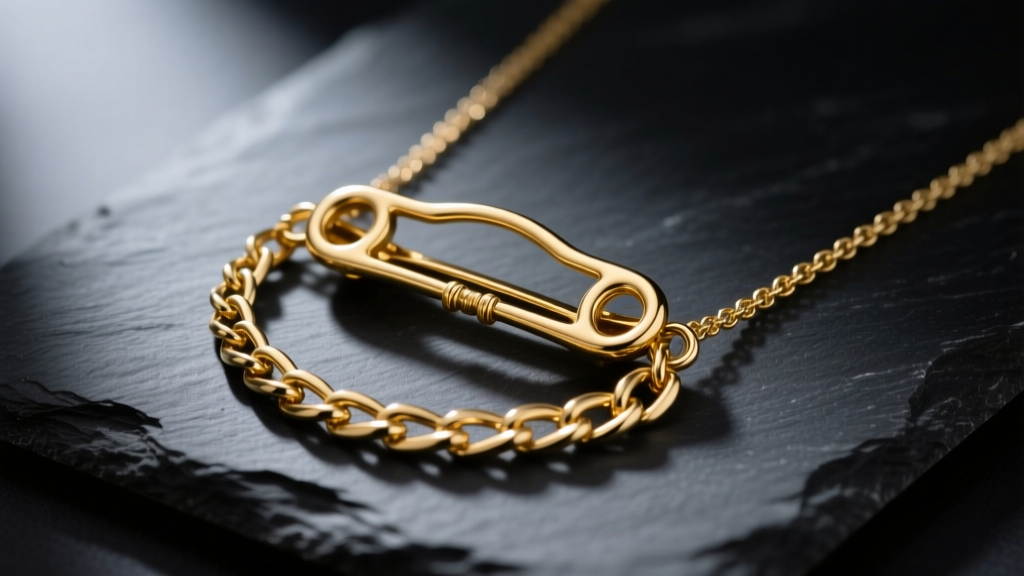
In the ever-evolving landscape of fine and fashion jewelry, the clasp has historically been an afterthought—a purely utilitarian mechanism hidden at the nape of the neck. However, the 2026 jewelry landscape has completely inverted this paradigm. The necklace clip has emerged from the shadows to become the focal point of modern layering, modular design, and bespoke styling. No longer just a means to secure a chain, today's decorative clips, carabiners, and connector clasps are the defining hardware of the modular jewelry movement.
As consumers increasingly seek versatility and personalized styling over static, single-use pieces, the necklace clip offers a dynamic solution. It allows wearers to alter lengths, combine disparate chains, and attach modular charms on the fly. According to industry analysts at JCK Online, the demand for modular and convertible jewelry has surged, driven by a desire for sustainable, multi-functional wardrobes. This guide dives deep into the anatomy, metallurgy, and advanced styling techniques of the necklace clip trend.
The Evolution: From Hidden Fastener to Front-Facing Hardware
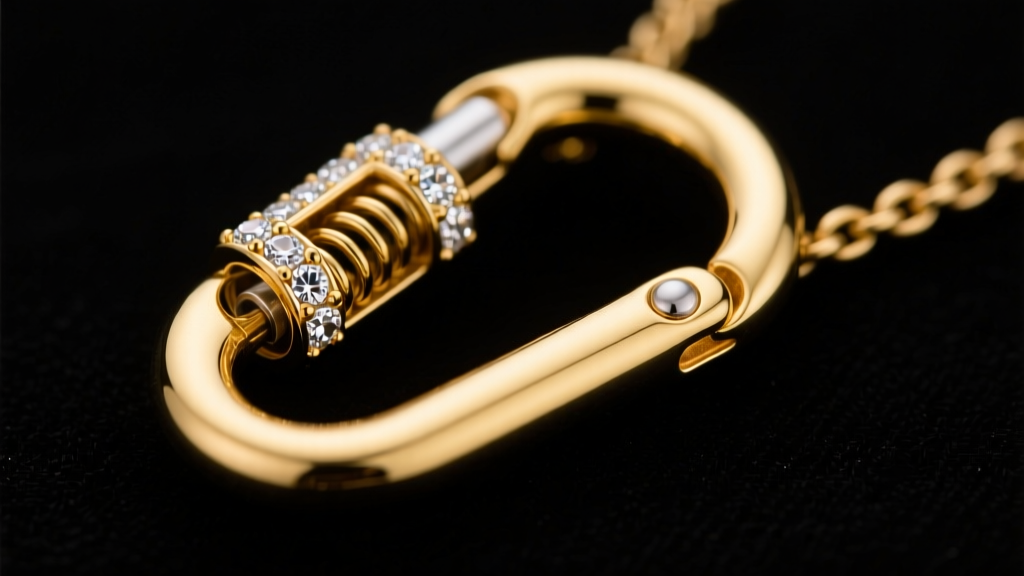
The transition of the necklace clip from a functional necessity to a stylistic centerpiece mirrors the broader 'industrial-chic' trend in contemporary fashion. Designers are now engineering clips with architectural precision, treating them as miniature sculptures. In 2026, we are seeing a massive influx of oversized trigger-snap clips, geometric O-ring connectors, and diamond-pavé carabiners designed explicitly to be worn at the front of the collarbone.
This shift is heavily influenced by streetwear and utilitarian fashion, where heavy-duty hardware like dog leash clips and climbing carabiners were first repurposed as edgy accessories. Fine jewelers have since refined this aesthetic, scaling down the aggressive hardware into elegant, 14k solid gold and platinum iterations that maintain the mechanical satisfaction of a heavy-duty clip while offering high-end luxury.
Anatomy and Metallurgy of a High-Quality Necklace Clip
Not all clips are created equal. When investing in a necklace clip intended for daily layering, understanding the metallurgy and mechanical tolerances is critical to prevent chain loss and metal fatigue.
Material Grades and Coatings
- 316L Surgical Stainless Steel: The gold standard for hypoallergenic, mid-tier hardware. It offers excellent tensile strength and resists tarnish, making it ideal for heavy chain layering.
- PVD-Coated Brass: Physical Vapor Deposition (PVD) has largely replaced traditional electroplating in 2026. A PVD gold coating on a brass clip is up to 10 times more resistant to friction and sweat, ensuring the clip's moving parts don't degrade or turn the skin green.
- Solid 14k or 18k Gold: For fine jewelry, 14k is preferred for clips over 18k or 24k. Pure gold is too soft to maintain the spring tension required for a secure clasp mechanism. The Gemological Institute of America (GIA) frequently notes that alloying gold with copper and silver (as in 14k) provides the necessary structural integrity for mechanical jewelry components.
Mechanism Comparison Chart
| Clip Type | Best Use Case | Tension Strength | Average Price Range (Fine) |
|---|---|---|---|
| Trigger Snap (Carabiner) | Heavy chains, modular layering, belt conversions | High (15-25 lbs) | $350 - $800+ |
| Oversized Lobster | Standard layering, pendant attachment | Medium (5-10 lbs) | $150 - $400 |
| Magnetic Lock | Accessibility, sleek/minimalist aesthetics | Low-Medium (3-8 lbs) | $200 - $500 |
| Spring Ring | Delicate chains, lightweight charms | Low (1-3 lbs) | $50 - $150 |
Advanced Styling: 3 Ways to Wear the Necklace Clip in 2026
The true power of the decorative necklace clip lies in its ability to manipulate geometry and proportion. As highlighted by the editorial team at Vogue Fashion, modern layering is less about piling on identical chains and more about creating intentional, asymmetrical silhouettes. Here are three expert techniques for integrating the clip into your daily rotation.
1. The Asymmetrical Gather (Best for Scoop Necklines)
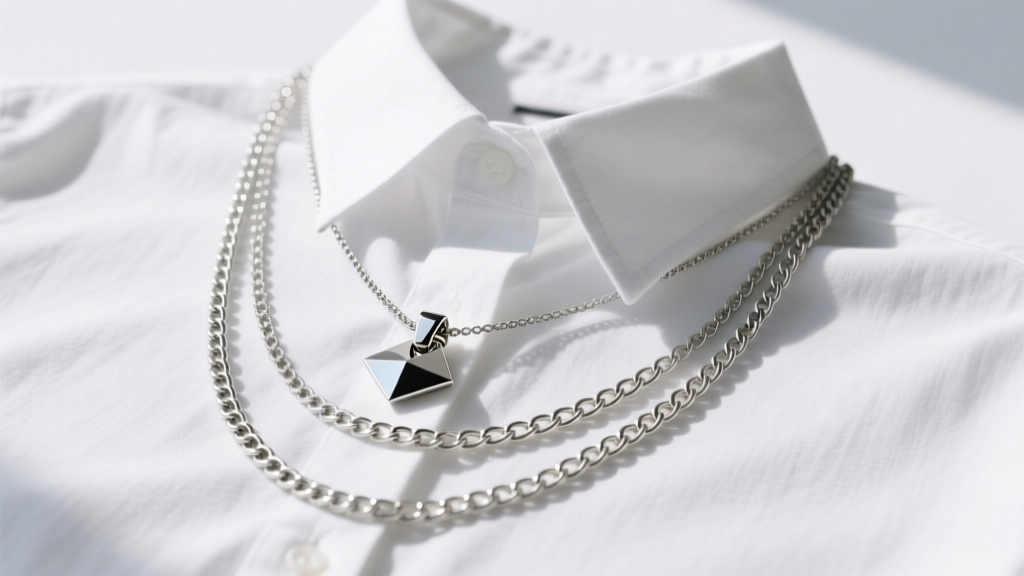
Instead of wearing three separate necklaces that tangle and compete for space, use a single, heavy decorative necklace clip to gather three chains of varying lengths (e.g., 16-inch, 18-inch, and 22-inch). Clip them together slightly off-center, resting on the collarbone. This creates a cohesive, waterfall effect that draws the eye diagonally, perfectly complementing the soft curves of a scoop neckline or a classic crew-neck tee.
2. The Convertible Lariat (Best for Deep V-Necks)
Transform a standard 24-inch or 30-inch rope chain into a custom Y-necklace lariat. Simply fold the chain in half, loop one end through a decorative O-ring or geometric pendant clip, and pull it down to your desired depth. This technique creates a sharp, vertical line that elongates the neck and torso, making it the ultimate styling hack for deep V-neck blouses and evening wear.
3. The Modular Charm Bailer (Best for Boatnecks)
Boatnecks (or bateau necklines) run horizontally across the collarbones, which can make traditional pendant necklaces look cluttered. Instead, use a wide, horizontal bar-style necklace clip. Attach it centrally to a thick, 14-gauge curb chain, and use the clip's secondary loops to hang three to five small, varied charms (like pearls, gemstone beads, or signet drops). This creates a structured, fringe-like effect that mirrors the horizontal line of the boatneck without overwhelming the fabric.
Troubleshooting Common Clip Failures
While the necklace clip is a versatile tool, mechanical failure can result in the loss of expensive chains and pendants. Understanding the failure modes of your hardware is essential for jewelry maintenance.
The 'Ghost Opening' Phenomenon
The most common failure with lobster and spring-ring clips is 'ghost opening.' This occurs when the tiny lever of the clasp catches on a sweater thread, hair, or the edge of a scarf, inadvertently pulling the mechanism open. The Fix: Never attach a necklace clip directly to an open jump ring. Always use a welded split ring or a 14-gauge closed soldered ring to connect your clip to the chain. This eliminates the gap that allows the clip to slip off even if the lever is pulled back.
Spring Fatigue in Carabiners
Trigger-snap carabiners rely on an internal steel spring. Over time, exposure to lotions, perfumes, and sweat can cause the internal spring to corrode or lose its tension, resulting in a 'floppy' latch that won't snap shut. The Fix: If you wear your necklace clip daily, rinse it briefly under lukewarm water once a month and dry it with a microfiber cloth to remove chemical buildup. For high-end solid gold clips, have a jeweler service the internal spring mechanism annually.
Sourcing Artisan and Fine Jewelry Clips
The market for standalone necklace clips has exploded, with options ranging from accessible fashion hardware to heirloom-quality fine jewelry. For those exploring the trend without a massive investment, brands utilizing PVD-coated 316L stainless steel offer excellent durability in the $40 to $90 range. These are perfect for experimenting with heavy, industrial layering.
For the fine jewelry collector, seek out independent artisans and established houses that cast their clips in solid 14k gold with reinforced internal springs. Expect to pay between $300 and $1,200 for a single, meticulously engineered carabiner or geometric connector. Look for clips that feature a 'locking gate'—a secondary twist-sleeve that prevents the latch from opening accidentally, providing ultimate security for heavy diamond and gemstone pendants.
Ultimately, the necklace clip is more than a fleeting trend; it represents a fundamental shift toward interactive, user-designed jewelry. By mastering the mechanics and styling potential of these modular connectors, you unlock an entirely new dimension of personal expression in your jewelry wardrobe.


