Necklace of the Desert Cataclysm: Troubleshooting & Repair
Troubleshoot common issues with the Necklace of the Desert Cataclysm. Expert repair tips for brass patina, resin clouding, and heavy pendant chain strain.

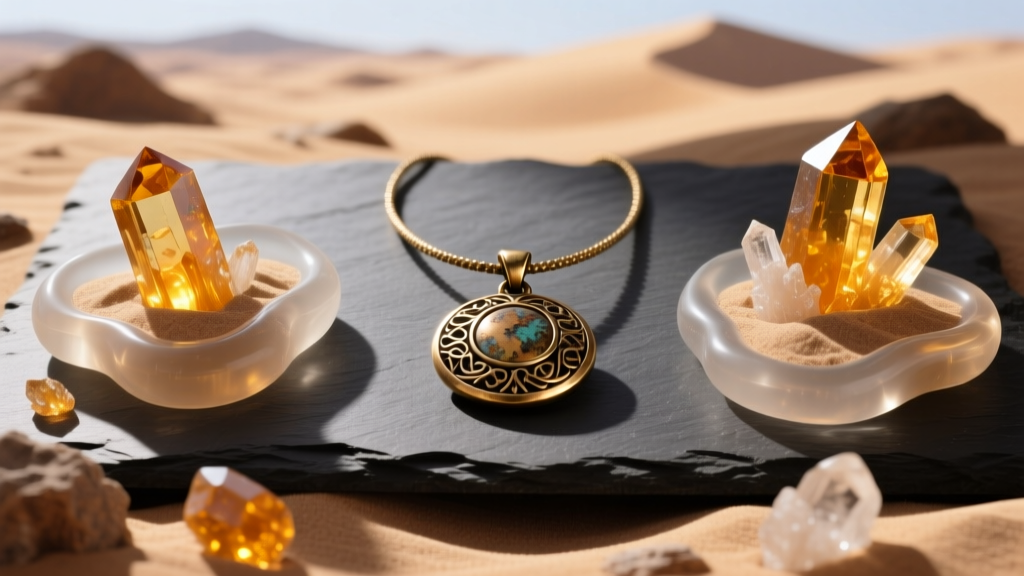
The Anatomy of a Fantasy Masterpiece
The Necklace of the Desert Cataclysm remains one of the most highly sought-after mixed-media artisan pieces in the fantasy and LARP jewelry communities. Characterized by its heavy sand-cast brass elements, suspended desert-sand epoxy resin inclusions, and raw, uncut citrine accents, this statement piece is a masterclass in thematic design. However, the very materials that give this necklace its post-apocalyptic, sun-baked aesthetic are also prone to specific, predictable failures.
As of 2026, while many contemporary artisan smiths have begun utilizing advanced UV-stabilized resins and sealed brass alloys, vintage and original-run pieces of the Necklace of the Desert Cataclysm require meticulous, specialized maintenance. Standard commercial jewelry cleaners will strip the intentional antique wash and cloud the resin. This comprehensive troubleshooting guide addresses the three primary failure points of this iconic necklace: brass dezincification, resin photo-oxidation, and structural bail fatigue.
Troubleshooting Brass Oxidation vs. Intentional Patina
The primary metalwork in the Necklace of the Desert Cataclysm is typically raw cartridge brass (an alloy of roughly 70% copper and 30% zinc). Artisans intentionally oxidize this brass using liver of sulfur or ammonium sulfide to create deep, dark recesses that highlight the desert-themed engravings. The problem arises when the high-contact areas develop verdigris (a powdery green copper carbonate) or when the brass begins to dezincify, leaving a porous, copper-rich surface that stains the skin.
Safe Cleaning Without Stripping the Antique Wash
Never use commercial brass dips or ultrasonic cleaners on this piece. These will strip the dark patina from the recesses, ruining the contrast. Instead, use a targeted mechanical and chemical approach:
- The Calcium Carbonate Paste Method: Mix precipitated calcium carbonate powder with distilled water to form a thick paste. Using a microfiber cloth, gently rub only the raised, high-friction areas of the brass. This mild abrasive removes skin lipids and active verdigris without scratching the metal or pulling the dark oxidation out of the engraved crevices.
- Sealing with Microcrystalline Wax: Once cleaned and fully dried, apply a thin layer of Renaissance Wax (a museum-grade microcrystalline wax). Buff it with a soft horsehair brush. This creates a moisture barrier that halts further oxidation and prevents the brass from turning your skin green, a common complaint documented in the Getty Conservation Institute's guidelines on copper-alloy artifact preservation.
Fixing Resin Clouding and 'Desert Sand' Inclusions
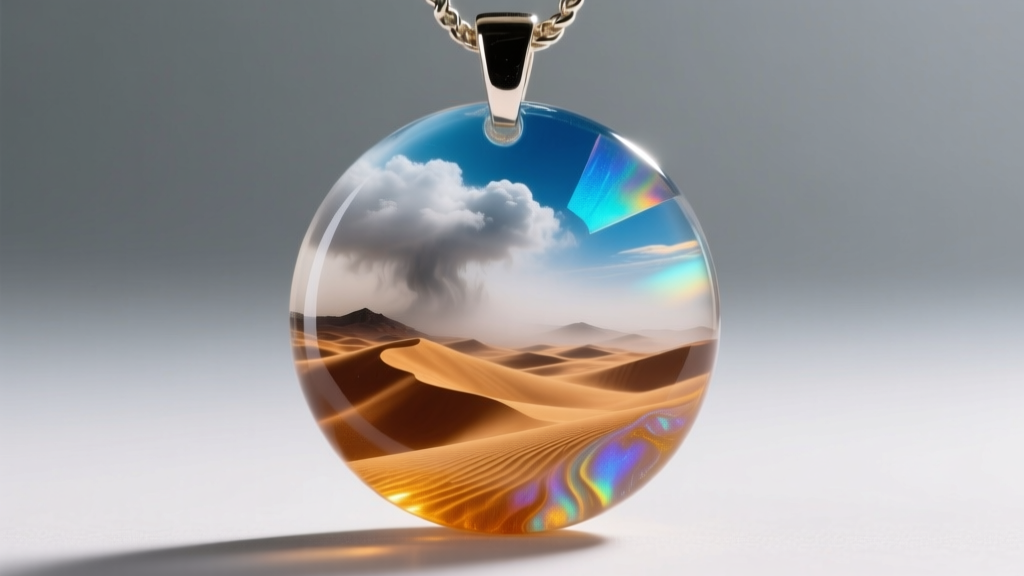
The centerpiece of the Necklace of the Desert Cataclysm features a poured epoxy resin window meant to mimic a shattered glass vial holding suspended desert sand and metallic flakes. Over time, exposure to UV radiation and skin oils causes the epoxy to undergo photo-oxidation, resulting in a yellow, cloudy, or 'crazed' appearance.
The Novus Polishing Protocol
If your resin inclusion has lost its crystal clarity, you can restore it using a multi-stage plastic polishing system. Do not use toothpaste or baking soda, as the irregular particle sizes will leave micro-scratches that trap more dirt.
- Wet Sanding (For Deep Scratches): If the resin has deep physical scratches, wet-sand the surface using 2000-grit, then 3000-grit silicon carbide paper. Keep the surface lubricated with distilled water. Mask off the surrounding brass with painter's tape to prevent accidental abrasion.
- Compound Polishing: Apply Novus 3 (Heavy Scratch Remover) with a clean flannel cloth, working in tight, circular motions for 3-5 minutes. Wipe clean.
- Final Clarity: Follow up with Novus 2 (Fine Scratch Remover) to restore optical clarity. Finish with a light mist of Novus 1 (Clean & Shine) to apply an anti-static, UV-resistant protective coating.
For severe, deep-seated yellowing that cannot be polished out, the epoxy has suffered irreversible chemical breakdown. In these cases, consulting a specialized resin-casting artisan for a complete bezel extraction and repour is the only permanent fix.
Structural Failures: Chain Strain and Bail Upgrades
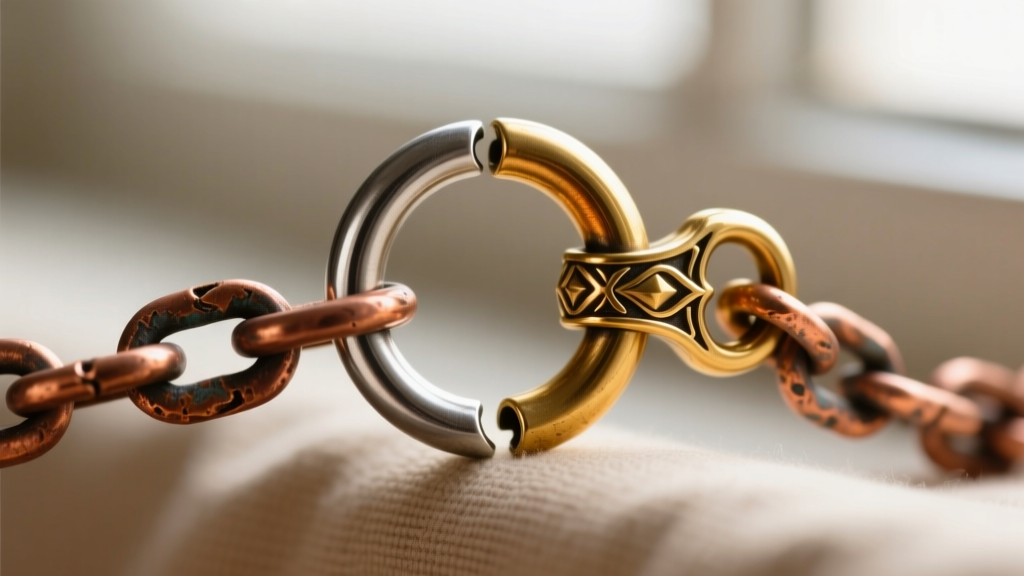
A fully assembled Necklace of the Desert Cataclysm pendant can weigh between 55 and 75 grams. This immense weight places continuous tensile stress on the jump ring connecting the pendant bail to the chain. Standard 18-gauge or 20-gauge brass jump rings will inevitably pull apart under the dynamic load of daily wear, leading to lost pendants.
Upgrading the Hardware
To solve this structural vulnerability, you must upgrade the connection point. According to the GIA Gem Care guidelines, heavy pendants require secure, soldered, or high-tensile connection points.
- Remove the standard jump ring using two pairs of flat-nose pliers. Do not pull the ring apart laterally; twist the ends away from each other to maintain the circular geometry.
- Install a 14-gauge or 12-gauge 316L stainless steel split ring (often sold as heavy-duty key rings in micro-sizes). Split rings require a prying tool to open but are mechanically impossible to pull apart under the 75g load of this pendant.
- Check the Bail Pin: Inspect the steel or brass pin holding the bail to the main pendant body. If there is lateral wobble, apply a microscopic drop of medium-viscosity cyanoacrylate (CA) glue to the pin heads to lock them in place, preventing the bail from snapping off the resin bezel.
Material Troubleshooting Matrix
Use the following diagnostic table to quickly identify and resolve the most common issues associated with the Necklace of the Desert Cataclysm.
| Component | Common Failure | Root Cause | Expert Solution |
|---|---|---|---|
| Brass Bezel | Green skin staining / Verdigris | Copper oxidation reacting with sweat acidity | Clean with calcium carbonate; seal with Renaissance Wax |
| Epoxy Resin | Yellowing / Cloudiness | UV photo-oxidation and lipid absorption | Wet sand (3000 grit) and polish with Novus 2 & 3 |
| Jump Ring | Pendant detachment | Tensile failure from 60g+ dynamic load | Upgrade to a 14g 316L stainless steel split ring |
| Raw Citrine | Surface dullness / Dirt trapping | Uncut stone porosity and skin oil buildup | Soak in warm distilled water with a drop of mild dish soap; brush with a soft baby toothbrush |
| Leather Cord | Stiffness / Cracking | Desiccation and loss of natural tanning oils | Condition with mink oil or pure neatsfoot oil; avoid synthetic conditioners |
Long-Term Storage and Conservation
When not being worn, the Necklace of the Desert Cataclysm should never be tossed into a standard jewelry box where the heavy brass elements can crush the resin or scratch the raw citrine (which sits at a 7 on the Mohs hardness scale, but can still be marred by harder steel or quartz debris).
Store the necklace flat in a climate-controlled environment. Use an acid-free, unbuffered tissue paper to wrap the pendant, which prevents the sulfur compounds present in some cardboard boxes from reacting with the brass and causing premature blackening. Include a silica gel desiccant packet in the storage bag to maintain a relative humidity below 45%, effectively halting any dormant corrosion processes on the metalwork. By following these precise, material-specific troubleshooting steps, you can ensure this intricate piece of fantasy artistry survives for decades without losing its iconic, sun-scorched aesthetic.


