Evil Eye Necklace Materials: Glass vs Enamel vs Gemstone
Discover the best evil eye necklace materials. Compare hand-blown glass, vitreous enamel, and gemstones to find the most durable and authentic pendant.

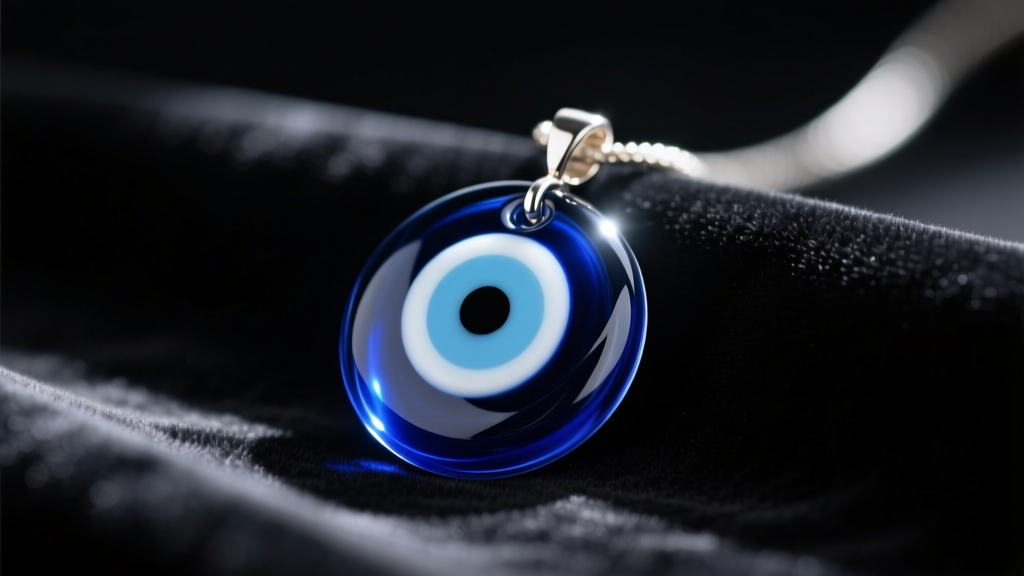
The Anatomy of an Evil Eye Necklace
The evil eye amulet, historically known as the Nazar, has transcended its ancient Middle Eastern and Mediterranean roots to become a global jewelry staple. However, as the demand for this protective motif has surged, so has the market saturation of cheap, mass-produced imitations. For the discerning collector or everyday wearer, understanding the material composition of an evil eye necklace is critical. The material dictates not only the pendant's cultural authenticity but also its structural longevity, skin compatibility, and resistance to environmental wear.
In this comprehensive material comparison, we dissect the three primary mediums used to craft the "eye"—hand-blown glass, vitreous enamel, and carved gemstones—and evaluate the metallurgical properties of the chains and bezels that house them.
The Eye Itself: Glass vs. Enamel vs. Gemstone
The focal point of any evil eye necklace is the pupil and iris motif. The method used to create these concentric circles drastically alters the pendant's weight, fragility, and light reflection.
Traditional Hand-Blown Glass (The Authentic Nazar)
Authentic Turkish Nazar boncuğu are crafted using a centuries-old lampworking technique. Artisans layer four distinct colors of molten glass: a dark blue outer ring (for karma protection), a white middle ring, a light blue inner ring, and a black or dark blue pupil.
- Durability: Glass rates around 5.5 to 6 on the Mohs hardness scale. While resistant to scratching from everyday dust (which contains quartz, rating a 7), it is highly susceptible to shattering upon blunt impact.
- Properties: High-quality artisanal glass is properly annealed in a kiln to relieve internal thermal stresses. If you drop a well-annealed glass Nazar, it may chip rather than explode into dust, unlike cheap, factory-stamped glass beads.
- Best For: Purists seeking cultural authenticity and a lightweight, glossy finish.
Vitreous vs. Cold Enamel
Enamel is the preferred medium for fine jewelry designers who want the vivid, opaque colors of the evil eye without the fragility of solid glass. However, not all enamel is created equal.
Vitreous Enamel: This is crushed, powdered glass fused to a metal substrate (usually sterling silver or gold) in a kiln at temperatures exceeding 1,400°F. According to the Ganoksin Project, vitreous enamel is exceptionally durable, UV-resistant, and will never yellow or fade. It is the hallmark of luxury evil eye pendants.
Cold Enamel (Epoxy Resin): Often marketed simply as "enamel" by fast-fashion brands, cold enamel is actually a two-part epoxy resin poured into metal recesses. While it mimics the look of glass, it rates poorly in durability. It scratches easily, degrades under prolonged UV exposure, and can peel away from the metal bezel if exposed to harsh chemicals or extreme temperature fluctuations.
Carved Gemstones
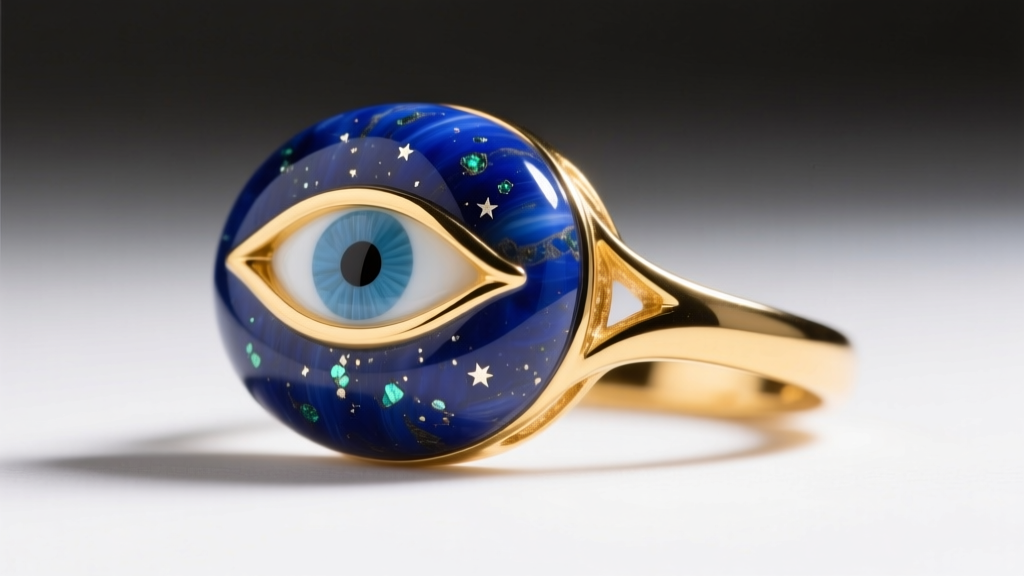
For a high-end, mineral-based approach, jewelers carve the evil eye motif into semi-precious stones. Lapis lazuli and turquoise are the most historically significant, while sapphire is used for ultra-luxury pieces.
- Lapis Lazuli (Mohs 5-6): Prized for its deep royal blue color and golden pyrite flecks. Lapis is porous and sensitive to acids, requiring a protective bezel setting. The Gemological Institute of America (GIA) notes that lower-grade lapis is often dyed, which can bleed onto skin or clothing if exposed to sweat.
- Turquoise (Mohs 5-6): A traditional protective stone in its own right. Turquoise is highly porous and must be stabilized with a clear resin to prevent it from absorbing skin oils and turning green over time.
- Sapphire (Mohs 9): The ultimate luxury choice. Second only to diamond in hardness, a sapphire evil eye (often carved from blue sapphire cabochons or accented with sapphire pavé) offers unmatched scratch resistance.
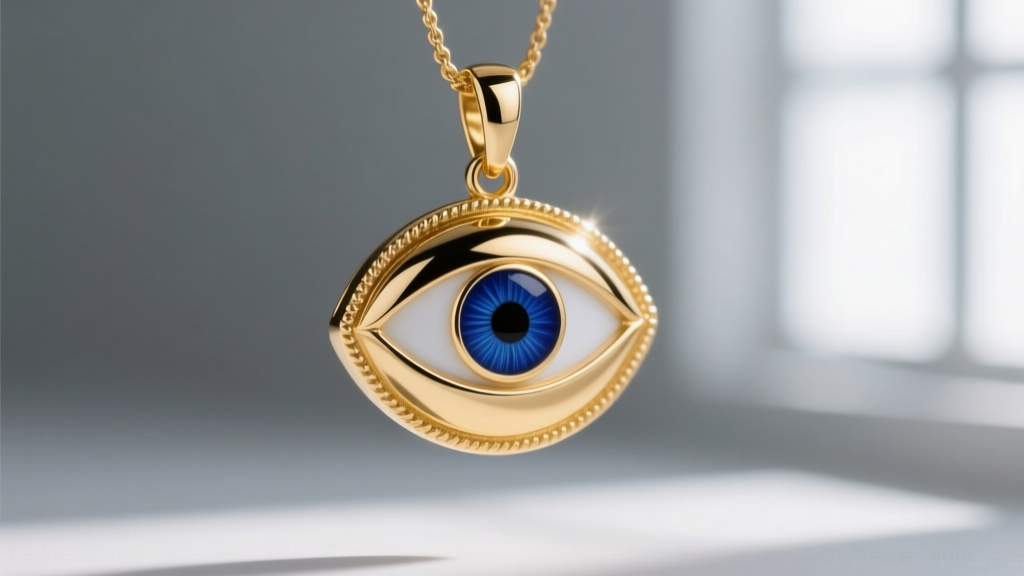
Metal Settings and Chains: Durability & Skin Reactions
The pendant is only as good as the metal that holds it. The chain and bezel dictate the necklace's tensile strength and hypoallergenic properties.
Solid Gold (14k and 18k)
14k gold (58.5% pure gold) offers the ideal balance of rich color and structural rigidity, making it perfect for the delicate prongs or bezels holding a glass or gemstone eye. 18k gold (75% pure) provides a deeper yellow hue but is slightly softer, increasing the risk of the bezel warping and dropping the stone if subjected to heavy pulling.
Gold Vermeil vs. Gold Plated
Many mid-tier evil eye necklaces are gold vermeil. By FTC guidelines, vermeil must consist of a 925 sterling silver base plated with a minimum of 2.5 microns of 10k, 14k, or 18k gold. This thickness ensures the gold layer will not rub off with daily wear over a few years. Conversely, standard "gold plated" jewelry uses a brass or copper base with a microscopic flash of gold (often less than 0.5 microns), which will quickly wear away, exposing the base metal and causing green skin discoloration or contact dermatitis.
925 Sterling Silver
A highly durable, hypoallergenic option. Sterling silver contains 92.5% pure silver and 7.5% copper. The copper provides necessary tensile strength for chain links but is also responsible for silver's tendency to tarnish (oxidize) when exposed to sulfur and moisture. A rhodium plating over the silver can prevent tarnishing and mimic the look of white gold.
Material Comparison Matrix
Use the table below to evaluate which evil eye necklace material aligns with your lifestyle, budget, and longevity expectations.
| Material Type | Mohs Hardness | Price Range (USD) | Vulnerabilities | Best Use Case |
|---|---|---|---|---|
| Hand-Blown Glass | 5.5 - 6.0 | $25 - $150 | Shattering from blunt force | Cultural authenticity, casual wear |
| Vitreous Enamel | 5.0 - 6.0 | $150 - $800+ | Chipping if dropped on hard surfaces | Fine jewelry, daily heirloom wear |
| Cold Enamel (Resin) | 2.0 - 3.0 | $20 - $80 | Scratching, UV yellowing, peeling | Trend-driven, short-term fashion |
| Lapis Lazuli | 5.0 - 6.0 | $100 - $600 | Acid sensitivity, dye bleeding | Collector pieces, dry environments |
| Sapphire (Carved/Pavé) | 9.0 | $1,500 - $5,000+ | Cleavage planes (rare chipping) | Generational heirlooms, luxury |
Care and Maintenance by Material
Improper cleaning is the leading cause of irreversible damage to evil eye pendants. Follow these strict metallurgical and mineralogical guidelines:
- Never use ultrasonic cleaners on turquoise, lapis lazuli, or enamel pendants. The high-frequency vibrations can shatter vitreous enamel, fracture porous gemstones, and shake gemstones loose from their bezels.
- Avoid chemical dips on glass and gemstones. Silver cleaning liquids contain thiourea, which can strip the polish off carved lapis and leave a cloudy, permanent film on hand-blown glass.
- The Microfiber Method: For all materials, the safest cleaning method is wiping the pendant with a slightly damp, lint-free microfiber cloth, followed by immediate drying. For solid gold and silver chains, a dedicated jewelry polishing cloth impregnated with anti-tarnish agents is recommended once a month.
Final Verdict: Which Material Should You Choose?
If you prioritize cultural heritage and affordability, a traditional hand-blown glass Nazar on a sterling silver chain is unmatched. For those seeking a seamless transition from the office to evening wear, a vitreous enamel pendant set in 14k solid gold offers the perfect synthesis of vibrant color, scratch resistance, and lifetime durability. Avoid cold enamel and brass-plated chains entirely; the short-term savings are quickly negated by material degradation and skin irritation. By investing in the correct material grade, your evil eye necklace will serve as both a meaningful talisman and a resilient piece of fine jewelry.


