Best Knot for a Necklace: A Budget and Value Assessment
Discover how to evaluate the true cost and value of hand-knotted jewelry. Learn which knot for a necklace offers the best durability on a budget.

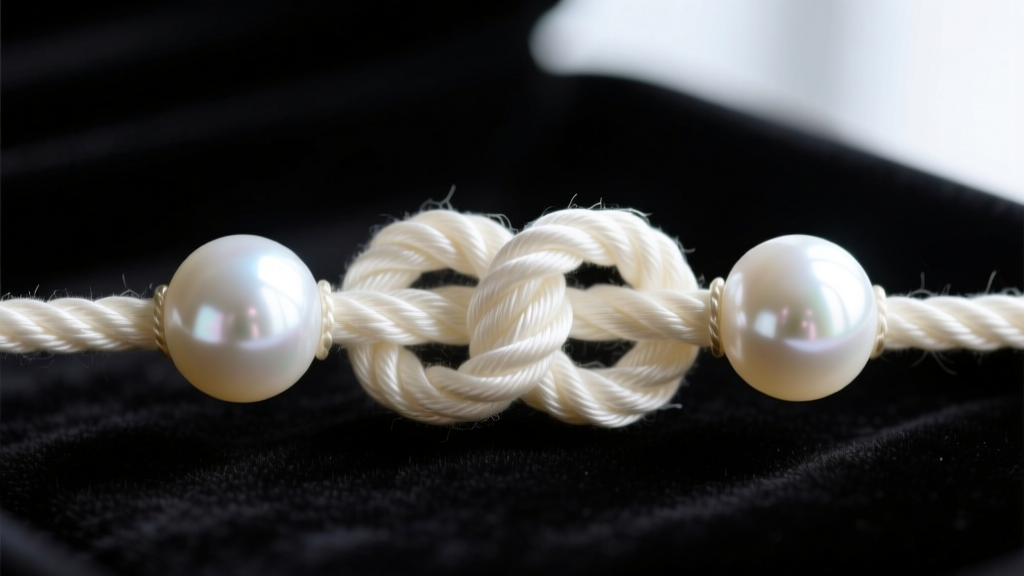
The Hidden Economics of Necklace Knotting
When evaluating fine jewelry, buyers often fixate on the gemstones or precious metals, entirely overlooking the structural foundation that holds the piece together. The type of knot for a necklace you choose—or the one a manufacturer selects for you—dictates the drape, durability, and long-term maintenance costs of the jewelry. From a budget and value assessment perspective, understanding the economics of necklace stringing is crucial. A poorly executed knot can lead to catastrophic failure, scattering hundreds of dollars worth of pearls or gemstones across a hardwood floor.
Professional restringing is not a one-time purchase; it is a recurring maintenance cost. Labor rates for hand-knotting typically range from $3.00 to $8.00 per inch, depending on the complexity of the design and the size of the beads. An 18-inch pearl necklace, therefore, carries a baseline labor cost of $54 to $144 every time it needs to be restrung. By understanding the materials and techniques involved, you can make informed decisions that maximize your jewelry's lifespan and minimize lifetime ownership costs.
Material Breakdown: Silk vs. Synthetic vs. Wire
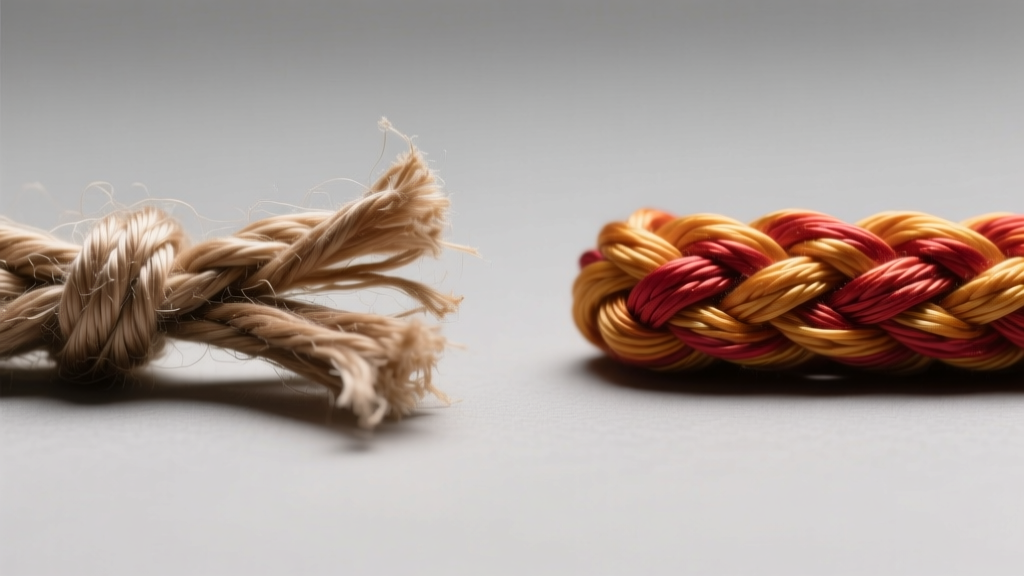
The value of a knotted necklace is intrinsically tied to the stringing material. While traditionalists swear by natural silk, modern synthetics offer vastly superior tensile strength and longevity. According to the Gemological Institute of America (GIA), natural body oils and environmental acids rapidly degrade protein-based fibers like silk, necessitating annual or bi-annual restringing for frequently worn pieces.
| Material | Cost per Yard | Lifespan | Stretch Factor | Best Use Case |
|---|---|---|---|---|
| Natural Silk (e.g., Griffin) | $0.15 - $0.30 | 2 - 5 Years | High (Stretches with wear) | High-end pearls, traditional heirlooms |
| Nylon (e.g., C-Lon, PowerPro) | $0.05 - $0.10 | 10+ Years | Negligible (Zero stretch) | Heavy gemstones, budget-conscious buyers |
| Stainless Steel Wire | $0.20 - $0.40 | 15+ Years | None (Rigid) | Crystal beads, heavy pendants (no knots) |
For professional-grade materials, suppliers like Rio Grande offer detailed tensile strength charts that prove nylon's superiority in sheer load-bearing capacity. If you are purchasing a heavy stone bead necklace, paying a premium for silk knotting is a poor value proposition; the silk will stretch and degrade under the weight. Opting for a braided nylon knot for a necklace of this type saves money on future restringing while providing a safer, more secure hold.
Evaluating the "Hand-Knotted" Premium
Many jewelers charge a significant premium for "hand-knotted" necklaces, but not all knots are created equal. The standard overhand knot is the baseline for pearl stringing, but it relies heavily on the artisan's muscle memory and tension control. A sloppy overhand knot will loosen within months, creating unsightly gaps between beads. A surgeon's knot (an overhand knot with an extra twist before pulling tight) provides superior friction and holds its shape significantly longer, especially when working with slippery synthetic threads.
"A hand-knotted pearl necklace is only as valuable as the thread that binds it. Skimping on the stringing material or ignoring the clasp attachment is a false economy that inevitably costs more in restringing and lost gems." — Master Jeweler's Guild Best Practices
The French Wire Factor
When assessing the value of a knotted necklace, always inspect the clasp attachment. High-value pieces utilize French wire (also known as gimp wire)—a tiny, coiled metal spring that acts as a protective sleeve over the thread where it passes through the metal clasp ring. Without French wire, the metal ring will slowly saw through the thread due to friction, leading to breakage. If a jeweler charges $150 for a restringing job but omits French wire, the value proposition plummets. Always demand French wire for silk and nylon stringing to protect your investment.
DIY vs. Professional: A Cost-Benefit Analysis
For budget-conscious collectors, learning to tie the proper knot for a necklace at home can yield massive savings. However, the initial tool investment and the learning curve must be factored into your cost-benefit analysis.
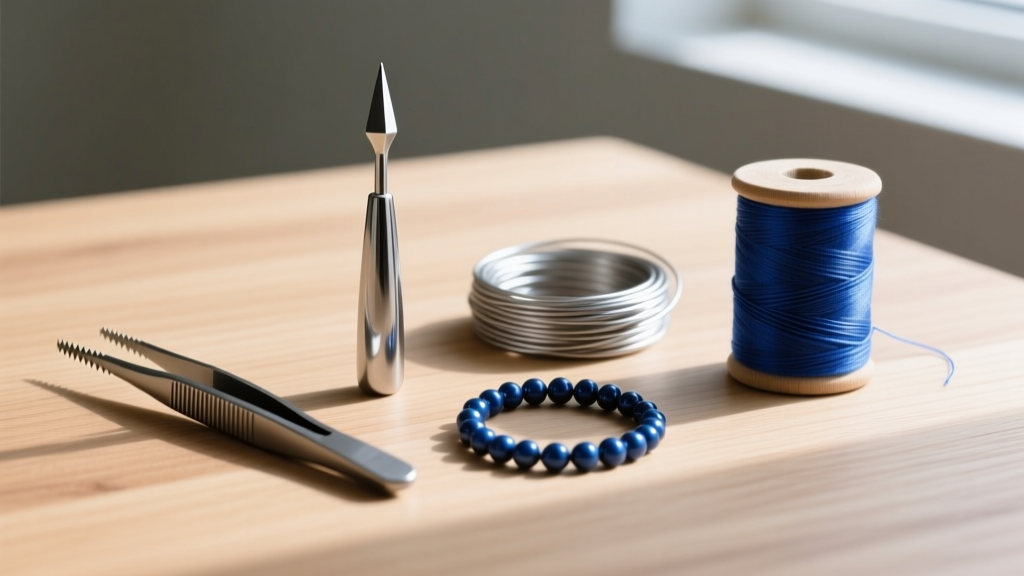
- Tool Investment: A professional beading awl, precision tweezers, and a bead board will cost between $35 and $60 upfront.
- Material Costs: A card of Griffin 100% silk with an attached needle costs roughly $8.00, enough for two 18-inch necklaces.
- Time & Failure Rate: Expect your first few attempts to result in uneven tension or slipped knots. The time value of your labor must be weighed against a professional's $3-$8 per inch rate.
- Best DIY Candidates: Semi-precious stone beads and freshwater pearls (where minor tension inconsistencies are less noticeable than on perfectly round Akoya pearls).
If you are working with high-value, perfectly matched South Sea pearls, the risk of a DIY knot failure is too high. The cost of replacing a single dropped, damaged pearl will instantly eclipse the $100 professional restringing fee.
How to Inspect a Knot for a Necklace Before Buying
Whether you are shopping at an estate sale, an online auction, or a high-end boutique, use this structured framework to assess the quality and remaining lifespan of a knotted necklace:
- The Tension Test: Gently pull the necklace apart between two beads. If you see more than 1mm of thread between the bead and the knot, the necklace has stretched and requires immediate restringing.
- The Color Match: The thread color should perfectly match the body color or the overtone of the beads. Yellowed silk on white pearls indicates age, sweat damage, and structural degradation.
- The Clasp Inspection: Look closely at the jump ring connecting the clasp. Is there a metal French wire coil protecting the thread? If the thread is bare and slightly frayed, factor a $75+ restringing cost into your purchasing budget.
- The Drape Test: Hold the necklace by the clasp and let it hang. It should fall in a fluid, continuous curve. If it looks rigid or "kinky," the knots were pulled too tightly during manufacturing, which weakens the thread fibers.
Final Verdict: Where to Allocate Your Budget
When determining the best knot for a necklace, value is not about finding the cheapest option; it is about aligning the stringing material with the physical properties of the beads and your wearing habits. For heirloom pearls worn on special occasions, the traditional prestige and superior drape of hand-knotted Griffin silk justify the recurring maintenance costs. For everyday gemstone jewelry, heavy pendants, or budget-focused builds, high-tensile braided nylon offers a vastly superior return on investment, eliminating the stretch and degradation issues inherent to natural fibers. By scrutinizing the knot, the thread, and the clasp attachment, you transition from a passive buyer to an informed investor in wearable art.


