Brighton Heart Necklace Materials: Plated Brass vs Solid Silver
Analyze the metallurgy of the Brighton heart necklace. We compare its silver-plated brass core, e-coating, and enamel to solid sterling silver alternatives.

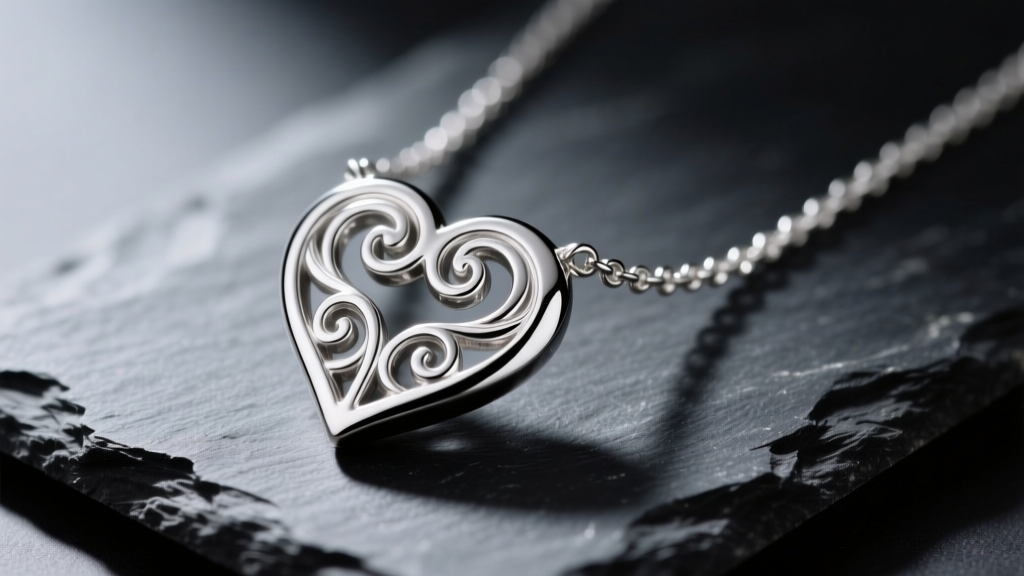
The Anatomy of a Brighton Heart Necklace
When evaluating designer jewelry, the aesthetic appeal of a piece often overshadows its metallurgical reality. The Brighton heart necklace is a prime example of this phenomenon. Recognized for its intricate scrollwork, heavy weight, and brilliant shine, it remains a staple in the designer pendant market. However, to truly understand its value and longevity, we must look past the display case and examine the material composition. Unlike solid precious metal jewelry, Brighton utilizes a complex, multi-layered plating process over a base metal core. This article breaks down the exact material properties of the Brighton heart necklace and compares them against solid sterling silver and gold vermeil alternatives.
Base Metal Core: Brass vs. Copper
The foundation of a Brighton heart pendant is typically a high-grade brass or copper alloy. Why avoid solid silver for the core? The answer lies in manufacturing mechanics and cost-efficiency. Brass (an alloy of copper and zinc) offers superior malleability and a higher Vickers hardness rating than pure silver, allowing for the deep, crisp casting of Brighton’s signature filigree and heart motifs without the risk of the pendant warping under its own weight. Furthermore, a brass core provides a dense, heavy hand-feel that mimics solid precious metals, giving the necklace a premium physical presence despite its lower intrinsic melt value.
Material Showdown: Brighton Plating vs. Solid Alternatives
To understand where the Brighton heart necklace sits in the jewelry hierarchy, we must compare its physical properties against common market alternatives. The table below outlines the critical differences in material science, plating thickness, and long-term wearability.
| Material Type | Core Metal | Plating / Purity | Tarnish Resistance | Avg. Price Range |
|---|---|---|---|---|
| Brighton Signature | Brass / Copper | Silver plate + E-coating | High (due to lacquer) | $60 - $150 |
| Solid 925 Sterling | Silver (92.5%) | Solid Alloy | Low (requires polishing) | $80 - $300+ |
| Gold Vermeil | Solid 925 Silver | 2.5µm+ Gold over Silver | Moderate | $120 - $400 |
| Fast Fashion Base | Zinc Alloy / Pewter | Flash plating (<0.5µm) | Very Low | $15 - $40 |
According to metallurgical standards outlined by jewelry manufacturing authorities like Rio Grande, standard commercial silver plating is often less than 1 micron thick. Brighton, however, utilizes a much heavier silver plating process, often exceeding 10 to 20 microns, followed by a rhodium flash to enhance the white-metal brilliance. This heavy plating ensures that the silver layer will not easily wear through to the brass core under normal friction conditions.
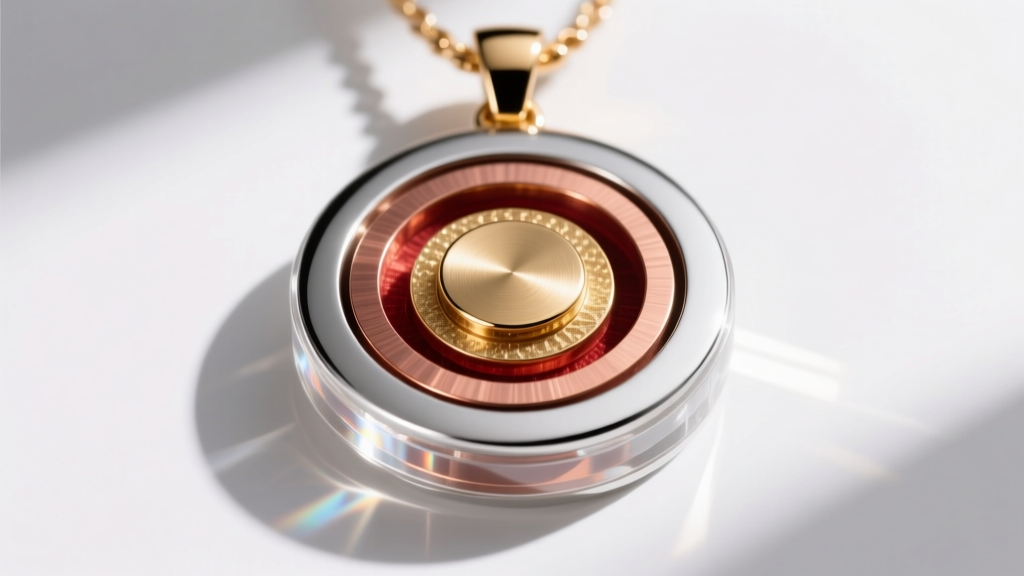
Enamel and Accent Durability in Heart Pendants
Many iterations of the Brighton heart necklace feature vibrant enamel inlays or crystal accents. Understanding the material properties of these additions is crucial for long-term care.
- Cold Enamel (Epoxy Resin): Brighton frequently uses high-quality cold enamel rather than traditional vitreous (glass) enamel. While vitreous enamel requires firing at over 1400°F and is prone to shattering upon impact, modern jewelry-grade epoxy resins offer superior shock absorption. They will not crack if the heart pendant is dropped on a hard surface.
- Crystal Settings: When Swarovski or precision-cut crystals are used, they are typically secured with jeweler's epoxy rather than traditional prong settings. This prevents the stones from catching on knitwear, though it means the piece cannot be subjected to ultrasonic cleaning, which will dissolve the adhesive.
The E-Coating Advantage
The most critical material innovation in the Brighton heart necklace is the application of an electrophoretic e-coating. As noted by the Gemological Institute of America (GIA), silver naturally reacts with hydrogen sulfide in the air to form silver sulfide, resulting in black tarnish. Brighton’s e-coating is a microscopic layer of clear, UV-cured lacquer applied via an electrical charge, ensuring an even, microscopic seal over every crevice of the heart's scrollwork. This barrier physically blocks sulfur and moisture from reaching the silver layer, drastically reducing the oxidation rate and keeping the necklace bright for years without polishing.
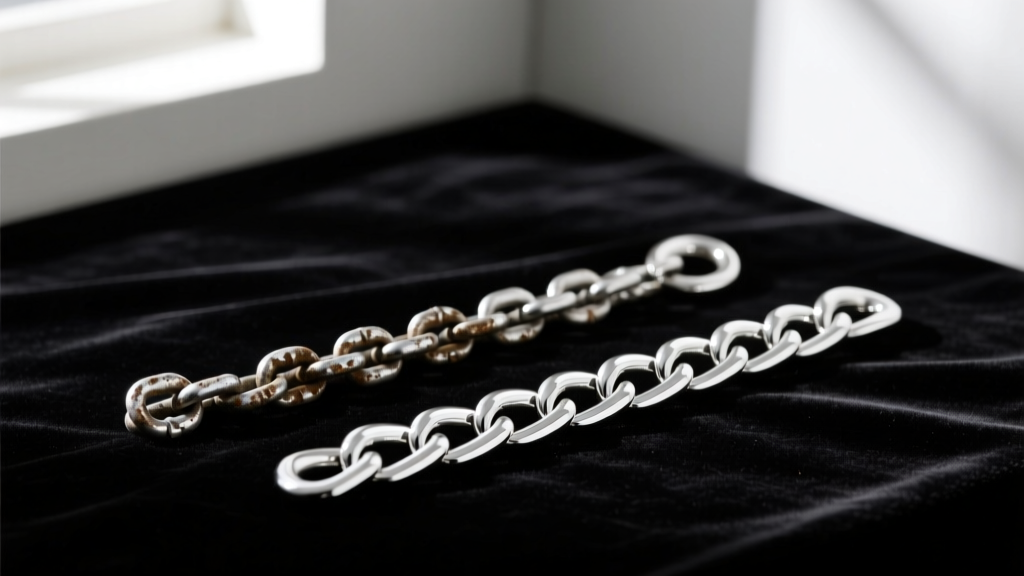
Chain Integrity: Link Styles and Tensile Strength
A pendant is only as secure as the chain that holds it. The chains accompanying Brighton heart necklaces are typically crafted from brass with matching silver plating and e-coating. From a structural perspective, Brighton favors soldered cable and rolo links. In soldered chains, every individual link is closed with a microscopic weld of silver solder. This increases the tensile strength of the chain significantly. If a solid sterling silver cable chain catches on a doorknob, the soft silver links will pull apart. A soldered brass chain, benefiting from the higher yield strength of the brass core, is more likely to hold firm or break cleanly at the clasp rather than stretching and distorting.
"The structural integrity of a plated chain relies heavily on the base metal's yield strength. A brass-core chain with soldered links will often outlast a solid, unsoldered sterling silver chain of the exact same gauge when subjected to sudden tensile stress."
Care and Maintenance for Plated Heart Necklaces
Because the Brighton heart necklace relies on a chemical e-coating rather than solid metal purity for its tarnish resistance, the maintenance protocol is entirely different from that of solid sterling silver. Improper cleaning will strip the protective lacquer, exposing the silver to rapid oxidation.
- Avoid Liquid Silver Dips: Never submerge a Brighton heart pendant in chemical silver dip solutions. The harsh thiourea compounds will instantly cloud and degrade the e-coating.
- No Ultrasonic Cleaners: The high-frequency cavitation bubbles generated by ultrasonic machines will cause the protective lacquer to peel and will dissolve the epoxy holding any crystal accents in place.
- Microfiber Wiping: To remove skin oils and lotions, gently wipe the heart pendant with a clean, dry microfiber cloth. If necessary, use a slightly damp cloth with a drop of mild dish soap, then dry immediately.
- Storage Environment: Store the necklace in an airtight polyethylene bag with an anti-tarnish silica strip. Even with an e-coating, microscopic scratches in the lacquer can allow localized tarnishing if exposed to high humidity.
Final Verdict: Is the Brighton Heart Necklace Worth It?
From a purely intrinsic, melt-value perspective, a silver-plated brass necklace cannot compete with solid 925 sterling silver or gold vermeil. However, jewelry is evaluated on wearability, design complexity, and maintenance requirements. The Brighton heart necklace excels in these areas. The use of a heavy brass core allows for intricate, deep-cast designs that would be prohibitively expensive in solid silver. Furthermore, the multi-step plating process and electrophoretic e-coating provide a level of tarnish resistance that solid silver simply cannot achieve without constant chemical maintenance. For buyers seeking a heavy, ornate heart pendant that retains its brilliant shine with minimal upkeep, the material engineering behind Brighton makes it a highly practical and durable choice.


