Beginner Guide to the Necklace Camera: Wearable Tech 2026
Discover how to choose and style a necklace camera in 2026. Our beginner-friendly explainer covers specs, materials, and fashion-forward wearable tech.

The Evolution of the Necklace Camera
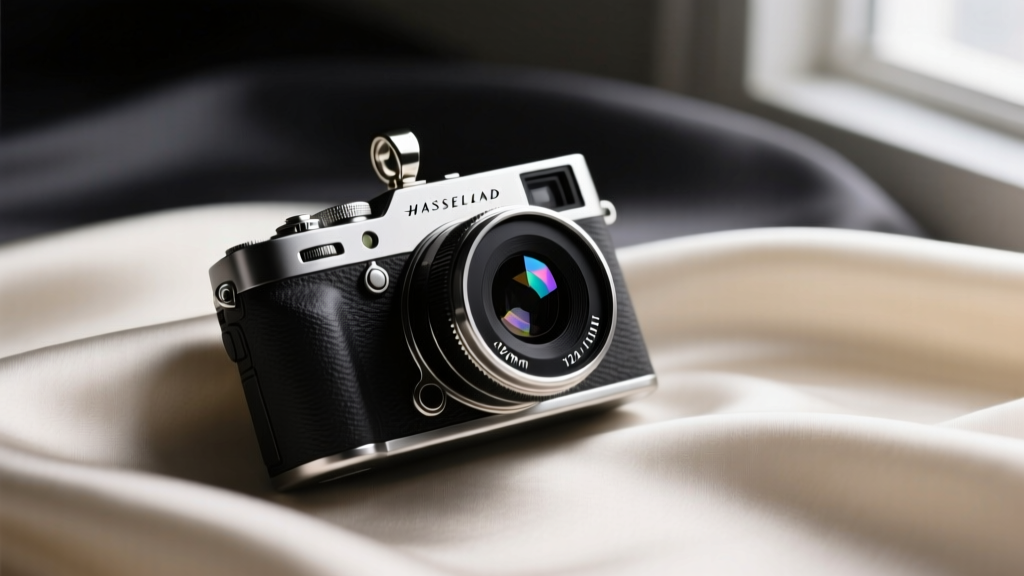
When most people hear the term necklace camera, they picture the clunky, novelty spy gadgets of the early 2000s. However, the landscape of wearable technology has undergone a massive transformation. In 2026, the necklace camera is no longer just a tool for covert surveillance; it has evolved into a legitimate fashion-tech accessory embraced by travel vloggers, content creators, and everyday users who want to capture hands-free, first-person perspectives without strapping a bulky action camera to their chest.
For beginners stepping into the world of smart jewelry, navigating the intersection of horology-grade materials and micro-electronics can be daunting. How do you balance a high-resolution sensor with an elegant pendant design? What happens to the battery when it rests against your skin? This comprehensive, beginner-friendly explainer will break down everything you need to know about choosing, wearing, and styling a modern camera pendant.
What Exactly is a Smart Pendant Camera?
At its core, a necklace camera is a miniaturized digital imaging system housed within a decorative pendant. Unlike a smartphone, which requires you to break eye contact and raise your hands to capture a moment, a wearable pendant camera sits naturally at the sternum, capturing a wide-angle, first-person view (POV) of your environment. Modern iterations utilize ultra-compact Sony IMX micro-sensors, solid-state micro-batteries, and eMMC (embedded Multi-Media Card) flash storage to eliminate the need for protruding SD card slots, allowing the device to maintain the sleek silhouette of traditional jewelry.
Core Tech Specs: What Beginners Must Check
Not all wearable cameras are created equal. When shopping for your first device, you must look past the marketing jargon and focus on the hardware specifications that dictate both performance and longevity. Below is a breakdown of what to expect across different price tiers in the current market.
| Feature | Entry-Level ($40 - $80) | Mid-Tier Fashion-Tech ($120 - $250) | Pro-Spec / Designer ($300+) |
|---|---|---|---|
| Sensor | Generic 8MP CMOS | Sony IMX (12MP - 16MP) | Custom Large-Format Micro-Sensor |
| Video Resolution | 1080p at 30fps | 4K at 30fps / 1080p at 60fps | 4K at 60fps with HDR & EIS |
| Battery Life | ~45 mins (200mAh) | ~90 mins (450mAh) | ~120 mins (Solid-State 600mAh) |
| Storage | 32GB eMMC (Non-expandable) | 128GB eMMC | 256GB+ eMMC with Cloud Sync |
| Casing Material | Zinc Alloy / ABS Plastic | 316L Stainless Steel | Titanium / 14k Gold Vermeil |
Pro Tip: Always prioritize devices with Electronic Image Stabilization (EIS). Because a pendant rests on your chest, every breath and footstep creates micro-movements. EIS is non-negotiable for usable POV footage.
Material Science: Heat, Weight, and Hypoallergenic Needs
The biggest mistake beginners make is treating a necklace camera purely as an electronic gadget and ignoring the jewelry aspect. Because these devices generate heat during 4K video processing and battery discharge, the material resting against your sternum matters immensely.
Why 316L Stainless Steel is the Gold Standard
Cheap zinc alloys and plastics are terrible conductors of heat and can cause contact dermatitis when combined with sweat and battery warmth. High-quality smart pendants utilize 316L surgical-grade stainless steel. This material is hypoallergenic, highly resistant to tarnish, and acts as a passive heatsink, safely dissipating the processor's thermal output away from your skin without becoming uncomfortably hot.
The Truth About Gold Finishes
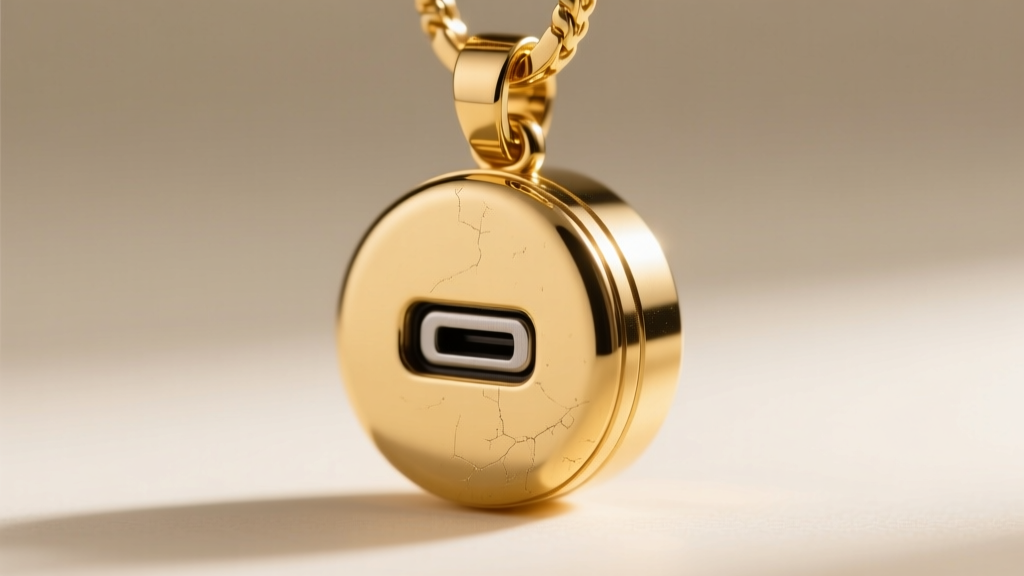
If you prefer a gold aesthetic, avoid traditional electroplated finishes. The friction from your clothing and the acidity of your skin will wear through thin gold plating in a matter of weeks, exposing the base metal. Instead, look for pendants that utilize PVD (Physical Vapor Deposition) coating. PVD bonds the gold color at a molecular level, offering a finish that is up to 10 times more durable than standard plating and easily withstands the rigors of daily wearable tech use.
How to Style Your Wearable Camera Pendant
Integrating a tech gadget into your daily wardrobe requires an understanding of proportions and layering. The goal is to either seamlessly camouflage the device as a statement piece of geometric jewelry or use it as the anchor for a layered chain stack.
- The V-Neck Advantage: V-neck shirts and blouses naturally draw the eye down to the sternum, providing an unobstructed field of view for the camera lens. Crew necks, conversely, can cause fabric to bunch up and block the lower third of your frame.
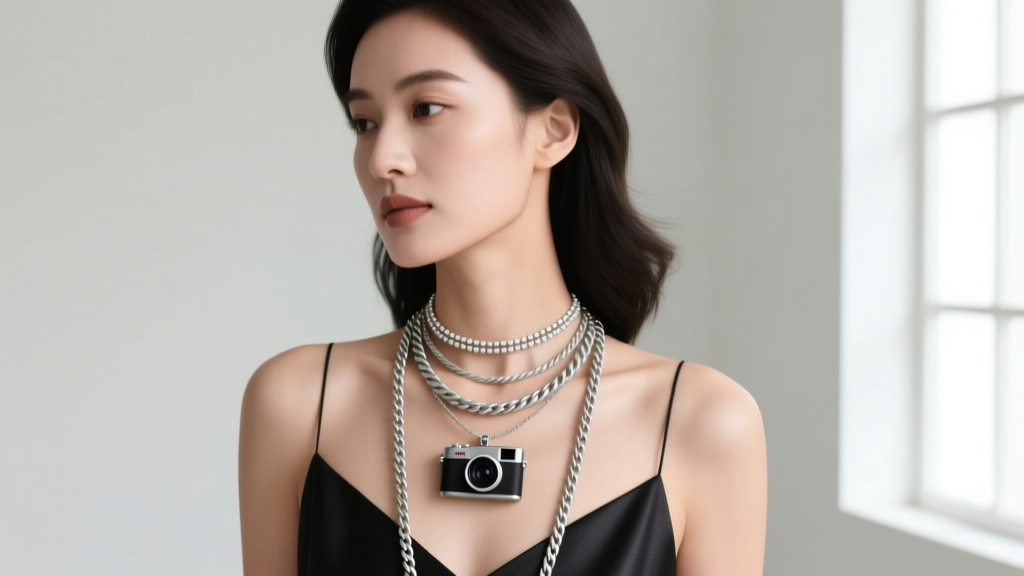
- The 16-20-24 Layering Rule: To make your camera pendant look like an intentional fashion choice rather than a standalone gadget, layer it. Use a 16-inch delicate choker (like a 2mm cable chain) at the collarbone, your 20-inch camera pendant as the centerpiece, and a 24-inch heavier rope chain to frame the bottom. This creates a cascading effect that masks the slightly thicker profile of the tech housing.
- Geometric Camouflage: Many modern necklace cameras are designed as hexagons, cylinders, or minimalist discs. Pair these with similarly shaped analog pendants (like raw crystal points or signet rings on chains) to create a cohesive, avant-garde aesthetic.
Real-World Troubleshooting: Lens Fogging & Magnets
As a domain expert, I frequently see beginners struggle with two specific issues unique to wearable chest-mounted cameras. Here is how to solve them:
1. The Body Heat Fogging Effect
Because the pendant rests against your body, the glass covering the lens is warmed by your skin. When you step outside into cold air, the temperature differential causes condensation to form on the inside of the lens glass, ruining your footage. The Fix: Before heading into the cold, allow the pendant to acclimate to the ambient outdoor temperature for five minutes, or apply a micro-thin layer of anti-fog nano-coating (commonly used for scuba masks) to the exterior glass.
2. Magnetic Clasp Interference
To maintain a waterproof seal, most high-end smart pendants use magnetic pogo-pin charging and magnetic chain clasps. While the solid-state memory is shielded, strong neodymium magnets can interfere with mechanical wristwatches worn on the same side of the body. Always unclasp your necklace away from your watch, and avoid resting the pendant directly against magnetic stripe cards.
Legal and Ethical Considerations
Wearing a necklace camera comes with profound ethical and legal responsibilities. Because the device is hands-free and can easily be forgotten, users must be hyper-aware of their surroundings.
A Note on Privacy Laws: In the United States, recording audio and video in public spaces where there is no "reasonable expectation of privacy" is generally protected. However, the rules change drastically in private spaces like restrooms, locker rooms, or private residences. Always consult local regulations. Organizations like the ACLU and the Electronic Frontier Foundation (EFF) offer excellent, up-to-date primers on your rights and restrictions regarding wearable recording devices.
Furthermore, many creators adopt the "Ethical Vlogging" standard: utilizing the pendant's built-in LED ring (which flashes when recording) to signal to bystanders that the camera is active, ensuring transparency and consent in social environments.
Final Thoughts
The necklace camera in 2026 represents the perfect marriage of utility and personal style. By prioritizing 316L stainless steel construction, understanding the thermal dynamics of wearable batteries, and mastering the art of chain layering, you can seamlessly integrate this powerful tool into your daily life. Whether you are capturing a hands-free cooking tutorial, documenting a solo travel adventure, or simply preserving fleeting memories, a smart pendant ensures you never miss a moment—and never have to sacrifice your aesthetic to do it.


