The Necklace Lavalier: A Beginner's Pendant Guide
Discover the history, styles, and buying tips for the necklace lavalier. Learn to identify antique drops and style modern lavaliere pendants.

What Exactly Is a Necklace Lavalier?
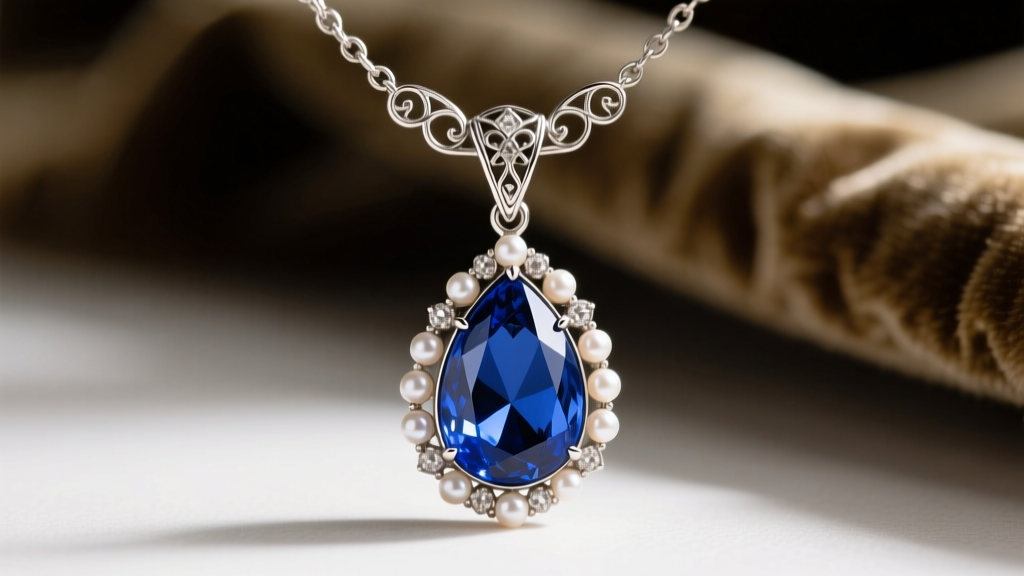
When exploring vintage and fine jewelry, you will inevitably encounter the term necklace lavalier (often spelled lavaliere or lavallière). Unlike a standard charm or a generic solitaire pendant, a true lavalier is defined by its distinct silhouette: a single, prominent gemstone or ornate metal drop suspended from a fine chain or ribbon. The defining characteristic of this style is the "pendulum effect"—the central drop is usually attached via an articulated bail, allowing it to swing freely and catch the light with every movement.
The origins of this elegant design trace back to the 17th century, named after Louise de La Vallière, a mistress of King Louis XIV of France, who popularized the wearing of ribbon chokers with dangling teardrop gems. However, the necklace lavalier as we recognize it today truly flourished during the Edwardian era (1901–1915). Jewelers of this period utilized the newly accessible platinum to create impossibly fine, lace-like filigree drops that dangled delicately over the high-collared lace blouses of the time.
Key Anatomical Features of a Lavaliere
To confidently identify and shop for a lavalier, you must understand its three core structural components. This is not merely a pendant glued to a chain; it is an engineered piece of kinetic jewelry.
- The Drop (Motif): The focal point is almost always vertically oriented. Common gemstone cuts include the briolette (a 3D teardrop covered in triangular facets), the marquise, or the pear cut. In antique pieces, you will frequently see enamel work, seed pearl halos, or milgrain-edged platinum filigree.
- The Articulated Bail: Unlike a fixed bail that sits rigidly against the chain, a lavalier often features a hidden jump ring or a hinged loop at the top of the drop. This articulation is what allows the stone to swing. A high-quality modern reproduction will use a 20-gauge (0.81mm) solid gold jump ring to ensure the bail doesn't warp under the weight of the stone.
- The Suspension Chain: Traditional lavaliere necklaces rely on delicate chains to maintain the illusion that the drop is floating on the skin. Expect to see 0.8mm to 1.2mm cable, rope, or box chains, typically ranging from 16 to 18 inches in length.
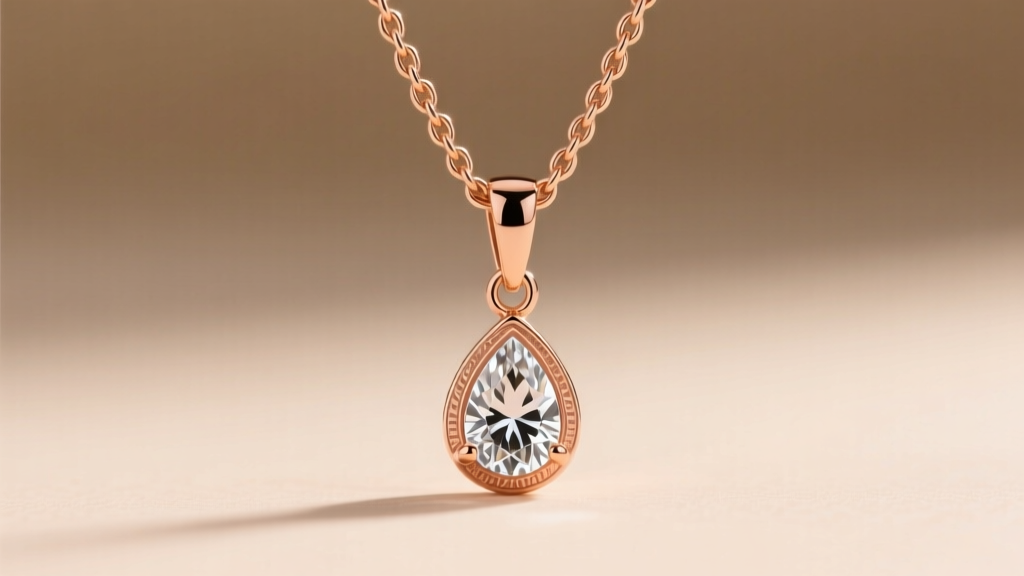
Antique vs. Modern Lavaliere Pendants: A Comparison
Whether you are hunting for an estate piece or a contemporary interpretation, the materials and construction methods vary wildly. Use this comparison chart to understand what you are looking at and what you should expect to pay.
| Feature | Antique (Edwardian/Victorian) | Modern Contemporary | Sorority/Academic |
|---|---|---|---|
| Primary Metal | Platinum, 9k/15k Yellow Gold | 14k/18k Gold, Sterling Silver | Gold Vermeil, Brass |
| Stone/Motif | Old Mine Cut Diamonds, Seed Pearls | Briolette Quartz, Morganite, Opal | Enamel Crest, Greek Letters |
| Chain Style | Fine Cable, Silk Ribbon | Box Chain, Snake Chain | Heavy Cable, 20-24 inch lengths |
| Price Range | $1,500 - $15,000+ | $150 - $2,500 | $40 - $120 |
How to Authenticate Vintage Necklace Lavalier Pieces
Because the lavalier silhouette is so heavily reproduced, authenticating an antique piece requires a trained eye and a few basic tools. According to the experts at Lang Antiques University, examining the clasp and the gemstone girdle are your best first steps.
First, inspect the clasp. An authentic Edwardian or early Victorian necklace lavalier will rarely feature a modern lobster claw clasp. Instead, look for a "C-clasp" (which lacks a locking mechanism) or an early 20th-century dog-bone spring ring. If the chain is platinum but the clasp is marked "14k" or "585", it is likely a later replacement, which affects the piece's valuation.
Next, use a 10x jeweler's loupe to examine the gemstone. Antique drops will typically feature Old Mine or Old European cuts. These stones possess high crowns, small tables, and large, flat culets (the bottom point of the diamond). If the teardrop diamond features a sharp, pointed culet and laser-perfect symmetry, it is a modern brilliant cut, indicating the piece is either a contemporary reproduction or an antique setting that has had its original stone replaced.
Pro-Tip: Always check the jump ring connecting the drop to the chain. In genuine antique lavaliere necklaces, the jump ring is often soldered shut or features a very tight, hand-filed seam. Mass-produced modern replicas often use loosely twisted, unsoldered jump rings that can easily pull apart.
Styling Your Lavalier for Modern Necklines
The kinetic nature of the necklace lavalier means it demands specific neckline pairings to look its best. Because the drop acts as a visual arrow pointing downward, it naturally elongates the neck and torso. Here is a practical framework for styling your piece:
The Best Necklines for Lavaliere Drops
- Deep V-Necks & Wrap Dresses: The geometric alignment of a V-neck perfectly mirrors the teardrop shape of the lavalier. Allow the pendant to rest exactly one inch above the apex of the V-neck for optimal visual balance.
- Scoop Necks & Crew Necks: A 16-inch lavalier chain will sit beautifully inside the curve of a scoop neck, drawing the eye to the collarbone without competing with the fabric's hemline.
What to Avoid
- Boat Necks & Bateau Lines: Horizontal necklines clash aggressively with the vertical pendulum swing of a lavalier. The drop will look trapped and visually stunted.
- Heavy Layering: Unlike coin necklaces or simple solitaires, a necklace lavalier needs "breathing room." If you must layer, pair it with a rigid 14-inch choker that sits high on the clavicle, leaving a minimum 4-inch gap before the lavalier drop begins.

Buying Guide: Material Grades and Pricing
When shopping for a modern lavalier, understanding material grades will protect you from overpaying. The GIA Gem Encyclopedia notes that the cut of the drop stone heavily influences the price, particularly with briolettes, which require high-clarity rough material since their 3D faceting hides fewer inclusions than standard cuts.
- Sterling Silver & Vermeil ($80 - $250): Ideal for everyday wear. Ensure the piece is plated with at least 2.5 microns of gold (heavy vermeil) if choosing a gold tone, as the friction from the swinging drop will wear away thin plating on the bail over time.
- Solid 14k Gold ($400 - $1,200): The sweet spot for durability and value. 14k gold offers enough tensile strength to support a 3-carat quartz or beryl drop without the bail bending.
- Platinum & High-Karat Gold ($2,000+): Reserved for fine gemstones like sapphires or diamonds. Platinum's density makes it the ultimate choice for securing heavy, antique-cut drops securely over a lifetime of wear.
Care and Maintenance for Delicate Drops
The very mechanism that makes the necklace lavalier beautiful—the swinging drop—also makes it vulnerable to damage. Every time the pendant swings, it can collide with tables, zippers, or other jewelry.
According to Jewelers of America, you must be exceptionally careful when cleaning lavaliere necklaces. Never place a briolette or teardrop gemstone in an ultrasonic cleaner. The high-frequency vibrations can cause internal tension fractures to expand, particularly in stones like emeralds, opals, or fracture-filled diamonds. Furthermore, if your lavalier features seed pearls glued into a platinum filigree drop, the heat and chemicals of an ultrasonic bath will dissolve the adhesive, causing the pearls to fall out.
Instead, clean your lavalier using a solution of warm distilled water and a few drops of mild, phosphate-free dish soap. Use a baby-soft toothbrush to gently sweep dust from the articulated bail and the top facets of the drop. Dry the piece flat on a microfiber cloth, ensuring the chain does not wrap around the drop and bend the suspension ring.


