Displaying a Necklace on Stand: 2026 Retail & Home Styling Trends
Discover 2026 trends for displaying a necklace on stand. Learn visual merchandising tactics, material choices, and lighting tips for retail and home decor.

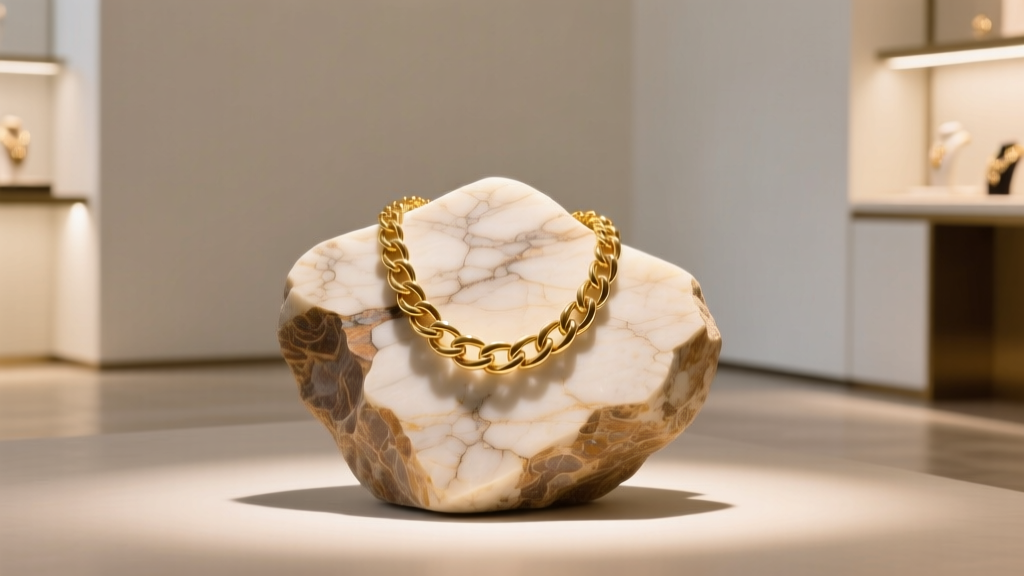
In the realm of high-end jewelry retail and curated residential styling, the presentation is inextricably linked to the perceived value of the piece. As we navigate 2026, the traditional velvet bust has been largely relegated to mass-market discount bins and outdated storefronts. Today, displaying a necklace on stand requires an architectural approach, merging material science, precise geometry, and advanced lighting design to create a contextual frame that elevates the jewelry. Whether you are a boutique owner revamping your visual merchandising strategy or a collector designing a residential dressing room, understanding the nuances of modern display infrastructure is essential.
The Evolution of the Necklace on Stand in Visual Merchandising
Historically, the primary function of a jewelry stand was simply to untangle chains and mimic the human form. However, contemporary style analysis reveals a massive shift toward "quiet luxury" and sculptural minimalism. The modern necklace on stand is no longer just a holder; it is an interactive art object that grounds the ethereal nature of fine jewelry. According to Shopify's comprehensive visual merchandising guides, the physical environment in which a product is presented directly influences consumer dwell time and purchase confidence. In 2026, the most successful retail environments treat the display stand as a foundational piece of micro-architecture, utilizing negative space and raw textures to draw the eye directly to the metalwork and gemstones.
Materiality in 2026: Beyond the Velvet Bust
The tactile and visual weight of the display stand dictates how the eye interprets the metal and gemstones resting upon it. High-gloss finishes and synthetic fabrics create visual noise and unwanted reflections. The current trend heavily favors matte, porous, and architecturally significant materials.
Travertine and Raw Stone
Travertine has emerged as the premier material for luxury necklace displays. Its natural pitting and matte surface absorb ambient light, preventing the glare that often obscures the intricate details of a pendant or chain link. A CNC-milled travertine bust provides a heavy, stable base that won't tip when weighed down by substantial gold or platinum chains. From a practical standpoint, raw stone is highly durable and resists the oils and lotions that inevitably transfer from customers' hands during try-ons. Wholesale pricing for authentic stone display pieces typically ranges from $45 to $120 per unit, representing a significant investment that pays dividends in perceived brand value.
Architectural Acrylic and Brass
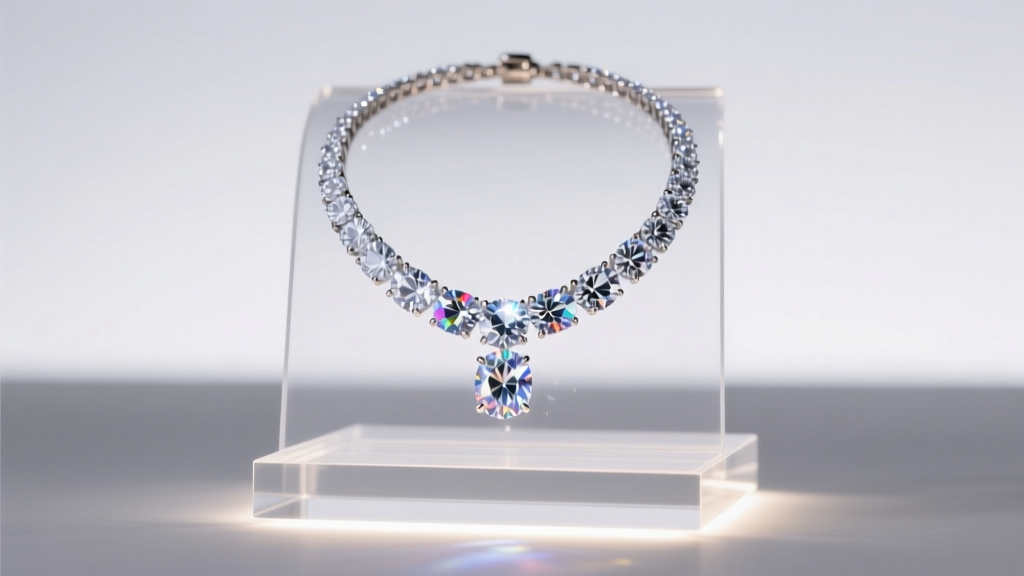
For a more contemporary or avant-garde aesthetic, fluted cell-cast acrylic paired with brushed brass bases is dominating the 2026 trend cycle. It is critical to specify cell-cast acrylic rather than extruded acrylic; extruded variants are prone to UV yellowing and micro-cracking when exposed to continuous retail spotlighting. Cell-cast acrylic maintains optical clarity and can be milled with sharp, geometric edges that contrast beautifully with the fluid drape of a chain necklace.
The Geometry of Display: Neck Radius and Chain Drape
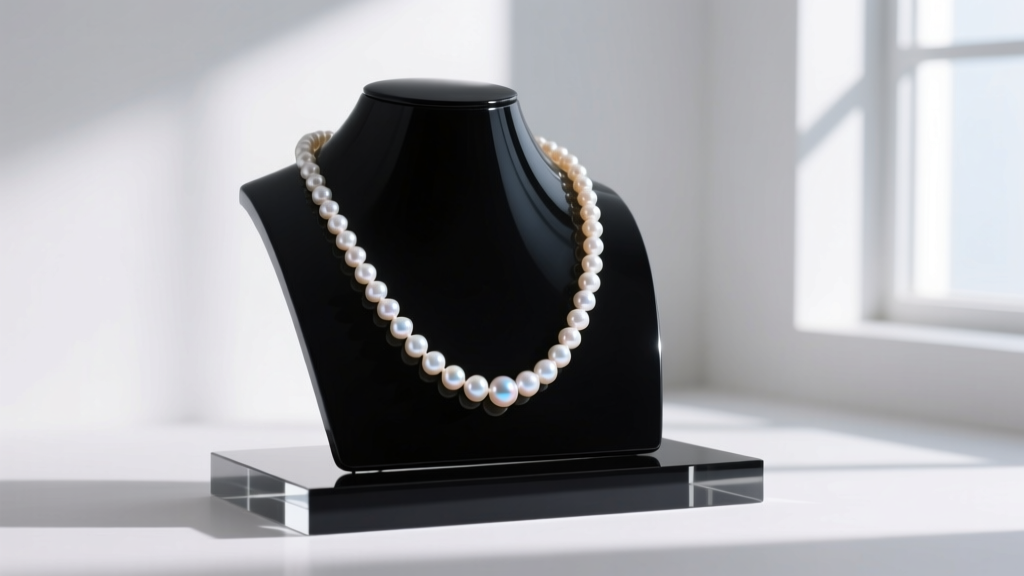
One of the most frequent failure modes in jewelry merchandising is the improper pairing of chain length to stand geometry. A standard retail bust often features a neck circumference of 14 to 15 inches with a severe 90-degree shoulder drop. While this may work for a standard t-shirt, it wreaks havoc on the physics of a jewelry chain.
When displaying a necklace on stand, the "catenary curve"—the natural drape of the chain under gravity—must be preserved. If the stand's shoulders are too wide or angular, a delicate 16-inch cable chain will stretch, distort, and potentially weaken at the clasp. Conversely, if the neck form is too narrow, an opera-length chain will bunch unnaturally, hiding the lower pendants.
| Necklace Style | Standard Length | Ideal Stand Neck Radius | Shoulder Drop Angle |
|---|---|---|---|
| Collar / Choker | 12" - 14" | 2.5" - 3.0" (Narrow) | Gradual (110°) |
| Princess | 16" - 18" | 3.5" - 4.0" (Standard) | Moderate (100°) |
| Matinee | 20" - 24" | 4.5" - 5.0" (Wide) | Steep (85°) |
| Opera / Rope | 26" - 36" | T-Style or Flat Panel | Vertical Drop |
Friction and Edge Radii
Beyond the neck circumference, the edge radius of the stand is critical for specific chain types. Snake chains and herringbone chains are notoriously susceptible to kinking. Draping these flat, woven chains over a sharp acrylic edge will cause permanent structural damage. Display stands intended for these weaves must feature a minimum 12mm rounded edge radius to distribute the tension and allow the chain to glide smoothly without catching or bending.
Lighting the Necklace on Stand: Color Temperature & CRI
The most exquisitely crafted necklace on stand will look lifeless if the lighting is improperly calibrated. According to research and guidelines published by the Gemological Institute of America (GIA), lighting is the single most critical variable in jewelry presentation. In 2026, the industry standard mandates a Color Rendering Index (CRI) of 95 or higher. A high CRI ensures that the true colors of gemstones—particularly the subtle secondary hues in sapphires and emeralds—are accurately represented to the buyer.
Color temperature, measured in Kelvin (K), must be matched to the metal being displayed:
- Yellow and Rose Gold (3000K - 3500K): Warmer light temperatures enhance the rich, buttery tones of gold alloys, making them appear more luminous and saturated.
- Platinum, White Gold, and Diamonds (4000K - 4500K): Cooler, neutral white light maximizes the scintillation and fire of diamonds, while preventing white metals from looking dull or yellowish.
- Mixed Metal Displays (3500K): For boutiques displaying a wide variety of metals on a single fixture, a 3500K neutral warm light provides the safest compromise without heavily skewing the color of either metal type.
Furthermore, directional framing projectors with a tight 15-degree beam spread should be aimed directly at the chest plate of the stand, delivering approximately 1200 to 1500 lux on the display surface. This creates a high-contrast focal point that naturally guides the customer's eye.
Retail vs. Residential: Pricing and Sourcing Framework
Sourcing the right display infrastructure requires understanding the tiered market. Whether outfitting a flagship boutique or a private dressing room, buyers should align their purchases with their specific durability and aesthetic requirements.
Tier 1: Mass Market & Pop-Up Retail ($8 - $20)
Typically constructed from MDF (medium-density fiberboard) wrapped in PU leather or velvet. While cost-effective for temporary pop-up shops or high-volume, low-margin fashion jewelry, these stands degrade quickly. The internal cardboard or foam cores compress over time, leading to sagging necklines that distort the drape of the chains.
Tier 2: Independent Boutiques & Curated Homes ($35 - $85)
This tier features solid resin, basic carved woods, or extruded acrylic. These stands offer excellent visual appeal and are lightweight enough for easy window display rotations. They are the workhorses of the independent jewelry market, balancing aesthetic upgrade with manageable overhead.
Tier 3: Luxury Visual Merchandising ($150 - $400+)
Reserved for high-jewelry maisons and elite residential collectors. These pieces are milled from solid blocks of travertine, Carrara marble, or architectural bronze. They often feature integrated, hidden LED bases with dimmable drivers and magnetic mounting points for modular reconfiguration. The weight and permanence of these stands communicate exclusivity and justify the premium price point of the jewelry they hold.
Conclusion
The art of displaying a necklace on stand has evolved from a simple organizational necessity into a sophisticated discipline of visual psychology and material engineering. By moving away from outdated velvet forms and embracing architectural materials, precise geometric draping, and scientifically calibrated lighting, retailers and collectors can drastically elevate the perceived value of their pieces. As 2026 trends continue to favor authenticity and structural minimalism, investing in high-quality, purpose-built display infrastructure is not just an aesthetic choice—it is a fundamental business strategy that honors the craftsmanship of the jewelry itself.


