Necklace Snake Gold Chain Buying Guide: What to Know
Discover what to look for when buying a gold snake chain necklace. Learn about solid vs. hollow construction, karat strength, and kink prevention.

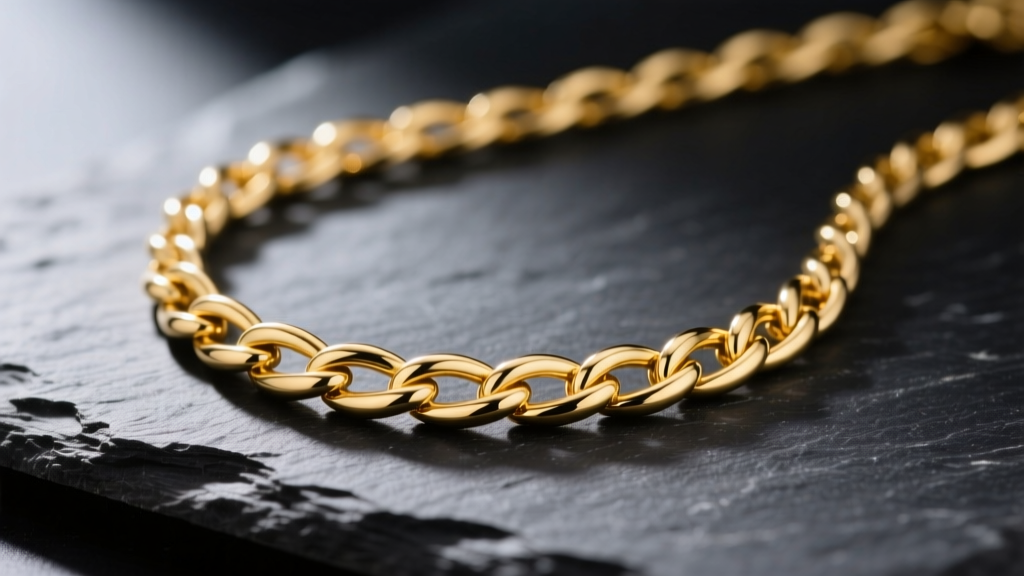
When selecting a necklace, snake gold chains provide a liquid-metal drape that is entirely unique in the world of fine jewelry. Characterized by their sleek, tubular appearance and seamless flexibility, snake chains are a staple for both standalone wear and pendant pairing. However, their intricate construction makes them fundamentally different from standard cable or curb chains. Buying the wrong type of snake chain can lead to irreversible damage, frustrating tangles, and wasted money.
This comprehensive buying guide breaks down the metallurgy, structural integrity, and hardware specifics you must evaluate before purchasing a gold snake chain in 2026. Whether you are looking for a delicate 1mm collar or a substantial 3mm statement piece, understanding the mechanics of this specific chain style is critical for long-term wearability.
The Anatomy and Manufacturing of a Snake Chain
Unlike chains made from interlocking oval or round wire loops (like cable or rolo chains), a snake chain is constructed from slightly curved, tightly wound metal bands. During the manufacturing process, flat or slightly domed metal rings are stamped, interlocked, and then compressed so tightly that the seams become virtually invisible to the naked eye. This creates a smooth, flexible tube that mimics the skin of a snake.
Because the links are compressed rather than simply looped, the chain possesses a high degree of lateral flexibility but limited tensile stretch. This manufacturing method is precisely why snake chains are so susceptible to kinking; if the tubular structure is bent beyond its natural radius, the tightly packed bands can crush into one another, permanently disrupting the chain's structural integrity.
Solid vs. Hollow Construction: The Durability Trap
The single most important factor when buying a gold snake chain is determining whether it is solid or hollow. This distinction will dictate the lifespan of your jewelry.
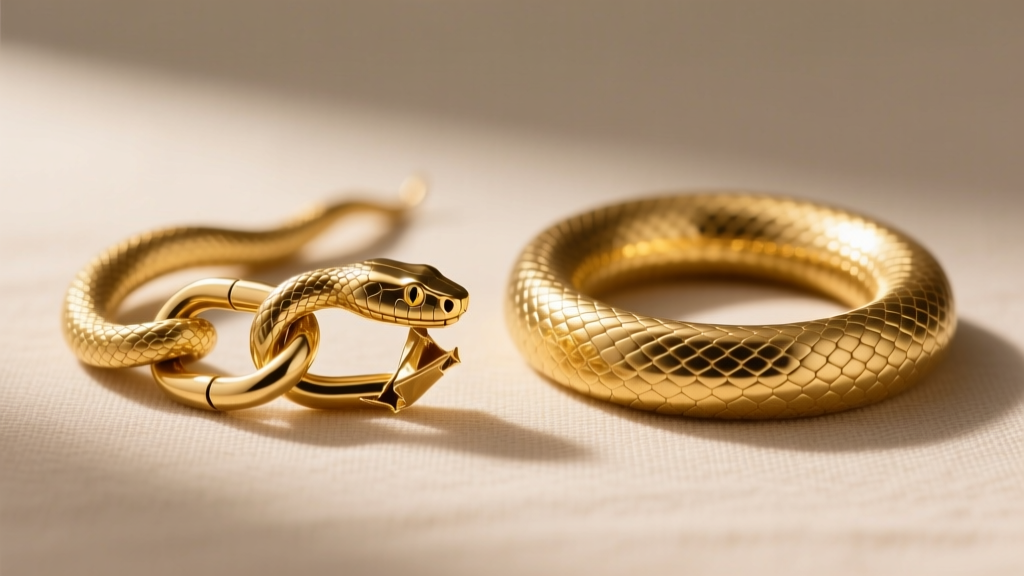
Hollow Snake Chains
Hollow snake chains are manufactured using an electroforming process or by wrapping thin gold sheets around a base metal core, which is later dissolved in acid. While they offer a thick, luxurious look at a fraction of the weight and cost, they are a notorious trap for buyers. Hollow snake chains kink incredibly easily. Worse, once a hollow snake chain kinks or crushes, it cannot be repaired. The structural collapse is permanent, and jewelers cannot solder the crushed micro-layers back together. Avoid hollow snake chains entirely if you intend to wear the piece regularly or pair it with pendants.
Solid Snake Chains
Solid snake chains are drawn from solid gold wire and stamped into links. They are heavier, more expensive, and significantly more durable. While a solid snake chain can still kink if subjected to severe trauma (like being slept in or yanked), it possesses the tensile strength to support light pendants and can often be repaired by a master jeweler using laser welding if a link fails. Always verify that the product description explicitly states "solid" before purchasing.
Gold Karat Selection for Tensile Strength
Pure gold (24k) is far too malleable for the compressed link structure of a snake chain. According to the Gemological Institute of America (GIA), alloying gold with metals like copper, silver, and zinc is necessary to provide the rigidity required for daily wear jewelry. When choosing your karat weight, consider the following:
- 10k Gold (41.7% pure): The most durable and rigid option. Excellent for very thin snake chains (under 1.2mm) where structural integrity is a primary concern. However, it lacks the rich yellow hue preferred by many fine jewelry buyers.
- 14k Gold (58.5% pure): The absolute sweet spot for snake chains. The alloy mix provides exceptional tensile strength to resist stretching and kinking, while maintaining a beautiful, warm gold color. This is the industry standard for high-quality snake chains.
- 18k Gold (75% pure): Luxurious and deeply colored, but noticeably softer. An 18k solid snake chain will drape beautifully but is more prone to stretching over time if subjected to the weight of heavy pendants. Best reserved for thicker chains (2.0mm and above) worn without pendants.
Sizing Matrix: Thickness and Pendant Pairing
Snake chains are typically measured in millimeters (mm). Because of their dense construction, even a thin snake chain holds significant visual weight. Use the table below to determine the right thickness for your intended use.
| Thickness (mm) | Best Use Case | Max Pendant Weight | Durability Rating |
|---|---|---|---|
| 0.8mm - 1.0mm | Delicate layering, minimalist collars | Under 3 grams | Fair (High kink risk) |
| 1.2mm - 1.5mm | Everyday wear, light solitaire pendants | 3 to 8 grams | Good |
| 2.0mm - 2.5mm | Standalone statement, medium pendants | 8 to 15 grams | Very Good |
| 3.0mm+ | Bold standalone wear, heavy statement pieces | 15+ grams | Excellent |
Pro Tip: Never thread a pendant with a heavy, oversized bail onto a thin snake chain. The friction of the bail sliding back and forth across the smooth tubular links will eventually wear down the gold, leading to a snap.
Clasp Hardware and Jump Ring Integrity
The clasp assembly on a snake chain requires special attention due to the chain's unique profile. Because snake chains are perfectly smooth and lack the protruding edges of cable chains, they can easily slip through slightly open gaps.
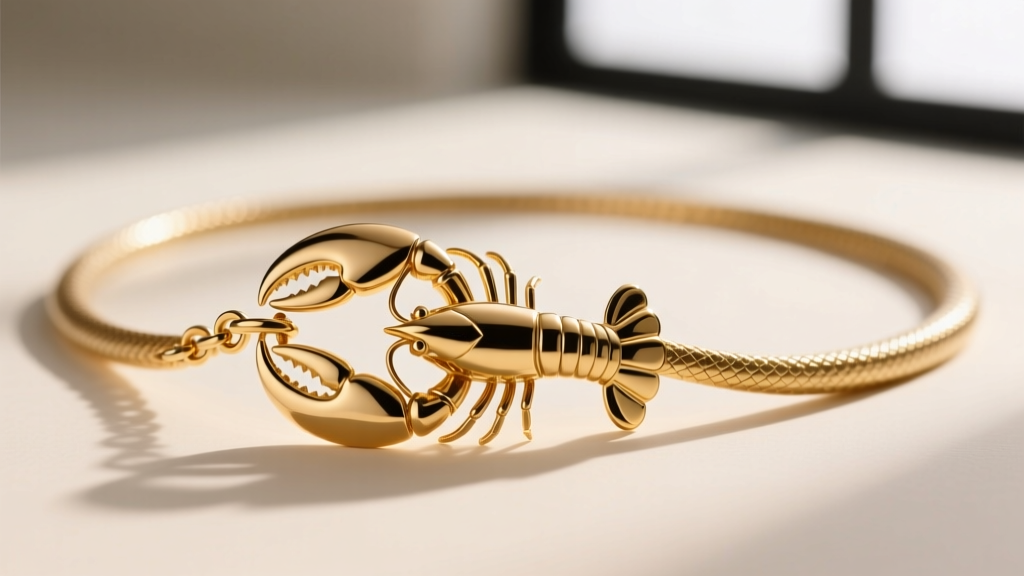
The Soldered Jump Ring Requirement
The jump ring connecting the chain to the clasp must be soldered shut. An unsoldered jump ring, even if pushed tightly together with pliers, will eventually pull apart under the fluid, shifting weight of a snake chain. When inspecting a necklace in person or reviewing high-resolution images online, look for the faint line of solder or a completely seamless ring. The Jewelers of America frequently notes that unsoldered jump rings are the leading cause of lost pendants and chains.
Clasp Types
- Lobster Clasp: The most secure and highly recommended option. It provides a strong mechanical grip and is easy to operate.
- Barrel (Screw) Clasp: Often used on thicker snake chains to maintain a seamless visual line. While aesthetically pleasing, barrel clasps can unscrew over time due to the natural rotation of the tubular chain against the skin. If you choose a barrel clasp, check it periodically to ensure it remains tightly threaded.
- Spring Ring: Avoid these on snake chains. They are difficult to operate with one hand and the internal spring mechanism frequently fails under the dense weight of solid gold.
The Kinking Hazard: Prevention and Maintenance
The Achilles heel of any snake chain is kinking. A kink occurs when the chain is folded sharply, crushing the interlocking bands. To protect your investment, adhere to these strict maintenance protocols:
- Never Sleep in It: The tossing and turning during sleep creates sharp folds that will instantly kink a snake chain.
- Proper Storage: Always hang your snake chain on a jewelry stand or lay it perfectly flat in a lined drawer. Never toss it into a jewelry box where it can become crushed under heavier items.
- Avoid Friction: Keep the chain away from coarse fabrics, velcro, and long hair, which can catch in the microscopic seams of the links and cause pulling.
What to Do If It Kinks
If your solid snake chain develops a minor kink, do not pull it. Lay the chain flat on a hard, smooth surface like a glass table. Apply a tiny amount of baby powder to reduce friction, and gently massage the kinked area with your thumb in a circular motion, encouraging the links to realign. For severe kinks or crushed links, take it to a professional jeweler equipped with a laser welder. Traditional torch soldering will melt the adjacent micro-links, ruining the chain, whereas laser soldering can pinpoint the exact broken seam without transferring heat to the surrounding gold.
2026 Market Pricing and Value Expectations
Because snake chains require precise manufacturing and a high density of gold, they are generally more expensive per inch than standard cable chains of the same width. In the current market, buyers should expect the following baseline pricing for solid 14k gold snake chains:
- 1.0mm (16-18 inches): $150 - $250
- 1.5mm (16-18 inches): $300 - $450
- 2.5mm (18-20 inches): $600 - $900
- 4.0mm+ (20+ inches): $1,500+
If you encounter a 3mm snake chain selling for under $200, it is almost certainly hollow, gold-plated, or heavily discounted due to structural defects. Always request the exact gram weight from the seller before purchasing; a solid 1.5mm 18-inch snake chain should weigh approximately 4.5 to 6 grams depending on the specific alloy density. Armed with this technical knowledge, you can confidently select a gold snake chain that offers both breathtaking elegance and lifelong durability.


