Searching for a Necklace in Spansih? Care for Latin Gold
Bought jewelry abroad after searching for a necklace in spansih? Discover expert cleaning tips for Taxco silver, 18k gold, and Colombian emeralds.

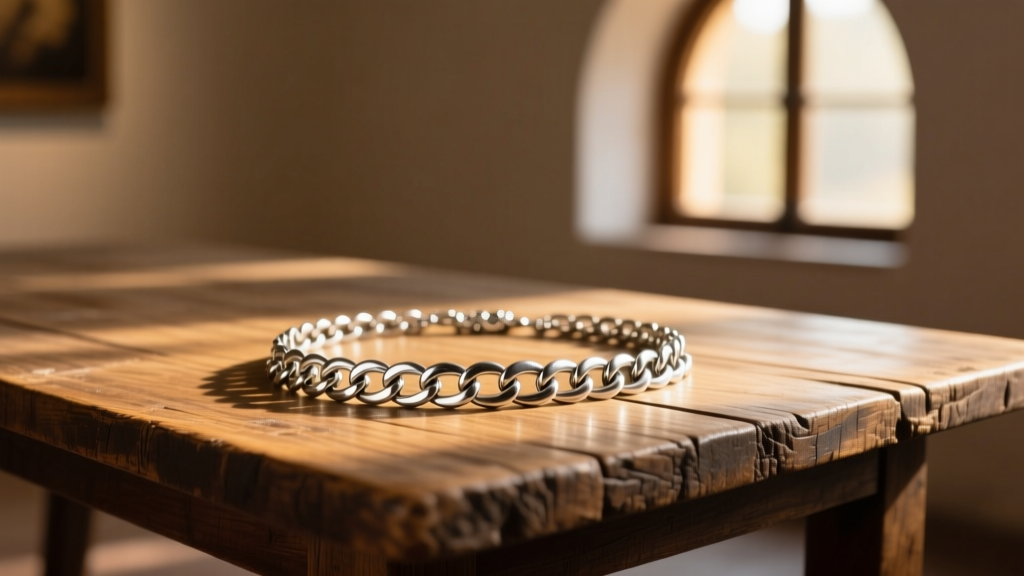
If you have ever found yourself frantically typing 'necklace in spansih' into your phone's search bar while navigating a vibrant market in Mexico City, haggling in a Bogota emerald exchange, or browsing a historic boutique in Madrid, you are not alone. Every year, thousands of travelers bring home exquisite, culturally rich jewelry from Spanish-speaking regions. However, the metallurgical standards and gemstone treatments in Latin America and Spain often differ significantly from standard US or UK commercial jewelry. Understanding these regional nuances is critical for long-term preservation.
In this 2026 guide, we move beyond generic jewelry advice to provide highly specific, metallurgically sound care instructions for the most common treasures brought back from the Spanish-speaking world, including high-purity Taxco silver, delicate Mompox filigree, and oil-treated Colombian emeralds.
Understanding Regional Purity: What You Actually Bought
Before applying any cleaning solution, you must identify the exact alloy of your collar (necklace) or cadena (chain). Regional preferences dictate metal purity, which directly impacts chemical reactivity and structural integrity.
| Region | Metal / Style | Purity / Grade | Care Nuance & Failure Mode |
|---|---|---|---|
| Taxco, Mexico | Silver | 950 (95% Ag, 5% Cu) | Softer than 925; prone to micro-scratches. Tarnishes slower but requires gentler polishing. |
| Spain | Gold | 18k (750) | High gold content makes it resistant to tarnish but highly susceptible to denting from impact. |
| Colombia | Filigree Gold | 18k or 22k | Extremely fine wire (28-30 gauge); mechanical snagging is the primary failure mode. |
| Colombia | Emeralds | Natural (Oiled) | Fracture-filled with cedar oil; heat and ultrasonics will destroy the stone's clarity. |
The Electrochemical Bath for High-Purity Taxco Silver
Taxco is globally renowned for its silversmithing. Unlike standard 925 sterling silver, authentic Taxco pieces are frequently crafted in 950 silver. The higher silver content gives the metal a brilliant, moon-white luster, but the 5% copper alloy still oxidizes when exposed to sulfur in the air, forming black silver sulfide.
Avoid commercial silver dips containing thiourea, as they are highly acidic and will strip the patina from vintage pieces, leaving the 950 silver looking flat and chalky. Instead, use an electrochemical redox reaction to safely transfer the sulfur from the silver to a sacrificial anode.
Step-by-Step 950 Silver Restoration
- Line a glass or ceramic bowl with aluminum foil, ensuring the shiny side faces up.
- Add 1 tablespoon of sodium bicarbonate (baking soda) and 1 tablespoon of non-iodized salt.
- Pour boiling water into the bowl and stir until the powders dissolve completely.
- Submerge your 950 silver cadena ensuring it physically touches the aluminum foil.
- Leave it for exactly 60 to 90 seconds. You will smell a faint rotten-egg odor (hydrogen sulfide gas releasing).
- Remove with wooden tongs, rinse under lukewarm distilled water, and pat dry with a microfiber cloth.
Warning: Never use this method on oxidized silver (where the black tarnish is intentionally left in the crevices for contrast) or on necklaces featuring porous gemstones like turquoise or opal, which are common in Mexican taxco jewelry.
Delicate Filigree and 18k Gold Maintenance
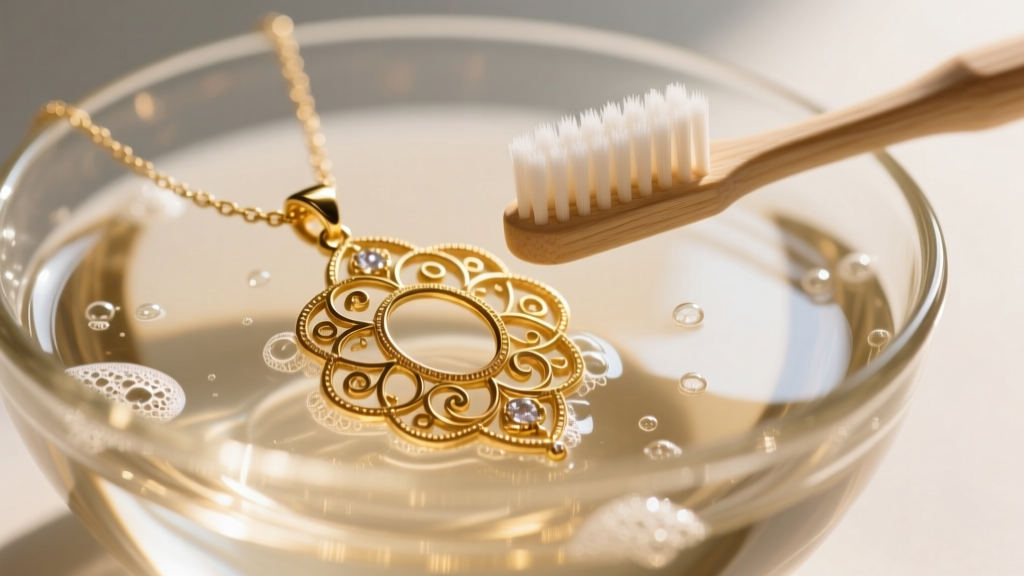
If your travels took you to Colombia, you may have purchased Mompox filigree. Recognized by UNESCO as an intangible cultural heritage, this technique involves weaving microscopic threads of gold. According to Encyclopedia Britannica, filigree relies on delicate soldering of wire that can be as thin as 28 to 30 gauge.
Cleaning Mompox Gold
The primary risk to filigree is not chemical tarnish, but mechanical deformation. Standard jewelry brushes or even soft-bristled toothbrushes can easily snag a microscopic wire loop, pulling the intricate geometry out of alignment.
- The Solution: Use a natural-hair sable makeup brush or a specialized jeweler's camel-hair brush.
- The Solvent: Mix three drops of phosphate-free, mild dish soap (like Dawn) into 8oz of lukewarm distilled water (approx. 85°F / 30°C).
- The Technique: Lay the necklace flat on a microfiber towel. Gently sweep the soapy brush across the filigree in one direction. Do not scrub in circles. Rinse with a gentle stream of distilled water and air dry.
Colombian Emeralds: The Danger of Ultrasonic Cleaners
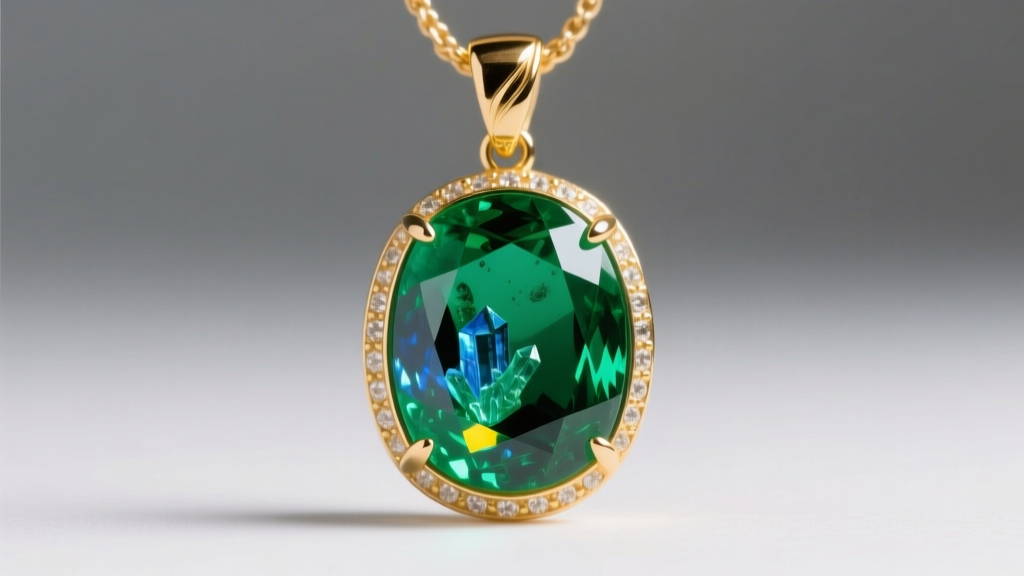
Colombia produces some of the world's most desirable emeralds, prized for their deep, saturated green hue. However, natural emeralds are heavily included (a network of internal fractures known as jardin). To improve clarity, nearly all Colombian emeralds are fracture-filled with natural cedar oil or synthetic resins like Opticon.
According to the Gemological Institute of America (GIA), exposing treated emeralds to ultrasonic cleaners or steamers is catastrophic. The high-frequency vibrations can shatter the stone along its natural fracture lines, while the heat will cause the cedar oil to 'sweat' out, leaving the emerald looking cloudy, white, and heavily fractured.
Safe Emerald Cleaning Protocol
To clean a collar de esmeraldas, bypass liquids entirely. Use a dry, lint-free microfiber cloth to gently wipe away skin oils and cosmetics. If the stone is heavily soiled, lightly dampen a cotton swab with distilled water and gently roll it over the surface of the gemstone, avoiding the prongs. Never soak an emerald necklace in water, as prolonged exposure can degrade the oil filling over time.
Long-Term Storage for Your Travel Treasures
How you store your jewelry when you return home dictates its lifespan. The humid environments of coastal Spanish-speaking regions can accelerate tarnishing once the piece is introduced to a climate-controlled, dry home environment.
- Anti-Tarnish Strips: Place 3M anti-tarnish strips in your storage box. These strips absorb airborne sulfur compounds before they can react with your Taxco silver.
- Silica Gel Packets: Include a rechargeable silica gel desiccant canister in your jewelry safe to maintain a relative humidity below 40%, preventing moisture-induced oxidation.
- Pacific Cloth Pouches: Store 18k gold and filigree pieces individually in treated Pacific cloth pouches to prevent micro-scratching and mechanical tangling.
Final Thoughts
Bringing home a necklace from your travels is a beautiful way to preserve a memory, even if your initial search for a 'necklace in spansih' was fraught with typos and translation apps. By respecting the unique metallurgical and gemological properties of Latin American and Spanish jewelry, you ensure that your joyas remain as vibrant and captivating as the day you bought them.


