What Does the Necklace Symbolize? Decoding Value, Cost, and Meaning
Discover what does the necklace symbolize across cultures while learning how to assess the true budget, material value, and cost of meaningful pendants.

The Intersection of Sentiment and Spend
When shoppers ask, 'What does the necklace symbolize?', they are usually seeking a connection to history, spirituality, or personal identity. From the protective gaze of the Evil Eye to the grounding roots of the Tree of Life, symbolic pendants carry heavy emotional weight. However, in the modern jewelry market, emotional weight is frequently leveraged to justify inflated price tags. As a buyer in 2026, understanding the true financial value of a symbolic necklace requires separating the narrative markup from the intrinsic material worth. This guide will help you decode the meaning behind popular motifs while rigorously assessing their actual budget requirements, material grades, and long-term value.
Decoding the Core Symbols: Meaning vs. Market Reality
Before assessing the budget, we must understand the motifs driving the demand. The cultural significance of a pendant often dictates its production volume, which in turn affects its price point.
The Evil Eye (Nazar) and Hamsa Hand
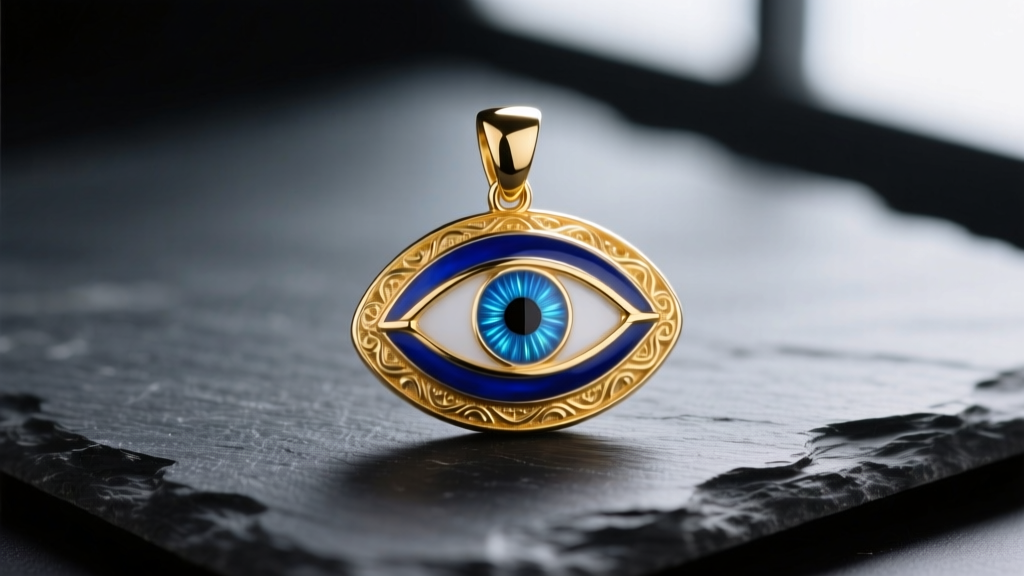
Historically meant to ward off malicious glares and negative energy, the Evil Eye and Hamsa are among the most mass-produced pendants globally. Because they are ubiquitous, you can find them in everything from $12 pot-metal alloys to $4,000 solid platinum and sapphire iterations. The symbol itself does not guarantee quality; it merely guarantees availability.
The Tree of Life and Celtic Knots
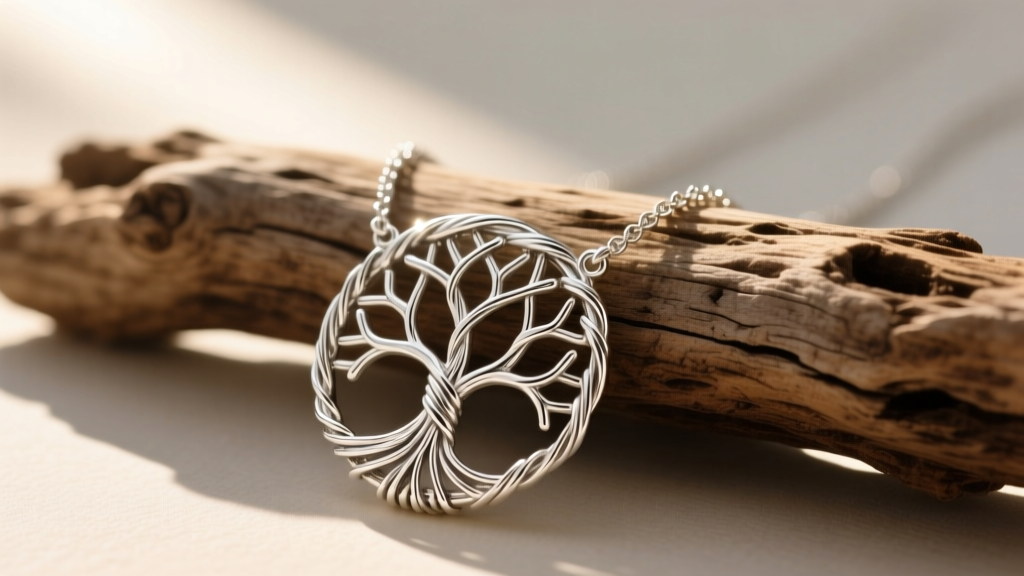
Representing interconnectedness and eternity, these motifs require intricate metalwork. When asking what does the necklace symbolize in this context, you are also looking at structural complexity. Intricate wire-wrapping or detailed casting in solid gold requires higher labor costs, meaning a fair retail price for a high-quality Tree of Life pendant will naturally sit higher than a simple stamped disc.
The 'Symbol Tax': How Meaning Inflates Jewelry Pricing
Many fast-fashion and mid-tier jewelry brands apply a 'narrative markup' to symbolic pieces. They bank on the consumer's emotional connection to the symbol, obscuring the fact that the underlying material is cheap brass with a microscopic layer of gold flash-plating. To avoid overpaying, you must understand the breakdown of intrinsic value versus retail pricing.
| Material Grade | Avg. Retail Price (15mm Pendant) | Intrinsic Melt/Scrap Value | Expected Lifespan & Failure Modes |
|---|---|---|---|
| Brass w/ Flash Plating (0.2µm) | $35 - $75 | < $2.00 | 3 - 6 Months. Fails via verdigris buildup and rapid plating flaking at the bail. |
| 925 Sterling Silver (Unplated) | $45 - $110 | $8.00 - $14.00 | Lifetime. Fails only via surface tarnish, easily resolved with polishing. |
| Gold Vermeil (925 base, 2.5µm+) | $90 - $160 | $12.00 - $18.00 | 1 - 3 Years. Fails via friction wear at the bail loop where the chain rubs. |
| Solid 14k Gold (Cast) | $190 - $350 | $95.00 - $140.00 | Generational. Retains structural integrity and holds baseline scrap value. |
According to the Federal Trade Commission's Jewelry Guides, brands must adhere to strict hallmarking and plating thickness standards. True gold vermeil requires a sterling silver base and a gold layer of at least 2.5 microns. If a brand charges $120 for an 'Evil Eye Vermeil' pendant but cannot verify the micron thickness, you are likely paying a premium for sub-standard flash plating.
Budgeting for Meaning: Material Grades and Price Ranges
When determining your budget for a symbolic necklace, prioritize the metal grade over the complexity of the symbol. Here is how to allocate your funds based on your wearing habits.
- The 'Occasional Wear' Budget ($40 - $80): If you only wear your Hamsa or Zodiac pendant for specific events or layering, stick to solid 925 sterling silver. Avoid silver-plated brass, as the copper alloys underneath will react with your skin's pH and turn your neck green. Look for the '925' stamp on the bail.
- The 'Daily Driver' Budget ($100 - $180): For everyday talismans that you never take off, gold vermeil is a stepping stone, but high-quality vermeil (14k or 18k, 2.5+ microns) is mandatory. Be aware that the bail (the loop connecting the pendant to the chain) is a high-friction zone. Even the best vermeil will eventually wear down to silver at this exact contact point after 18 to 24 months of continuous wear.
- The 'Heirloom' Budget ($200+): If the symbol holds profound spiritual or generational significance, invest in solid 14k or 18k gold. The Gemological Institute of America (GIA) notes that 14k gold (58.5% pure gold) offers the ideal balance of rich color and structural durability for intricate pendant casts, resisting the bending and warping that softer 18k or 24k gold might suffer in delicate wire-wrapped designs.
How to Assess True Value: A Buyer's Framework
To ensure you are paying for craftsmanship and precious metals rather than just a trendy symbol, apply this three-step assessment framework before checking out:
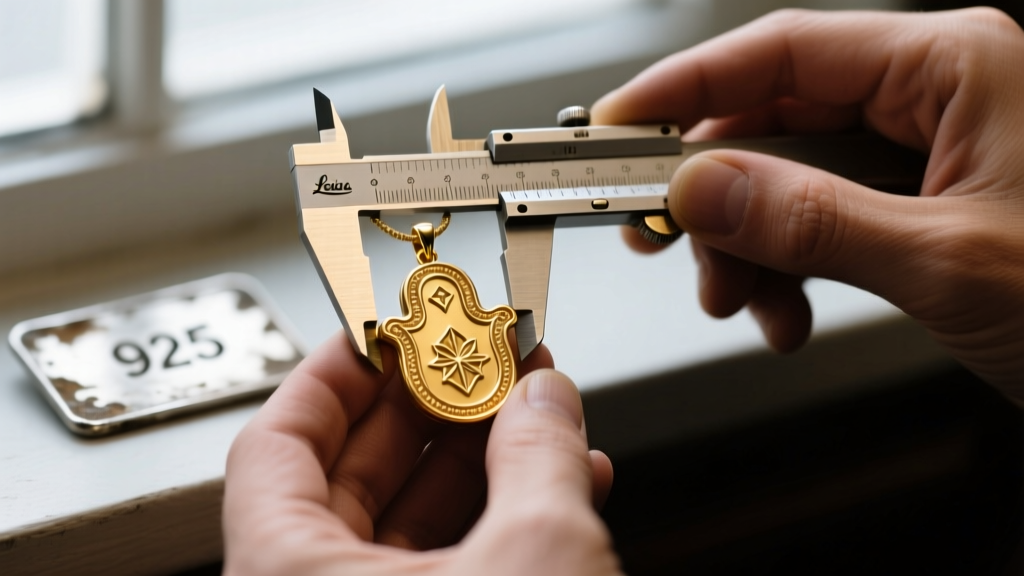
- Inspect the Bail Construction: The bail is the weakest link in any pendant. If the symbolic pendant features a glued-on bail (common in mass-produced glass or stone Evil Eyes), avoid it. Sweat and temperature changes will degrade the adhesive within months. Always look for a soldered or integrated cast bail.
- Demand the Hallmark: A meaningful symbol should be backed by verifiable metal. If the piece is marketed as solid gold or sterling silver, it must bear a quality mark (e.g., 14K, 585, 925) and ideally a manufacturer's trademark. Unmarked symbolic jewelry is almost universally base metal.
- Calculate the Gram Price: For solid gold pendants, weigh the piece (or ask the jeweler for the exact gram weight). Multiply the weight by the current daily scrap price of 14k gold, then add a reasonable 40% to 60% markup for labor, design, and retail overhead. If the retail price is 300% higher than the melt value, you are paying a massive 'symbol tax' for the brand name.
Conclusion: Investing in Sentiment Without Overspending
Ultimately, answering the question of what does the necklace symbolize is a deeply personal journey. Whether it represents protection, faith, or a connection to your heritage, the meaning is yours to define. However, the financial value is dictated by physics, metallurgy, and market economics. By understanding material grades, recognizing the hidden costs of narrative markups, and inspecting structural failure points like the bail, you can invest in a meaningful pendant that honors both your spiritual beliefs and your financial budget.


