The Necklace Tattoo Choker: A Beginner's Guide to Y2K's Woven Trend
Discover how to style the modern necklace tattoo choker. Learn about materials, layering techniques, and how to elevate this 90s Y2K trend today.

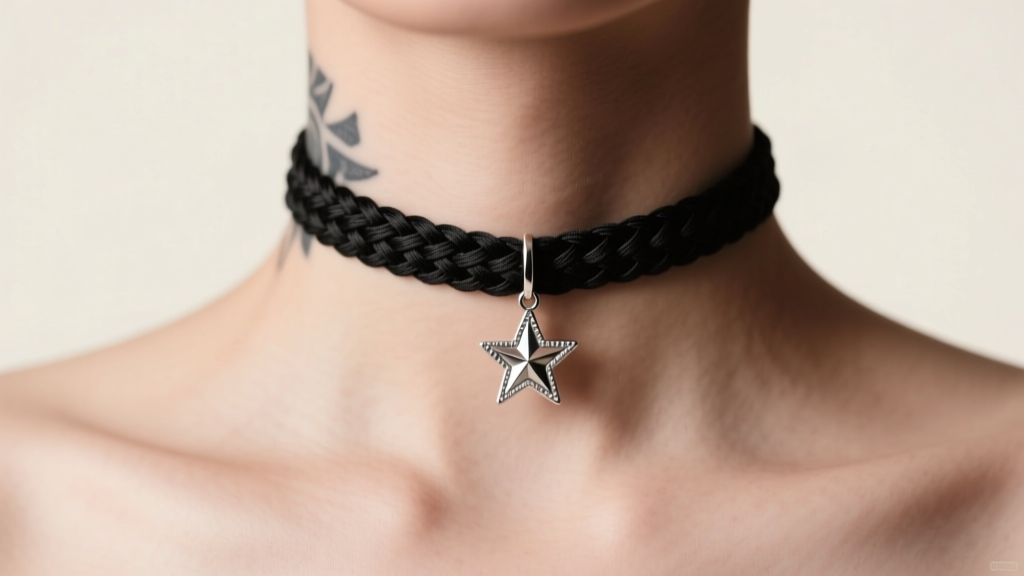
The resurgence of Y2K fashion has brought countless nostalgic staples back into the mainstream, but few accessories have undergone as dramatic an evolution as the woven choker. Originally popularized in the 1990s as a cheap, stretchy plastic accessory, the modern necklace tattoo choker has been reimagined by contemporary jewelers and stylists. Today, it bridges the gap between casual streetwear and elevated fine jewelry, offering a textured, skin-hugging silhouette that mimics the intricate linework of a real tattoo.
For beginners, navigating the transition from novelty plastic to high-quality woven metals and silks can be daunting. This comprehensive guide breaks down the anatomy, materials, sizing mechanics, and layering frameworks you need to master the necklace tattoo choker in the modern era.
What Defines the Modern Necklace Tattoo Choker?
At its core, a tattoo choker relies on a specific warp-and-weft weaving technique. The traditional 1990s version utilized 0.4mm monofilament nylon (essentially fishing line) woven into a flexible, stretchy mesh that clung tightly to the neck. The visual effect resembled the dark, interlaced patterns of tribal or blackout tattoos, hence the name.
However, the contemporary necklace tattoo choker has evolved far beyond basic nylon. Modern iterations focus on structural integrity, skin safety, and material luxury. Instead of relying on the natural elasticity of cheap plastic, today's designs use micro-woven metallic wires, elasticized silk cords, and PVD-coated titanium threads. These materials provide the same iconic "tattoo" illusion but with the durability and hypoallergenic properties required for daily wear against the sensitive skin of the jugular area.
Material Matrix: Choosing Your Weave
The biggest mistake beginners make is purchasing a choker based solely on aesthetics without considering the material's interaction with their skin. The neck is highly susceptible to friction and contact dermatitis. According to the American Academy of Dermatology, prolonged contact with cheap synthetic plastics and nickel-laced base metals can trigger severe allergic reactions and hyperpigmentation.
Here is a breakdown of the primary materials used in modern woven chokers:
| Material | Diameter / Gauge | Price Range | Durability | Best For |
|---|---|---|---|---|
| Monofilament Nylon | 0.3mm - 0.5mm | $5 - $15 | Low (snags easily) | Occasional wear, costume styling |
| Elasticized Silk Blend | 1.0mm cord | $45 - $90 | Medium (frays over time) | Sensitive skin, elevated casual wear |
| PVD-Coated Titanium Wire | 26-gauge wire | $80 - $150 | High (tarnish-free) | Daily wear, metal allergy sufferers |
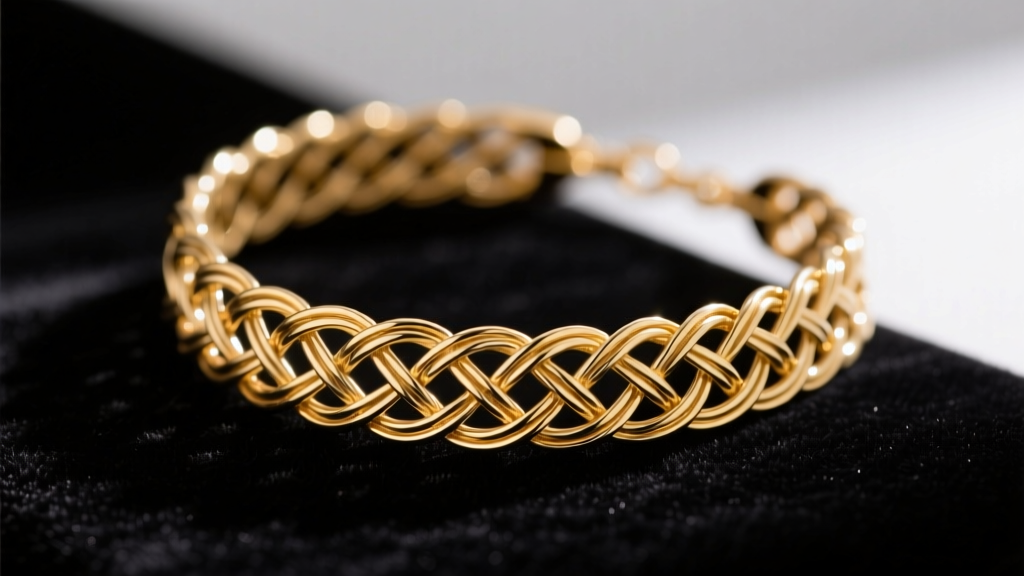
| Solid 14k Gold Wire | 24-gauge wire | $350 - $800+ | Exceptional (heirloom) | Fine jewelry collectors, luxury stacking |
For beginners looking to test the trend without committing to fine jewelry, a high-grade elasticized silk blend offers the best compromise between comfort, skin safety, and the classic woven aesthetic. If you are investing in a metallic weave, always verify that the wire is at least 24-gauge; anything thicker will feel rigid and fail to drape properly around the collarbone.
Sizing Mechanics: The 14-Inch Fallacy
The standard jewelry industry default for a choker is 14 inches. However, applying this universal measurement to a necklace tattoo choker is a recipe for discomfort. Because woven chokers lack the fluid drape of a standard cable chain, a 14-inch woven band will sit differently depending on the thickness of your neck and the specific weave's tension.
The Two-Finger Rule and Sliding Knots
To achieve the signature "tattoo" look, the choker must rest flush against the skin without compressing the tissue. You should be able to comfortably slide two fingers between the choker and your neck. If the weave leaves a lattice-pattern indentation on your skin after removal, it is too tight and risks restricting lymphatic flow.
- Avoid Lobster Clasps on Woven Nylon: Traditional lobster clasps require exact sizing. If your neck fluctuates even half an inch due to hydration or temperature, the choker will either sag or choke.
- Opt for Sliding Macramé Knots: The best modern necklace tattoo chokers feature an adjustable sliding knot closure at the back. This allows for micro-adjustments between 13 and 16 inches, accommodating natural daily swelling and ensuring the weave sits perfectly in the suprasternal notch (the hollow at the base of your throat).
The Beginner’s Layering Framework
Wearing a tattoo choker in isolation is a bold, minimalist statement, but its true potential is unlocked through layering. The dense, opaque texture of the woven choker acts as an anchor, grounding lighter, more delicate chains. However, layering requires strict adherence to length spacing to prevent the dreaded "jewelry tangle."
"The secret to stacking a woven choker is contrast. You are pairing a high-texture, opaque material with high-shine, transparent negative space. Never stack two woven pieces together; it creates visual mud." — Contemporary Jewelry Styling Principles
The 3-Piece Stack Formula
To achieve a balanced, professional layering look, follow the 1-2-3 length rule, ensuring a minimum of two inches between each layer:
- Layer 1 (The Anchor): Your necklace tattoo choker, sized exactly to 14 or 14.5 inches. This sits high on the neck.
- Layer 2 (The Bridge): A 16-inch or 16.5-inch delicate cable chain (0.8mm to 1.2mm thickness) featuring a small, solitary gemstone or pearl drop. This draws the eye down from the dense weave.
- Layer 3 (The Statement): An 18-inch or 20-inch heavier chain, such as a 3mm Cuban link or a paperclip chain, resting on the upper chest. This provides structural weight to the bottom of the stack.

Maintenance and Skin Health
Because a necklace tattoo choker sits in direct, continuous contact with the skin, it is highly exposed to sweat, sebum, and cosmetic products. Proper maintenance is critical not just for the longevity of the piece, but for your dermatological health.
Cleaning Nylon and Silk Weaves: Never use alcohol-based cleaners or harsh jewelry dips on synthetic or silk weaves; these will degrade the elastic core and cause the fibers to become brittle and snap. Instead, create a mild solution of warm water and baby shampoo. Use a soft-bristled toothbrush to gently agitate the weave, lifting trapped dead skin cells and oils from the micro-crevices of the warp and weft. Lay flat on a microfiber towel to air dry completely before wearing.
Cleaning Metallic Wire Weaves: For 24-gauge gold or titanium wire chokers, avoid ultrasonic cleaners. The high-frequency vibrations can warp the delicate wire tension and permanently distort the basket-weave pattern. Stick to a gentle polish with a treated jewelry cloth, carefully wiping along the grain of the weave.
Final Thoughts
The modern necklace tattoo choker is a testament to how nostalgic trends can be refined through better materials and thoughtful engineering. By moving away from cheap, restrictive plastics and embracing adjustable closures, hypoallergenic wires, and strategic layering, you can integrate this iconic Y2K staple into a sophisticated, everyday jewelry rotation. Start with a high-quality silk or PVD-titanium weave, master the two-finger sizing rule, and let the intricate texture of the choker do the heavy lifting in your styling.


