Necklace Tie Value Guide: Assessing Budget vs Luxury
Is a designer necklace tie worth the premium? We break down material grades, hardware quality, and price brackets to assess true value.

Decoding the Necklace Tie: What Are You Actually Paying For?
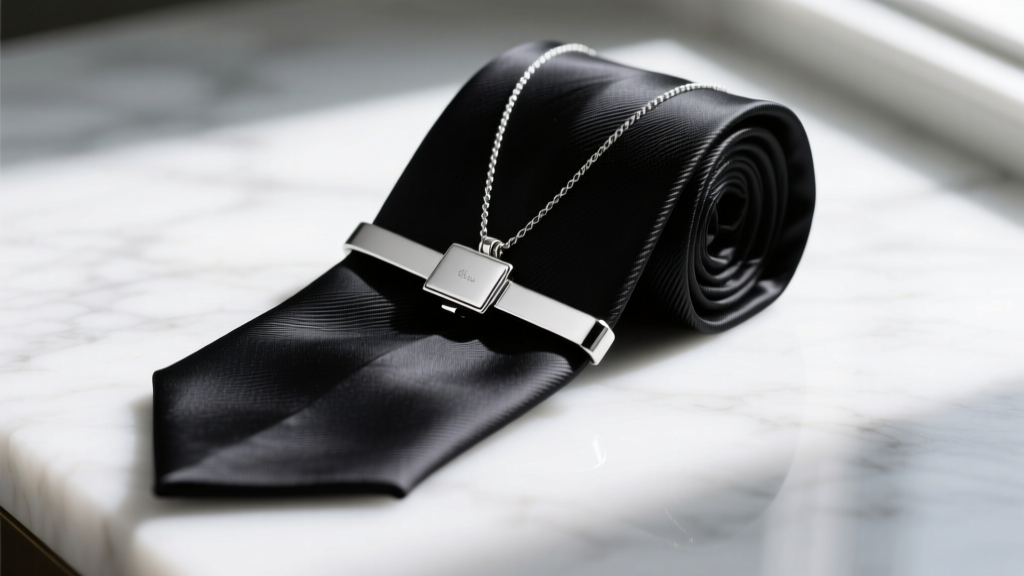
The necklace tie—often referred to as a lariat, bolo, or Y-necklace—relies on a deceptively simple architectural premise: a flexible cord or chain that adjusts via a sliding mechanism or ties manually. Because the design lacks the complex link structures of a traditional chain necklace, consumers often assume it should be inherently cheaper. However, as of 2026, the pricing spectrum for a necklace tie ranges from $12 at fast-fashion retailers to over $1,200 at luxury heritage houses.
When conducting a budget and value assessment, you must look past the minimalist aesthetic and evaluate the structural integrity of the piece. A necklace tie's value is not determined by the volume of metal used, but by the textile grade of the cord, the internal engineering of the slider, and the chemical adhesives securing the end caps. In this guide, we dismantle the necklace tie to reveal exactly where your money goes and how to identify genuine value across different price brackets.
Material Breakdown: Cord, Chain, and Hardware Grades
The core of any tie necklace is the flexible element. While budget brands rely on synthetic blends, high-value pieces utilize natural fibers or precious metals. Understanding textile grades is critical for assessing longevity.
Silk and Leather: The Textile Tiers
For silk tie necklaces, the industry standard for luxury is 6A grade Mulberry silk. You should look for a momme weight (the unit of measurement for silk density) between 12 and 16. A 14-momme silk cord offers the perfect drape without sacrificing tensile strength. Budget alternatives use polyester-silk blends that snag easily and degrade under UV exposure.
Leather tie necklaces present a different value proposition. Top-grain calfskin or kangaroo leather offers immense durability, developing a patina over time. Conversely, bonded leather (shredded leather scraps glued together and painted) will crack at the friction points where the slider moves, usually within six months of regular wear.
The Value Matrix: Price vs. Material
| Tier | Cord Material | Hardware & Adhesives | Price Range | Expected Lifespan |
|---|---|---|---|---|
| Budget | Polyester blend, bonded leather | Zinc alloy, cyanoacrylate (super glue) | $10 - $35 | 3 - 6 months |
| Mid-Tier | 14-momme Mulberry silk, top-grain leather | 925 Sterling silver, jeweler's epoxy | $45 - $150 | 3 - 5 years |
| Luxury | Custom-woven silk, alligator, 18k chain | 18k Solid gold, silicone-lined sliders | $300 - $1,200+ | Lifetime (with care) |
The Hardware Factor: End Caps, Sliders, and Tassels
The most common point of catastrophic failure in a necklace tie is the hardware. Because the cord is under constant tension and friction, the findings must be engineered to distribute stress.
The Slider Mechanism
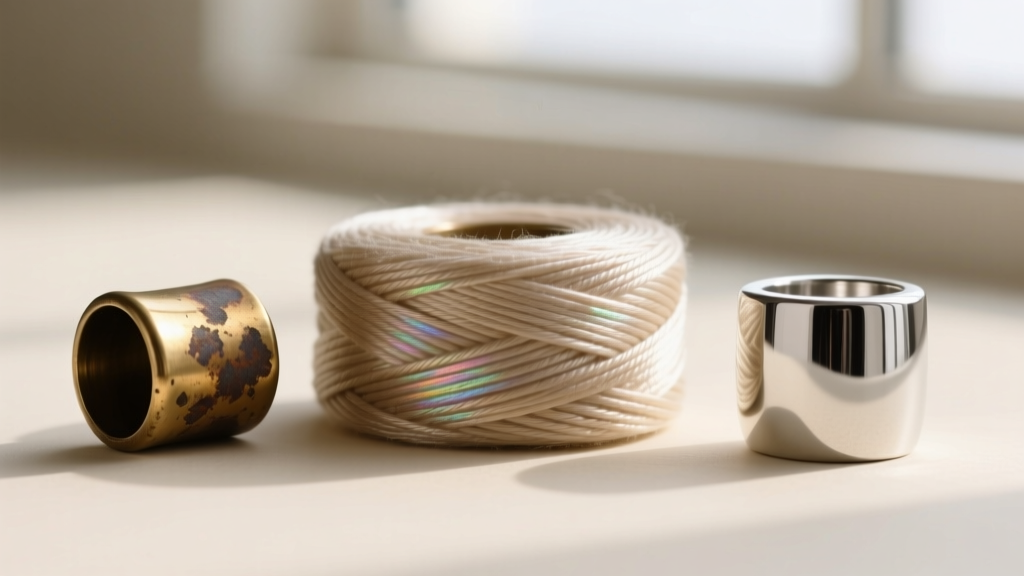
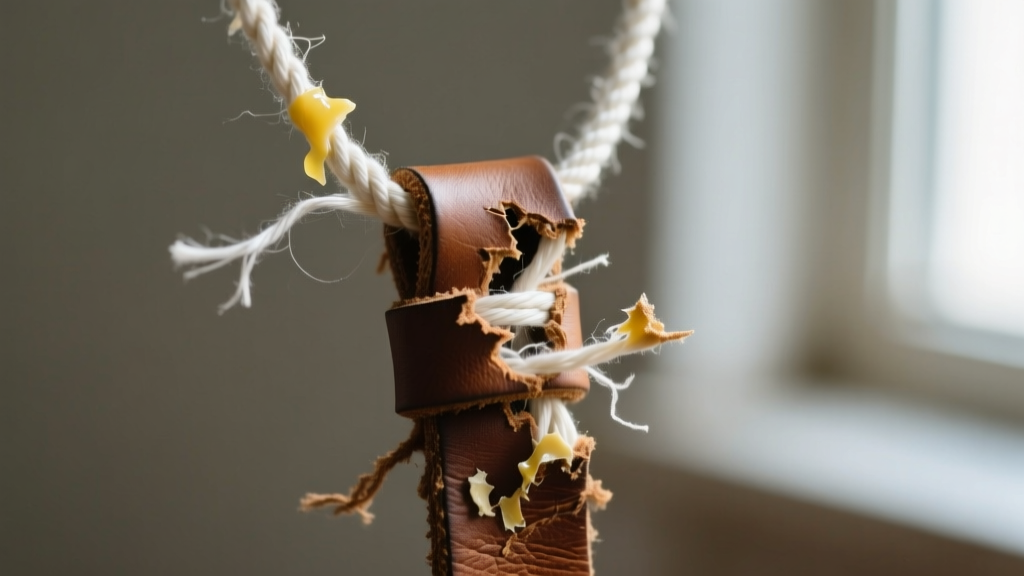
In adjustable bolo-style ties, the slider is the most vital component. Budget sliders are simply cast metal tubes with bare interiors. As you adjust the necklace, the raw metal acts like a microscopic saw against the silk or leather cord, eventually fraying and snapping it. High-value mid-tier and luxury sliders feature a silicone inner lining or a smooth, bezel-set internal bail that grips the cord via friction rather than abrasion. According to Rio Grande necklace findings specifications, silicone-lined bails increase cord lifespan by up to 400% compared to bare metal tubes.
End Cap Adhesives
How the metal end cap is attached to the cord dictates the necklace's structural integrity. Fast fashion brands use cyanoacrylate (super glue), which cures hard and brittle. When the necklace is bent or dropped, the glue shatters, and the end cap pops off. Artisan and luxury jewelers use two-part jeweler's epoxy resin, which cures with a slight flexibility, absorbing shock and movement without losing its bond.
Budget vs. Mid-Tier vs. Luxury: Where is the Sweet Spot?
When evaluating the return on investment, the mid-tier artisan bracket ($45 to $150) consistently offers the highest value-to-cost ratio. At this level, you are paying for solid 925 sterling silver hardware and genuine textiles, avoiding the massive brand markups of luxury houses while entirely sidestepping the planned obsolescence of fast fashion.
However, if you are shopping in the luxury tier, you must verify the metal plating standards. Many designer brands charge upwards of $400 for a necklace tie featuring "gold vermeil" sliders. The Federal Trade Commission Jewelry Guides strictly mandate that for a piece to be legally marketed as gold vermeil in the United States, it must have a base of sterling silver and be plated with 10k gold (or higher) to a minimum thickness of 2.5 microns. Many mid-tier brands cheat this by using brass bases with a 0.5-micron flash plating, which will wear through to the base metal within a year of friction from the slider.
"A true luxury necklace tie is defined not by the weight of its gold, but by the invisible engineering of its friction points. A silicone-lined slider on a 14-momme silk cord is the hallmark of a jeweler who intends for their piece to outlive the current season." — Master Jeweler & Appraiser Benchmark
Red Flags: How to Spot a Poor-Quality Tie Necklace
When shopping online or in-store, use this troubleshooting checklist to identify poorly constructed tie necklaces that will drain your budget through constant replacements:
- The Crimp Cover Illusion: Inspect the end caps. If you see a tiny seam running vertically down a rounded metal bead, it is a cheap base-metal crimp tube hidden beneath a thin silver-plated "crimp cover." These covers easily catch on clothing and peel off. True value lies in seamless, soldered end caps or glue-in tube caps.
- Unfinished Slider Edges: Run a piece of cotton thread through the slider. If the cotton snags or frays on the interior edges, the metal was cast and tumbled poorly. That same snag will destroy a silk cord in weeks.
- The "Tie-Your-Own" Raw Ends: Some brands sell silk cords with raw, unsealed ends, expecting the wearer to tie a knot. Unless the silk is heat-sealed or finished with a microscopic whip-stitch, the ends will unravel into a fuzzy mess after three wears.
- Magnetic Clasps on Lariats: If a Y-necklace uses a weak magnetic clasp at the nape of the neck to secure the tie portion, avoid it. The weight of the hanging lariat end will easily overcome cheap neodymium magnets, leading to lost pendants.
Final Verdict: Maximizing Your Investment
The necklace tie remains one of the most versatile silhouettes in modern jewelry, capable of transitioning from a casual daytime layer to an elegant evening statement. However, its minimalist design leaves no room to hide poor craftsmanship.
To maximize your budget, bypass the sub-$30 fast-fashion options entirely; the cost of replacing snapped cords and lost pendants negates any initial savings. Target the $60 to $120 range from specialized artisan jewelers who transparently list their material grades—specifically looking for 6A silk, top-grain leather, 925 sterling silver, and epoxy-set hardware. By focusing your assessment on the internal engineering of the slider and the chemical reality of the adhesives, you can secure a necklace tie that offers both enduring style and genuine structural value.


