Surviving the Necklace Valley Trail: Jewelry Troubleshooting
Learn how to troubleshoot necklace failures on rugged hikes. Our guide uses the Necklace Valley Trail to test chains, clasps, and pendant materials.

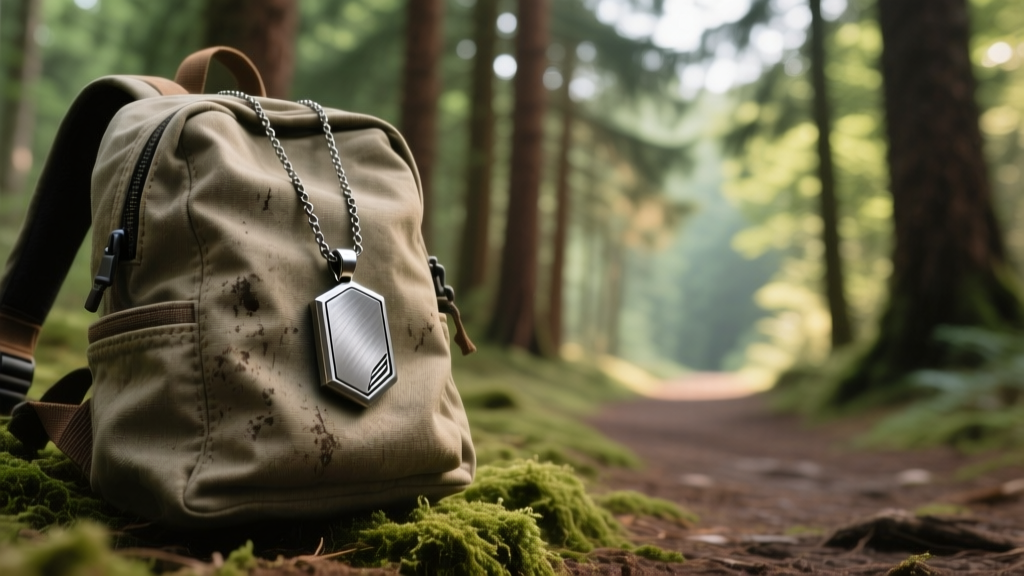
When most people think of jewelry care, they imagine avoiding harsh chemicals at the kitchen sink or carefully storing pendants in velvet boxes. But what happens when your jewelry faces the ultimate stress test: the great outdoors? For an extreme case study in necklace durability, look no further than the Necklace Valley Trail in Washington’s Alpine Lakes Wilderness. This rugged 8.4-mile hike features dense brush, river crossings, and granite scrambles that will quickly expose the structural weaknesses of poorly chosen necklaces.
As outdoor recreation continues to surge in 2026, adventure-ready jewelry has become a vital niche. Hikers, climbers, and trail runners frequently encounter necklace failures ranging from snapped chains to severe metal tarnishing. This troubleshooting guide uses the harsh environment of the Necklace Valley Trail to diagnose common pendant and chain failures, offering metallurgical insights and structural solutions to keep your jewelry intact in the wild.
The Environmental Hazards of Alpine Hiking
Before we can troubleshoot a broken chain or a ruined pendant, we must understand the specific environmental stressors present on rugged trails. The Necklace Valley Trail is notorious for its overgrown Ceanothus brush and the icy, mineral-rich waters of the East Fork Foss River. These elements create a triad of destruction for delicate jewelry:
- Friction and Snagging: Scrambling over fallen logs and pushing through dense branches applies sudden, high-tension lateral force to chains. A delicate 0.9mm cable chain will snap instantly under a 4-pound lateral snag.
- Chemical Tarnishing: Human sweat has an average pH of 4.5 to 7.0 and contains urea, ammonia, and sulfur compounds. When mixed with trail dust and pine sap, this creates a highly corrosive paste that accelerates the oxidation of copper-alloy metals like sterling silver and brass.
- Thermal and Moisture Shock: Transitioning from freezing river crossings to high-exertion, sun-baked granite ridges causes rapid expansion and contraction. This thermal cycling can weaken poorly soldered jump rings and fracture porous gemstones like turquoise or opal.
Diagnosing Chain and Clasp Failures
The majority of necklace losses on the trail do not occur because the chain snaps in the middle of a link; they occur at the connection points. Understanding the mechanical failure modes of your hardware is the first step in troubleshooting your outdoor jewelry setup.
The Spring Ring Catastrophe
Spring ring clasps are the default on most commercial necklaces, but they are fundamentally unsuited for hiking. The small trigger mechanism is easily depressed by the friction of a backpack strap or a brushing branch. Once the trigger is depressed, the clasp slides off the jump ring. The Fix: Retrofit your trail necklace with a locking lobster clasp or a screw-thread barrel clasp. Locking lobster clasps feature a secondary gate that must be manually threaded over the jump ring, making accidental unclasping virtually impossible.

Chain Style Vulnerabilities
Not all chain weaves are created equal when subjected to outdoor abrasion. Snake chains, while sleek, are composed of tightly coiled rings that trap dirt, sweat, and pine needles. Once debris enters the microscopic gaps of a snake chain, it becomes stiff, kinks easily, and eventually fractures. Box chains and welded cable chains are vastly superior for the trail. A 1.5mm to 2.0mm box chain distributes tension evenly across its flat, interlocking links, resisting kinking even when crushed under the weight of a heavy hiking pack.
Material Stress-Test: What Survives the Wilderness?
Choosing the right metal is critical. According to guidelines from Jewelers of America, understanding the Mohs hardness and corrosion resistance of your jewelry metals will dictate whether your pendant survives a multi-day trek or ends up ruined in a tent.
| Material | Corrosion Resistance | Tensile Strength | Trail Verdict |
|---|---|---|---|
| Grade 5 Titanium (Ti-6Al-4V) | Exceptional | Very High (130 ksi) | The ultimate trail metal. Hypoallergenic, immune to sweat tarnish, and lightweight. |
| Tungsten Carbide | Excellent | Extreme (but brittle) | Great for pendants, but avoid for chains as it cannot be cut in a medical emergency. |
| 14k Solid Gold | Very Good | Moderate | Highly durable and resists tarnish, but soft enough to scratch on granite scrambles. |
| Sterling Silver (925) | Poor | Low | Will oxidize rapidly when exposed to sulfur in sweat. Requires constant polishing. |
| Gold Vermeil / Plated | Very Poor | Low (Base metal dependent) | The friction of backpack straps will strip the gold layer within a single long hike. |
Troubleshooting Field Repairs and Bail Damage
Even with the best preparation, accidents happen. If your pendant takes a direct hit against a boulder, the most common point of failure is the bail (the loop connecting the pendant to the chain).
Bent or Pinched Bails: If a sterling silver or gold bail gets crushed, do not attempt to pry it open with a pocket knife or a rock. This will work-harden the metal and cause it to snap. Instead, use a smooth-jawed multi-tool or two pairs of flat-nose pliers to gently massage the metal back into a circular shape, applying pressure evenly across the curve rather than bending it at a single crease point.
Open Jump Ring Separation: If the jump ring holding your pendant pulls apart, never pull the ends outward to close it. This distorts the circle and weakens the wire. The correct troubleshooting technique is to twist the ends laterally in opposite directions (one toward you, one away) until they click back into perfect alignment. For a permanent trail fix, carry a tiny drop of cyanoacrylate (super glue) in your repair kit to seal the seam of the jump ring after closing it.
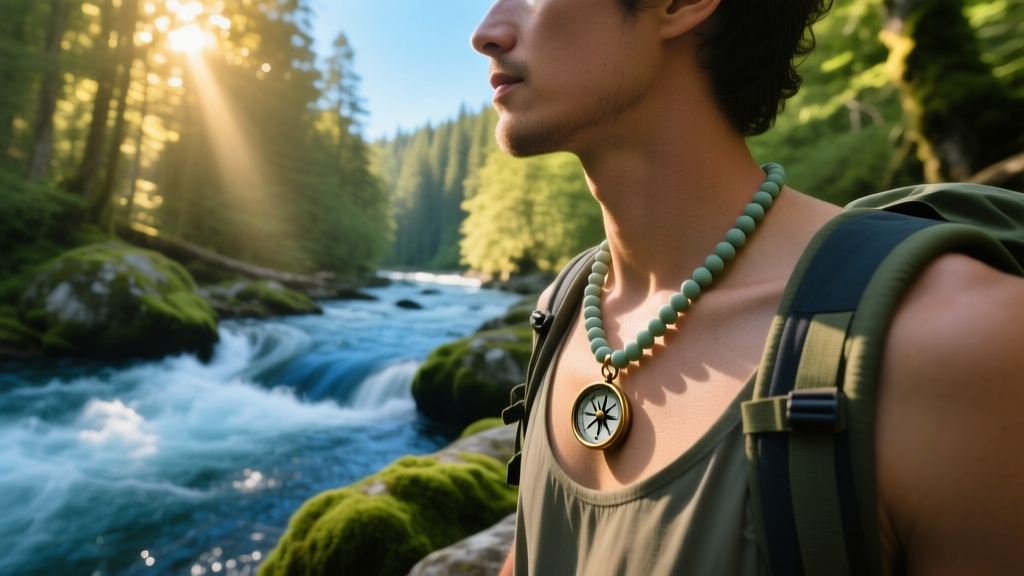
The Ideal 'Trail-Ready' Necklace Configuration
If you are planning to tackle the Necklace Valley Trail or any similarly rugged alpine route, abandon your delicate, everyday jewelry. The ideal trail-ready necklace configuration prioritizes safety, low profile, and structural integrity.
- Length: Opt for a 16-inch or 18-inch choker or princess length. Longer necklaces (20+ inches) swing wildly during scrambles and are highly prone to catching on exposed roots and branches.
- Pendant Profile: Choose flat, bezel-set pendants. Prong-set gemstones will catch on synthetic jacket fabrics and rip out. Bezel settings encase the stone in a smooth metal rim, deflecting impacts.
- Alternative Materials: For high-risk water crossings, consider high-tensile silicone cord or Kevlar-weave necklaces. These materials offer zero corrosion risk, dry instantly, and provide a comfortable, flexible base for lightweight titanium or enamel pendants.
Final Thoughts on Outdoor Jewelry
The wilderness is entirely unforgiving to poor craftsmanship and delicate alloys. By treating your jewelry selection with the same analytical rigor as your hiking boots or navigation tools, you can ensure your favorite pendants survive the journey. The Necklace Valley Trail is a beautiful but brutal environment; let it be the benchmark that proves whether your necklace is truly built for the wild, or if it belongs safely in your jewelry box back at basecamp.


