Betsey Johnson Skull Necklace: 2026 Value & Budget Guide
Is a Betsey Johnson skull necklace worth the price? We break down retail vs. resale value, material quality, and authentication tips for 2026.

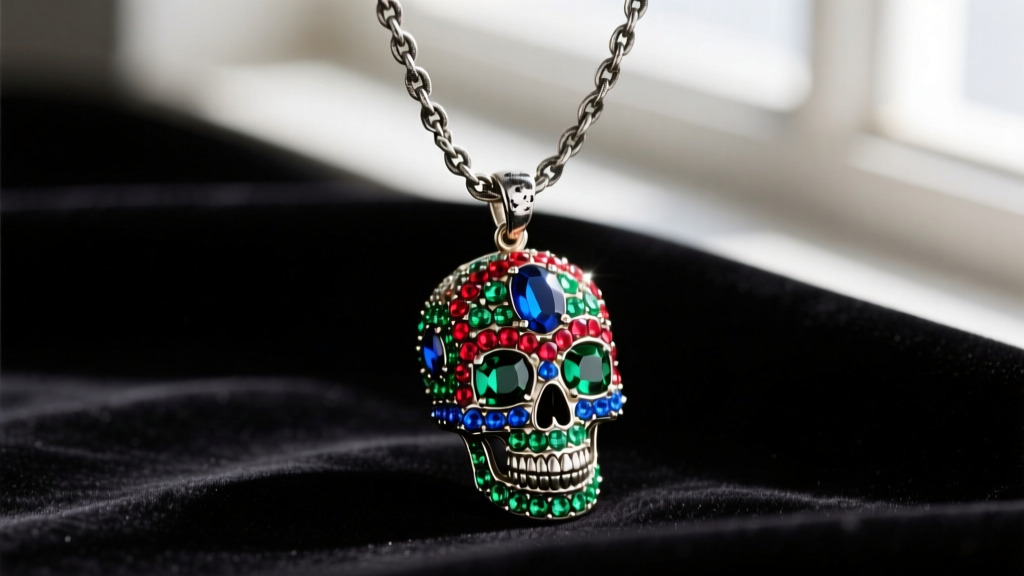
The punk-glam aesthetic has never truly left the cultural zeitgeist, and at the center of this rebellious jewelry movement sits the iconic Betsey Johnson skull necklace. Known for its unapologetic mix of macabre motifs, sparkling rhinestones, and vibrant cold enamel, these pieces have been a staple in alternative and high-fashion wardrobes since the late 2000s. But as we navigate the 2026 jewelry market—where Y2K nostalgia commands a heavy premium and fast-fashion dupes flood the internet—how do you assess the true value of these statement pieces?
Whether you are eyeing a brand-new heart-skull locket from the official boutique or hunting for a rare 2010 crossbone pavé piece on the secondary market, understanding the metallurgy, construction, and market dynamics is crucial. This comprehensive budget and value assessment will help you determine if a Betsey Johnson skull necklace is a worthy investment for your collection.
The Anatomy of a Betsey Johnson Skull Necklace
To accurately assess value, you must first understand what you are actually buying. Betsey Johnson jewelry is classified as high-end fashion or "bridge" jewelry, meaning it bridges the gap between cheap costume jewelry and fine precious metals.
- Base Metals: Most pendants are cast from zinc alloys, pewter, or brass, which are then plated in silver-tone, gold-tone, or oxidized finishes. They are notably heavy, often weighing between 50 and 85 grams.
- Enamel Work: The brand utilizes cold enamel (an epoxy-based resin) rather than vitreous (kiln-fired) enamel. This allows for vibrant, opaque colors like hot pink, cherry red, and jet black, but it is inherently softer and more prone to chipping upon impact.
- Rhinestones: Authentic pieces heavily feature glass rhinestones with foil backing to maximize light refraction. Cheaper counterfeits often use acrylic or plastic stones that cloud over time.
According to the archives at Betsey Johnson, the skull motif peaked in prominence during her 2008–2012 collections, often featuring anatomical hearts, crossbones, and spiked dog collars integrated into the pendant designs.
Retail vs. Resale: Where Does the True Value Lie?
The pricing landscape for these necklaces varies wildly depending on the era, condition, and specific motif. In 2026, the secondary market for vintage Y2K and early-2010s alternative fashion has surged, making certain retired skull pieces highly sought after by collectors.
| Category / Era | Typical Price Range (2026) | Value Proposition |
|---|---|---|
| Current Retail (e.g., Heart Skull Locket) | $78 – $120 | Good for gifting; pristine condition but lacks vintage rarity. |
| Vintage 2008-2012 (Large Pavé Skulls) | $85 – $180+ | High collector value; heavy, well-constructed, rare motifs. |
| Vintage 2013-2018 (Smaller, Enamel Skulls) | $45 – $75 | Great budget entry point; solid daily wear pieces. |
| Damaged / Missing Stones (As-Is) | $15 – $35 | Only worth buying if you have jewelry repair skills. |
For budget-conscious buyers, platforms like Ruby Lane and specialized vintage curators often offer better value than general auction sites, as the pieces are typically verified for authenticity and accurately graded for condition.
Common Failure Modes and Longevity Assessment
When evaluating a vintage Betsey Johnson skull necklace, you must factor in the potential cost of restoration. Fashion jewelry, regardless of the designer label, is subject to specific environmental and chemical failure modes.
1. Cyanoacrylate Glue Degradation
The rhinestones in these skulls are set using industrial cyanoacrylate adhesives. Over a decade of exposure to humidity, perfume, and body heat, this glue becomes brittle and yellows. If you are buying a vintage piece, gently tap the skull over a dark cloth. If you hear a faint rattling or see dust-like residue, the glue is failing, and you will need to budget an extra $20–$40 for professional stone resetting.
2. Base Metal Oxidation and "Green Neck"
Because the chains and pendant bases are plated alloys, the underlying copper or nickel will eventually react with the acids in your sweat. This galvanic corrosion causes the infamous "green neck" effect and leads to pitting on the metal surface. Once the plating on the skull's jawline or cheekbones wears off, it cannot be easily re-plated without stripping the cold enamel and rhinestones first.
3. Cold Enamel Chipping
Unlike fine jewelry that uses fused glass enamel, Betsey Johnson's cold enamel is essentially a hardened resin. Dropping the heavy zinc-alloy skull on a tile floor will almost certainly result in a chipped tooth or cracked cranium. Resin chips are incredibly difficult to color-match and repair seamlessly.
How to Authenticate Vintage Betsey Johnson Pieces
The popularity of the brand has inevitably spawned a market of counterfeits. When assessing the budget of a supposed "vintage" piece, use this framework to verify its authenticity before handing over your money.
"Authenticity in bridge jewelry isn't just about a logo; it's about the weight of the casting and the precision of the stone settings. Fakes feel hollow and use glue that bleeds over the edges of the rhinestones." — Independent Vintage Jewelry Appraiser
Red Flags for Counterfeits:
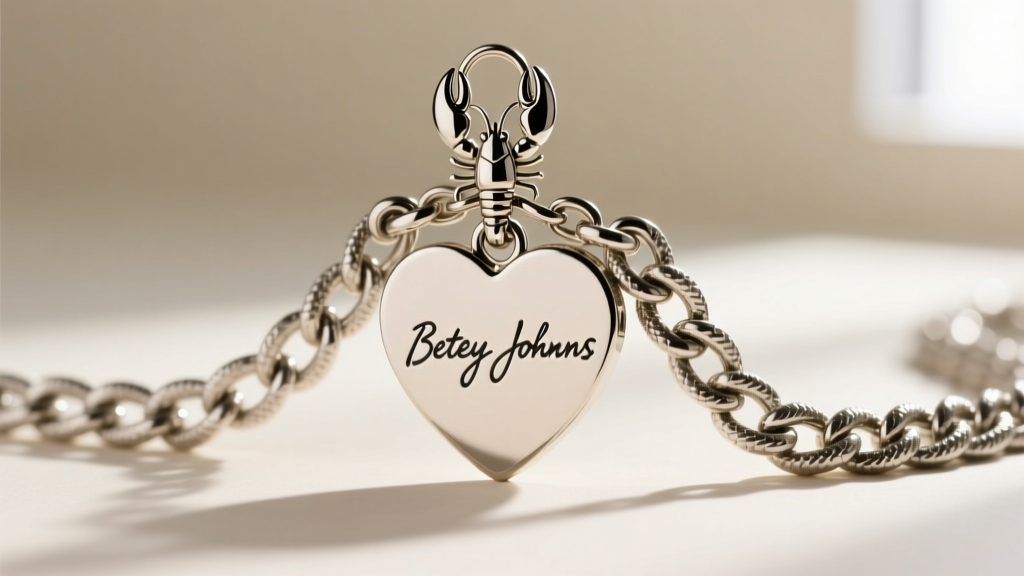
- The Heart Tag: Authentic necklaces feature a signature heart-shaped hang tag near the clasp with "Betsey" engraved in cursive. Fakes often use a standard oval tag or print the logo rather than engraving it.
- Weight Discrepancies: Genuine skulls are dense and heavy. If the pendant feels lightweight or sounds like plastic when tapped against glass, it is a cheap resin knockoff.
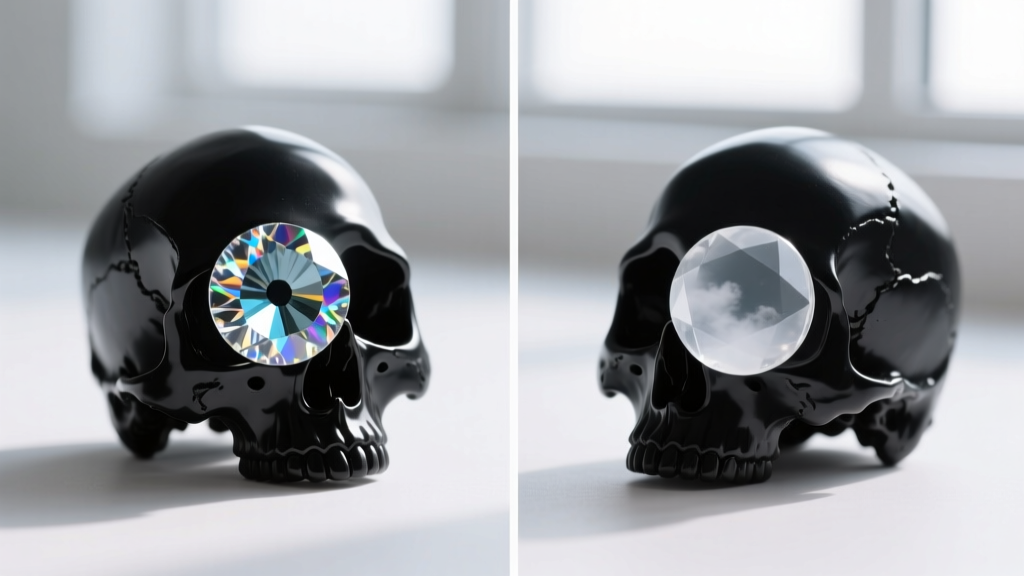
- Stone Quality: Look closely at the eyes of the skull. Authentic glass rhinestones have sharp, faceted edges that catch the light. Acrylic fakes look slightly milky, have molded (rounded) edges, and lack foil backing.
Maintenance Protocol for Maximum Value Retention
If you want your Betsey Johnson skull necklace to retain its resale value and structural integrity, you must adopt a strict maintenance protocol. Never use ultrasonic cleaners or commercial silver dips, as the harsh chemicals will instantly dissolve the cyanoacrylate glue and strip the oxidized antiquing from the metal crevices.
Instead, use a dry, ultra-soft microfiber cloth to wipe away skin oils after every wear. For deeper cleaning, use a barely damp Q-tip with mild dish soap, carefully avoiding the rhinestone settings. Store the necklace flat in a velvet pouch with a silica gel packet to control ambient moisture and prevent the zinc alloy from oxidizing prematurely.
The Final Verdict: Is It Worth Your Budget?
So, is a Betsey Johnson skull necklace a sound financial and stylistic investment in 2026? From a strict intrinsic-value perspective, you are paying for brand heritage, unique sculptural design, and heavy-duty fashion materials rather than precious metals or gemstones.
However, from a style and cultural value perspective, these pieces are unparalleled. They serve as wearable art that anchors a grunge, goth, or eclectic wardrobe. If you are buying retail, expect to pay a premium for the pristine, unworn experience. If you are hunting on the vintage market, a budget of $60 to $120 will secure you a spectacular, heavy, authentic piece of 2010s alternative fashion history—provided you carefully inspect the enamel and stone settings before purchasing.


