Budget Guide: Finding the Best Tattoo Choker Necklace Value
Discover the true value of a tattoo choker necklace. We compare $5 plastic classics to $150 fine metal alternatives for the ultimate budget guide.

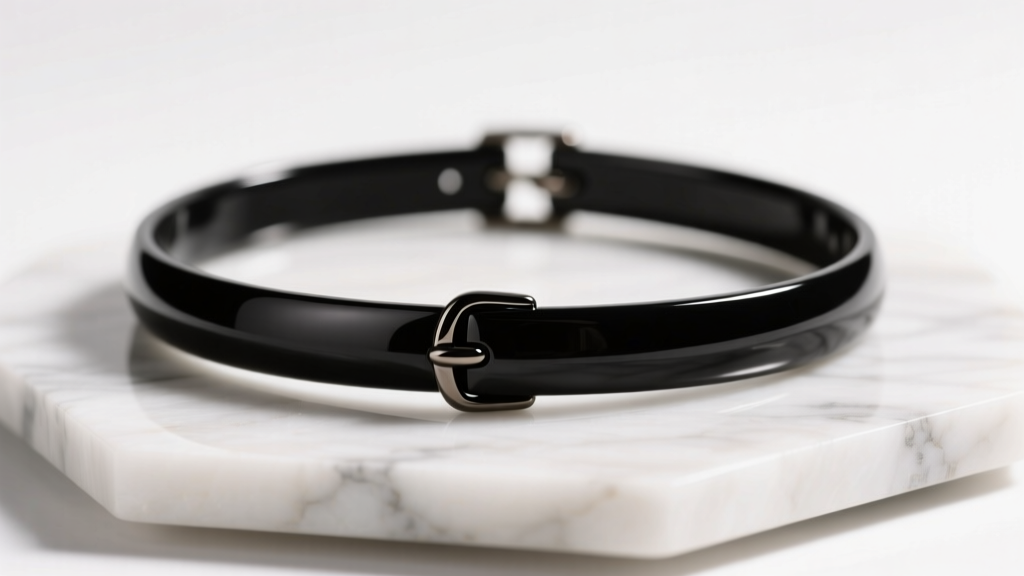
The resurgence of Y2K and 90s fashion has cemented the tattoo choker necklace as a permanent fixture in modern jewelry boxes. Originally popularized as a $5 mall-kiosk accessory made of stretchy black plastic, the style has since evolved into a diverse category spanning disposable fast fashion and high-end fine jewelry. But from a strict budget and value assessment perspective, which iteration actually offers the best return on investment?
As a jewelry appraiser and style analyst, I frequently see consumers fall into the 'false economy' trap—buying multiple cheap plastic chokers that degrade within months, rather than investing in a single, durable metal alternative. This guide breaks down the material science, hidden dermatological costs, and cost-per-wear metrics of the tattoo choker necklace to help you make a financially sound decision in 2026.
The Material Science: Extruded Nylon vs. Woven Wire
To understand the value proposition, we must first examine how these chokers are manufactured. The classic plastic tattoo choker necklace is typically constructed from extruded nylon monofilament or thermoplastic polyurethane (TPU). These materials are melted, pushed through a mesh die to create the signature tubular 'woven' look, and then heat-set into a memory shape. While cheap to produce (often costing manufacturers less than $0.15 per unit), extruded nylon is highly susceptible to UV degradation and hydrolysis. Prolonged exposure to sunlight and the acidic pH of human sweat causes the black dye to oxidize, turning the choker a dusty, brittle grey within three to six months of daily wear.
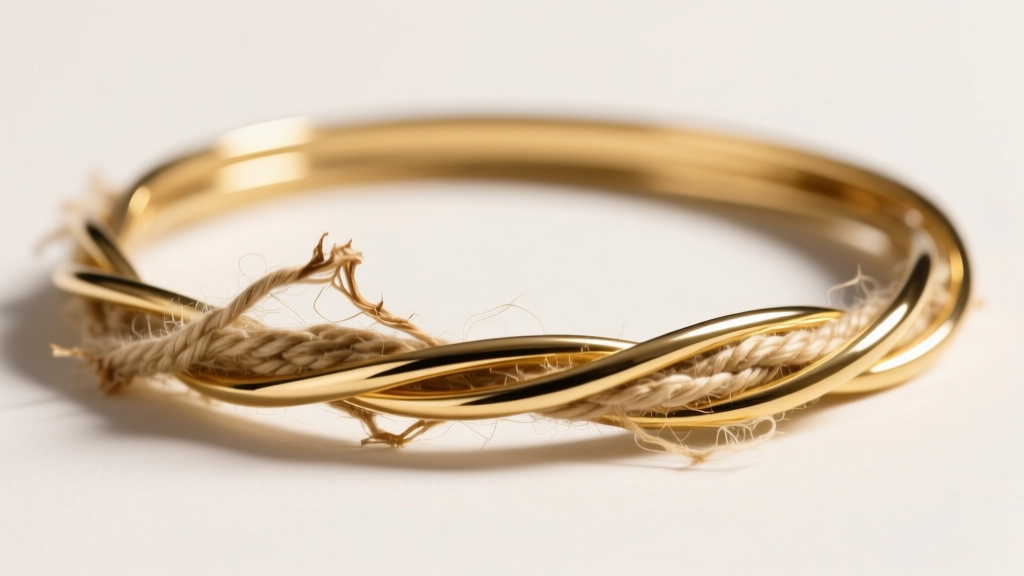
Conversely, premium alternatives utilize a CNC-woven wire technique. A 28-gauge 14k gold-filled or ASTM F136 implant-grade titanium wire is tightly woven around a 1.5mm elastic core or a flexible memory-wire armature. This mimics the exact visual texture and 'tattoo' fit of the plastic original but introduces the tensile strength and corrosion resistance of fine metals. The upfront cost is significantly higher, but the structural integrity is exponentially superior.
Cost-Per-Wear Analysis: The True Price of Fast Fashion
When assessing jewelry budgets, the initial price tag is a poor indicator of value. We must calculate the cost-per-year based on average failure modes and lifespans. Below is a comparative breakdown of the three primary market tiers for the tattoo choker necklace.
| Material Tier | Average Upfront Cost | Expected Lifespan | Cost-Per-Year | Primary Failure Mode |
|---|---|---|---|---|
| Extruded Plastic (Nylon/TPU) | $4.00 - $8.00 | 2 - 4 Months | $18.00 - $24.00 | Elastic core snapping; dye oxidation |
| Semi-Fine (14k Gold-Filled Wire) | $35.00 - $65.00 | 3 - 5 Years | $9.00 - $15.00 | Clasp ring separation; minor core stretching |
| Fine Jewelry (Solid 14k/18k Gold) | $180.00 - $350.00 | Lifetime (Heirloom) | < $5.00 | Loss or theft (material does not degrade) |
As the data illustrates, the semi-fine gold-filled tier offers the most aggressive value proposition. It bridges the gap between accessibility and longevity, effectively cutting your annualized jewelry spend in half compared to continuously replacing fast-fashion plastic.
The Hidden Dermatological Costs of Cheap Alloys
The budget assessment of a cheap tattoo choker necklace extends beyond the replacement cost of the item itself; it includes potential dermatological interventions. The most critical vulnerability of a $5 plastic choker is not the plastic—it is the clasp. To maintain razor-thin margins, mass-market manufacturers utilize hollow-cast zinc alloy or nickel-plated brass for the lobster clasps and jump rings.
According to the Mayo Clinic, nickel allergy is one of the most common causes of allergic contact dermatitis. When the cheap plating on a mass-produced choker clasp wears off through friction against the nape of the neck, the underlying nickel is exposed to sweat. This results in localized contact dermatitis—characterized by severe itching, blistering, and hyperpigmentation. Treating a severe allergic reaction with topical corticosteroids can easily cost $20 to $50 in over-the-counter or prescription remedies, instantly negating any initial 'savings' from buying the cheap plastic version.
The FTC Standard: Gold-Plated vs. Gold-Filled
If you opt for a metal wire alternative, you must understand the legal definitions of gold jewelry to ensure you are getting true value. The Federal Trade Commission (FTC) strictly regulates these terms. 'Gold-plated' jewelry features a microscopic layer of gold (often less than 0.5 microns) applied via electroplating. On a woven wire choker, the high-friction weaving process and subsequent daily wear against the skin will strip gold plating in a matter of weeks, exposing the brass core and leading to the same dermatological issues mentioned above.
'Gold-filled' jewelry, however, is created by mechanically bonding a thick layer of solid gold (at least 1/20th of the total weight of the item) to a brass core using extreme heat and pressure. A 14k gold-filled tattoo choker necklace will not flake, peel, or expose base metals, making it entirely hypoallergenic and safe for sensitive skin. Always look for the '14/20 GF' stamp on the clasp to verify authenticity.

The 2026 Buyer’s Matrix: Choosing Your Tier
To maximize your budget, align your purchase with your specific wearing habits using this decision framework:
- Tier 1: The Nostalgia Buy (Plastic/Nylon - Under $10)
Best for: Music festivals, single-use editorial photoshoots, or literal costume parties. Do not buy this tier if you intend to wear the choker more than twice a week or if you plan to swim or sweat while wearing it. The cost-per-wear is abysmal for daily use. - Tier 2: The Smart Everyday (14k Gold-Filled Wire - $35 to $65)
Best for: Daily office wear, gym sessions, and layering with fine pendant chains. This is the sweet spot for value. Ensure the clasp is made of solid stainless steel or gold-filled brass to prevent dermatitis. Brands like Gorjana or Mejuri often offer excellent entry points into this tier. - Tier 3: The Heirloom Investment (Solid 14k/18k Gold - $180+)
Best for: High-end minimalists who never want to take their jewelry off. Solid gold woven wire will survive saltwater, chlorinated pools, and decades of daily wear without tarnishing. While the upfront cost is steep, the scrap value and generational longevity make it a sound financial asset.
Final Verdict: Maximizing Your Investment
The tattoo choker necklace is a masterclass in how material choice dictates true value. While the $5 plastic version holds immense nostalgic appeal and serves a purpose for temporary styling, it is fundamentally a disposable good masquerading as jewelry. For consumers looking to build a sustainable, cost-effective wardrobe, transitioning to a 14k gold-filled woven wire alternative is the most financially sound decision. By avoiding the hidden costs of replacement cycles and allergic reactions, you secure a piece that honors the iconic 90s silhouette while respecting your long-term budget.


