Flower Necklaces Hawaii Called Leis: A Troubleshooting Guide
Discover what flower necklaces Hawaii called leis are, how to keep fresh leis from wilting, and choose tarnish-proof plumeria jewelry for tropical wear.

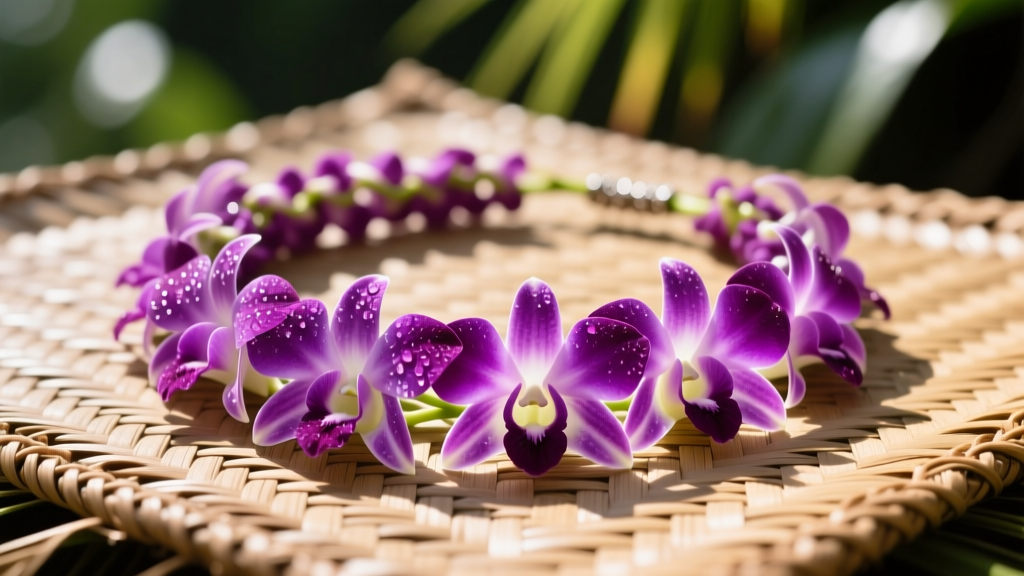
If you have ever visited the Hawaiian Islands or attended a traditional luau, you have likely been gifted a beautiful, fragrant floral garland. But when travelers return home and try to replace or care for these botanical treasures, they often hit a wall of confusion. What exactly are these flower necklaces Hawaii called? How do you stop them from turning brown in your refrigerator? And if you want a permanent jewelry version, how do you prevent it from tarnishing in humid climates?
This comprehensive troubleshooting guide decodes the terminology, solves the most common fresh lei disasters, and provides a metallurgical breakdown for buying permanent Hawaiian floral pendants that actually survive tropical weather.
The True Name: Decoding the Terminology
The direct answer to "what are flower necklaces Hawaii called" is a lei (pronounced "lay"). However, using "lei" as a catch-all term strips away centuries of cultural nuance. In Hawaiian tradition, a lei is not merely a necklace; it is a symbol of aloha, respect, and connection. Depending on how the flowers are assembled, the specific name changes:
- Lei Kui: The most common "strung" necklace style. Flowers like orchids or plumeria are pierced through the center or side and threaded onto a string.
- Haku Lei: A braided lei where flowers and ferns are woven into a base of ti leaves or raffia. These sit flatter against the collarbone and are much more durable for travel.
- Lei Poʻo: While often confused with necklaces by tourists, this is specifically a head lei (crown) worn in the hair, not around the neck.
Understanding these distinctions is the first step in troubleshooting your purchase, as a Lei Kui requires entirely different care and re-stringing techniques than a braided Haku.
Fresh Lei Troubleshooting: Preventing Wilting & Snaps
The most frequent problem tourists face is the rapid deterioration of fresh flower leis during transit or storage. Tropical blooms are highly sensitive to environmental shifts. Here is how to solve the three most common fresh lei emergencies.
Problem 1: The Lei is Wilting and Petals are Browning
The Cause: Chilling injury and ethylene gas exposure. Most standard home refrigerators are set to 37°F (3°C). Tropical flowers like Dendrobium orchids and Jasminum sambac (Pikake) suffer cellular damage at temperatures below 45°F (7°C). Furthermore, if your lei is stored in the same crisper drawer as apples or bananas, the ethylene gas emitted by the fruit will trigger rapid petal senescence (browning and dropping).
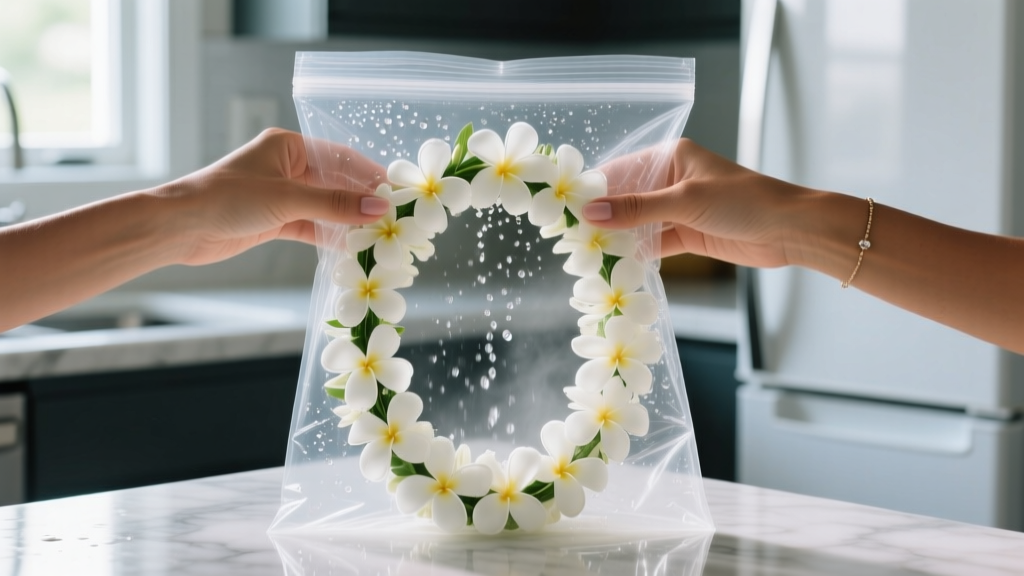
The Fix: Set a dedicated mini-fridge or wine cooler to 50°F (10°C). Lightly mist the lei with purified water, place it inside a sealed plastic bag with a slightly damp (not wet) paper towel, and keep it strictly away from ripening produce. According to the Hawaii Tourism Authority, treating the lei with this level of humidity and temperature control can extend the life of an orchid lei from 2 days to over a week.
Problem 2: The String Snapped During Wear
The Cause: Traditional lei makers often use cotton thread or thin nylon. Cotton rots quickly when exposed to the natural moisture of flower stems, while thin nylon acts like a cheese wire, slicing through delicate plumeria stems as the necklace shifts on your neck.
The Fix: Do not attempt to re-string a fresh lei with standard sewing thread. Use gel-spun polyethylene (GSP) thread or unwaxed, unflavored dental floss. These materials have high tensile strength, resist moisture rot, and are wide enough not to cut through the floral tissue. Use a flexible beading needle to carefully re-thread the broken blooms, tying off with a surgeon’s knot to prevent slipping.
Permanent Floral Jewelry: Solving the Tropical Tarnish Problem
Because fresh leis are ephemeral, many seek out permanent floral jewelry—such as gold plumeria pendants or silver hibiscus chains—to carry the spirit of the islands year-round. However, high-humidity environments (like coastal towns or tropical vacations) wreak havoc on inferior metals, leading to galvanic corrosion and green skin.
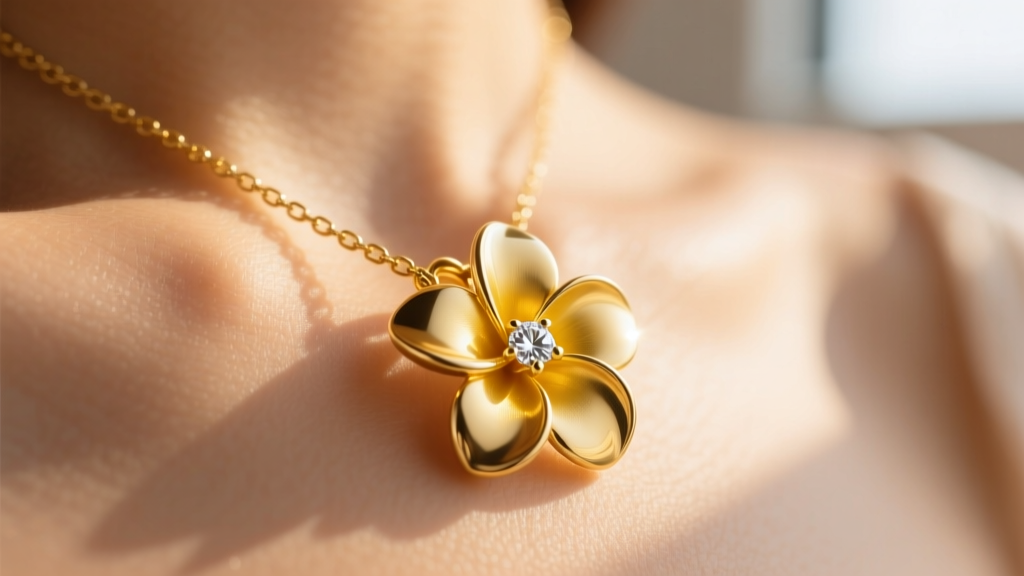
When shopping for permanent Hawaiian floral necklaces, you must scrutinize the metallurgy. The Gemological Institute of America (GIA) notes that humidity and sulfur in the air accelerate tarnishing in alloyed metals. Below is a troubleshooting matrix to help you choose the right material for your climate.
| Metal Type | Composition & Grade | Humidity Resistance | Ideal For | Avg. Price Range |
|---|---|---|---|---|
| Solid 14k Gold | 58.5% Gold, alloyed with silver/copper | Excellent (Will not tarnish) | Daily wear in tropical climates; heirloom pieces | $250 - $800+ |
| 316L Surgical Steel | Iron, chromium, nickel, molybdenum | Very High (Marine-grade rust resistance) | Budget-friendly beachwear; surfing/swimming | $30 - $80 |
| Rhodium-Plated 925 Silver | 92.5% Silver, coated in platinum-group metal | High (Until plating wears off) | Occasional wear; requires re-plating every 2 years | $80 - $200 |
| Gold-Plated Brass | Copper/Zinc base with microscopic gold wash | Poor (Will turn skin green in humidity) | Avoid entirely for tropical or beach environments | $15 - $40 |
Troubleshooting Tourist Trap Jewelry
If you are buying a floral pendant in a Hawaiian gift shop and the tag simply says "Tibetan Silver" or "Alpaca," put it back. These are not actually silver; they are nickel-copper alloys that will rapidly oxidize and cause contact dermatitis when mixed with sweat and ocean salt. Always demand a stamp of 14k, 18k, or 925 (with rhodium plating) to ensure you are getting authentic, skin-safe metals.
Cultural Etiquette: Avoiding the Ultimate Faux Pas
The final troubleshooting step for Hawaiian flower necklaces is knowing how to dispose of them. The most common mistake visitors make is throwing a withered lei into a hotel trash can. In Hawaiian culture, a lei represents a living connection and the spirit of aloha. Tossing it in the garbage is considered deeply disrespectful.
The Proper Fix: Once the flowers have wilted beyond repair, untie the string (returning the flowers to their natural state) and scatter them in the ocean, bury them in the earth under a tree, or leave them in a botanical garden. If you are back on the mainland, composting the flowers or drying them out in a dark, low-humidity room to create a potpourri sachet are the most culturally respectful alternatives.
Summary Checklist for Buyers & Travelers
- Terminology: Ask for a Lei Kui (strung) or Haku (braided), not just a "flower necklace."
- Storage: Keep fresh leis at 50°F (10°C), misted, and far away from ethylene-producing fruits.
- Repairs: Re-string snapped leis with GSP thread or dental floss, never cotton.
- Metals: Buy solid 14k gold or 316L steel for permanent floral pendants; avoid brass and "Tibetan silver."
- Disposal: Never use the trash can; return the organic elements to nature.
By understanding the cultural roots and the botanical science behind these beautiful garments, you can honor the tradition of the islands while keeping your floral necklaces looking pristine, whether they are fresh from the garden or cast in solid gold.


