Best Chewy Necklaces 2026: The Ultimate Sensory Gift Guide
Discover the best chewy necklaces for 2026. Our sensory gift guide covers Shore A hardness, medical-grade silicone, and safe breakaway clasps.

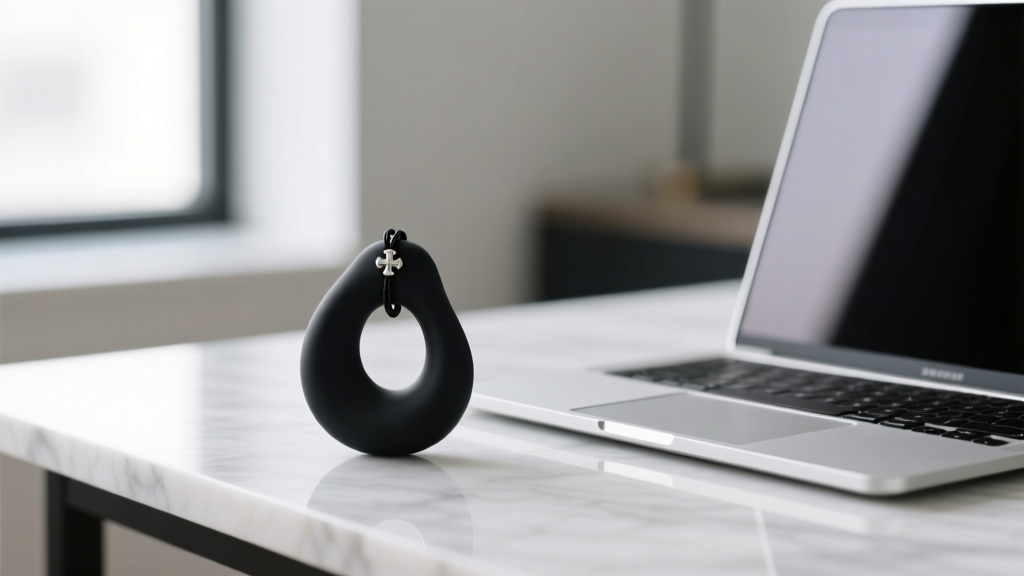
Why "Chewelry" is the Ultimate Functional Gift in 2026
When it comes to gifting jewelry, the conversation usually revolves around karat weights, gemstone clarity, and precious metals. However, one of the most rapidly growing and profoundly impactful categories in the accessories market is functional sensory jewelry—colloquially known as "chewelry" or chewy necklaces. Designed to provide safe, discreet oral motor proprioceptive input, these necklaces are essential tools for neurodivergent individuals, those managing anxiety, or anyone seeking tactile grounding in high-stress environments.
As we move through 2026, the destigmatization of sensory processing tools has pushed chewy necklaces out of the clinical setting and into mainstream fashion. Top brands like Munchables, Chewigem, and ARK Therapeutic are now collaborating with industrial designers to create pendants that mimic high-end architectural jewelry. If you are shopping for a teen with ADHD, an adult navigating workplace anxiety, or a child with autism spectrum disorder (ASD), a premium chewy necklace is a deeply thoughtful, highly practical gift. But not all silicone pendants are created equal. To choose the right piece, you must understand material hardness, chain metallurgy, and critical safety mechanisms.
Decoding the Shore A Hardness Scale for Sensory Needs
The most common mistake gifters make when buying chewy necklaces is guessing the user's bite pressure. Sensory needs vary wildly; a pendant that is too soft will be destroyed in minutes by an aggressive chewer, while one that is too hard will be rejected by someone seeking gentle, soothing input. To solve this, reputable manufacturers use the Shore A Hardness Scale, an industry-standard metric used to measure the firmness of flexible polymers and silicones.
Understanding this scale is the key to matching the gift to the recipient's specific sensory profile. Below is a breakdown of how the Shore A scale translates to real-world chewy necklace performance.
| Chew Level | Shore A Rating | Texture Profile | Best For |
|---|---|---|---|
| Light / Soothing | 20A - 35A | Pillowy, highly flexible, similar to a soft gummy bear. | Light biting, lip chewing, anxiety grounding, tactile rubbing. |
| Moderate / Everyday | 40A - 55A | Firm but yielding, similar to a pencil eraser or pencil grip. | Regular daily chewing, classroom focus, mild oral sensory seeking. |
| Aggressive / Heavy | 60A - 80A | Very rigid, tough, similar to a hard rubber tire or hockey puck. | Intense jaw pressure, older teens/adults, heavy bite force. |
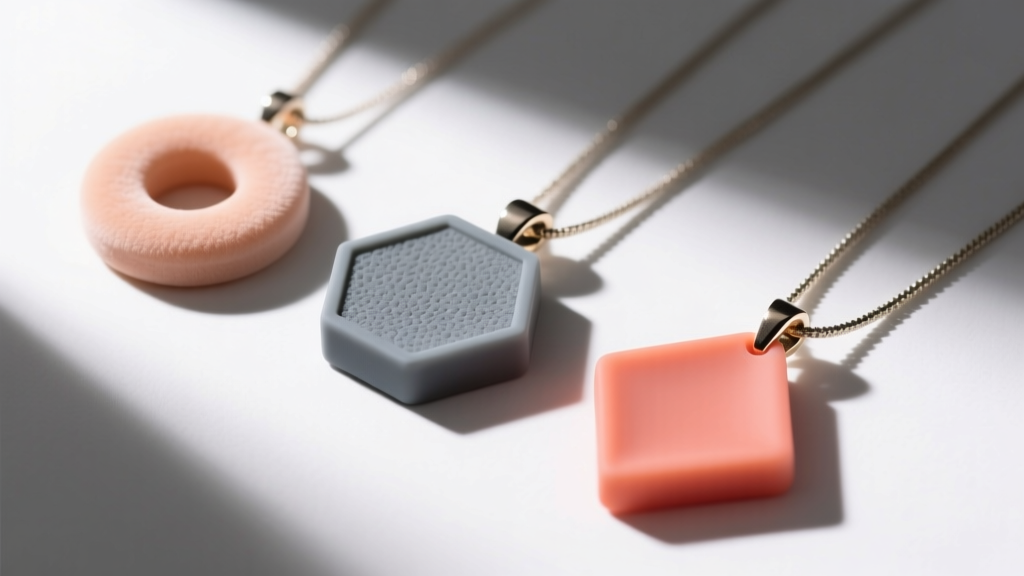
When selecting a gift, consider the recipient's current habits. Do they chew through plastic pen caps in a matter of days? If so, opt for a 60A+ pendant with a dense, geometric core. If they simply need something to hold in their mouth while reading or working, a 30A teardrop or smooth pebble shape will provide the necessary comfort without causing jaw fatigue.
Material Integrity: Medical-Grade Silicone vs. Standard Plastics
Because chewy necklaces are subjected to constant saliva, bite force, and temperature changes, material safety is non-negotiable. You must avoid cheap, porous plastics, PVC, or vinyl, which can leach phthalates and harbor bacteria in microscopic bite tears.
The gold standard for chewelry is 100% food-grade or medical-grade silicone. According to the U.S. Food and Drug Administration (FDA) regulations regarding rubber articles intended for repeated use in food contact, high-quality silicone must be free of BPA, BPS, lead, and latex. Medical-grade silicone goes a step further, undergoing rigorous biocompatibility testing to ensure it will not cause contact dermatitis or allergic reactions, even when exposed to the enzymes in human saliva over long periods.
Furthermore, the chain suspending the pendant must be equally resilient. Look for 316L surgical stainless steel. Unlike standard brass or plated alloys, 316L contains molybdenum, which drastically increases its resistance to corrosion from salt and moisture. A 2.4mm to 3.0mm 316L cable chain ensures the necklace can withstand accidental tugs without snapping or turning the wearer's neck green.
Occasion Matching: Which Sensory Pendant Fits Best?
A major reason chewy necklaces make such exceptional gifts is their versatility. However, the aesthetic and functional requirements change depending on where the necklace will be worn. Here is how to match the pendant to the occasion:
1. The Professional Office Environment
For adults navigating high-stress corporate jobs or open-plan offices, discretion is paramount. Avoid bright, neon colors or obvious "toy-like" shapes. Instead, gift a matte black, charcoal, or navy silicone pendant shaped like a minimalist cylinder, a sleek hexagon, or an abstract geometric stone. Paired with a fine 316L stainless steel chain, these pieces mimic modern, avant-garde designer jewelry, allowing the wearer to discreetly chew or fidget during long meetings without drawing unwanted attention.
2. The Classroom and Teen Social Settings
For teenagers and college students, chewelry is often treated as a statement accessory. Brands now offer pendants that mimic streetwear aesthetics, such as dog tags, sneaker-inspired shapes, or bold, layered geometric tubes. Colors like iridescent pearl, deep emerald, or translucent amber are highly sought after. Gifting a "moderate" 45A pendant in a trendy colorway provides the sensory input a student needs to focus during lectures while aligning with their personal style.
3. Travel and Transit Anxiety
Air travel and long commutes trigger significant anxiety for many neurodivergent individuals. For this occasion, consider a chewy necklace with varied topographical textures—such as raised ridges, bumps, or a dual-texture design. The tactile variation provides enhanced grounding feedback when the wearer rubs the pendant against their thumb or lips during turbulence or crowded transit situations.
The Non-Negotiable Safety Feature: Breakaway Clasps
No matter how beautiful the pendant or how high the grade of silicone, a chewy necklace is inherently dangerous if it lacks a proper safety release mechanism. The Consumer Product Safety Commission (CPSC) strictly warns against the strangulation hazards posed by necklaces that do not separate under pressure.
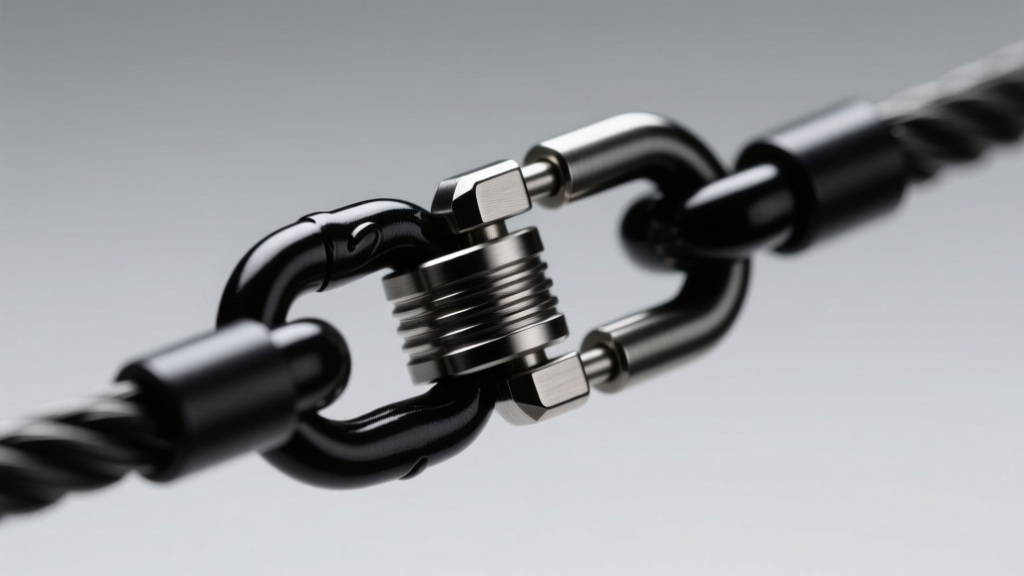
Any reputable chewy necklace must feature a breakaway safety clasp at the nape of the neck. These specialized plastic or magnetic clasps are engineered to pop open when subjected to 5 to 10 pounds of tensile force. If a child gets the pendant caught on playground equipment, or if an adult accidentally snags their chain on a car door, the clasp must fail before the chain cuts into the skin. Never gift a sensory necklace that utilizes a standard jewelry lobster clasp without a secondary breakaway tube integrated into the chain.
Care, Sterilization, and Replacement Cycles
Finally, a crucial part of gifting functional jewelry is educating the recipient on its lifespan. Unlike gold or silver, silicone is a consumable material when subjected to human teeth. To maintain hygiene, medical-grade silicone pendants can be boiled in water for 5 minutes, run through the top rack of a dishwasher, or sanitized in a UV sterilizer.
However, you must inspect the pendant weekly for micro-tears, deep bite marks, or stretching around the chain loop. Once the structural integrity of the silicone is compromised, small pieces can break off, posing a severe choking hazard. As a general rule, even the highest quality 60A chewy necklaces should be retired and replaced every 3 to 6 months, depending on the intensity of the user's bite. Gifting a "starter kit" that includes a premium chain and a three-pack of replacement pendants in varying textures is the ultimate, foolproof way to ensure your gift remains useful and safe throughout the entire year.


