How to Style, Layer, and Care for a Flower Cross Necklace
Master the art of layering a flower cross necklace. Learn step-by-step styling, chain gauge pairings, neckline matching, and deep-cleaning techniques.

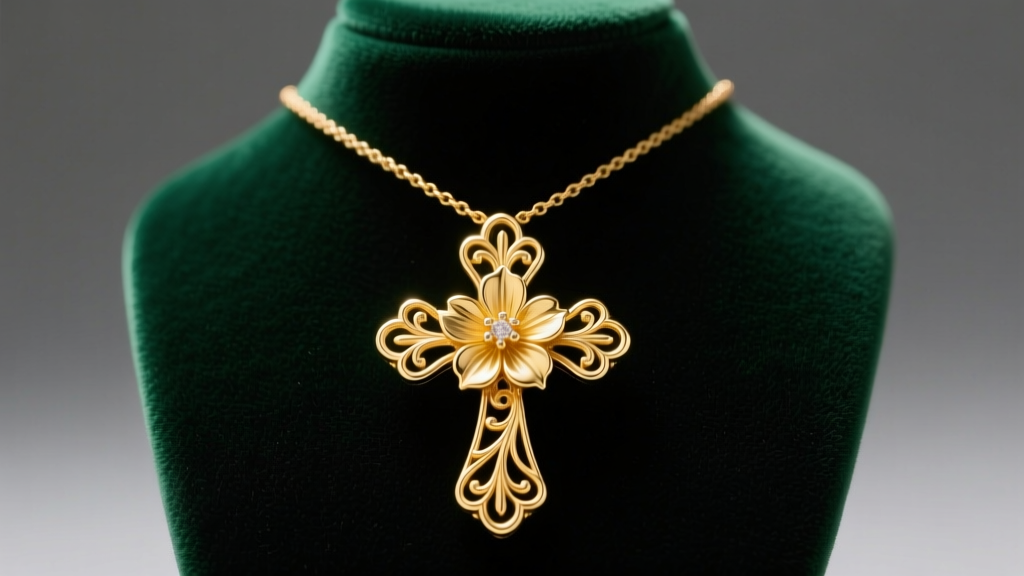
The intersection of sacred geometry and botanical elegance has cemented the flower cross necklace as a staple in modern jewelry wardrobes. As we navigate the styling landscape of 2026, the demand for pieces that blend spiritual symbolism with organic, nature-inspired motifs continues to dominate. However, because of their intricate silhouettes—where delicate petals intersect with rigid crossbars—these pendants require a strategic approach to layering, chain selection, and maintenance. This comprehensive guide will walk you through the exact steps to style, layer, and preserve your floral cross jewelry with expert precision.
The Anatomy and Material Science of Floral Crosses
Before building a necklace stack, you must understand the structural demands of the pendant itself. A flower cross necklace typically features a central junction where four or more petals meet the vertical and horizontal axes of the cross. This intricate metalwork dictates the type of chain you should use.
When selecting the metal grade, consider the hardness of the alloy. According to the Gemological Institute of America (GIA), 14k gold (58.5% pure gold) is significantly harder and more durable than 18k gold. If your floral cross features tiny melee diamonds or gemstones set into the petals, 14k gold provides superior tensile strength for the prongs, reducing the risk of stone loss during daily wear. For sterling silver pieces, ensure the pendant is rhodium-plated. The deep crevices where the floral elements meet the crossbar are highly susceptible to oxidation, and a rhodium flash will delay the onset of tarnish in these hard-to-reach areas.
The bail (the loop that connects the pendant to the chain) on a flower cross is often wider than standard pendants to accommodate the top petal. Always measure the inner diameter of the bail. If it is 5mm, you cannot use a thick 2.5mm Cuban link chain; instead, opt for a 1.5mm to 2.0mm box chain or a 1.2mm rope chain, which offer the necessary flexibility to slide through the bail without stressing the solder point.
Step-by-Step Guide to Layering Your Flower Cross Necklace
Layering a highly detailed pendant requires the "Rule of Three" to maintain visual balance without overcrowding the décolletage. Follow this step-by-step framework to build a cohesive stack.
Step 1: Establish the Base Chain (14 to 16 Inches)
Your foundational layer should sit at the collarbone and serve as a subtle textural contrast to the ornate flower cross. Avoid using another pendant here. Instead, choose a 14-inch or 16-inch herringbone or snake chain. A 2.0mm herringbone chain lays completely flat against the skin, reflecting light like a ribbon of metal. This creates a sleek, modern baseline that allows the botanical elements of your main pendant to stand out in the next layer.
Step 2: Position the Focal Point (18 to 20 Inches)
The flower cross necklace itself should serve as the anchor of the stack. For optimal placement over most necklines, an 18-inch chain is ideal for a standard crew or scoop neck, while a 20-inch chain works better for V-necks or button-down shirts. Use a 1.5mm box chain for this layer. The geometric, square links of a box chain subtly echo the structural lines of the cross, while remaining delicate enough not to compete with the floral detailing of the pendant.

Step 3: Add a Textural Anchor (22 to 24 Inches)
To draw the eye downward and elongate the torso, add a third layer that falls below the cross pendant. A 22-inch or 24-inch beaded chain or a simple lariat ending in a small, unembellished geometric charm (like a plain gold disc or a tiny bar) works perfectly. The contrast between the smooth beads and the intricate floral cross above creates a sophisticated, curated look that feels intentional rather than cluttered.
Neckline Pairing Matrix for Floral Cross Pendants
The scale of your flower cross necklace should directly correlate with the neckline of your garment. A pendant that is too small will get lost in a heavy fabric, while one that is too large will look cumbersome on a delicate neckline. Use the matrix below to determine the ideal chain length and pendant scale for your outfit.
| Neckline Type | Ideal Chain Length | Pendant Scale & Styling Note |
|---|---|---|
| V-Neck | 20 - 22 Inches | Medium to Large. Let the vertical axis of the cross mirror the V-shape of the garment. |
| Crew Neck | 18 Inches | Small to Medium. The pendant should rest just below the collar seam to avoid friction. |
| Button-Down | 20 - 24 Inches | Layered Stack. Wear over the fabric, using the cross as a focal point between the lapels. |
| Off-Shoulder | 14 - 16 Inches | Choker Scale. A tight, delicate floral cross highlights the exposed collarbones beautifully. |
Deep Cleaning Intricate Floral Crevices
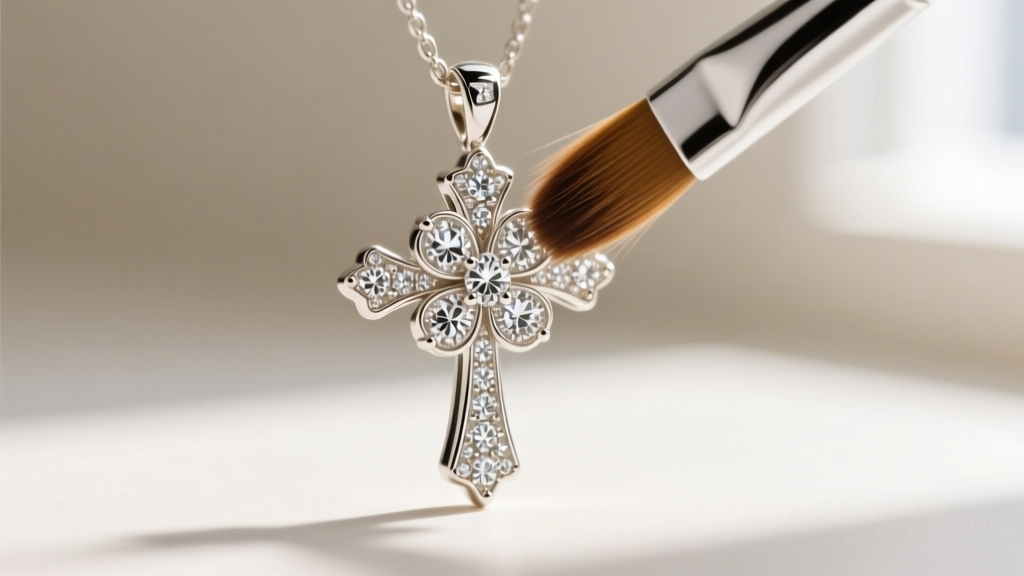
The most common failure point in maintaining a flower cross necklace is the accumulation of sebum, lotions, and dead skin cells in the tight junctions where the petals meet the crossbar. Over time, this buildup dulls the metal and can degrade the setting of any inset gemstones.
While ultrasonic cleaners are highly effective for plain metal jewelry, they can be disastrous for botanical designs that incorporate porous gemstones like turquoise, opals, or emeralds—stones frequently used to represent leaves or floral centers. The high-frequency vibrations can fracture these stones or shake loose the delicate glue often used in micro-pavé settings.
Instead, follow this manual deep-cleaning protocol recommended by experts at The Silver Institute for intricate silver and gold pieces:
- The Soak: Mix a few drops of mild, phosphate-free dish soap into a bowl of lukewarm (not hot) water. Submerge the necklace for 10 to 15 minutes to loosen oils.
- The Agitation: Use a brand-new, extra-soft baby toothbrush. Gently brush the crevices of the flower petals using small, circular motions. Never scrub aggressively across the prongs.
- The Rinse: Rinse the pendant under a gentle stream of lukewarm water, ensuring the drain is securely plugged.
- The Dry: Pat dry with a lint-free microfiber cloth. Use a wooden toothpick or a can of compressed air to blow moisture out of the deepest floral crevices to prevent water spots or localized tarnishing.
Troubleshooting the Tangling Dilemma
Because a flower cross necklace features an asymmetrical, multi-pointed silhouette, it is inherently prone to flipping over and tangling with adjacent chains. The petals act like tiny hooks that can easily catch on the links of a neighboring cable chain.
To solve this, you must introduce textural friction variance into your stack. If your flower cross is on a box chain, ensure your base layer is a smooth herringbone and your top layer is a rounded bead chain. Chains with vastly different link shapes and surface areas are mathematically less likely to interlock and knot. Additionally, consider adding a small, clear silicone necklace spacer clasp at the nape of your neck. This device holds all three chains parallel and separated, completely eliminating the friction that causes the floral points to catch and tangle throughout the day.
By treating your flower cross necklace not just as a standalone pendant, but as a complex structural element within your broader jewelry wardrobe, you ensure it remains a striking, pristine focal point for years to come. Pay attention to your chain gauges, respect the metallurgy of the prongs, and maintain a rigorous, gentle cleaning schedule to keep those botanical details sharp and brilliant.


