Coach Flower Necklace Troubleshooting: Tarnish, Fakes & Repairs
Fix common Coach flower necklace issues. Learn how to repair chipped enamel, safely remove tarnish, spot fakes, and maintain the plating.

The Material Anatomy: Why Fashion Jewelry Fails
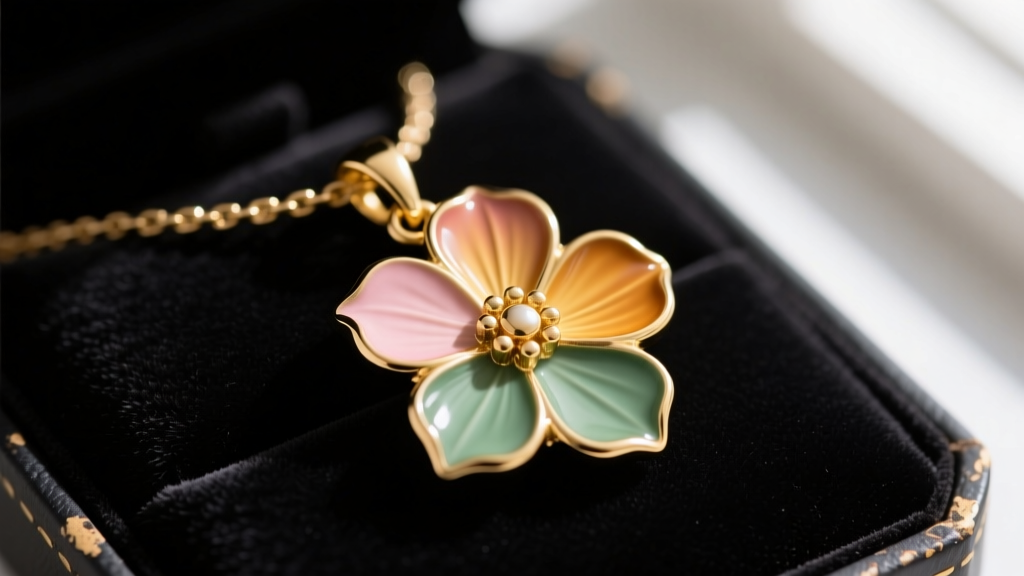
To effectively troubleshoot a coach flower necklace, you must first understand its material composition. Unlike fine jewelry crafted from solid 14k or 18k gold, Coach fashion necklaces are typically constructed from a base metal—usually a zinc alloy or brass—coated with a micro-layer of gold-tone or silver-tone plating. According to the Gemological Institute of America (GIA), fashion jewelry plating often ranges from a mere 0.1 to 0.5 microns in thickness.
The iconic flower motifs (such as the Daisy or Signature C floral designs) are frequently filled with "cold enamel," which is essentially an epoxy-based resin rather than traditional kiln-fired vitreous enamel. This specific combination of thin electroplating, brass underlays, and resin enamel creates a unique set of vulnerabilities, including galvanic corrosion, enamel drop-out, and clasp fatigue. Below is a comprehensive troubleshooting guide to diagnosing and repairing these specific failure modes.
Troubleshooting Tarnish and Plating Loss
Tarnish on a Coach flower necklace is rarely the gold or silver plating itself oxidizing; rather, it is the copper within the brass base metal reacting with sulfur and moisture in the air or your sweat to form copper sulfide. When the micro-plating wears thin or scratches, the brass is exposed, leading to rapid green or black discoloration on both the metal and your skin.
Safe Cleaning Protocols
Never use commercial silver dips, baking soda pastes, or ultrasonic cleaners on plated fashion jewelry. These methods will strip the remaining 0.5-micron plating instantly, leaving you with a dull, porous brass pendant. Instead, use this safe surfactant method:
- Step 1: Mix three drops of mild, phosphate-free dish soap (like Dawn) into a bowl of distilled water. Tap water contains chlorine and minerals that can accelerate oxidation.
- Step 2: Submerge the necklace for exactly 60 seconds. Do not soak for longer, as water can seep into the microscopic gaps between the enamel and the metal bezel.
- Step 3: Gently agitate with a baby-soft toothbrush, avoiding direct scrubbing on the enamel petals.
- Step 4: Rinse with distilled water and immediately dry with a lint-free microfiber cloth. Air drying will leave water spots that etch into the plating.
Fixing Chipped or Missing Enamel on the Flower Motif
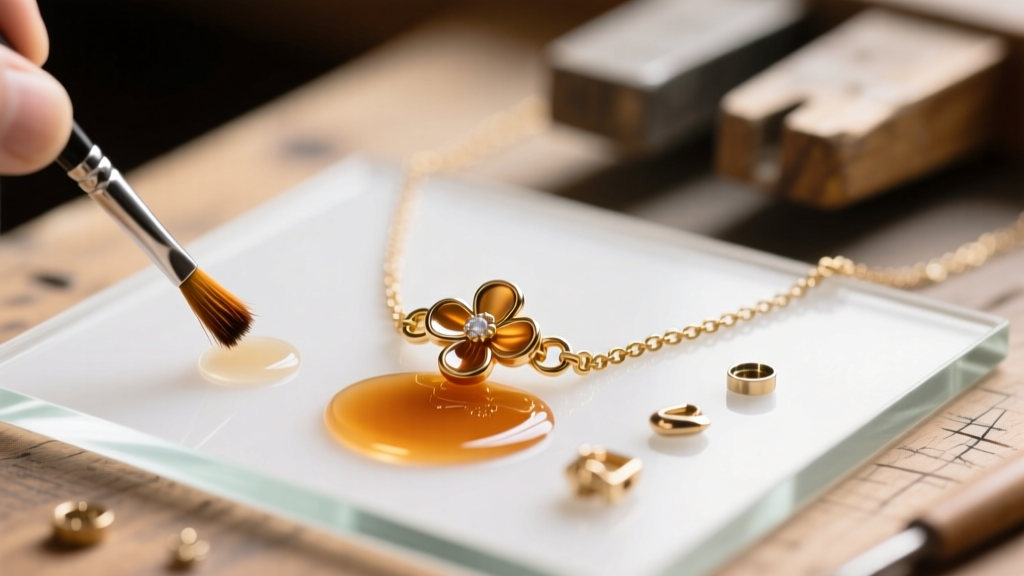
Cold enamel is prone to popping out if the necklace is dropped or subjected to extreme temperature fluctuations. If a petal on your Coach flower necklace has lost its color fill, you can perform an invisible repair at home using UV jewelry resin.
The UV Resin Repair Method
Do not use super glue (cyanoacrylate), as it dries brittle, clouds over time, and will permanently ruin the metal finish if it spills over the bezel. UV resin remains crystal clear and cures only when exposed to ultraviolet light, giving you infinite working time to perfect the surface tension.
- Clean the empty bezel with 91% isopropyl alcohol and a cotton swab to remove skin oils.
- Using a toothpick, drop a small bead of clear UV resin into the petal cavity.
- Let the resin self-level. If it domes too high, gently touch the tip of a dry toothpick to the center to draw the excess resin up via capillary action.
- Cure under a 36W UV nail lamp for 60 seconds.
Adhesive Comparison for Jewelry Repair
| Adhesive Type | Best Use Case | Dry Time | Yellowing Risk |
|---|---|---|---|
| UV Jewelry Resin | Enamel fill, bezel coating | 60 sec (UV light) | Very Low |
| 2-Part Epoxy (5 min) | Reattaching metal jump rings | 5-10 minutes | Moderate |
| E6000 Craft Adhesive | Gluing flatbacks to metal | 24 hours | High (over time) |
Clasp and Chain Failures: Mechanical Fixes
The delicate cable chains used on Coach pendants are susceptible to kinking, and the lobster clasps frequently suffer from spring fatigue. If your clasp no longer snaps shut with a crisp click, the internal steel spring has failed. Because the clasp is usually attached via a 4mm or 5mm jump ring, replacement is straightforward.
Purchase a pack of 5x9mm gold-plated or silver-plated lobster clasps and 4mm open jump rings. Using two pairs of chain-nose pliers (never use flat-nose pliers, as their teeth will mar the soft plating), grip the jump ring on either side of the split. Twist the ring open laterally—like opening a door—rather than pulling it apart outward, which distorts the circle. Slide off the broken Coach clasp, attach the new 5x9mm clasp, and twist the jump ring shut until you feel the metal ends "click" into perfect alignment.
Authentication: Spotting Counterfeit Coach Necklaces
Because the coach flower necklace is a highly sought-after accessory, the secondary market is flooded with counterfeits. Authenticating these pieces requires looking past the logo and examining the manufacturing tolerances.
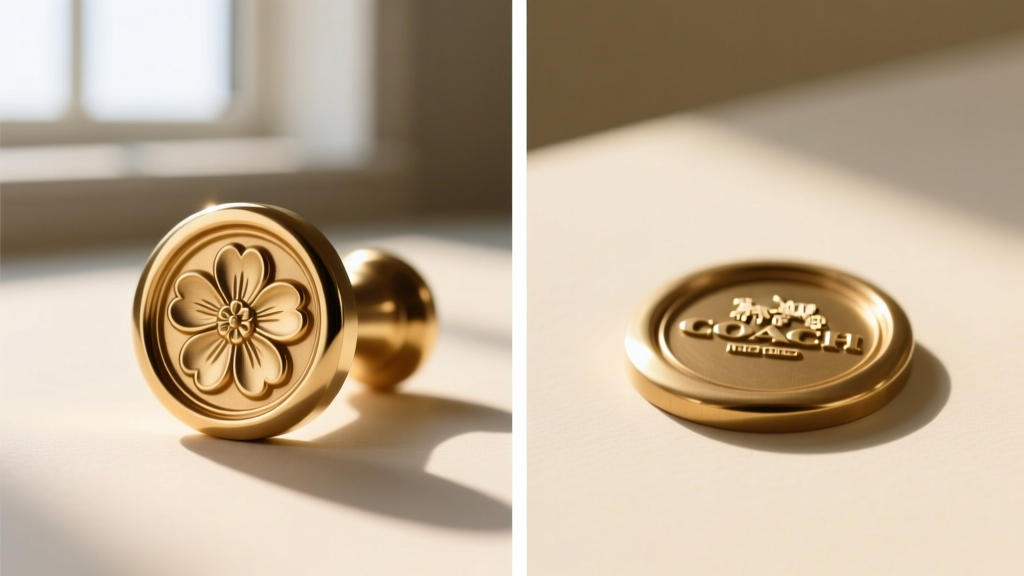
The Federal Trade Commission (FTC) Jewelry Guides mandate strict hallmarking standards for precious metals, but fashion jewelry relies on brand-specific trademarks. Counterfeiters often get the overall shape right but fail on the micro-details of the stamping and chain construction.
Authentication Checklist: Real vs. Fake
| Feature | Authentic Coach Necklace | Counterfeit Necklace |
|---|---|---|
| Hangtag Credo | Crisp, deeply stamped font; serial number matches the pouch/receipt. | Shallow, blurry stamping; generic or repeated serial numbers. |
| Chain Links | Uniform, smoothly soldered cable links with a high-polish finish. | Uneven links, visible seams, dull or overly yellow "brassy" tone. |
| Enamel Quality | Flush with the metal bezel; no bleeding or bubbles in the resin. | Uneven surface; enamel spills over the metal edges; visible pitting. |
| Lobster Clasp | Branded with a tiny, crisp "C" or "COACH" on the lever arm. | Unbranded, generic clasp with a weak spring mechanism. |
Preventative Maintenance for Longevity
The greatest enemy of your Coach flower necklace is the combination of cosmetic chemicals and ambient humidity. Hairsprays, perfumes, and lotions contain alcohols and emulsifiers that degrade both the micro-plating and the cold enamel resin over time. Always follow the "last on, first off" rule: put your necklace on after your cosmetics have fully dried, and remove it before showering or exercising.
For storage, avoid leaving the necklace exposed to open air on a jewelry tree. Instead, store it in an airtight polyethylene ziplock bag alongside a 3M anti-tarnish strip. These strips absorb airborne sulfur compounds before they can react with the copper in the brass base metal, effectively pausing the tarnishing process and preserving the delicate floral enamel for years to come.


