How to Style, Layer, and Clean Your Bulldog Necklace
Learn how to style, layer, and clean your bulldog necklace. Expert tips on chain pairings, metal care, and neckline matching for every occasion.

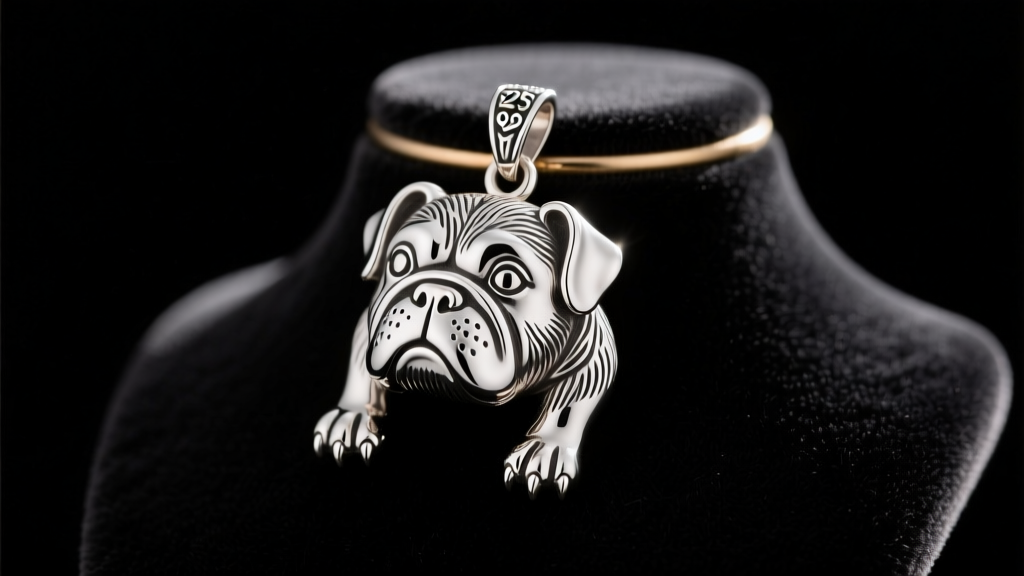
The Symbolism and Style of the Bulldog Motif
The bulldog necklace has transcended its origins as a simple pet memorial piece to become a staple in both streetwear and high-end animalier jewelry. Whether you are wearing a piece to honor a loyal companion or to channel the resilience and tenacity the breed represents, styling a bulldog pendant requires an understanding of weight, scale, and metal composition. Unlike minimalist geometric pendants, a bulldog motif is inherently three-dimensional, detailed, and visually heavy. This comprehensive, step-by-step guide will teach you how to select the right chain, layer effectively, and maintain the intricate details of your jewelry.
Step 1: Evaluate Metal Compositions and Finishes
Before you begin styling, you must understand the material of your bulldog necklace. The deep crevices of a bulldog's facial wrinkles and the folds of its jowls trap oils and tarnish, making the choice of metal critical for long-term wearability. According to the Gemological Institute of America (GIA), understanding alloy compositions is vital for predicting how a piece will react to skin acidity and environmental moisture.
| Metal Type | Durability | Maintenance Level | Best For |
|---|---|---|---|
| 925 Sterling Silver | Medium | High (Tarnishes in crevices) | Everyday wear, vintage aesthetics |
| 14k Solid Gold | High | Low | Lifetime wear, heirloom pieces |
| Gold Vermeil (2.5μm) | Medium-High | Medium | Statement pieces, occasional wear |
| Enameled Brass | Low-Medium | High (Enamel can chip) | Colorful streetwear, fashion trends |
Expert Tip: If your bulldog pendant features 'cold enamel' (often used for French Bulldog spots or collar details), avoid pieces with thin plating. The friction from enamel application can wear down thin gold plating, exposing the base metal beneath.
Step 2: Pair the Pendant with the Correct Chain Gauge
A common mistake in styling animalier jewelry is mismatching the pendant's weight with the chain's tensile strength. A solid cast 3D bulldog pendant can easily weigh between 12 and 25 grams. Suspending this weight on a delicate 1mm box chain will inevitably lead to a snapped link or a warped bail.
Calculating the Right Chain Thickness
- Lightweight Pendants (Under 8g): Opt for a 1.5mm to 2mm rope chain or a 2mm box chain. These provide enough support without visually overpowering the pendant.
- Medium Cast Pendants (8g - 15g): A 2.5mm to 3mm Cuban link or Figaro chain offers the necessary structural integrity while complementing the bold nature of the bulldog motif.
- Heavy Statement Pieces (15g+): You need a 4mm to 5mm curb or Franco chain. Ensure the pendant's bail (the loop it hangs from) has an inner diameter of at least 5mm to accommodate these thicker chains without stressing the solder joint.
Step 3: Master the Layering Technique
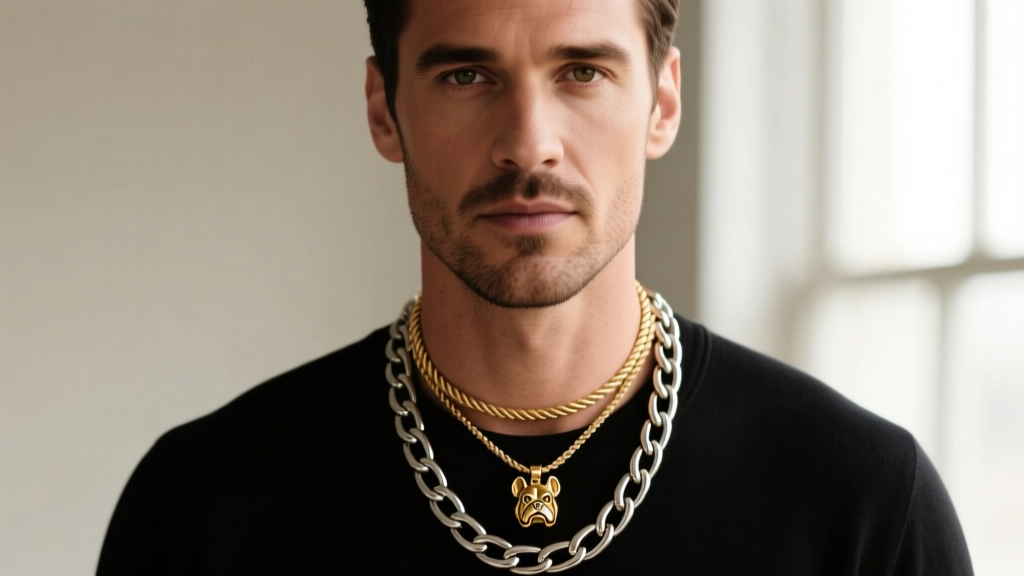
Layering a bulldog necklace requires strategic spacing. Because the pendant is highly detailed and visually 'loud,' it must serve as the focal point of your stack.
The Rule of Three and Spacing
To achieve a balanced stack without tangling, utilize the two-inch spacing rule. Tangling occurs when pendants and chains occupy the same physical plane and friction causes them to wrap around one another.
- The Base Layer (16-18 inches): Start with a simple, unadorned chain. A 2mm herringbone or a thin bead chain sits flush against the collarbone and provides a subtle metallic glint without competing with the main piece.
- The Focal Layer (20-22 inches): This is where your bulldog necklace sits. A 20-inch chain allows the pendant to rest on the upper chest, perfectly framing the face and drawing the eye downward.
- The Anchor Layer (24-26 inches): Finish with a heavier, textured chain like a 4mm rope chain without a pendant, or a simple geometric bar pendant to anchor the visual weight.
Pro-Troubleshooting: If your chains continually tangle, invest in a necklace spacer clasp. These multi-ring clasps lock your chains in place at the nape of the neck, maintaining perfect parallel alignment all day.
Step 4: Coordinate with Necklines and Occasions
The visual weight of a bulldog pendant dictates how it interacts with your wardrobe. Here is a practical framework for matching your necklace to specific necklines.
Crew Necks and Streetwear
When wearing a tight crew neck t-shirt or a hoodie, a 22-inch or 24-inch chain is mandatory. The bulldog pendant needs to rest below the collar's hemline. If the pendant sits on top of the fabric ribbing, it will bounce awkwardly and the chain will suffer from fabric friction.
V-Necks and Button-Downs
An 18-inch or 20-inch chain paired with a V-neck or an unbuttoned collar shirt creates a natural geometric frame. The V-shape of the shirt directs the viewer's eye straight to the bulldog pendant. For button-downs, leave the top two buttons undone and let a 20-inch gold vermeil bulldog rest against the skin for a sophisticated, rebellious contrast.
Step 5: Execute a Safe Cleaning and Storage Protocol
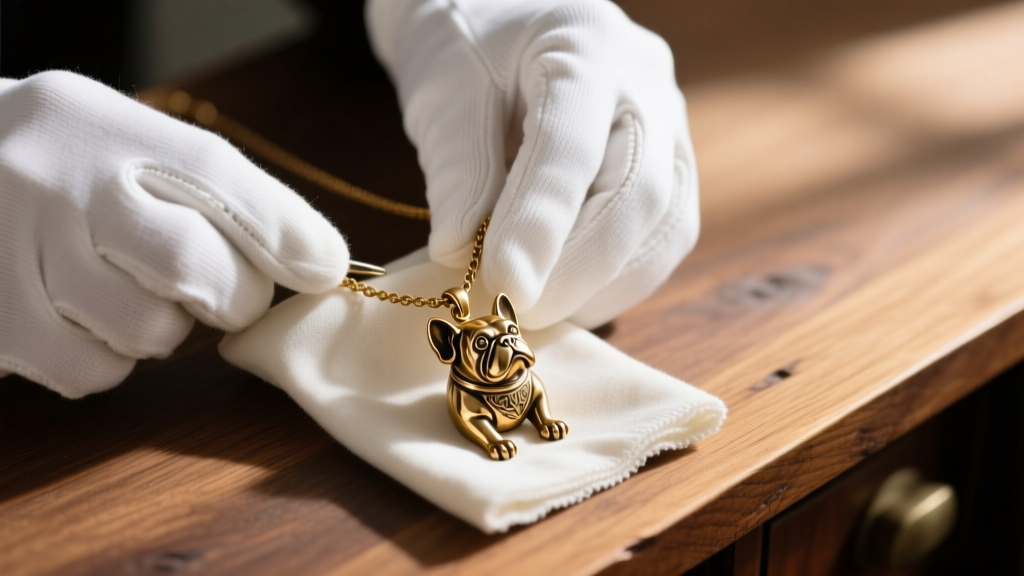
The intricate wrinkles, jowls, and often pave-set diamond eyes of a bulldog necklace make it a magnet for lotions, sweat, and environmental dust. Proper cleaning is not just about aesthetics; it prevents long-term degradation of the metal and gemstones. The Jewelers of America strongly advises against using harsh chemicals on textured or porous jewelry.
Step-by-Step Deep Cleaning Routine
- Prepare the Solution: Mix three drops of mild, phosphate-free dish soap (like Dawn) into a bowl of lukewarm distilled water. Avoid hot water, which can expand metal settings and loosen gemstone adhesives.
- Soak and Agitate: Submerge the necklace for exactly 5 minutes. Do not exceed this, especially if the piece features cold enamel or glued-in onyx eyes.
- Detail the Crevices: Use an extra-soft baby toothbrush to gently sweep along the bulldog's facial folds and under the chin. Never use a stiff-bristled brush, as it will leave micro-scratches on high-polish silver or gold.
- Rinse and Dry: Rinse under a gentle stream of lukewarm water. Pat dry with a lint-free microfiber cloth, and use a hair dryer on the 'cool' setting to blast moisture out of the bail and jump rings.
Crucial Warnings for Gemstone and Enamel Pieces
Never place a bulldog necklace in an ultrasonic cleaner if it features pave diamonds, onyx, or enamel. The high-frequency vibrations of ultrasonic machines can easily shatter onyx eyes or rattle tiny pave diamonds out of their microscopic prong settings. Stick to manual, gentle cleaning for any animalier piece with mixed media.
Storage Best Practices
Store your bulldog necklace in an airtight anti-tarnish pouch. Include a 3M anti-tarnish strip to absorb airborne sulfur compounds that cause sterling silver to blacken. Always hang the necklace or lay it perfectly flat; tossing it into a jewelry box will cause the heavy pendant to crush and kink lighter chains in your collection.
Conclusion
A bulldog necklace is more than just an accessory; it is a conversation piece, a symbol of loyalty, and a bold fashion statement. By carefully selecting the appropriate chain gauge to support the pendant's weight, mastering the two-inch layering rule, and adhering to a meticulous, non-abrasive cleaning routine, you ensure your piece remains striking and structurally sound for years to come. Treat your jewelry with the same loyalty your bulldog gives you, and it will remain a timeless fixture in your wardrobe.


