Beginner Guide: How to Wear a Necklace with Rope Chains
Discover how to choose, size, and style a necklace with rope chains. Learn solid vs hollow durability, thickness guides, and pendant pairing tips.

The Enduring Appeal of the Rope Chain
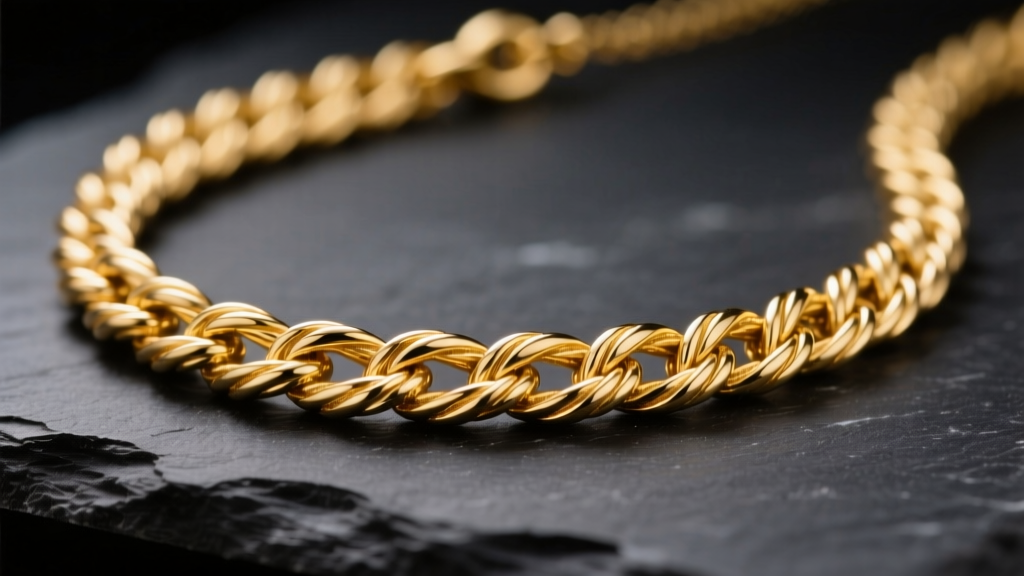
If you are stepping into the world of fine jewelry for the first time, you have likely noticed that chain selection can be surprisingly overwhelming. Among the myriad of options, the rope chain remains a perennial favorite. Characterized by its intricate, twisted links that mimic the spiral of a nautical rope, this style offers unparalleled light reflection and a substantial, luxurious feel. In the current 2026 jewelry market, rope chains are experiencing a massive resurgence, favored for their ability to bridge the gap between casual streetwear and formal elegance. However, not every necklace with rope chain links is created equal. Understanding the manufacturing nuances, metallurgical realities, and structural vulnerabilities of this specific chain type is critical before you make a purchase.
Anatomy of the Twist: How Rope Chains Are Made
Unlike a standard cable or curb chain, which features flat or uniformly oval links, a rope chain is constructed by twisting two or more rows of links together. This spiraling effect is achieved either through mechanical twisting or by casting the links in a pre-twisted mold. The result is a continuous helix that catches light from multiple angles, creating a 'diamond-cut' sparkle even when no actual gemstones are present. According to the Blue Nile chain education guide, the complex interlocking nature of the rope chain makes it one of the most visually dynamic options available, but this same complexity introduces specific structural considerations that every beginner must understand.
Solid vs. Hollow: The Durability Trap
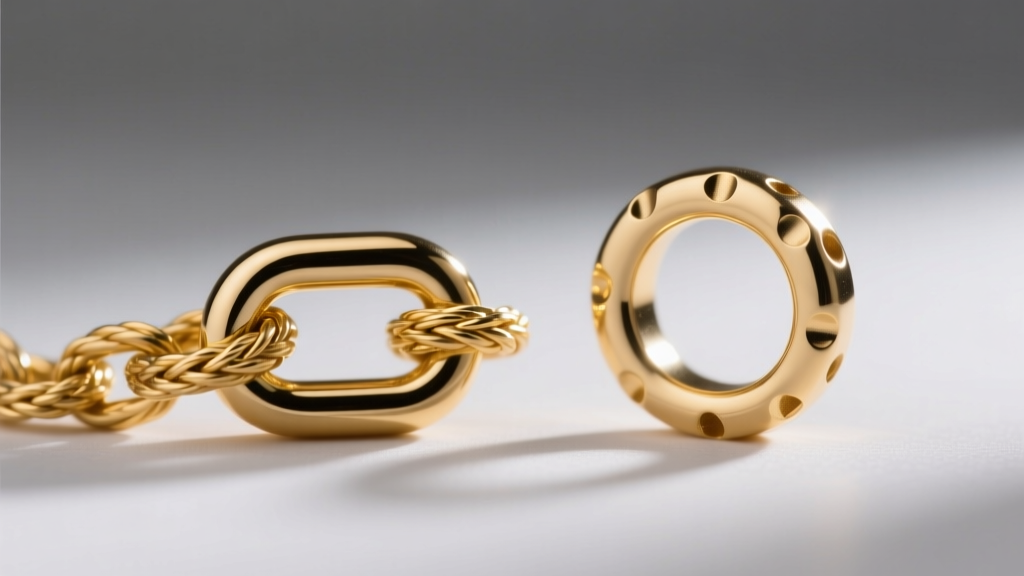
The most critical decision you will face when buying a rope chain is choosing between solid and hollow construction. Many mass-market jewelers sell 'lightweight' rope chains that are actually hollow. These are created using an electroforming process, where gold is deposited over a wax or resin core, which is later melted or dissolved away.
Why Hollow Chains Fail
Hollow rope chains are notoriously fragile. The outer gold wall is often less than 0.2 millimeters thick. If the chain is bent, kinked, or subjected to blunt pressure, the links will dent inward. Because the interior is empty, a jeweler cannot easily insert a mandrel to reshape the dent, making hollow rope chains virtually impossible to repair. Furthermore, the complex twists of a rope chain trap dirt and oils, and attempting to aggressively polish a hollow chain can easily wear right through the microscopic outer layer of gold.
The Case for Solid Construction
A solid rope chain is cast or soldered from solid wire. While significantly more expensive due to the raw metal weight, a solid rope chain is incredibly durable. If a link is pulled or warped, a skilled bench jeweler can easily reshape, solder, and polish the link back to its original condition. For a lifelong piece of jewelry, solid is the only logical choice.
Sizing Guide: Choosing the Right Thickness
Rope chains range from delicate 1mm widths to massive 10mm statement pieces. Selecting the correct thickness dictates both the chain's tensile strength and its suitability for pendants. Below is a practical breakdown to help you choose the right dimensions for your needs.
| Width (mm) | Avg. Weight (18'') | Best Use Case | Pendant Bail Requirement | Est. Price (14k Solid) |
|---|---|---|---|---|
| 1.0 - 1.5mm | 3 - 6 grams | Delicate layering, minimalism | Micro bail, lightweight charms | $250 - $450 |
| 2.0 - 3.0mm | 8 - 16 grams | Everyday wear, standard pendants | Standard bail (up to 4mm) | $600 - $1,200 |
| 4.0 - 5.0mm | 20 - 35 grams | Statement piece, heavy pendants | Large, reinforced bail | $1,500 - $2,800 |
| 6.0mm+ | 45+ grams | Standalone streetwear, hip-hop | N/A (rarely worn with pendants) | $3,500+ |
Metallurgy Matters: 14k vs. 18k Gold for Rope Chains
When selecting a gold necklace with rope links, the karatage directly impacts the chain's structural integrity. Pure 24k gold is far too soft to hold the complex twists of a rope chain without stretching. Therefore, alloyed gold is mandatory. The Gemological Institute of America (GIA) notes that 18k gold (75% pure gold) offers a rich, deep yellow hue but remains relatively soft. For a rope chain, which experiences high friction at the twist points, 18k gold can slowly stretch over years of heavy wear.
Conversely, 14k gold (58.3% pure gold) is alloyed with higher amounts of copper, silver, or zinc. This increases the tensile strength and hardness of the metal, making 14k the superior choice for the interlocking friction points of a rope chain. If you prefer the color of 18k gold, ensure you are buying a thicker gauge (3mm or above) to compensate for the softer metal.
Pendant Pairing and Bail Friction
One of the most common beginner mistakes is sliding a pendant with a soft, thin bail onto a textured rope chain. The spiraled edges of a rope chain act remarkably like a microscopic file. Over months of daily wear, the friction of the twisted gold links will literally saw through a thin silver or low-karat gold bail.

The Solution: Hardened Bails
If you plan to wear a pendant on your rope chain, ensure the bail is constructed from hardened steel, platinum, or a thick-cast 14k gold. Additionally, the bail must be large enough to accommodate the chain's thickness without forcing the links to compress. A 3mm rope chain requires a bail with an internal clearance of at least 4.5mm to allow the chain to drape naturally without kinking at the clasp point.
Clasp Mechanics: Preventing Catastrophic Failure
The clasp is the single most frequent point of failure on any necklace, but it is especially critical on heavy rope chains. A standard 5mm solid gold rope chain can weigh upwards of 30 grams. Many manufacturers mistakenly equip these heavy chains with small spring-ring clasps to save on production costs. A small spring ring has a tensile failure point of roughly 15 to 20 grams under sudden dynamic load (such as the chain getting snagged on a sweater). Always inspect the clasp before purchasing. For any rope chain over 2.5mm, demand a heavy-duty lobster claw clasp or, ideally, a locking box clasp with a safety figure-eight latch.
Maintenance: Cleaning the Grooves
The very texture that makes a rope chain beautiful also makes it a magnet for sebum, lotions, and environmental dust. The deep grooves between the twists trap debris, which can dull the chain's sparkle and accelerate skin irritation.
- Daily Care: Wipe the chain down with a clean, lint-free microfiber cloth after wearing to remove surface oils.
- Deep Cleaning: For bare metal rope chains (without porous gemstones), an ultrasonic jewelry cleaner is highly effective. The high-frequency sound waves create microscopic cavitation bubbles that penetrate the deep twists and blast away trapped dirt.
- Manual Scrubbing: If you do not have an ultrasonic cleaner, soak the chain in warm water with a few drops of mild, ammonia-free dish soap for 15 minutes. Use an extra-soft baby toothbrush to gently agitate the grooves. Never use hard-bristled brushes, as they can scratch the polished facets of the diamond-cut links.
Pro-Tip: Never sleep in a rope chain. The complex twists are highly prone to catching on cotton pillowcases. A sudden toss in your sleep can generate enough localized torque to snap a 2mm chain or permanently kink a hollow version.
Final Thoughts for the Beginner
Investing in a necklace with rope chain links is a fantastic entry point into fine jewelry, provided you prioritize solid construction and appropriate sizing over deceptive lightweight bargains. By understanding the metallurgy, respecting the friction dynamics of pendant bails, and maintaining a rigorous cleaning routine, your rope chain will remain a brilliant, durable staple in your wardrobe for decades to come.


